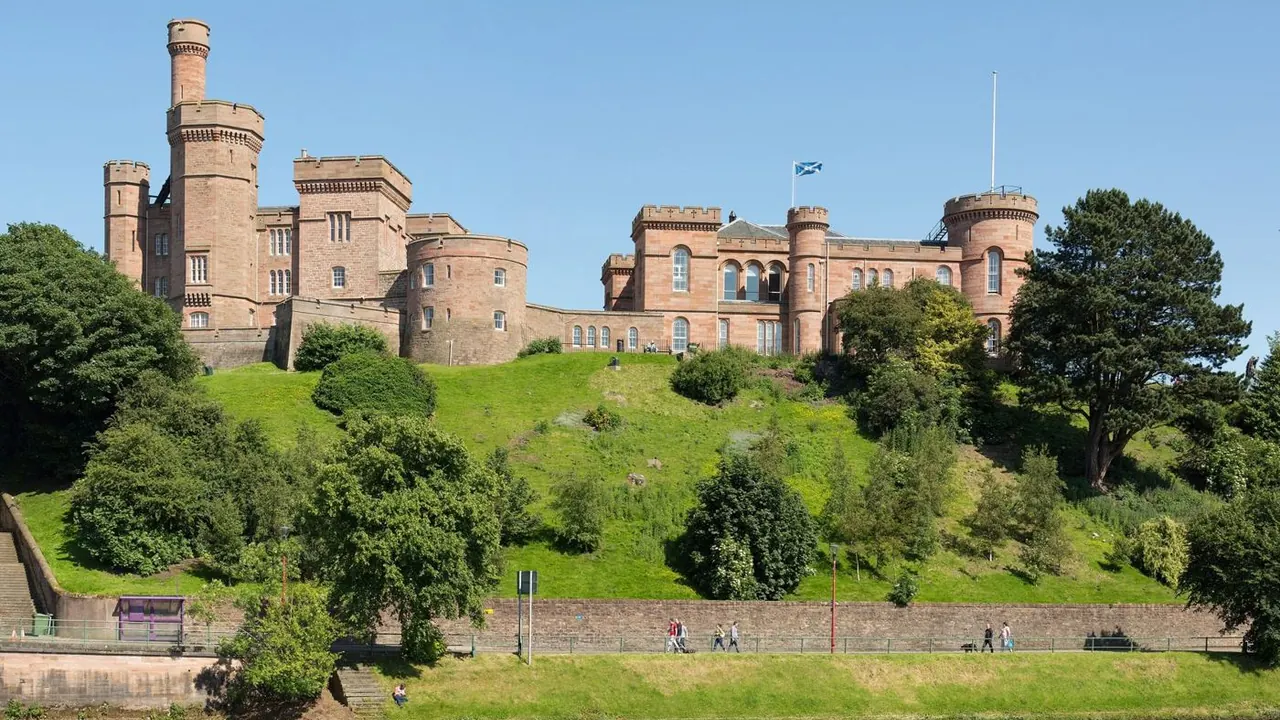
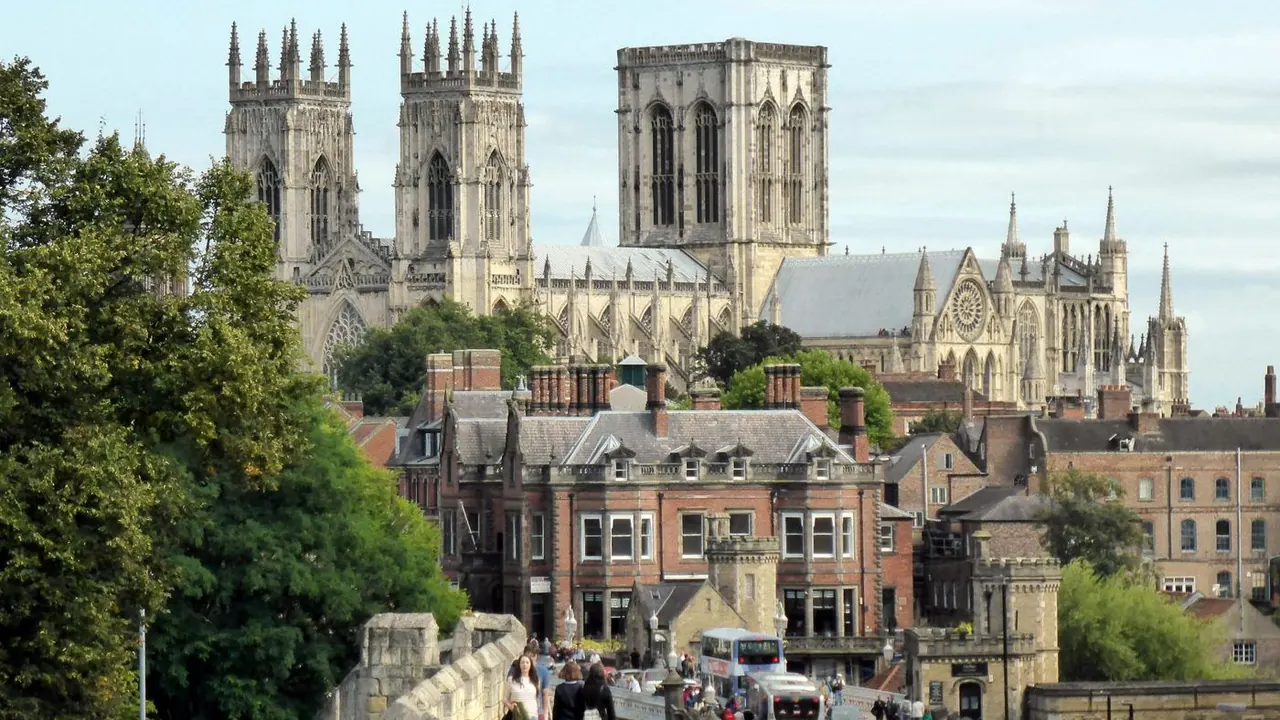
Photos: Inverness by Diliff, CC BY-SA 3.0, cropped; York by PAUL FARMER, CC BY-SA 2.0, cropped.
Inverness or York?
Our verdict in twelve categories, each scored against the same fixed benchmark cities, and the climate month by month, so you can choose for your trip.
Choose Inverness for
- nature and the outdoors
- beaches
Inverness is the better pick when the landscape is the real point of the vacation. Loch Ness, Glen Affric and the Cairngorms are all within about an hour, and you can watch dolphins from the shore at Chanonry Point. The town itself is small and quiet. It suits people who want a comfortable base, a dram in the evening and a car or tour to take them out each morning.
Choose York for
- culture and sights
- day trips
- getting around
Choose York if you want history and streets you can explore on foot. The Minster, the walls, the Viking and Roman layers and the National Railway Museum fill two or three days without a car, and fast trains reach Durham, Harrogate and Leeds for further outings. It makes the stronger city break, with more pubs, shops and theatre. Its countryside, though, takes more effort to reach than the Highlands do from Inverness.
Scoreboard
Twelve categories on one fixed scale from 0 to 100. The shaded stretch is the gap between the two.
Your match
Pick a travel style or drag the sliders, and both match scores follow your weighting.
Wins on nature and the outdoors and beaches with your weighting.
Wins on culture and sights and day trips with your weighting.
What matters to you?
Category by category
What the scores mean for a trip.
Beaches & swimming
Neither is a place to swim, but Inverness has the edge. Nairn's long sands are about twenty-five minutes away, and Rosemarkie and Chanonry Point on the Black Isle make a pretty shoreline walk, with dolphins as the real draw. York is inland, so the sea means an hour on the train to Scarborough's two bays, or a little further to Filey or Whitby, for a classic seaside day out with a jacket rather than a towel.
Food & drink
Both cities cook traditionally and in a narrow range, but York gives you a little more to work through. Its historic tearooms, fat rascals, real-ale pubs, Sunday roasts and Shambles Market stalls can fill several days of eating, even if the streets around the Minster lean towards tourist fare.
Inverness eats from the Highland larder: langoustines, Moray Firth seafood, venison and smoked salmon, and drinking centres on whisky bars rather than ale houses. A few riverside restaurants do it well, but choice thins out quickly beyond the centre, so it rewards a few good dinners rather than a week of exploring.
Culture & sights
This is where the two differ most. York fits two thousand years into a centre you can walk across: the Minster's medieval glass, nearly three miles of walls, the Shambles, Jorvik on its excavated Viking street, the Yorkshire Museum among the abbey ruins and the huge National Railway Museum.
Inverness has a fine castle view over the Ness, St Andrew's Cathedral and a compact museum with Pictish stones, but its most important site, Culloden battlefield, is a drive out of town. In York the city itself is the sightseeing. In Inverness you go out into the countryside to find the history.
Nightlife
Both are pub towns that go quiet early on weeknights, but York has more pubs and more going on. Its centuries-old inns along Micklegate and Stonegate make a proper ale crawl, students keep a few cocktail bars and small clubs going, and race days and weekend stag and hen parties add noise. Leeds is half an hour away for serious clubbing.
Inverness has a smaller cluster of pubs around Church Street and the river, where a slow Highland malt is the evening's main event, and the town keeps the early hours of visitors heading for the glens next morning.
Nature & outdoors
Inverness wins clearly if you want wild country close at hand. Loch Ness starts twenty minutes south, Glen Affric and the high Cairngorm plateau are about an hour away, and Torridon and the road to Skye are within two hours.
York sits on the flat Vale of York, so in town nature means riverside paths, the Museum Gardens and the open Strays. The North York Moors, with their heather and the sea cliffs at Robin Hood's Bay, and the limestone Dales are fine walking country, but they are gentler in scale and mostly a drive away.
Day trips
York is the far better base for varied outings, because other towns and cities are an easy train ride away. Harrogate and Leeds take about half an hour, Durham's cathedral and castle under an hour, and Beverley and Scarborough about an hour. By road, Castle Howard and Fountains Abbey add grand houses and ruins.
From Inverness the outings are mostly to single sites: Urquhart Castle above Loch Ness, Cawdor, Fort George, the Clava Cairns and the Speyside distilleries, with Pitlochry or Eilean Donan on a long day. They are rewarding but similar in kind, and most need a car or a tour.
Good for families
Both work well with children, in different ways. York makes history fun indoors: the locomotive hall at the National Railway Museum, Jorvik, the Victorian street at the Castle Museum and walks along the walls, all in a compact, largely pedestrianised centre. Two or three days usually covers it.
Inverness trades museums for outdoor adventures: monster-hunting boat trips on Loch Ness, dolphins at Chanonry Point and the polar bears and snow leopards of the Highland Wildlife Park, with the Aquadome for wet days. Expect more driving and more planning around the weather than in York.
Getting around
York is much easier without a car. Almost every sight lies inside or just outside the walls, the centre is flat and largely pedestrianised, and its main-line station puts Leeds, Durham and Harrogate within quick reach.
The centre of Inverness is just as easy to walk, and its rail lines to Kyle of Lochalsh and Thurso are scenic journeys in themselves. But the glens, castles and distilleries lie down single-track roads with sparse buses, so most visitors hire a car. In York you need one only for the moors and country houses.
Shopping & style
York makes shopping part of the sightseeing, with independent boutiques, bookshops, jewellers and antiques dealers along Stonegate, Petergate and the Shambles, and Christmas markets in late autumn. Inverness is more practical: the Victorian Market arcade, a high street and a shopping centre, with tartan, tweed, Celtic silver and malt whisky the things worth taking home. Neither has luxury fashion, and in Inverness an hour or two covers it.
Affordability
Costs are much the same in both, and the room is the main expense. Inverness fills up in summer as the gateway to Loch Ness, so its winter and shoulder seasons bring the real savings, while car hire and tours add to a Highland budget.
In York, prices peak at weekends, during race meetings and at Christmas, so a midweek stay helps most. York also has more free sights within walking distance, including the National Railway Museum and the walls, whereas the free attraction in Inverness is the landscape itself.
Live music & performing arts
Both have a modest scene for their size, and the difference is one of flavour. Inverness centres on Eden Court, the largest arts centre in the Highlands, and on traditional music: fiddle and accordion sessions in pubs, Gaelic song and the summer Highland Games.
York's strength is historic venues and traditions: the Theatre Royal, one of England's oldest theatres, the Grand Opera House, early music in a medieval church, free choral evensong at the Minster and the Mystery Plays, revived from time to time on wagons in the streets. Neither city has a resident orchestra or opera company.
Wellness & relaxation
Neither has a bathing tradition, so relaxing comes down to pace. Inverness offers country-house hotel spas around Loch Ness, the Aquadome's sauna and quiet riverside evenings, without the crowds that fill York's centre on summer and December weekends. York's advantage is Harrogate, half an hour away by train, where the Victorian Turkish baths at the Royal Baths make a proper spa afternoon.
When should you go?
Pick your month. The climate figures are measured averages, not a forecast.
Inverness in July
York in July
Daytime high, °C
Rainfall in the month, mm
Where the figures come from
Inverness has no rain gauge within 25 km of the centre, so its rainfall comes from a gridded climate dataset read at the city rather than from a gauge further away.
Inverness's sunshine is measured 43 km from the centre, at Kinloss.
York has no rain gauge within 25 km of the centre, so its rainfall comes from a gridded climate dataset read at the city rather than from a gauge further away.
York's sunshine is measured 48 km from the centre, at Leeming.
Temperature and rainfall are climate normals, averaged over the years shown. Inverness: 2005-2020 (sunshine 1991-2020, rainfall 1991-2020) normals, Inverness / Dalcross (11.9 km from centre). York: 1991-2020 normals, Linton-On-Ouse (14.9 km from centre).
Neither city is warm enough for a beach trip. Inverness peaks at about 19°C in July and August, and the Moray Firth barely reaches 14°C, so the sea is for looking at rather than swimming in. Its best spell comes earlier in the year. April and May are among its driest months, May is its sunniest, and the long light evenings suit the hills. From June the rain rises through late summer into autumn and is heaviest in October. Winter days are short, dull and cold, at around 6°C.
York is a little warmer in summer, reaching about 21°C in July, and it keeps its sunshine through July and August better than Inverness does, so high summer is the dependable time for long days on the walls. Its rain is spread more evenly across the year, and September is still mild and comfortable for walking the streets before the wetter months from October to December. Midwinter is grey and chilly in both cities.
Which traveller are you?
On an outdoors trip, Inverness is the clear choice. Loch Ness, Glen Affric's pine forest and the Cairngorms are all within about an hour for hiking, cycling and winter skiing. York's moors and Dales are gentler and further from the door.
For a culture and arts trip, York wins easily. The Minster, the walls, Jorvik and the National Railway Museum fill several days on foot, and the Theatre Royal and Minster evensong round off the evenings. Inverness's weightiest history lies out of town.
For a short city break, York suits better. Everything sits in a flat, largely pedestrianised centre a short walk from the station, with old inns and independent shops between the sights. Inverness only really comes into its own with a car and several days.
Before you go
| Measure | Inverness | York |
|---|---|---|
| Official language | English | English |
| Currency | Pound Sterling (GBP) | Pound Sterling (GBP) |
| Sockets | G230 V, 50 Hz | G230 V, 50 Hz |
| Driving side | Left | Left |
| Time zone | UTC, UTC+1 in summer | UTC, UTC+1 in summer |
| Emergency number | 112 or 999 | 112 or 999 |
| Elevation | 7 m | 25 m |
| Main airport | Inverness Airport (INV)12 km from centre15 non-stop destinations | Leeds Bradford Airport (LBA)39 km from centre69 non-stop destinations |
| Public holidays this year | 10 days | 8 days |
By the numbers
| Measure | Inverness | York |
|---|---|---|
| City population | 47,380 | 208,400 |
| People per km² | 2,289 | 766 |
| Museums within 10 km | 3 | 24 |
| UNESCO World Heritage sites within 50 km | 0 | 2 |
| Swim season, months above 21 °C | None | - |
Where else could you go?
Every comparison below shares a destination with this one, so you can follow Inverness or York somewhere new.