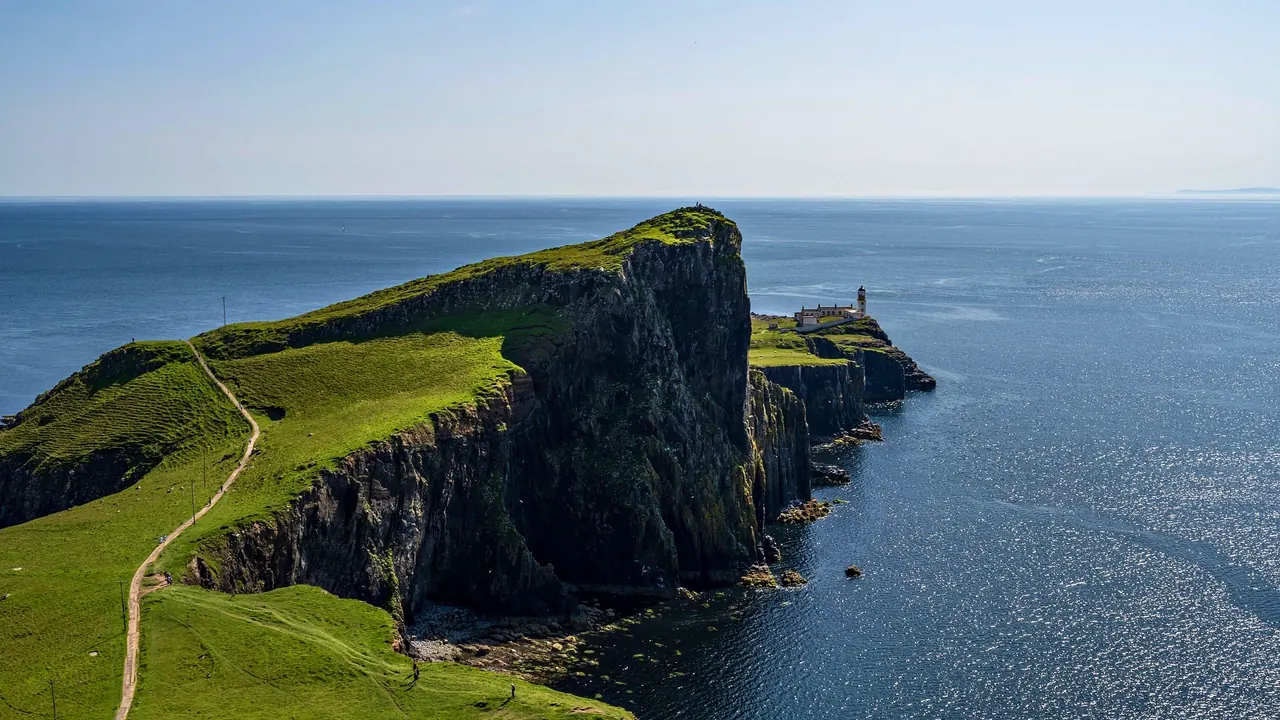
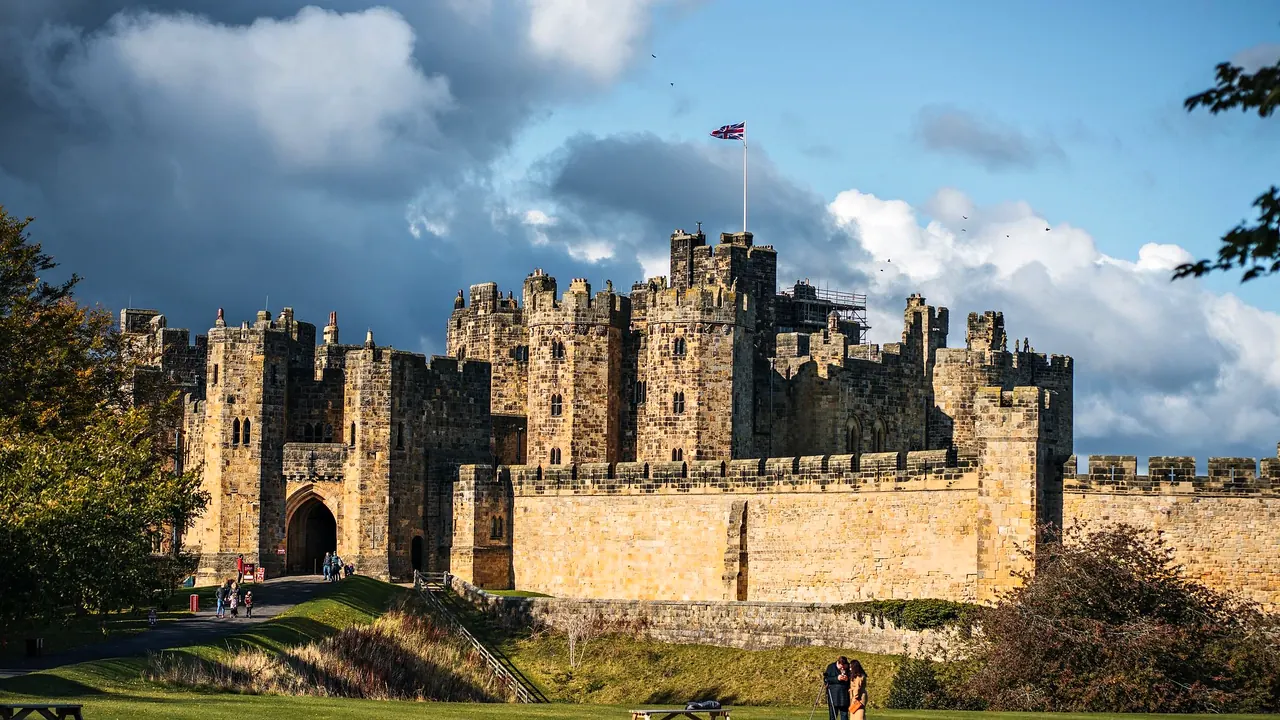
Photos: Isle of Skye by Evelin Magnus, Pexels License; Northumberland by Clément Proust, Pexels License.
Isle of Skye or Northumberland?
Our verdict in twelve categories, each scored against the same fixed benchmark cities, and the climate month by month, so you can choose for your trip.
Choose Isle of Skye for
- nature and the outdoors
- food and drink
Skye is for travellers who come for the land itself. The Cuillin ridge, the pinnacles of the Quiraing and the Storr, the cliffs at Neist Point and the otters and eagles along the sea lochs are wilder than anything across the border. It suits a trip planned around hill days and the weather, with a car, a cottage and good seafood, for people who can live with rain, single-track roads and queues at the famous viewpoints.
Choose Northumberland for
- culture and sights
- day trips
- families
Northumberland makes the more rounded vacation. Its country is gentler but just as empty, and alongside it come border castles, Hadrian's Wall, Holy Island and long sandy beaches. Railway lines run through it, and Edinburgh, Durham and Newcastle are each an easy day out. Families, history lovers and anyone keeping an eye on costs will get more from it, and the drier weather makes plans easier to keep.
Scoreboard
Twelve categories on one fixed scale from 0 to 100. The shaded stretch is the gap between the two.
Your match
Pick a travel style or drag the sliders, and both match scores follow your weighting.
Wins on nature and the outdoors and food and drink with your weighting.
Wins on culture and sights and day trips with your weighting.
What matters to you?
Category by category
What the scores mean for a trip.
Beaches & swimming
Neither is a place to bathe, but Northumberland has the far better shore. Bamburgh, Embleton Bay below Dunstanburgh and the long sweep of Druridge Bay are wide stretches of sand you can walk for an hour, and the North Sea is slightly less cold in late summer.
Skye's beaches are fewer and smaller: the white coral sand at Claigan, the black bays of Talisker and Staffin, and the icy Fairy Pools for a brave dip. Each is a stop on a drive rather than a place to spend the day.
Food & drink
Both eat well from the sea and the hills, and the difference lies in how you eat. Skye's best meals are langoustines, scallops and Loch Harport oysters in a few country restaurants out around Dunvegan and Sleat, which are worth a long drive but need booking, and many places shut for winter. Portree covers the everyday meals.
Northumberland offers a steadier spread of coaching inns and village pubs, Craster kippers, crab sandwiches in Seahouses and Amble, and Lindisfarne oysters. When you want more choice, Newcastle is close by.
Culture & sights
Here Northumberland is in another league. It has a castle at almost every turn of the coast, from Bamburgh on its rock to Alnwick and Warkworth. It also has the finest stretch of Hadrian's Wall at Housesteads and Vindolanda, the Elizabethan walls of Berwick, Lindisfarne Priory and Cragside, enough for a week of sightseeing.
Skye's history of clans, crofting and Gaelic is told at a few scattered sites: Dunvegan Castle, Armadale and the Museum of the Isles, and the thatched cottages at Kilmuir. It is interesting, but it makes up part of a trip rather than its purpose.
Nightlife
In both places the evening ends with a drink in a quiet bar, and neither has a club or a late crowd. On Skye that means a whisky in the inn at Sligachan or Carbost with walkers planning tomorrow's ridge, or one of a handful of bars around Portree's harbour. The real difference is that Northumberland has Newcastle just beyond its border, a train ride away for anyone who wants a proper night out.
Nature & outdoors
Skye has the more dramatic landscape. The gabbro ridge of the Black Cuillin rises straight from the sea, the Quiraing and the Old Man of Storr look barely of this world, and boat trips from Elgol into Loch Coruisk add seals, sea eagles and summer whales. You pay for it with heavy rain, cloud on the summits and midges.
Northumberland is quieter and softer. Its high points are the puffin and seal colonies of the Farne Islands, the coast path past dunes and castles, the rounded Cheviots, and Kielder's forest trails under some of Europe's darkest skies.
Day trips
From Skye, day trips are rural and depend on the ferries. Eilean Donan and Plockton are just over the bridge, Raasay is a short crossing from Sconser, and Harris is a long but memorable day from Uig. None of them reaches a sizeable town, and the weather can cancel any of them.
Northumberland has far more choice, but which trips are easy depends on where you stay. In the north, Berwick puts Edinburgh under an hour away by train and the abbeys of Melrose, Jedburgh and Kelso a short drive west. Staying south, around Hexham or Morpeth, puts Newcastle's quayside well within the hour and Durham's cathedral about an hour away, and Beamish fills a whole day. From either end, market towns such as Alnwick, Rothbury and Amble make gentler outings.
Good for families
Northumberland gives children far more to do. At Alnwick Castle they can try broomstick training, and the garden next door has a giant treehouse. There are boat trips out to the puffins, a race across the Holy Island causeway before the tide, and wide sands for rockpools and sandcastles.
Skye suits hardy families who are happy outdoors in any weather. Dinosaur footprints at Staffin and seal-spotting trips go down well. But the classic walks are often muddy or close to cliff edges, there is almost nothing indoors, and the drives between sights test young passengers.
Getting around
Northumberland is much easier to travel. The east coast main line stops at Morpeth, Alnmouth and Berwick, the Tyne Valley line runs out to Hexham and Haltwhistle for the Wall, and the A1 makes driving quick, as long as you check the tide tables before Holy Island.
On Skye a car is essential, and the single-track roads with passing places make every journey slower than the map suggests. In summer there are queues on the Trotternish loop and the Fairy Pools road, and the viewpoint car parks fill early.
Shopping & style
Neither is a shopping destination, though the two offer different things. Skye's best buys come from the makers themselves, potters, weavers and silversmiths working down farm tracks and in galleries around Waternish and Sleat, with tweed and whisky as the obvious things to take home. Northumberland has proper small-town high streets in Hexham and Alnwick, with weekly markets, smokehouse counters, and the vast second-hand bookshop in Alnwick's old station.
Affordability
Northumberland is clearly the cheaper of the two. It costs what rural England costs, the beaches and much of the Wall are free, and staying inland around Hexham and the Tyne Valley brings bills down further, though you pay to enter the castles.
Skye's rooms are scarce and expensive in summer, eating out costs the full UK rate with few cheap meals outside Portree, and the hire car adds a lot. Hostels, campsites and a cottage shared with a group help, as does visiting in spring or autumn.
Live music & performing arts
Northumberland has more going on through the year. Hexham and Berwick have small arts centres, Alnwick has a playhouse, smallpipe sessions are part of pub life, and Newcastle and Gateshead have the region's big concert halls.
Skye's music is more distinctive but more seasonal: Gaelic song, summer fiddle sessions and ceilidhs in Portree and the village halls, concerts at the Gaelic college in Sleat, and piping at the August Highland Games. Outside summer, whether you hear anything is largely down to luck.
Wellness & relaxation
In both places, rest means quiet rather than treatments, with only a few hotel spas. Skye's calm is a cottage on a sea loch in Waternish or Sleat, with weather passing over the hills, though the famous viewpoints can be busy in summer. Northumberland's is gentler and easier to come by, with empty lanes, villages asleep by eleven and the pace set by the tides.
When should you go?
Pick your month. The climate figures are measured averages, not a forecast.
Isle of Skye in July
Northumberland in July
Daytime high, °C
Rainfall in the month, mm
Where the figures come from
Isle of Skye's temperatures are measured 90 km from the centre, at Stornoway.
Isle of Skye has no rain gauge within 25 km of the centre, so its rainfall comes from a gridded climate dataset read at the destination rather than from a gauge further away.
Northumberland has no rain gauge within 25 km of the centre, so its rainfall comes from a gridded climate dataset read at the destination rather than from a gauge further away.
Temperature and rainfall are climate normals, averaged over the years shown. Isle of Skye: 1991-2020 normals, Stornoway (89.7 km from centre). Northumberland: 1991-2020 normals, Boulmer (7 km from centre).
Skye is wet in every month, so the choice is between less rain and more. April to July is the driest stretch, with each month close to 100mm. May adds the most sunshine of the year, about 188 hours, which makes late spring the best time for the hills. From August the rain builds again, and October to January each bring over 200mm, with short, dark days. Even at their warmest, summer highs reach only about 16°C. That is good walking weather, but never warm enough for the beach, and the sea stays cold all year.
Northumberland is much drier, with no month much over 90mm, and a little warmer, with highs of around 18°C in July and August. June to September is the comfortable time to be on the coast, and the North Sea is at its least cold in late summer. Winters are as chilly as Skye's, but with far less rain, so the castles and the Wall stay easy to walk when Skye's weather closes in.
Which traveller are you?
For an outdoors trip, Skye is the stronger choice. The Black Cuillin offer real mountaineering, Trotternish has the strangest walking scenery in Britain, and sea kayaking out of Elgol and whale-watching add to it. Northumberland's hills and coast path are gentler.
On a culture and arts trip, Northumberland is far richer. You can visit Bamburgh, Alnwick and Dunstanburgh castles, Vindolanda's writing tablets on Hadrian's Wall and Lindisfarne Priory, and catch smallpipe sessions in the evenings. Skye's clan castles and crofting museum fill about two days.
On a family trip with children, Northumberland works better. Alnwick Castle and its garden are built for young visitors, boat trips go out to the puffins, and the beaches are made for sandcastles. Skye's best walks are steep, muddy or along cliff edges, and the drives are long.
Before you go
| Measure | Isle of Skye | Northumberland |
|---|---|---|
| Official language | English | English |
| Currency | Pound Sterling (GBP) | Pound Sterling (GBP) |
| Sockets | G230 V, 50 Hz | G230 V, 50 Hz |
| Driving side | Left | Left |
| Time zone | UTC, UTC+1 in summer | UTC, UTC+1 in summer |
| Emergency number | 112 or 999 | 112 or 999 |
| Main airport | Inverness Airport (INV)15 non-stop destinations | Newcastle International Airport (NCL)80 non-stop destinations |
| Public holidays this year | 10 days | 8 days |
By the numbers
| Measure | Isle of Skye | Northumberland |
|---|---|---|
| Population | 10,008 | 323,820 |
| People per km² | 6 | 65 |
| Swim season, months above 21 °C | None | None |
Where else could you go?
Every comparison below shares a destination with this one, so you can follow Isle of Skye or Northumberland somewhere new.
- Edinburghvs Northumberland
- Lake Districtvs Northumberland
- Yorkshire Dalesvs Northumberland
- Peak Districtvs Northumberland
- Orkneyvs Isle of Skye
- Scottish Highlandsvs Northumberland