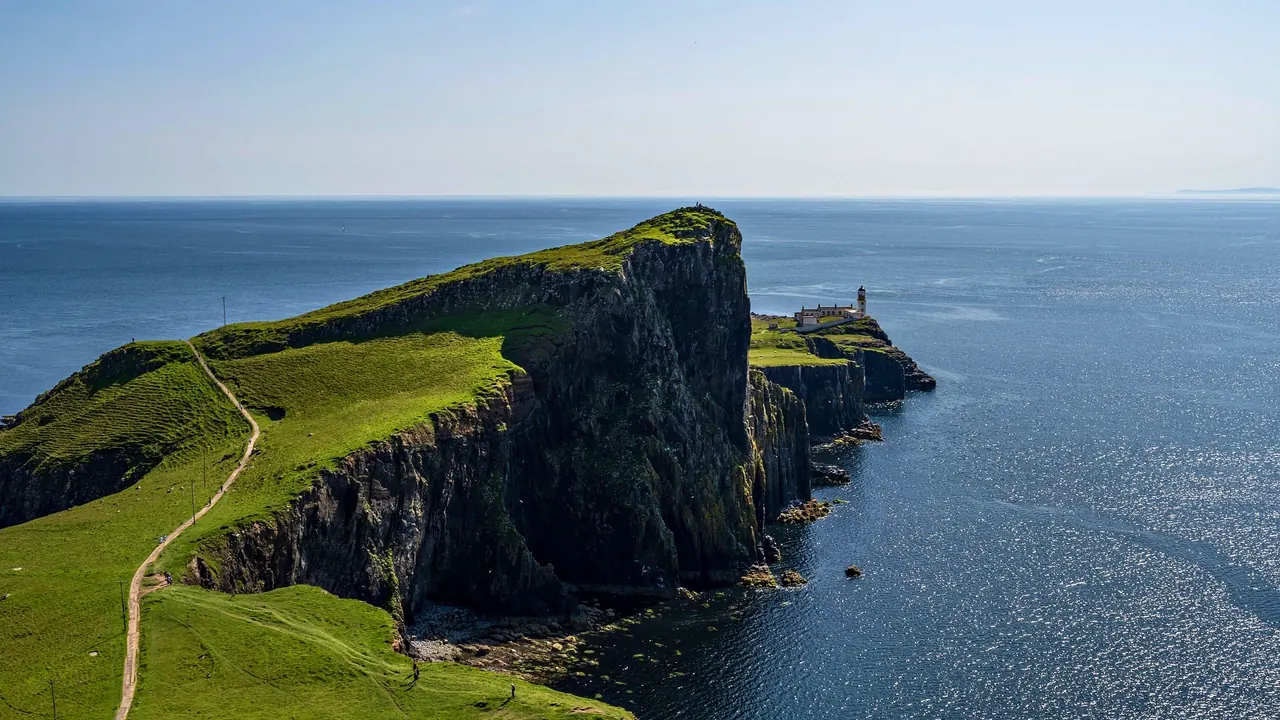
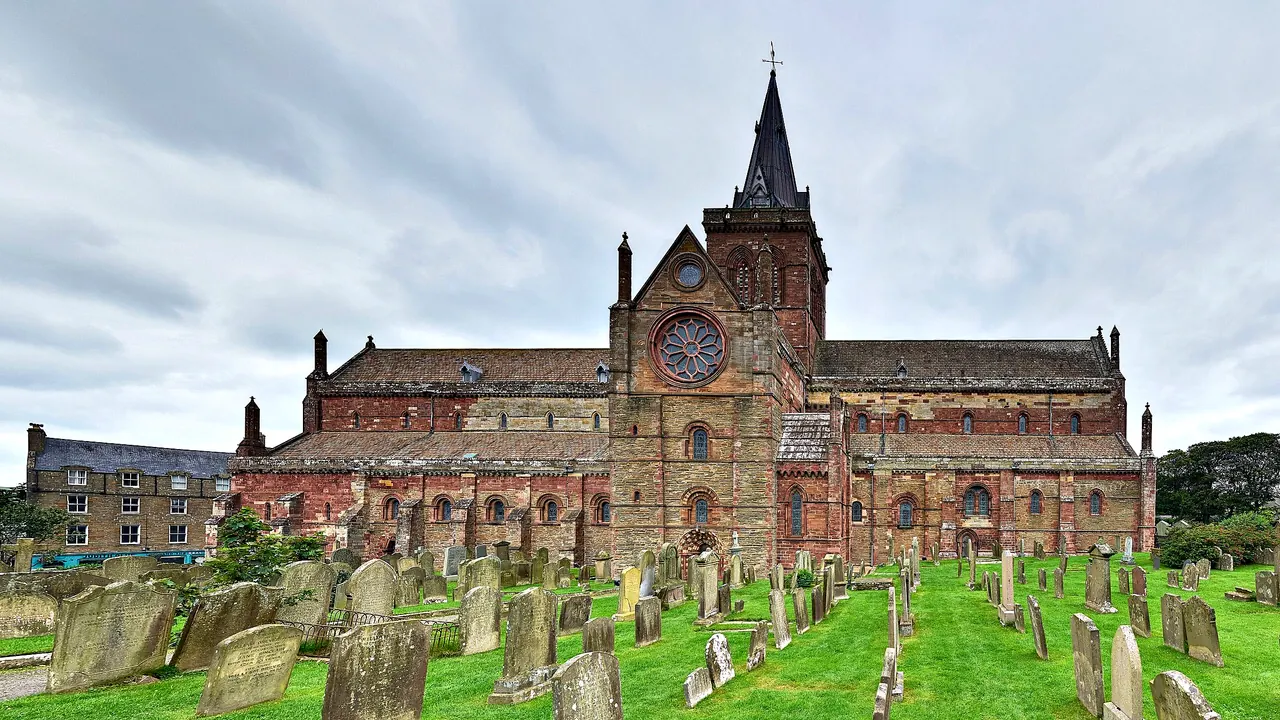
Photos: Isle of Skye by Evelin Magnus, Pexels License; Orkney by Virtual-Pano, CC BY-SA 4.0, cropped.
Isle of Skye or Orkney?
Our verdict in twelve categories, each scored against the same fixed benchmark cities, and the climate month by month, so you can choose for your trip.
Choose Isle of Skye for
- nature and the outdoors
- wellness
- food and drink
Skye is the pick for walkers, climbers and anyone who travels mainly for scenery. The Cuillin ridge, the Trotternish pinnacles and the cliffs at Neist Point make it some of the wildest country in Britain, and it repays days spent on foot or in a kayak. In return you accept wetter weather, slow single-track driving, higher costs and quiet evenings.
Choose Orkney for
- culture and sights
- getting around
- prices
Choose Orkney if history draws you as much as landscape. Its Neolithic sites and Kirkwall's medieval cathedral give it far more sightseeing than Skye has, and the Mainland is compact and easy to drive. The scenery is gentler, with sea cliffs and seabirds rather than mountains, but the trip costs a little less, the weather is drier and the North Isles are good for island-hopping.
Scoreboard
Twelve categories on one fixed scale from 0 to 100. The shaded stretch is the gap between the two.
Your match
Pick a travel style or drag the sliders, and both match scores follow your weighting.
Wins on nature and the outdoors and wellness with your weighting.
Wins on culture and sights and getting around with your weighting.
What matters to you?
Category by category
What the scores mean for a trip.
Beaches & swimming
Neither is a beach destination, and the cold water around both limits swimming to a quick, bracing dip. Orkney has the better sand, though, with pale shell beaches and turquoise shallows at Waulkmill Bay and Birsay, and long empty strands on Sanday and Westray.
On Skye the shore is a few striking spots rather than beaches to spend time on: the coral sand at Claigan, the black sand at Talisker and Staffin and, for wild swimmers, the icy Fairy Pools in Glen Brittle.
Food & drink
Both eat well from their own waters and both have little choice of places, so the difference is in how you eat. On Skye it is worth driving out to the small country restaurants around Dunvegan and Sleat, which are known well beyond Scotland, for langoustines and Loch Harport oysters, and booking ahead in summer.
Orkney rewards shopping more than eating out. Beef, farmhouse cheese, bere bannocks and hand-dived scallops from local butchers and fish shops make self-catering a pleasure. For whisky, Skye has its old distillery at Carbost, while Kirkwall has two.
Culture & sights
Orkney is far ahead here. The West Mainland is one of the great Neolithic landscapes of Europe, from Skara Brae to Maeshowe and the stones of Brodgar and Stenness. Kirkwall adds St Magnus Cathedral and its ruined palaces, and the Italian Chapel and the wartime remains around Scapa Flow cover the twentieth century. It easily fills several days.
Skye's history of clans, crofting and Gaelic is real but spread thinly over a few scattered sites: Dunvegan Castle, the Clan Donald ruins and Museum of the Isles at Armadale, and the thatched cottages at Kilmuir. Two days covers it.
Nightlife
On both, a night out means a pub, with no clubs and early finishes. Skye's evenings feel like a climbers' bar, a dram at the inn at Sligachan or Carbost after a day on the hills. In Kirkwall and Stromness a fiddle session may start up in a hotel bar, and on light summer nights the talk goes on late.
Nature & outdoors
Skye has much the bigger landscape. The Black Cuillin offer the most serious mountaineering in Britain, the Quiraing and the Old Man of Storr are some of the strangest scenery in Europe, and boat trips from Elgol into Loch Coruisk bring sea eagles, otters and, in summer, whales.
Orkney is low and treeless, and its drama is at the edges: the Old Man of Hoy, the seabird cliffs at Marwick Head and Noup Head, and puffins in early summer. It does have one thing Skye lacks: the scuttled German fleet in Scapa Flow, one of Europe's best-known wreck dives.
Day trips
Orkney has more to explore beyond your base, because its day trips are island-hopping. You can visit the cairns on Rousay, Westray's castle and bays, Papa Westray by a famously short flight, and Hoy for a full day, while Stromness is an easy outing from Kirkwall.
Skye's outings mostly leave the island for single sights: Eilean Donan and Plockton over the bridge, quiet Raasay, the ferry to Mallaig for the Glenfinnan viaduct, or a long day on Harris. On both, every trip depends on the ferries and the weather.
Good for families
Neither has much entertainment laid on for children, but Orkney is the easier family base. Drives are short, the beaches are good for rock-pooling, the walk-in replica house at Skara Brae brings history to life, and Kirkwall's leisure centre pool helps on wet days.
Skye has its own treats, such as dinosaur footprints at Staffin and seal-spotting boats from Portree. But long drives, steep or cliff-edge walks and summer midges make it harder going with young children.
Getting around
You need a car on both, but the driving is very different. On the Orkney Mainland the roads are quiet, the towns and Neolithic sites are all within half an hour of one another, and the Churchill Barriers carry the road on to South Ronaldsay. Only the outer islands need ferry bookings.
On Skye, single-track roads with passing places make short distances slow. In summer, traffic queues on the Trotternish loop and the Fairy Pools road, and car parks at the famous viewpoints fill early.
Shopping & style
Both are about crafts rather than fashion, but Orkney has real shopping streets to browse. Kirkwall's flagstone Albert Street and Stromness's main street sell silver jewellery based on Norse and Neolithic designs, as well as the straw-backed Orkney chair. On Skye, you find potters and weavers in workshops down farm tracks around Waternish and Sleat, and Portree has little more than gift and outdoor-gear shops.
Affordability
Neither is cheap, but Skye costs more. Summer rooms there are scarce and expensive, there are few cheap places to eat outside Portree, and a hire car covers a lot of slow miles. Spring and autumn are noticeably cheaper.
Orkney's rooms also need booking well ahead, and the crossing and inter-island ferries add up. But free sites, short distances and local produce for self-catering keep daily costs lower.
Live music & performing arts
Orkney is stronger here, thanks to its festivals. The St Magnus International Festival, founded by Peter Maxwell Davies, brings classical music and drama to the cathedral around midsummer, and the Orkney Folk Festival fills Stromness in late spring.
Skye's live culture is Gaelic: summer pub sessions in Portree, ceilidhs in village halls, concerts at the Gaelic college Sabhal Mòr Ostaig in Sleat, and piping at the August Highland Games. Outside these times, neither has much on.
Wellness & relaxation
Skye's rest comes with a view: a cottage on a sea loch in Waternish or Sleat, long early-summer evenings watching the weather cross the hills, and a few country-house hotels with treatment rooms, or the odd sauna on the shore, for anyone who wants a little pampering.
Orkney's calm is quieter and more everyday: empty roads, little traffic and the slow rhythm of island life, with Kirkwall's public pool in place of a spa. Both suit someone who unwinds with a book and a walk rather than a list of treatments.
When should you go?
Pick your month. The climate figures are measured averages, not a forecast.
Isle of Skye in July
Orkney in July
Daytime high, °C
Rainfall in the month, mm
Where the figures come from
Isle of Skye's temperatures are measured 90 km from the centre, at Stornoway.
Isle of Skye has no rain gauge within 25 km of the centre, so its rainfall comes from a gridded climate dataset read at the destination rather than from a gauge further away.
Temperature and rainfall are climate normals, averaged over the years shown. Isle of Skye: 1991-2020 normals, Stornoway (89.7 km from centre). Orkney: 1991-2020 normals, Kirkwall Airport (4.9 km from centre).
Both sets of islands have the same cool climate. Daytime highs rise from about 7°C in winter to 16°C in July and August, so neither is ever warm enough for a beach day, and the sea around both peaks at about 13°C in late summer. The real difference is rain. Around Skye's main bases, autumn and winter are very wet, with more than 200mm a month from October to January. Even Orkney's wettest months stay at about 126mm, and its late spring and early summer are noticeably dry.
On Skye, May is the best month. It is the sunniest of the year and fairly dry, with April and June close behind. Orkney is at its best from May to July, when it is dry and light. September still works on both. From October, Skye's heavy rain makes hill days hard, while Orkney stays more manageable for sightseeing.
Which traveller are you?
On a culture and arts trip, Orkney is the clear choice. A Neolithic village, chambered tombs and stone circles, a twelfth-century cathedral and a midsummer festival of classical music add up to far more than Skye's castles and crofting museum.
For an outdoors trip, Skye wins. The Black Cuillin ridge, the Quiraing, the Storr and sea kayaking from Elgol give serious walkers and climbers much more to do than Orkney's low green islands, fine as their seabird cliffs are.
On a trip on a tight budget, Orkney is the easier of the two. Rooms are scarce on both, but Skye's summer prices and long drives cost more, while Orkney's free sites and short distances on the Mainland keep daily spending down.
Before you go
| Measure | Isle of Skye | Orkney |
|---|---|---|
| Official language | English | English |
| Currency | Pound Sterling (GBP) | Pound Sterling (GBP) |
| Sockets | G230 V, 50 Hz | G230 V, 50 Hz |
| Driving side | Left | Left |
| Time zone | UTC, UTC+1 in summer | UTC, UTC+1 in summer |
| Emergency number | 112 or 999 | 112 or 999 |
| Main airport | Inverness Airport (INV)15 non-stop destinations | Kirkwall Airport (KOI)9 non-stop destinations |
| Public holidays this year | 10 days | 10 days |
By the numbers
| Measure | Isle of Skye | Orkney |
|---|---|---|
| Population | 10,008 | 22,270 |
| People per km² | 6 | 22 |
| Swim season, months above 21 °C | None | None |
Where else could you go?
Every comparison below shares a destination with this one, so you can follow Isle of Skye or Orkney somewhere new.
- Scottish Highlandsvs Orkney
- Northumberlandvs Isle of Skye
- Lake Districtvs Isle of Skye
- Northumberlandvs Orkney
- Yorkshire Dalesvs Isle of Skye
- Snowdoniavs Isle of Skye