United Kingdom
Orkney
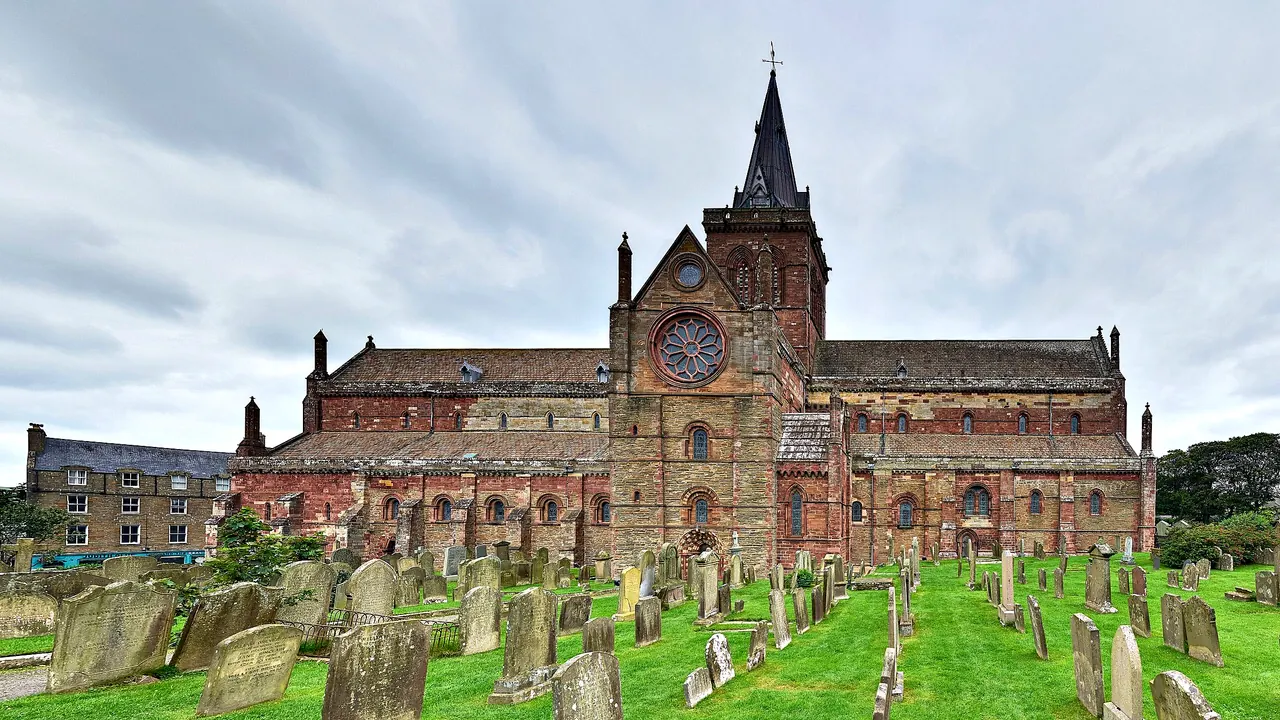
St Magnus Cathedral in Kirkwall
- Culture & sights70
- Nature & outdoors62
- Getting around50
Photo: Virtual-Pano, CC BY-SA 4.0, cropped
Match
38
Every category weighted equally
- Beach & sun35
- Culture & arts42
- Food & nightlife35
- Family trip41
- Outdoors43
- Relax & unwind38
- Shopping & style38
- On a budget38
Orkney in twelve categories
Our verdict on each, scored 0 to 100 against the same fixed benchmark cities, so a score means the same thing on every page.
Beaches & swimming. Scores 20 out of 100.
Food & drink. Scores 38 out of 100.
Culture & sights. Scores 70 out of 100.
Nightlife. Scores 14 out of 100.
Nature & outdoors. Scores 62 out of 100.
Day trips. Scores 45 out of 100.
Good for families. Scores 40 out of 100.
Getting around. Scores 50 out of 100.
Shopping & style. Scores 30 out of 100.
Affordability. Scores 38 out of 100.
Live music & performing arts. Scores 28 out of 100.
Wellness & relaxation. Scores 25 out of 100.
Orkney category by category
Beaches & swimming
20Orkney has beautiful beaches: pale shell sand and turquoise shallows at Waulkmill Bay, Dingieshowe and Birsay on the Mainland, and long, empty strands on Sanday and Westray. On a bright summer day they can look tropical, and you will often have one to yourself.
The water tells a different story. The sea rarely gets above 13°C, even in August, and wind is common, so swimming means a quick, bracing dip. Plan to walk on the beaches, look for shells and watch seals rather than spend the day in the water. Do not choose Orkney for beach life.
Food & drink
38Orkney eats well from its own land and sea. Grass-fed beef and lamb, hand-dived scallops, crab and lobster, farmhouse cheese, fudge and bere bannocks made from an old barley strain all come from the islands. Kirkwall has two long-established whisky distilleries, and the islands also make beer and gin, so a visit easily becomes a tasting tour.
There are few places to eat, though. Kirkwall and Stromness have a modest run of hotel dining rooms, cafés and seafood kitchens, and on the outer islands you may find only one place, or none, so self-catering with local produce from butchers and fish shops is often the better option. There is no street food, and very little in the way of fine dining.
Culture & sights
70Orkney has one of the richest Neolithic landscapes in Europe. On the West Mainland you can see Skara Brae, a stone village older than the pyramids with its box beds and dressers still in place, the chambered tomb of Maeshowe with Viking graffiti carved inside, and the stone circles of Brodgar and Stenness on the narrow strip of land between two lochs. Brochs, cairns and Norse sites such as the Broch of Gurness and the tidal Brough of Birsay are scattered along the coast.
Kirkwall is the other centre of interest. St Magnus Cathedral, built in red and yellow sandstone from 1137, stands beside the ruined Earl's and Bishop's Palaces. The Italian Chapel, made from two Nissen huts by prisoners of war, and the wartime remains around Scapa Flow add a twentieth-century chapter. Museums are small, but the Pier Arts Centre in Stromness is a fine gallery. Allow a car and several days.
Nightlife
14Evenings out mean a few pubs and hotel bars in Kirkwall and Stromness, where local fiddlers sometimes start a session and the talk runs late on light summer nights. There are no clubs and little after closing time, and on the smaller islands the night ends with dinner. On a midsummer evening, when it barely gets dark, the best outing may be a walk.
Nature & outdoors
62Orkney is a low, green, treeless archipelago, and its drama is at the edges. On Hoy, the Old Man of Hoy sea stack and the high cliffs of St John's Head are reached by a fine moorland walk from Rackwick. On the Mainland, the cliffs at Yesnaby and Marwick Head, and on Westray, Noup Head, hold thousands of nesting seabirds from late spring to midsummer, with puffins at Castle o' Burrian. Grey and common seals are everywhere, and orcas pass through some summers.
Under water, Scapa Flow's scuttled German fleet makes it one of the best-known wreck-diving sites in Europe. Above water there is sea kayaking, easy cycling and coastal walking. The weather sets the terms: wind, rain and long light in summer, and short grey days in winter.
Day trips
45Day trips here mean island-hopping. Small car ferries from Kirkwall and Tingwall run to the North Isles. Rousay has a string of chambered cairns along one road. Westray has a ruined castle and sandy bays. Papa Westray has the Knap of Howar, among the oldest standing houses in northern Europe, and is reached on a famously short flight. Shapinsay and Sanday are quiet farming islands with good walking and archaeology. Hoy, to the south-west, makes a full day of its own.
On the Mainland, Stromness, with its flagstone street and harbour, is an easy outing from Kirkwall. A ferry across the Pentland Firth reaches the Caithness coast. Every outing needs planning around the ferry times, and most islands fill a day with a handful of sights.
Good for families
40Orkney is safe, quiet and unhurried, and children do well with wide beaches for rock-pooling, seals hauled out on the skerries, puffins in early summer and the walk-in replica house at Skara Brae. Short ferry crossings feel like an adventure, and traffic is light.
Very little is made for children. Outside Kirkwall's leisure centre with its pool, there are no attractions aimed at them, the sea is too cold for long play in the water, and wind and rain can keep everyone indoors for days. It suits families who like the outdoors and self-catering, not those who need entertainment laid on.
Getting around
50With a car, the Orkney Mainland is easy. Roads are quiet, distances are short, and Kirkwall, Stromness and the Neolithic sites are all within half an hour of one another. The causeways of the Churchill Barriers carry the road on to Burray and South Ronaldsay. Buses link the main villages but run too rarely to rely on, and cycling is pleasant on calm days but hard work in the wind.
The outer islands take more effort. Small car ferries need booking in summer, and tiny inter-island planes serve the North Isles. Both can be disrupted by weather. Kirkwall and Stromness are walkable towns, but almost nothing else is.
Shopping & style
30Shopping in Orkney is about crafts. Kirkwall's flagstone Albert Street and Stromness's main street have jewellers whose silver work draws on Norse and Neolithic designs, along with knitwear, pottery and the traditional straw-backed Orkney chair. A craft trail leads to workshops scattered across the Mainland. Local whisky, fudge and cheese make good things to take home. There is little else: no department stores, no fashion and no markets of note.
Affordability
38Orkney is not a cheap trip. There are not many rooms, so hotels, B&Bs and self-catering cottages are dearer in the summer season and need booking well ahead. Eating out costs what it does across the UK, and getting there and around adds up: a flight or ferry crossing, a hire car and inter-island ferries. On the other hand, many sites are free to visit, from the stone circles to the cliffs and beaches, and buying local produce to cook yourself keeps daily costs reasonable.
Live music & performing arts
28Orkney's performing arts gather in a few festival weeks. The St Magnus International Festival, founded in 1977 by the composer Peter Maxwell Davies, brings classical music, drama and new work to the cathedral and island halls around midsummer. The Orkney Folk Festival fills Stromness in late spring. Fiddle and accordion music is a living tradition, heard at pub sessions and community dances.
The rest of the year there is little: occasional concerts and touring shows in Kirkwall, and no theatre or concert hall with a regular season. Time a visit to a festival if this matters to you.
Wellness & relaxation
25There are no thermal baths, hammams or spa resorts in Orkney. Pampering is limited to a few hotel treatments and the public pool in Kirkwall, and a small group of local cold-water swimmers take to the sea year-round. What Orkney offers instead is quiet: little traffic, long light summer evenings, empty roads and the slow rhythm of island life. It suits someone who unwinds with a book and a walk, not someone looking for a spa.
Where to stay in Orkney
Kirkwall is the practical base for a first visit. It has the widest choice of places to eat, the cathedral and palaces within a short walk, the leisure centre pool for wet days with children, and the ferries and small planes to the North Isles. Stromness is smaller and quieter, with a flagstone street running along the harbour, the Pier Arts Centre and the West Mainland's Neolithic sites close by. It suits anyone who prefers a slower evening in a pub with a fiddle session. Both towns are walkable, but you will need a car to see much else. The two are within half an hour of each other, so one base covers the whole Mainland.
A rented cottage in the West Mainland countryside, near Birsay or the lochs of Stenness, suits walkers, birdwatchers and families who like the outdoors and cooking for themselves. Skara Brae, Yesnaby and Marwick Head are all nearby, and evenings are very quiet.
On a second or longer trip, spend a few nights on Westray or Sanday for empty beaches, seabird cliffs and puffins, or at Rackwick on Hoy for the walk to the Old Man. There may be only one place to eat, or none, so bring supplies. Book ferries ahead, allow for the weather, and keep to one or two moves between bases.
When should you go?
Pick a month to see what it is like. The climate figures are measured averages, not a forecast.
Orkney in July
Daytime high, °C
Rainfall in the month, mm
The whole year
Shaded against this destination’s own year: the deepest cell is its best month for that figure and the palest its weakest.
Temperature and rainfall are climate normals, averaged over the years shown. Orkney: 1991-2020 normals, Kirkwall Airport (4.9 km from centre).
Before you go
| Measure | Orkney |
|---|---|
| Official language | English |
| Currency | Pound Sterling (GBP) |
| Sockets | G230 V, 50 Hz |
| Driving side | Left |
| Time zone | UTC, UTC+1 in summer |
| Emergency number | 112 or 999 |
| Main airport | Kirkwall Airport (KOI)9 non-stop destinations |
| Public holidays this year | 10 days |
By the numbers
| Measure | Orkney |
|---|---|
| Population | 22,270 |
| People per km² | 22 |
| Swim season, months above 21 °C | None |
Compare Orkney with
Every comparison with a written verdict behind it.
- Cornwall
- Cotswolds
- Devon
- Isle of Skye
- Isle of Wight
- Isles of Scilly
- Jurassic Coast
- Lake District
- Lofoten
- Northumberland
- Peak District
- Pembrokeshire
- Scottish Highlands
- Snowdonia
- Yorkshire Dales