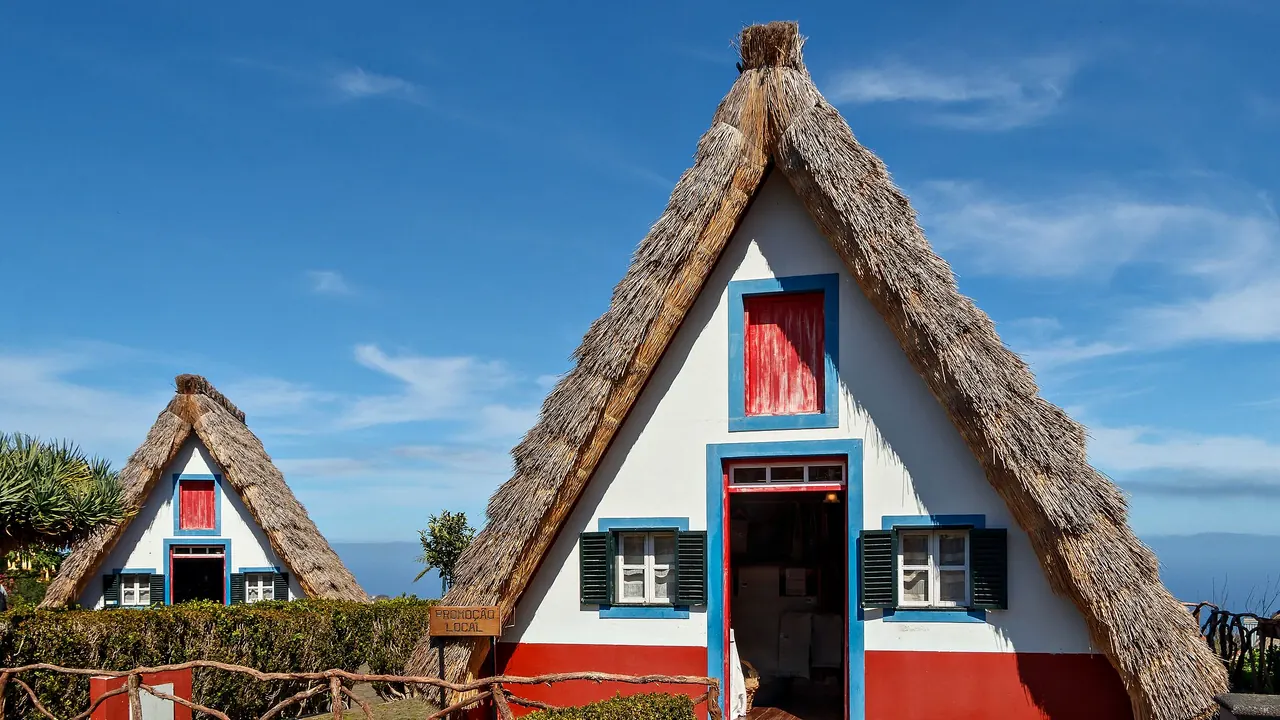
Photos: Madeira by H. Zell, CC BY-SA 3.0, cropped.
La Palma or Madeira?
Our verdict in twelve categories, each scored against the same fixed benchmark cities, and the climate month by month, so you can choose for your trip.
Choose La Palma for
- prices
La Palma is for travellers who want the quieter, wilder island and are happy to make their own evenings. Its draw is the land itself: the Caldera de Taburiente crater, the volcano route down to the black lava of Fuencaliente, and some of the darkest night skies in Europe. Stay in a rural house, walk all day and expect little else. The town life, dining and entertainment are thinner than on Madeira.
Choose Madeira for
- food and drink
- nightlife
- day trips
Madeira gives a more rounded trip from one comfortable base. Funchal adds a proper restaurant scene, wine lodges, the old-quarter bars and easy family outings to walking that matches La Palma's. The fast coastal road also brings most of the island within reach in a day. Choose it if you want the mountains and the levadas, but also a town to come back to in the evening.
Scoreboard
Twelve categories on one fixed scale from 0 to 100. The shaded stretch is the gap between the two.
Your match
Pick a travel style or drag the sliders, and both match scores follow your weighting.
Wins on prices with your weighting.
Wins on food and drink and nightlife with your weighting.
What matters to you?
Category by category
What the scores mean for a trip.
Beaches & swimming
Neither island is made for beach days, and the difference is mainly in the kind of swimming. La Palma's beaches are natural black sand and pebble. The sheltered ones are at Puerto Naos and Tazacorte on the west coast and at Los Cancajos behind its breakwater, and Charco Azul has rock pools.
Madeira swims from lidos, sea ladders and the volcanic pools at Porto Moniz, and it has imported golden sand at Calheta and Machico. Its real advantage is Porto Santo, the neighbouring island, whose long sandy beach is worth a few nights for anyone who wants one.
Food & drink
Madeira eats noticeably better, mostly because of Funchal. The Mercado dos Lavradores, tastings of old vintages in the historic wine lodges, and a range running from grill houses to a few fine-dining rooms give it a depth La Palma does not have. Espetada on bay-wood skewers, scabbardfish with banana and Câmara de Lobos for fish round it out.
La Palma keeps to Canarian country cooking, with mojo potatoes, smoked goat cheese and fish at the Tazacorte harbour. Its wines are the reason to pay attention: Malvasia grown on black ash at Fuencaliente and the piny vino de tea of the north-west.
Culture & sights
La Palma's past reaches back before the Spanish arrived, while Madeira's is a story of sugar and wine merchants. On La Palma, that older layer survives in the spiral petroglyphs of La Zarza and La Zarcita and the cave site of Belmaco. Santa Cruz adds its Renaissance town hall, the churches along Calle Real and the balconied houses on the seafront, and together they fill an easy half-week.
Madeira's merchant heritage is gathered in Funchal: the cathedral with its carved cedar ceiling, the house museums of the old quintas and the lodges where the island's wine is aged. Outside the town, the thatched houses of Santana are the best-known sight, and most visitors have seen it all in a day or two.
Nightlife
Madeira has a modest night out and La Palma barely has one. In Funchal's Zona Velha, small bars and poncha counters fill the painted lanes until late at weekends, and the seafront and hotel district add a few clubs and lounges.
La Palma's evenings come down to a terrace drink on the squares of Santa Cruz or Los Llanos. The exception is the Los Indianos carnival, when the capital turns into a day-long street party in white clothes and talcum powder.
Nature & outdoors
Both are first-rate walking islands, and they differ in character rather than quality. La Palma is steeper and more volcanic. Its trails run down into the Caldera de Taburiente crater, along the Ruta de los Volcanes over cinder cones to the 2021 lava fields, and into the laurel ravine of Los Tilos, and its clear skies make the nights part of the landscape.
Madeira's levadas give long, level paths through its UNESCO-listed laurel forest to waterfalls such as the 25 Fontes, and the Arieiro to Ruivo ridge is a high-mountain day. It also offers more activities: canyoning, paragliding, diving and whale watching.
Day trips
Madeira makes days out easier. The fast road lets you string together Câmara de Lobos, Machico, Santana and the north coast at Porto Moniz in one loop, and Porto Santo is a genuine change of scene by ferry or short flight.
On La Palma, outings stay mostly on the island: gentle days between Tazacorte, San Andrés and the Fuencaliente wineries. The ferries to Tenerife and La Gomera make such long days that most visitors plan those islands as separate stays.
Good for families
Madeira is the easier family choice. Its outings come ready-made: the cable car to Monte and the toboggan ride down, the Porto Moniz aquarium, the lido pools and resort hotels with pools of their own. Porto Santo covers the beach.
La Palma suits older children who enjoy short trails, rock pools at Charco Azul and the volcano and observatory visitor centres. Younger ones have the animal park at Breña Alta and little else, and the winding roads are hard on children prone to car sickness.
Getting around
You will want a car on both islands, but Madeira is quicker to cover. Its tunnelled expressway brings the south coast and much of the north within an hour, central Funchal can be walked, and tours with trail transfers suit those who do not drive.
La Palma's tunnel links Santa Cruz and Los Llanos quickly. Beyond that, hairpin roads make the north slow, and buses to the trailheads are too sparse for walkers, who often need a taxi back to the car.
Shopping & style
Neither is a shopping destination, but Madeira has more to browse. Funchal has its embroidery houses, wine lodges, the fruit and flower market and a couple of shopping centres, and Camacha's wickerwork is a short drive away.
La Palma's pedestrian streets and village farmers' markets are mostly for local things: hand-rolled cigars, El Paso silk, honey, goat cheese and Malvasia.
Affordability
The cost of a stay is broadly similar, and both islands need a hire car. La Palma has a slight edge on daily costs because the low Canary tax keeps fuel and drink cheap, and most beds are in apartments and rural houses. Budget rooms are few, though, so book the winter months early.
On Madeira, poncha, grill houses and the free levadas keep days cheap. The clifftop resorts, the paid canyoning and boat trips and the New Year and Easter peaks are what raise the bill.
Live music & performing arts
Madeira has more to attend, though on neither island is it the reason to go. Funchal's Teatro Baltazar Dias hosts the regional orchestra and plays, the old town has fado evenings, and the Flower Festival and the Atlantic Festival's fireworks add dates to the calendar.
La Palma has the Teatro Circo de Marte, winter concerts and village folk music with the timple. Its great occasion, the Bajada de la Virgen, comes round only every five years.
Wellness & relaxation
Both islands are about slowing down rather than spa treatments, and neither has thermal baths. Madeira has more comfort. Funchal's cliff hotels have proper spas and seawater pools, the garden quintas are calm places to stay, and the botanical and Monte gardens fill an afternoon.
La Palma's calm comes from emptiness. A rural house among vineyards or avocado terraces, long walks and dark night skies make for a deeper kind of switching off.
When should you go?
Pick your month. The climate figures are measured averages, not a forecast.
La Palma in July
Madeira in July
Daytime high, °C
Rainfall in the month, mm
Temperature and rainfall are climate normals, averaged over the years shown. La Palma: 1991-2020 normals, La Palma / Aeropuerto (7.5 km from centre). Madeira: 1991-2020 normals, Funchal (2 km from centre).
The two islands have similar temperatures. Daytime highs stay around 20°C to 22°C in winter and rise to 27°C in late summer, so neither ever gets too hot for walking or too cold for an outdoor lunch on the coast. The sea follows the same pattern on both, coolest in early spring and warm enough for comfortable swimming from about July to October, when it reaches 24°C. Summer is dry on both, with June to August close to rainless.
The difference is the wet season. Around the main areas where visitors stay, La Palma is noticeably drier from autumn through spring. Madeira's rains start in earnest in October and peak at about 104mm in December, while La Palma's wettest month sees about 75mm. Madeira's high trails can also be wet and cold in winter, so late spring and September suit its mountains best. On La Palma, spring and autumn are the prime walking seasons. Both get plenty of sun, with Madeira slightly sunnier through spring and autumn.
Which traveller are you?
For stargazers, La Palma has something Madeira cannot match. The whole island is a protected starlight reserve, and the observatory road climbs to the crater rim above the clouds. Madeira's nights are mild and pleasant, but they are not a reason to come.
On a family trip with children, Madeira makes the days easier to plan. La Palma suits children who love long walks and quiet evenings. On Madeira, a day out rarely means long hours in the car, and there is always a town base to come back to.
On a food and nightlife trip, choose Madeira. La Palma's best food is its wine, and its evenings end when dinner does. On Madeira, Funchal has a wider choice of tables, and its bars are close enough together that dinner can turn into a late night out.
Before you go
| Measure | La Palma | Madeira |
|---|---|---|
| Official language | Spanish | Portuguese |
| Currency | Euro (EUR) | Euro (EUR) |
| Sockets | CF230 V, 50 Hz | CF230 V, 50 Hz |
| Driving side | Right | Right |
| Time zone | UTC, UTC+1 in summer | UTC, UTC+1 in summer |
| Emergency number | 112 | 112 |
| Main airport | La Palma Airport (SPC)22 non-stop destinations | Cristiano Ronaldo International Airport (FNC)46 non-stop destinations |
| Public holidays this year | 12 days | 16 days |
By the numbers
| Measure | La Palma | Madeira |
|---|---|---|
| Population | 86,194 | 254,368 |
| People per km² | 122 | 343 |
| Swim season, months above 21 °C | 7 months | 5 months |
Where else could you go?
Every comparison below shares a destination with this one, so you can follow La Palma or Madeira somewhere new.
- La Gomeravs La Palma
- Tenerifevs La Palma
- Gran Canariavs La Palma
- Fuerteventuravs La Palma
- Lanzarotevs La Palma
- Canary Islandsvs Madeira