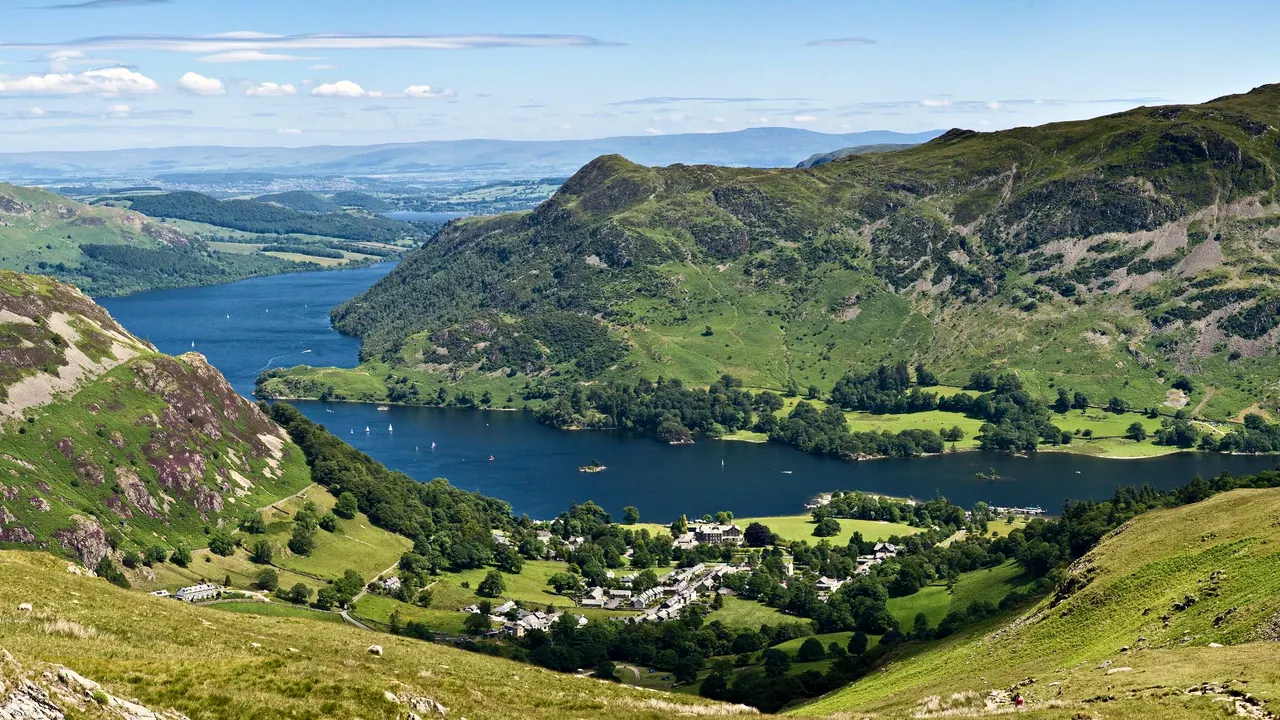
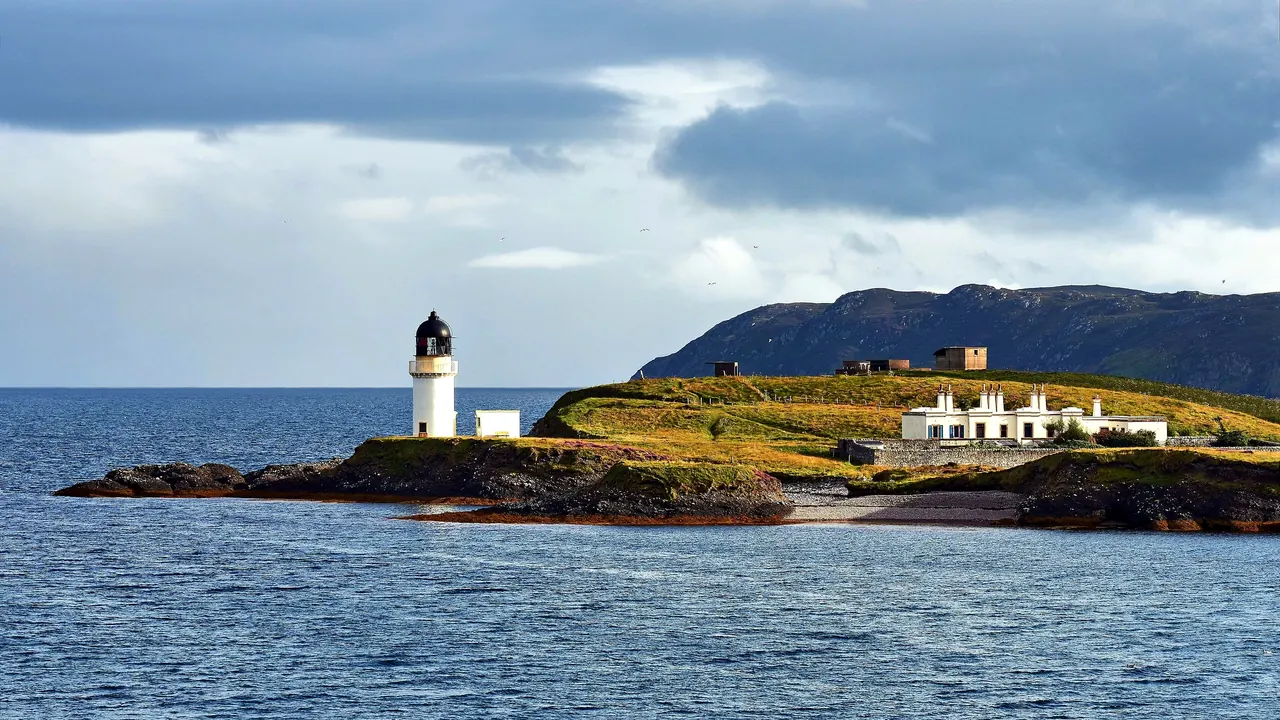
Photos: Lake District by Diliff, CC BY-SA 3.0, cropped; Outer Hebrides by Virtual-Pano, CC BY-SA 4.0, cropped.
Lake District or Outer Hebrides?
Our verdict in twelve categories, each scored against the same fixed benchmark cities, and the climate month by month, so you can choose for your trip.
Choose Lake District for
- day trips
- families
- food and drink
Choose the Lake District for a walking trip with comforts close by. The fells and long lakes give the finest hill days in England, and the valleys are close together, so one village base can reach lake steamers, the Wordsworth and Beatrix Potter houses, market towns and a pub supper by the fire. It suits families, couples who want a spa after a day on the hills, and anyone who would rather arrive by train.
Choose Outer Hebrides for
- beaches
- shopping
- prices
The Outer Hebrides are for travellers who value distance and emptiness more than convenience. Here you go for white Atlantic strands with nobody on them, eagles and otters, the Calanais stones and an island life still lived in Gaelic, and to reach it you need a ferry crossing and long single-track drives. Bring a car, waterproofs and a liking for quiet evenings, and expect fewer places to eat and less laid on.
Scoreboard
Twelve categories on one fixed scale from 0 to 100. The shaded stretch is the gap between the two.
Your match
Pick a travel style or drag the sliders, and both match scores follow your weighting.
Wins on day trips and families with your weighting.
Wins on beaches and shopping with your weighting.
What matters to you?
Category by category
What the scores mean for a trip.
Beaches & swimming
Neither is a place for swimming in warm water, but the Outer Hebrides have the real beaches. Luskentyre, Scarista, Uig Sands and the twin bays of Vatersay are long white strands backed by dunes, turquoise in sunshine and often empty.
In the Lake District you swim in lakes and tarns from shingle shores and jetties, which are a few degrees kinder than the Atlantic in August but are a bracing break in a walking day rather than a beach day. Its sand lies out on the Cumbrian coast and is better for a stroll.
Food & drink
The Lake District eats better and more easily. Nearly every village has a slate-floored pub serving Herdwick lamb and Cumberland sausage, and the southern Lakes around Cartmel have country-house cooking worth the journey.
The Hebrides have the finer raw ingredients, such as langoustines, scallops and Stornoway black pudding, but few places to eat them outside Stornoway and Harris, and many of those close on Sundays and in winter. Plan to self-cater and buy straight from the pier.
Culture & sights
Both have a short list of sights spread along the roads rather than gathered in one town, but they tell different stories. The Lake District's heritage is literary: Wordsworth at Grasmere, Beatrix Potter at Hill Top and Ruskin at Brantwood, with Castlerigg and grand houses such as Levens Hall alongside.
The Hebrides reach further back and feel more foreign. They have the Calanais stones, the Dun Carloway broch, thatched blackhouses, Kisimul Castle and the Lewis Chessmen at Stornoway, and Gaelic is heard every day.
Nightlife
Both are places for early nights. The Lake District has a little more choice, with walkers filling the pubs of Ambleside, Keswick and Bowness and a few livelier bars in summer. On the islands an evening out means a hotel bar or a Stornoway pub, perhaps with a traditional music session, and Sundays on Lewis and Harris are almost silent.
Nature & outdoors
These are two of Britain's great outdoor regions, and the Lake District is the stronger for walking and climbing. It has Helvellyn by Striding Edge, Scafell Pike and the Langdale Pikes, along with sailing and paddling on the big lakes, and its routes are well trodden and easy to reach.
The Hebrides offer emptiness and wildlife instead: the rough Harris hills, the machair and lochans of the Uists, eagles, otters and seals, surf on the Lewis west coast, sea kayaking and the long Hebridean Way. In both, wind and rain decide the day.
Day trips
The Lake District has far more within a day's reach. Kendal, Cockermouth and Cartmel are inside the region, and Carlisle, Hadrian's Wall, Lancaster and the Yorkshire Dales lie just beyond it.
In the Hebrides a day out means crossing by causeway or short ferry to the next island, and what you find there is usually a harbour and a stretch of coast rather than a town. The crossing to Skye for Portree is the one real change of scene.
Good for families
The Lake District is more practical with children. Beyond the steamers and the railway there is an aquarium at the foot of Windermere, climbing and ghyll scrambling for older children, and pubs that welcome families in easy bases such as Ambleside, though wet days are still hard to fill.
The Hebrides give children the freedom of empty sand and the chance to watch seals, but nothing is built for them apart from Stornoway's pool, and the drives between places are long and single-track.
Getting around
Both are easier with a car, but to different degrees. In the Lake District you can stay without one: a train to Windermere, buses between the central villages and the lake steamers make it workable. The western valleys still need a car, though, and the roads around Windermere and Keswick jam in summer.
The Hebrides need a car outright. There are about 210km of mostly single-track road, the busy-season ferries must be booked, buses are sparse and on Lewis and Harris barely run on Sundays. The roads are quiet, though, and cyclists ride the Hebridean Way.
Shopping & style
The Hebrides have the better thing to take home: Harris Tweed, bought from the weavers' own sheds on Lewis and Harris, with knitwear, pottery and island gin alongside. The Lake District's strength is practical. Ambleside and Keswick are lined with outdoor kit shops, and there are galleries, Herdwick wool and mint cake, but nobody goes there for the shops.
Affordability
In the Lake District the money goes on where you sleep and park. Cottages, B&Bs and country-house hotels in the popular villages charge for high demand from July to September, in the school breaks and at weekends, and pub meals and car parks add to the bill. The long tradition of youth hostels, bunkhouses and campsites keeps walkers on a budget going.
On the islands the bed matters less than the journey. Car hire and the vehicle ferry push the cost up, food costs more because it is shipped in, and with few rooms to go round, the good ones are taken early. Self-catering, campervans and campsites bring the cost down. In both places the fells, sands and walks are free, and rates ease outside the main season.
Live music & performing arts
Neither offers much, and what there is takes different forms. The Lake District leans to staged theatre, with the repertory season at Theatre by the Lake in Keswick, Kendal's arts centre and its mountain festival each November. In the Hebrides the music is part of everyday life: Gaelic song, ceilidhs in village halls and the Hebridean Celtic Festival in Stornoway every July.
Wellness & relaxation
The Lake District gives you more ways to slow down. Away from Bowness and outside the summer peak, valleys such as Buttermere and Wasdale are quiet enough that a gentle walk, a fire and an early night fill the day, and a comfortable lakeside hotel is never far away when you want to be looked after. The local tonic is a cold swim in a tarn, which some keep up right through the winter.
On the Hebrides, rest is plainer and more solitary. A cottage by a sea loch, empty roads and summer light that lasts deep into the evening set an unhurried pace. The islands add little beyond that, though, so travellers who want comfort and pampering will find almost nothing on offer.
When should you go?
Pick your month. The climate figures are measured averages, not a forecast.
Lake District in July
Outer Hebrides in July
Daytime high, °C
Rainfall in the month, mm
Where the figures come from
Lake District's temperatures are measured 37 km from the centre, at Walney Island.
Lake District has no rain gauge within 25 km of the centre, so its rainfall comes from a gridded climate dataset read at the destination rather than from a gauge further away.
Lake District's sunshine is measured 90 km from the centre, at Leeming.
Temperature and rainfall are climate normals, averaged over the years shown. Lake District: 1991-2020 normals, Walney Island (36.8 km from centre). Outer Hebrides: 1991-2020 normals, Stornoway (4.1 km from centre).
Neither is ever warm. Summer highs reach about 18°C in the Lake District and 16°C in the Outer Hebrides, so both are walking weather rather than beach weather. The Lake District is much the wetter of the two. Rain is heaviest from October to January, peaking around 208mm in December, while April to June is the drier, brighter stretch and May is the sunniest month. Winter days on the fells are short, dull and cold.
The islands are drier, and May and June are their best months, with around 65mm of rain and long sunny days, especially in May. The sunshine fades through July and August. In summer the Atlantic around the islands is colder than the Irish Sea off Cumbria, reaching only about 13°C, though it is slightly milder in winter. From October both turn wet and dark, and the island winter is the gloomier of the two.
Which traveller are you?
On a family trip with children, the Lake District is the easier choice. Lake steamers, the miniature railway up Eskdale, Beatrix Potter's world and short lakeside walks keep young children busy, while the islands offer little beyond beaches and rock pools.
For a relaxing and wellness trip, the Lake District comes out ahead again, because lakeside hotels around Windermere and Ullswater pair a day's walking with a pool and a treatment room. The Hebrides give stillness and long evening light but almost no spa.
For wildlife watchers, the Outer Hebrides have what the Lakes lack: golden and white-tailed eagles over Harris, otters on quiet shores, corncrakes in the Uists, seals, and summer boats to the seabird cliffs of St Kilda. The Lake District is about fells rather than animals.
Before you go
| Measure | Lake District | Outer Hebrides |
|---|---|---|
| Official language | English | English |
| Currency | Pound Sterling (GBP) | Pound Sterling (GBP) |
| Sockets | G230 V, 50 Hz | G230 V, 50 Hz |
| Driving side | Left | Left |
| Time zone | UTC, UTC+1 in summer | UTC, UTC+1 in summer |
| Emergency number | 112 or 999 | 112 or 999 |
| Main airport | Manchester Airport (MAN)211 non-stop destinations | Stornoway Airport (SYY)6 non-stop destinations |
| Public holidays this year | 8 days | 10 days |
By the numbers
| Measure | Lake District | Outer Hebrides |
|---|---|---|
| Population | - | 26,720 |
| People per km² | - | 9 |
| Swim season, months above 21 °C | None | None |
Where else could you go?
Every comparison below shares a destination with this one, so you can follow Lake District or Outer Hebrides somewhere new.
- Yorkshire Dalesvs Lake District
- Isle of Skyevs Outer Hebrides
- Northumberlandvs Lake District
- Scottish Highlandsvs Outer Hebrides
- Peak Districtvs Lake District
- Snowdoniavs Lake District