United Kingdom
Outer Hebrides
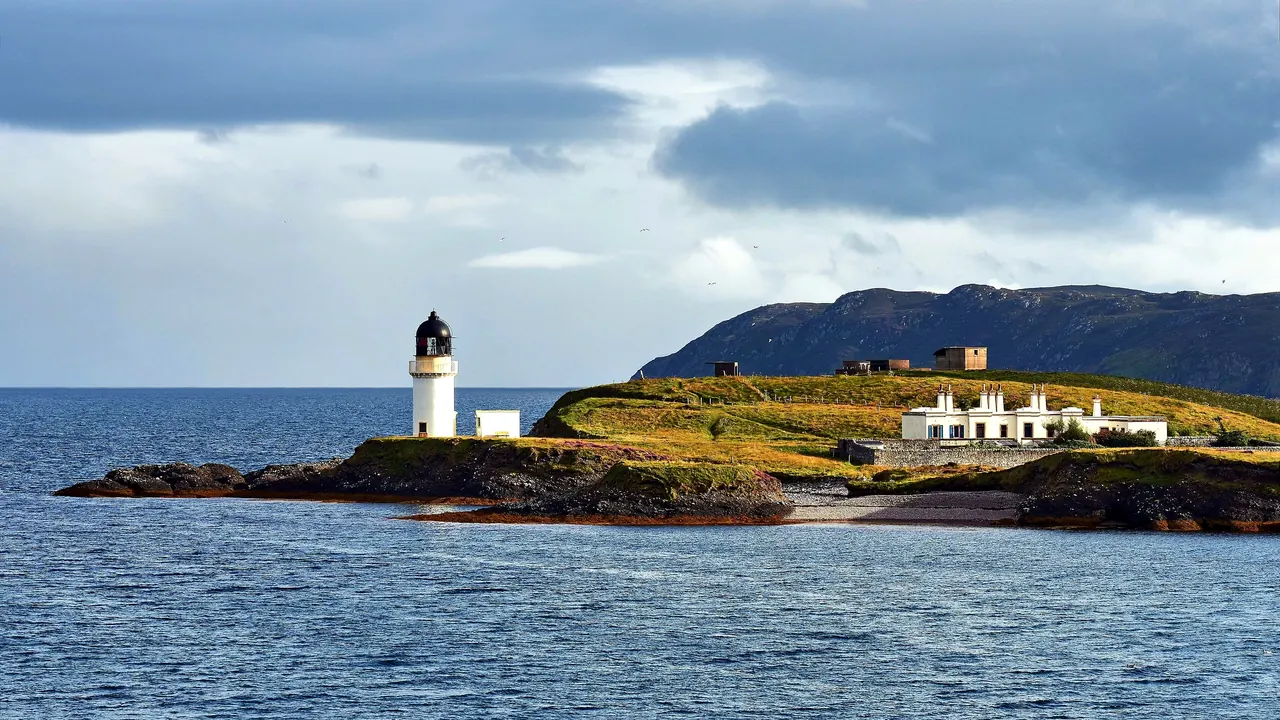
Arnish Point lighthouse at the entrance to Stornoway
- Nature & outdoors79
- Culture & sights42
- Day trips36
Photo: Virtual-Pano, CC BY-SA 4.0, cropped
Match
35
Every category weighted equally
- Beach & sun35
- Culture & arts34
- Food & nightlife30
- Family trip39
- Outdoors42
- Relax & unwind38
- Shopping & style33
- On a budget35
Outer Hebrides in twelve categories
Our verdict on each, scored 0 to 100 against the same fixed benchmark cities, so a score means the same thing on every page.
Beaches & swimming. Scores 28 out of 100.
Food & drink. Scores 32 out of 100.
Culture & sights. Scores 42 out of 100.
Nightlife. Scores 8 out of 100.
Nature & outdoors. Scores 79 out of 100.
Day trips. Scores 36 out of 100.
Good for families. Scores 36 out of 100.
Getting around. Scores 36 out of 100.
Shopping & style. Scores 33 out of 100.
Affordability. Scores 34 out of 100.
Live music & performing arts. Scores 25 out of 100.
Wellness & relaxation. Scores 36 out of 100.
Outer Hebrides category by category
Beaches & swimming
28The beaches are beautiful, but the sea is cold. Long white strands backed by dunes and machair line the west coast of Harris at Luskentyre, Seilebost and Scarista, and Uig Sands on Lewis, Huisinis, the empty shores of South Uist and the twin bays of Vatersay add many more. In sunshine the shallows turn turquoise, and often nobody else is there.
Even in August the Atlantic reaches only about 13°C to 14°C, so swimming means a short, bracing dip, and a wetsuit makes a longer one possible. A small group of hardy wild swimmers goes in all summer, but most visitors walk the sand, picnic in the dunes and paddle at the edge on calm days from June to September. Wind and showers often cut beach time short. Anyone hoping to spend their days lying in the sun and swimming in warm water should go elsewhere.
Food & drink
32The produce is outstanding and the eating scene is small. Langoustines, scallops, crab and lobster come straight off island boats, Hebridean smoked salmon is cured locally, and Stornoway black pudding is the islands' signature. Lamb raised on the machair and the local gin, flavoured with sugar kelp, round it out.
Where to eat is the limitation. Stornoway has the widest choice, and Harris has a handful of good small restaurants and cafés, but elsewhere options thin to a hotel bar or a village shop. Many places close in winter and on Sundays, and summer tables need booking. Most visitors self-cater for part of the stay and buy seafood from the pier or the smokehouse.
Culture & sights
42The islands' heritage is old and stark. The Calanais Standing Stones on Lewis, a cross-shaped stone circle older than Stonehenge's great circle, are the headline sight and best seen in low evening light. Nearby stand the Dun Carloway broch, an Iron Age stone tower still largely intact, and the restored thatched blackhouses of Gearrannan and Arnol, which show how island families lived into the twentieth century.
Further south are St Clement's Church at Rodel, with its carved medieval tomb, and Kisimul Castle on its rock in Castlebay harbour, reached by small boat. Museum nan Eilean in Lews Castle at Stornoway displays some of the Lewis Chessmen. Gaelic is spoken daily, which shapes the place more than any monument. It is a short list, though, spread along many miles of road.
Nightlife
8Going out means a pint in a hotel bar or one of Stornoway's few pubs, where a session of traditional music may start up on a weekend evening. There are no clubs and villages are quiet after dinner. On Lewis and Harris the Sabbath is still widely kept, so Sundays are especially still. Visitors come for long light evenings outdoors, not nights out.
Nature & outdoors
79This is a landscape of bare rock, peat moorland, thousands of lochans and Atlantic light. North Harris rises to the Clisham at 799m, with rough hill walking and a sense of real emptiness, while South Harris is a lunar terrain of grey gneiss dropping to white sand. The Uists are flat, watery and full of birds, and their spring and summer machair flowers are a sight in themselves.
Wildlife is a main reason to come: golden and white-tailed eagles over Harris, otters on quiet shores, corncrakes calling in the Uists, seals and, offshore, dolphins and basking sharks. The Hebridean Way runs for cycling and walking from Vatersay to the Butt of Lewis, the Lewis west coast has serious surf, and the sheltered sounds suit sea kayaking. Boats run in summer to St Kilda, whose cliffs and seabird colonies are among the most dramatic in the Atlantic. Wind and rain shape every plan; May to September is the season.
Day trips
36Day trips here are island-hopping. Causeways link the chain from Berneray through North Uist, Benbecula and South Uist to Eriskay, and short ferries cross from Harris to Berneray and from Eriskay to Barra, so a single base can reach a different island each day. Scalpay and Great Bernera, both joined by bridges, make quieter outings.
What lies at the end of each trip is usually a village, a harbour and a stretch of coast rather than a town. The ferry from Tarbert to Uig on Skye opens up Portree for a long day out. Stornoway is the only place with the feel of a town, so a visitor who likes variety of towns and sites will find the options thin.
Good for families
36It is a safe, unhurried place where children can run free on empty beaches, hunt in rock pools, watch seals and spot eagles. Self-catering cottages make stays with children practical, and Stornoway has a leisure centre with a pool for wet days.
That is close to the full list. There are no attractions made for children, the sea is too cold for long swims, rain and wind can keep everyone indoors, and getting anywhere means long drives on single-track roads. Families who love the outdoors and bring waterproofs do well; those needing entertainment will struggle.
Getting around
36A car is essential. The islands run for about 210km from the Butt of Lewis to Vatersay, linked by causeways and two short ferry crossings, and much of the road is single-track with passing places, so distances take longer than they look. Traffic is light and driving is calm, but sheep on the road and oncoming vehicles demand patience.
Buses connect the main villages but run infrequently, and on Lewis and Harris barely at all on Sundays. Cycling the Hebridean Way is popular in summer, though headwinds can be punishing. Inter-island ferries need booking in the busy months. Nothing here is walkable beyond a village.
Shopping & style
33Harris Tweed is the reason to shop: the cloth is woven by hand in islanders' homes, and many weavers sell lengths, bags and jackets from sheds beside their houses on Lewis and Harris. Small studios sell knitwear, pottery, jewellery and prints, and island gin and smoked fish make good things to take home. Beyond that, Stornoway has a modest high street and the rest is village shops.
Affordability
34The islands are not cheap in summer, when most visitors come. Rooms and cottages are limited, so prices are firm and good places go early. Car hire and vehicle ferries add a lot to the cost, and food in shops and restaurants costs more than on the mainland because everything is shipped in.
The main sights, beaches and walks are free, and self-catering, campervans and campsites make longer stays cheaper. Spring and early autumn bring better rates and more choice.
Live music & performing arts
25Traditional music and Gaelic song are part of island life rather than a show, but there is little formal stage to see them on. The Hebridean Celtic Festival brings bands to Stornoway every July, the town's arts centre has a small programme of concerts, film and theatre, and village halls host ceilidhs and fèis events in summer. Outside these, live performance depends on catching a pub session or a local gathering.
Wellness & relaxation
36Rest here comes from the place itself rather than from spas. Days are quiet, roads are empty, summer light lasts deep into the evening, and Sundays on Lewis and Harris bring a near-total stillness. A cottage by a sea loch is the classic way to unwind.
There is no bathing tradition and almost no spa offer, only the odd hotel treatment room and the pool in Stornoway. Visitors looking for thermal baths or massage should look elsewhere.
Where to stay in Outer Hebrides
Stornoway is the only town and the practical base for Lewis. It has the widest choice of places to eat, a few pubs, the arts centre and a pool for wet days. The Calanais Standing Stones, Dun Carloway and the blackhouse villages are an easy drive away. It suits a first visit, families who want some facilities nearby and anyone who likes a little evening life.
Harris is where many visitors picture themselves staying. Tarbert, the ferry port, has a few shops and small restaurants. A cottage above the sands at Luskentyre or Scarista suits beach walks, hill days on the Clisham and a quiet stay where Sundays are almost silent. Lewis and Harris share one landmass, so a base on either reaches the other in a day, and together they make the best first trip.
The Uists and Barra suit a second visit. North Uist, Benbecula and South Uist are flat and watery, with machair flowers and birdlife, and they suit birdwatchers, cyclists and anyone after empty shores. Castlebay on Barra is a small harbour village below Kisimul Castle, with the bays of Vatersay a short drive away. The chain runs for about 210km on slow single-track roads. If you want to see all of it in a week, split the stay between a base in the north and one in the south.
When should you go?
Pick a month to see what it is like. The climate figures are measured averages, not a forecast.
Outer Hebrides in July
Daytime high, °C
Rainfall in the month, mm
The whole year
Shaded against this destination’s own year: the deepest cell is its best month for that figure and the palest its weakest.
Temperature and rainfall are climate normals, averaged over the years shown. Outer Hebrides: 1991-2020 normals, Stornoway (4.1 km from centre).
Before you go
| Measure | Outer Hebrides |
|---|---|
| Official language | English |
| Currency | Pound Sterling (GBP) |
| Sockets | G230 V, 50 Hz |
| Driving side | Left |
| Time zone | UTC, UTC+1 in summer |
| Emergency number | 112 or 999 |
| Main airport | Stornoway Airport (SYY)6 non-stop destinations |
| Public holidays this year | 10 days |
By the numbers
| Measure | Outer Hebrides |
|---|---|
| Population | 26,720 |
| People per km² | 9 |
| Swim season, months above 21 °C | None |
Compare Outer Hebrides with
Every comparison with a written verdict behind it.
- Cornwall
- Cotswolds
- Devon
- Isle of Skye
- Isle of Wight
- Isles of Scilly
- Jurassic Coast
- Lake District
- Northumberland
- Orkney
- Peak District
- Pembrokeshire
- Scottish Highlands
- Snowdonia
- Yorkshire Dales