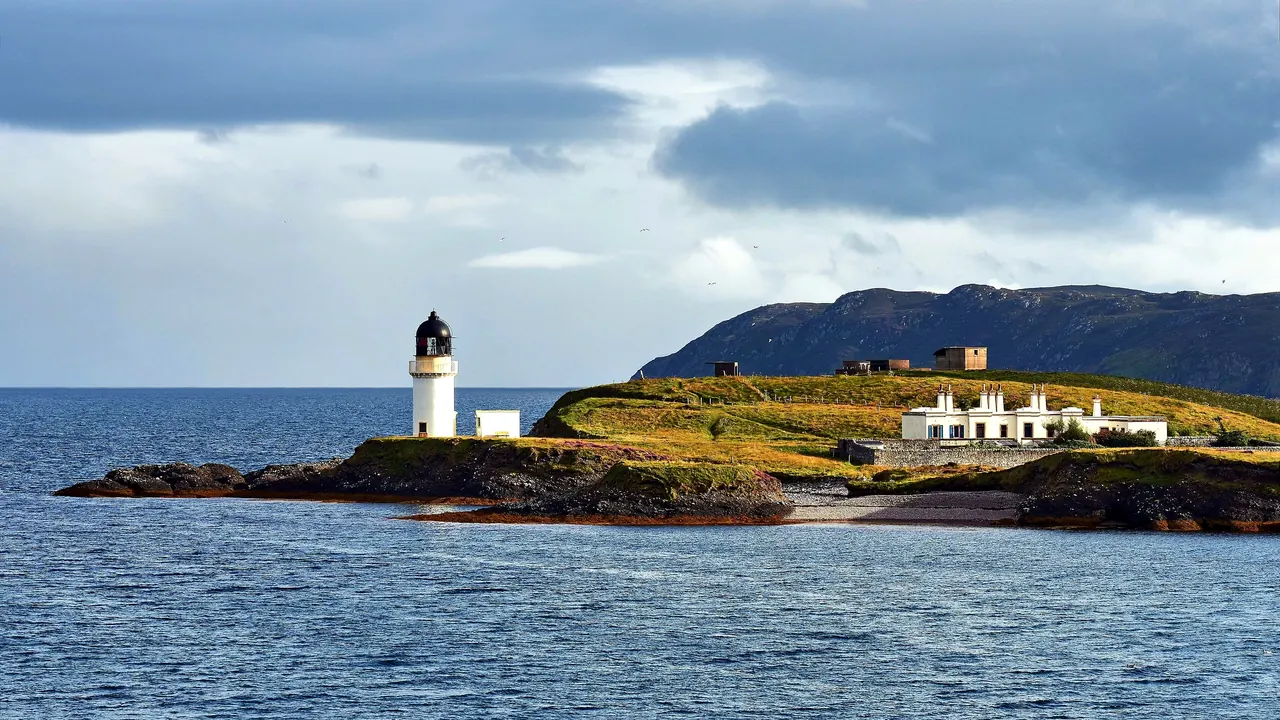
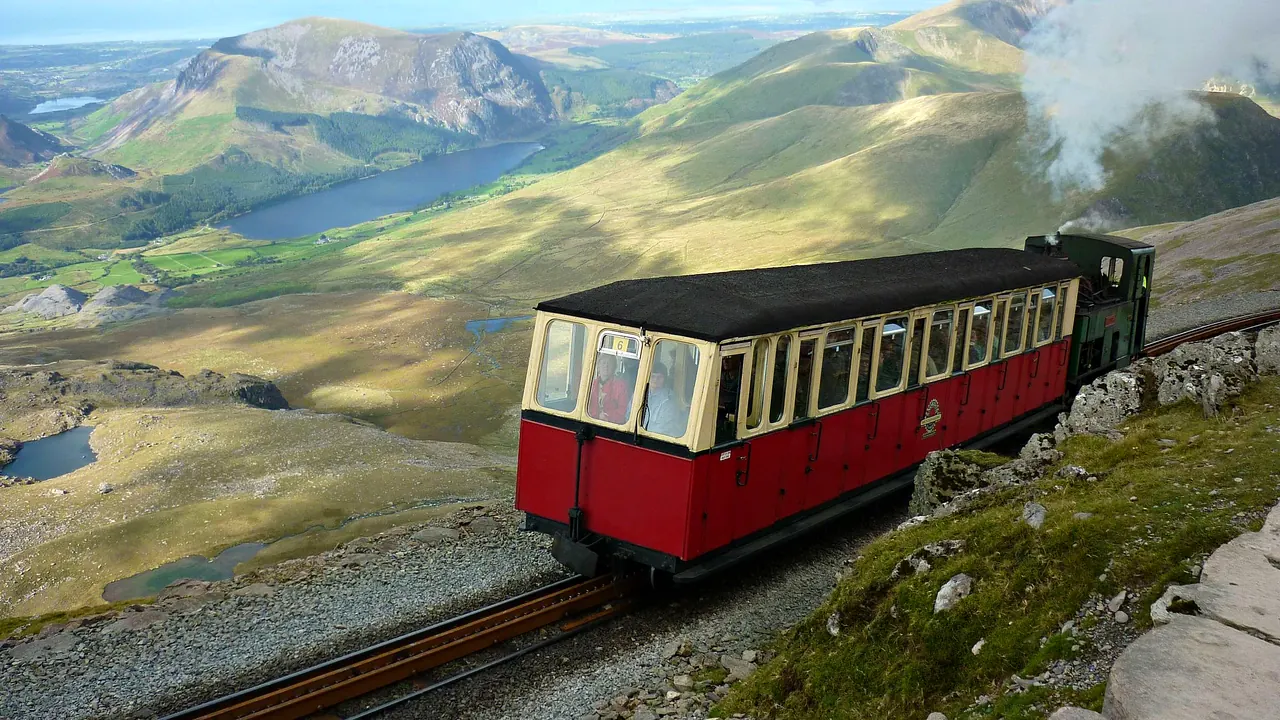
Photos: Outer Hebrides by Virtual-Pano, CC BY-SA 4.0, cropped; Snowdonia by Porius1, CC BY-SA 3.0, cropped.
Outer Hebrides or Snowdonia?
Our verdict in twelve categories, each scored against the same fixed benchmark cities, and the climate month by month, so you can choose for your trip.
Choose Outer Hebrides for
- shopping
- live music and the arts
- wellness
The Outer Hebrides suit travellers who want distance from everything: empty white beaches, eagles and otters, Gaelic spoken in the shops, and evenings of long northern light with nobody about. It is a place for a slow road trip down the island chain or a week in one cottage by a sea loch, and it rewards people who need little laid on for them. Harris Tweed bought from the weaver's shed and the stillness of a Lewis Sunday are part of the appeal.
Choose Snowdonia for
- day trips
- families
- culture and sights
Snowdonia is the better pick for an active trip with more to fill the days. The mountains are higher and the outdoor menu runs from scrambling on Tryfan to rafting and mountain biking. Edward I's castles, slate heritage and steam railways sit close together, and Caernarfon, Conwy and Anglesey are easy outings. Families and anyone who likes variety will find it easier going, and a little cheaper.
Scoreboard
Twelve categories on one fixed scale from 0 to 100. The shaded stretch is the gap between the two.
Your match
Pick a travel style or drag the sliders, and both match scores follow your weighting.
Wins on shopping and live music and the arts with your weighting.
Wins on day trips and families with your weighting.
What matters to you?
Category by category
What the scores mean for a trip.
Beaches & swimming
On sand alone the Outer Hebrides may be the more striking. Luskentyre, Seilebost and Vatersay are white, turquoise in sunshine and often completely empty, but the Atlantic barely reaches the low teens even in August.
Snowdonia's Cardigan Bay beaches at Harlech, Black Rock Sands and Barmouth are broader, busier and a little warmer in the water, with the Llŷn coves nearby. In both, swimming is a brisk wetsuit affair, and the beach is an afternoon out, not the point of the trip.
Food & drink
Neither place is a food destination, and the difference is in what you eat. In the Hebrides it is the raw material: langoustines and scallops off the boats, local smoked salmon and Stornoway black pudding, often cooked in your own cottage because restaurants are few outside Stornoway and Harris.
Snowdonia eats like walking country. Expect pub lamb, cawl, tea-room bara brith and big breakfasts in Llanberis and Capel Curig, plus a few serious country-house kitchens on the fringes and Menai Strait seafood.
Culture & sights
Snowdonia has more to see and it sits closer together. Harlech Castle, the princes' strongholds at Dolwyddelan and Dolbadarn, the slate landscape with its museum at Llanberis, the Ffestiniog railway and the oddity of Portmeirion make several full days.
The Hebrides offer fewer but older and starker sights. The Calanais Stones, Dun Carloway broch, the Gearrannan blackhouses and the Lewis Chessmen in Stornoway are strung out along a long road. Both have a living minority language, Gaelic in one and Welsh in the other, that gives everyday life its character.
Nightlife
Both go quiet early, so neither is the place for a night out. The Hebrides are the more hushed, with a few Stornoway pubs, a weekend music session if you are lucky, and Sabbath stillness on Lewis and Harris. Snowdonia's evenings revolve around climbers' inns in Llanberis, Capel Curig and Betws-y-Coed, which can be lively on summer weekends.
Nature & outdoors
Both are superb, and Snowdonia comes out ahead for range and activity. Yr Wyddfa, the Crib Goch ridge, Tryfan's scrambles and the climbing cliffs of the Llanberis Pass are joined by mountain biking at Coed y Brenin, white water on the Tryweryn and sailing on Llyn Tegid.
The Hebrides trade height for emptiness and wildlife. Eagles over Harris, otters, corncrakes in the Uists, machair in flower and summer boats to St Kilda's seabird cliffs make it the stronger choice for naturalists, and the west coast of Lewis has serious surf.
Day trips
Snowdonia is much better placed for outings. Caernarfon and Conwy with their castles and walls, Beaumaris across the Menai, Victorian Llandudno, Bodnant Garden and Penrhyn Castle are all within easy reach, and Chester can be done in a day.
From the Hebrides, a day out means hopping by causeway and short ferry to the next island, ending at a harbour or a beach rather than a town. The ferry to Skye for Portree is the main change of scene.
Good for families
Snowdonia gives children far more to do. Mountain and narrow-gauge railways, underground slate tours, long zip lines, woodland adventure parks and lake paddling at Llanberis and Bala fill wet and dry days alike.
The Hebrides are safe and wonderfully free for outdoor children, with empty sands, rock pools and seals. Beyond Stornoway's leisure pool, though, there is nothing made for them, and long single-track drives test young passengers.
Getting around
You will want a car in both, but the driving is different. The Hebrides stretch about 210km along single-track roads and booked ferries, calm but slow, with buses that barely run on Lewis and Harris on Sundays.
Snowdonia is more compact but busier, with summer-weekend jams and trailhead car parks at Pen-y-Pass and Ogwen full early. Its Conwy Valley and Cambrian Coast railways and the Sherpa'r Wyddfa buses make a car-free walking trip possible with some planning.
Shopping & style
The Hebrides have the better reason to shop: Harris Tweed bought straight from weavers on Lewis and Harris, plus knitwear, pottery and kelp-flavoured gin. Snowdonia's offer is more practical, with outdoor gear in Betws-y-Coed, woollen-mill blankets, slate crafts and Portmeirion pottery, and nobody plans a visit around it.
Affordability
Snowdonia is the easier place to keep costs down. Campsites, bunkhouses and youth hostels are plentiful, it is reachable by train, and the hills cost nothing, though cottages and family attractions add up in summer.
The Hebrides cost more to reach and to stay in. Vehicle ferries and car hire are a large part of the bill, rooms are scarce in summer, and food in the shops is shipped in. Self-catering and camping help, and spring and early autumn are kinder in both places.
Live music & performing arts
The Hebrides have slightly more on stage. The Hebridean Celtic Festival fills Stornoway each July, the town's arts centre runs a small programme, and summer ceilidhs and fèis events bring Gaelic song to village halls.
Snowdonia's live culture is mainly choral. Male voice choir rehearsals and local eisteddfodau are a real draw for anyone curious about Welsh, but for theatre you leave the park for Bangor, Caernarfon or Llandudno.
Wellness & relaxation
Neither has a spa culture, so rest in both comes from the landscape. The Hebrides offer the deeper quiet, with a cottage by a sea loch, empty roads and near-total Sunday stillness on Lewis and Harris. Snowdonia offers a few country-house hotel spas and yoga retreats, cold-water dips in lakes, and the tired contentment of a hill day ending by a log burner in Beddgelert.
When should you go?
Pick your month. The climate figures are measured averages, not a forecast.
Outer Hebrides in July
Snowdonia in July
Daytime high, °C
Rainfall in the month, mm
Where the figures come from
Snowdonia's temperatures are measured 52 km from the centre, at Valley.
Snowdonia has no rain gauge within 25 km of the centre, so its rainfall comes from a gridded climate dataset read at the destination rather than from a gauge further away.
Temperature and rainfall are climate normals, averaged over the years shown. Outer Hebrides: 1991-2020 normals, Stornoway (4.1 km from centre). Snowdonia: 1991-2020 normals, Valley (51.8 km from centre).
Both are cool, wet places where late spring and summer are the only real season, but Snowdonia is a few degrees milder and noticeably sunnier all year. In the Outer Hebrides, measured around the main settled coast, summer highs only reach about 16°C. May and June are the driest months, May is the sunniest, and the rain builds steadily from September into a wet, dark winter. The sea stays cold all year, so beach days mean walking and paddling at any time.
Snowdonia peaks at around 19°C in July and August, and May is both its driest and its sunniest month, which makes late spring a strong time for the hills. The Irish Sea warms to about 16°C by late summer and holds that into September, the best time for a dip on the Cardigan Bay sands. October to January bring the heaviest rain and real mountain conditions on the summits. For both, May to September is the window. The Hebrides are best early in it and Snowdonia stays good into early autumn.
Which traveller are you?
On a relaxing and wellness trip, the Outer Hebrides give the deeper rest. Neither place has a spa culture, so quiet is what counts, and a cottage by a sea loch, empty roads and still Lewis Sundays ask almost nothing of you.
For an outdoors trip, the Outer Hebrides suit walkers and wildlife watchers who would rather have solitude and eagles than variety. Snowdonia is the stronger choice if you want something new each day: Yr Wyddfa, a Tryfan scramble, Coed y Brenin's bike trails or white water on the Tryweryn.
On a family trip with children, the Hebrides suit only families who are happy with beaches, rock pools, seals and whatever weather comes. Snowdonia is less work. Its steam railways, slate caverns and zip lines give wet days a plan, though reaching them means driving between valleys.
Before you go
| Measure | Outer Hebrides | Snowdonia |
|---|---|---|
| Official language | English | English |
| Currency | Pound Sterling (GBP) | Pound Sterling (GBP) |
| Sockets | G230 V, 50 Hz | G230 V, 50 Hz |
| Driving side | Left | Left |
| Time zone | UTC, UTC+1 in summer | UTC, UTC+1 in summer |
| Emergency number | 112 or 999 | 112 or 999 |
| Main airport | Stornoway Airport (SYY)6 non-stop destinations | Liverpool John Lennon Airport (LPL)75 non-stop destinations |
| Public holidays this year | 10 days | 8 days |
By the numbers
| Measure | Outer Hebrides | Snowdonia |
|---|---|---|
| Population | 26,720 | - |
| People per km² | 9 | - |
| Swim season, months above 21 °C | None | None |
Where else could you go?
Every comparison below shares a destination with this one, so you can follow Outer Hebrides or Snowdonia somewhere new.
- Isle of Skyevs Outer Hebrides
- Peak Districtvs Snowdonia
- Scottish Highlandsvs Outer Hebrides
- Lake Districtvs Snowdonia
- Yorkshire Dalesvs Snowdonia
- Pembrokeshirevs Snowdonia