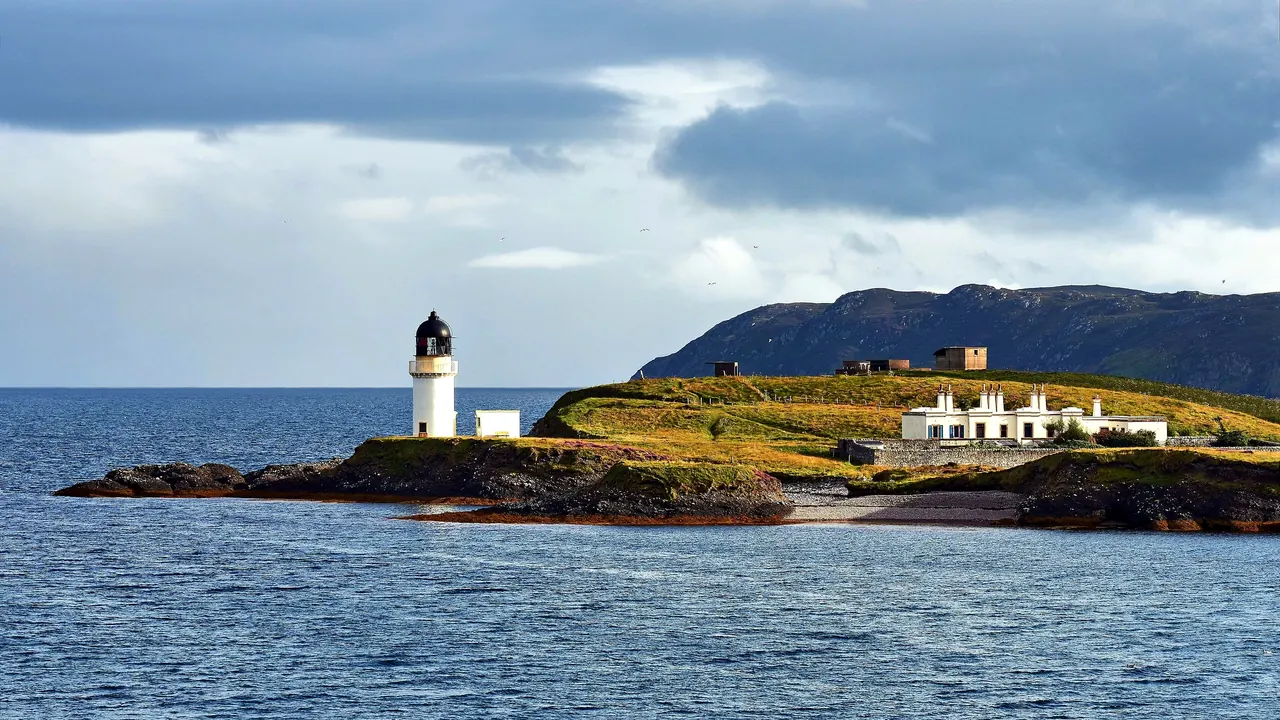
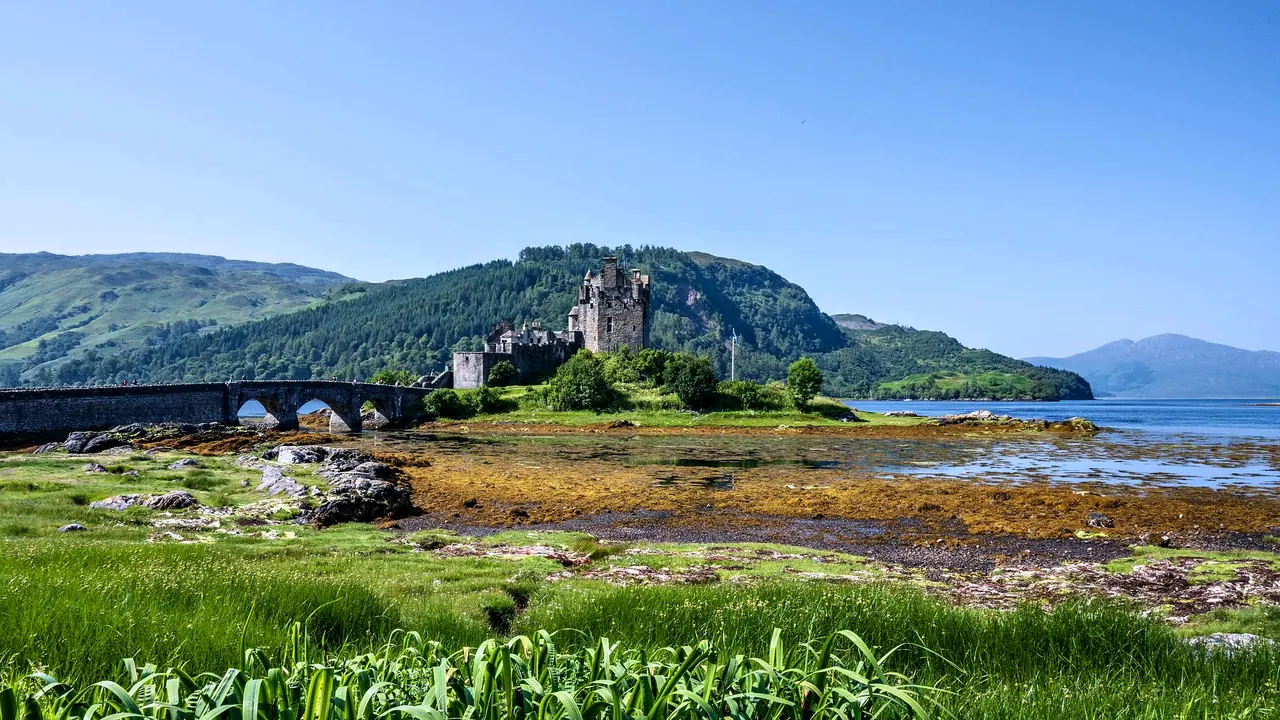
Photos: Outer Hebrides by Virtual-Pano, CC BY-SA 4.0, cropped; Scottish Highlands by Evelin Magnus, Pexels License.
Outer Hebrides or Scottish Highlands?
Our verdict in twelve categories, each scored against the same fixed benchmark cities, and the climate month by month, so you can choose for your trip.
Choose Outer Hebrides for
- getting around
- shopping
- beaches
The Outer Hebrides suit travellers who want one long island chain to themselves: white strands on Harris with nobody on them, the Calanais stones in evening light, Gaelic in the shops and Sundays of near-total stillness on Lewis and Harris. A single road links everything from the Butt of Lewis to Vatersay, so it works for a slow, self-catering stay built around walking, wildlife and Harris Tweed, as long as you can do without restaurants and nights out.
Choose Scottish Highlands for
- day trips
- food and drink
- nightlife
For more mountains, more choice at the table and more to see on a day out, the Highlands are the stronger pick. Glencoe, the Cuillin and the Cairngorms give far bigger hill country, harbour towns like Oban and Portree add seafood and whisky, and bases such as Aviemore and Fort William make life easier for families. You give up the Hebrides' emptiness and drive further between sights.
Scoreboard
Twelve categories on one fixed scale from 0 to 100. The shaded stretch is the gap between the two.
Your match
Pick a travel style or drag the sliders, and both match scores follow your weighting.
Wins on getting around and shopping with your weighting.
Wins on day trips and food and drink with your weighting.
What matters to you?
Category by category
What the scores mean for a trip.
Beaches & swimming
The two are about level here: both have beaches that look tropical and seas that feel nothing like it. Even in August the water is only around 13°C, so swimming is a brisk dip either way, ideally in a wetsuit.
The difference is in how the sand comes. In the Hebrides the strands at Luskentyre, Seilebost and Scarista lie along one coast road, backed by machair and usually empty. The Highland beaches, from Morar and Arisaig to Achmelvich and remote Sandwood Bay, are spread far apart across the west and north, and you have to plan days around reaching them.
Food & drink
The produce is close to identical: langoustines, scallops and smoked salmon off west-coast boats. The islands add Stornoway black pudding and seaweed gin, but outside Stornoway and a few Harris cafés there are few places to eat, so most visitors buy fish at the pier and cook it themselves.
The Highlands give you more ways to eat it. Quayside seafood shacks in Oban, Ullapool and Portree, serious dining rooms on Skye and in Wester Ross, venison and Highland beef, and whisky distilleries from Speyside to the north coast make eating out a real part of the trip.
Culture & sights
The two are close, and both are about single sites set in landscape rather than towns. The Hebrides reach further back in time, with the Calanais stones, the Dun Carloway broch and the blackhouses at Gearrannan, and Gaelic is spoken every day.
The Highlands tell a later and more dramatic story: Culloden and the Jacobites, the Glencoe massacre, the abandoned townships of the Clearances, and castles such as Eilean Donan and Urquhart. They are more famous names, but they sit further apart on the map.
Nightlife
Neither destination is for going out, but the Highlands have a bit more life after dark. Inverness has a cluster of pubs and late bars by the river, and Fort William, Aviemore and Portree fill up with walkers in the evening. In the Hebrides, an evening out is a pint in one of Stornoway's few pubs, perhaps with a weekend music session, and the Sabbath keeps Sundays almost silent.
Nature & outdoors
Both are superb wild country, but the Hebrides are the lower and barer of the two: grey gneiss, peat moor and thousands of lochans, with the Clisham on North Harris at 799m as their highest hill. What they do best is the machair of the Uists, flowering across the dunes in spring and summer with corncrakes calling from it. Eagles over Harris, otters on quiet shores, surf on the Lewis west coast and the shortest crossing for the summer boats out to St Kilda add to it.
The Highlands are bigger and more varied. Glencoe, Ben Nevis, the Cuillin ridge on Skye, the sandstone peaks of Torridon and the Cairngorm plateau give serious hill walking and scrambling, with mountain biking around Fort William and Aviemore and some winter skiing as well, so there is far more mountain ground to fill a long active trip.
Day trips
The Highlands offer far more variety beyond your base. Ferries from Oban to Mull and Iona, the Black Isle and Speyside distilleries from Inverness, the cathedral ruins at Elgin and the steam train to Mallaig each lead somewhere different.
In the Hebrides, outings mostly mean crossing a causeway or short ferry to the next island, Berneray, the Uists, Eriskay or Barra, and finding another village and stretch of coast. The ferry to Skye for a day in Portree is the main change of scene.
Good for families
The Highlands are the better pick with children, mostly thanks to Aviemore: the Highland Wildlife Park, the Cairngorm reindeer, forest trails and gentle lochs for canoeing. Castles to climb and the Glenfinnan steam train fill other days.
The Hebrides are safe and good for children who love being outdoors, with empty sand, seals and eagles, but beyond the Stornoway pool there is nothing designed for children for a wet afternoon.
Getting around
You need a car in both, but the islands are simpler to drive. The Hebrides form one chain about 210km long, linked by causeways and two short ferries, with little traffic and an unhurried pace, even if the single-track sections slow you down.
The Highlands spread much wider, and summer brings camper vans and queues at passing places on the western roads. Scenic railways reach Fort William, Mallaig and Kyle of Lochalsh, but not the trailheads and beaches. The towns themselves are easy to walk around.
Shopping & style
There is little in it, and in both places you buy things made locally rather than fashion. The Hebrides have the more distinctive purchase: Harris Tweed bought from the weaver's own shed beside the house on Lewis or Harris.
The Highlands spread the choice wider, with tartan, knitwear, whisky bought at the distillery, craft studios on Skye, the Victorian market in Inverness and outdoor gear in Aviemore and Fort William.
Affordability
Costs are about the same, and both are dear in summer because rooms are scarce and car hire and fuel add up. The islands add vehicle ferries and dearer groceries, since everything is shipped in. The Highlands have more hostels, bothies and campsites for keeping costs down. In both, spring and early autumn are cheaper, and the scenery is free.
Live music & performing arts
The music in both is traditional, but the Highlands offer more chances to hear it. Fiddle and pipe sessions in Inverness, Fort William and Portree pubs, ceilidhs, Highland games and summer folk festivals, plus a proper theatre in Inverness, give a fuller calendar.
The Hebrides have Gaelic song woven into daily life and the Hebridean Celtic Festival in Stornoway each July. Beyond that, there is a small arts centre programme and village hall ceilidhs.
Wellness & relaxation
Neither has a bathing culture, and both offer rest through quiet rather than treatments. The Highlands add a little more comfort, with spa rooms in country house hotels on Speyside and Skye, open fires and a dram, plus cold-water loch dips. In the Hebrides you get a cottage on a sea loch, light evenings and a still Sabbath, with the Stornoway pool as almost the only facility.
When should you go?
Pick your month. The climate figures are measured averages, not a forecast.
Outer Hebrides in July
Scottish Highlands in July
Daytime high, °C
Rainfall in the month, mm
Where the figures come from
Scottish Highlands has no rain gauge within 25 km of the centre, so its rainfall comes from a gridded climate dataset read at the destination rather than from a gauge further away.
Scottish Highlands's sunshine is measured 44 km from the centre, at Kinloss.
Temperature and rainfall are climate normals, averaged over the years shown. Outer Hebrides: 1991-2020 normals, Stornoway (4.1 km from centre). Scottish Highlands: 2005-2020 (sunshine 1991-2020, rainfall 1991-2020) normals, Inverness / Dalcross (12.1 km from centre).
Neither destination gets warm. Around Stornoway summer highs peak at only about 16°C in July and August, while the Highlands reach roughly 19°C, so mainland walking days feel a little milder. In both, the sea stays cold enough all year that a beach visit means walking the sand rather than swimming. The driest, sunniest stretch is late spring: May brings the most sunshine in both, and the Highlands are driest in April, which makes April to June the best time for long hill days and clear views.
The autumn rain arrives earlier and heavier on the islands. From October the Hebrides grow very wet, with winter months at about 144mm, against a steadier but still damp Highland winter. Both are dark and cold from November to February, and only sensible for walking if you are ready for short days and wind. The islands are a firmly May to September destination. The Highlands have a little more room in spring and autumn.
Which traveller are you?
For an outdoors trip, it depends what you want from the land. The Hebrides suit walkers, cyclists and birdwatchers who like low, open country and the Atlantic. Climbers and hill walkers who want real mountains and more to do will find the Highlands give far more.
Travelling with young children, the Hebrides work only for families happy to be outside all day in waterproofs, because a wet afternoon offers little to fall back on. The Highlands are easier, with more ready-made outings and bases where a rainy day can still be filled.
A food and nightlife trip is a stretch in either, and harder on the islands, where the fish is superb but there are few kitchens to cook it and evenings are quiet. The Highlands have more tables, whisky tasted where it is made and towns where the pubs fill up at night.
Before you go
| Measure | Outer Hebrides | Scottish Highlands |
|---|---|---|
| Official language | English | English |
| Currency | Pound Sterling (GBP) | Pound Sterling (GBP) |
| Sockets | G230 V, 50 Hz | G230 V, 50 Hz |
| Driving side | Left | Left |
| Time zone | UTC, UTC+1 in summer | UTC, UTC+1 in summer |
| Emergency number | 112 or 999 | 112 or 999 |
| Main airport | Stornoway Airport (SYY)6 non-stop destinations | Inverness Airport (INV)15 non-stop destinations |
| Public holidays this year | 10 days | 10 days |
By the numbers
| Measure | Outer Hebrides | Scottish Highlands |
|---|---|---|
| Population | 26,720 | - |
| People per km² | 9 | - |
| Swim season, months above 21 °C | None | None |
Where else could you go?
Every comparison below shares a destination with this one, so you can follow Outer Hebrides or Scottish Highlands somewhere new.
- Isle of Skyevs Outer Hebrides
- Orkneyvs Scottish Highlands
- Orkneyvs Outer Hebrides
- Northumberlandvs Scottish Highlands
- Lake Districtvs Scottish Highlands
- Yorkshire Dalesvs Scottish Highlands