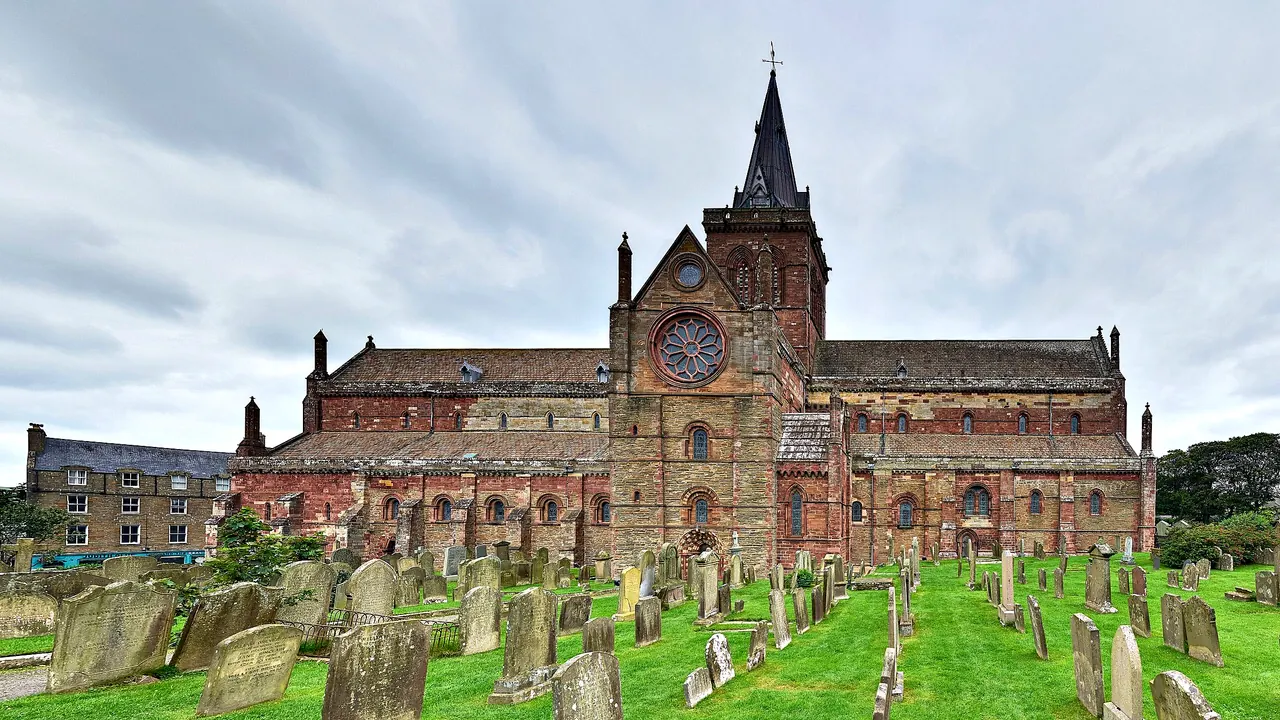
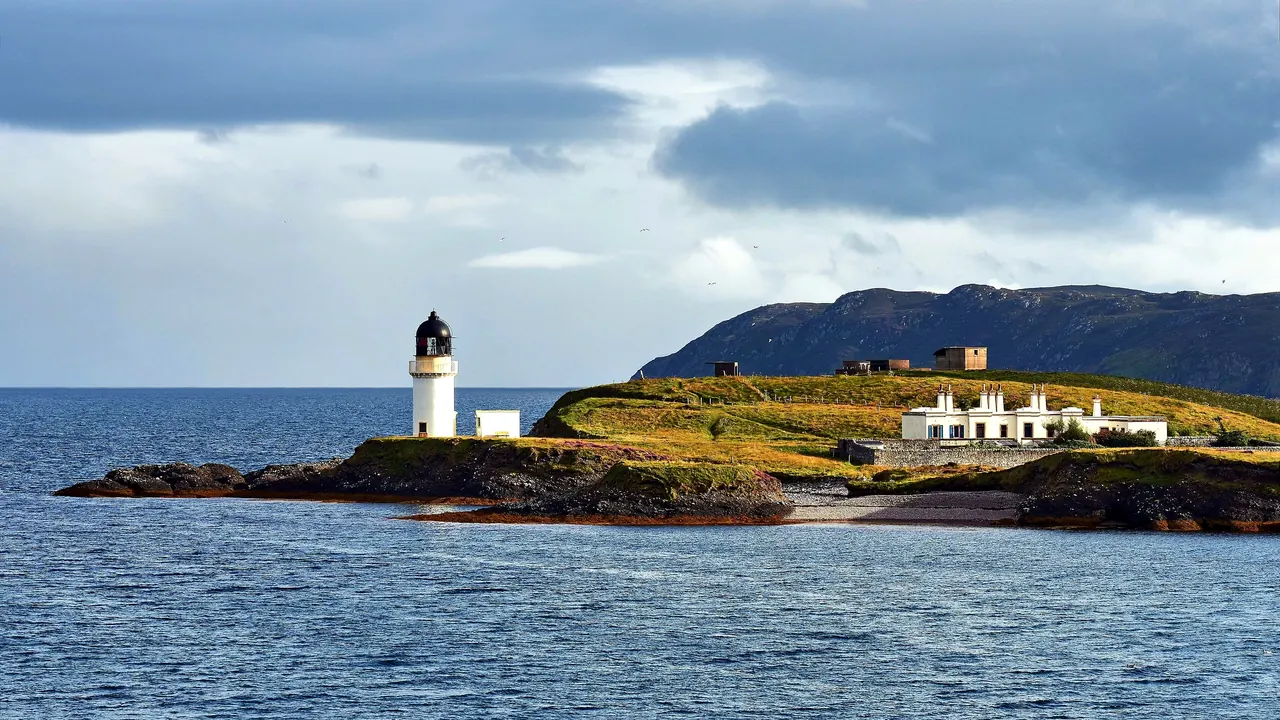
Photos: Orkney by Virtual-Pano, CC BY-SA 4.0, cropped; Outer Hebrides by Virtual-Pano, CC BY-SA 4.0, cropped.
Orkney or Outer Hebrides?
Our verdict in twelve categories, each scored against the same fixed benchmark cities, and the climate month by month, so you can choose for your trip.
Choose Orkney for
- culture and sights
- getting around
- day trips
Orkney is the better choice for travellers who want history close at hand. Skara Brae, Maeshowe, the Ring of Brodgar and St Magnus Cathedral all lie within a short drive of each other on the Mainland, and Kirkwall and Stromness give you two real towns with distilleries, pubs and craft shops. Island-hopping to Hoy, Rousay or Papa Westray adds variety without long drives, so a week here can be busy from one day to the next.
Choose Outer Hebrides for
- nature and the outdoors
- wellness
- beaches
The Outer Hebrides suit people who come for space, wildlife and silence. The beaches of Harris are longer and wilder, eagles and otters are a realistic sighting, and the hills, surf and the boat to St Kilda give outdoor days that Orkney's gentler land cannot match. You give up easy logistics and depth of sights in return for a long, empty island chain and a stillness that Sunday on Lewis makes complete.
Scoreboard
Twelve categories on one fixed scale from 0 to 100. The shaded stretch is the gap between the two.
Your match
Pick a travel style or drag the sliders, and both match scores follow your weighting.
Wins on culture and sights and getting around with your weighting.
Wins on nature and the outdoors and wellness with your weighting.
What matters to you?
Category by category
What the scores mean for a trip.
Beaches & swimming
Both island groups have pale sand and turquoise shallows on a sunny day, and the same cold sea, but the Hebrides have the grander shoreline. Orkney's beaches, such as Waulkmill Bay, Birsay and the long strands of Sanday, are lovely for a shell hunt and a seal-watching walk, though they are smaller in scale.
The west coast of Harris, at Luskentyre, Seilebost and Scarista, has miles of dune-backed white sand and flowering machair, with Uig Sands and Vatersay's twin bays further afield. With a wetsuit, a longer swim is possible there, and on calm summer days a paddle at the edge is a real pleasure.
Food & drink
Both islands eat from their own boats and fields, but Orkney has more to taste and more places to sit down. Its two long-established whisky distilleries in Kirkwall, local beer and gin, farmhouse cheese and bere bannocks make an easy tasting route, and Kirkwall and Stromness between them offer a reasonable run of dining rooms and seafood kitchens.
The Hebrides match it on shellfish, with langoustines and scallops off the pier, and add Stornoway black pudding and locally cured smoked salmon. Outside Stornoway and Harris, though, choice thins fast, and Sunday and winter closures mean self-catering matters more here.
Culture & sights
Orkney is far richer. The West Mainland packs Skara Brae, Maeshowe with its Viking graffiti and the stone circles of Brodgar and Stenness into a few miles, Kirkwall adds St Magnus Cathedral and the Earl's Palace, and the Italian Chapel, Scapa Flow and the Pier Arts Centre carry the story on.
The Hebrides have one great monument in the Calanais Standing Stones, with Dun Carloway broch, the Gearrannan blackhouses, Rodel's church and Kisimul Castle spread along the chain. What they have that Orkney lacks is everyday Gaelic, a living culture rather than a sight.
Nightlife
Neither is a place for nights out, but Orkney has a little more life after dinner. Kirkwall and Stromness each have a few pubs where a fiddle session can run late into the light summer evening. In the Hebrides, Stornoway's handful of pubs is about the limit, and the kept Sabbath on Lewis and Harris makes Saturday night end early and Sunday very quiet.
Nature & outdoors
The Hebrides offer wilder country and more to do in it. North Harris climbs to the Clisham at 799m, South Harris is bare grey gneiss above white sand, and the Uists are a watery flatland of lochans and machair flowers. Eagles, otters and corncrakes are the draw, along with surf on Lewis, kayaking in the sounds and boats to St Kilda.
Orkney is lower and gentler, with its drama on the cliffs: the Old Man of Hoy, Yesnaby and the seabird ledges of Marwick Head and Noup Head, with puffins at Castle o' Burrian. Its one clear advantage is under water, where the German fleet scuttled in Scapa Flow draws wreck divers.
Day trips
Both are about island-hopping, but Orkney's outings end at more worthwhile places. Small ferries from Kirkwall and Tingwall reach the North Isles: Rousay with its line of chambered cairns, Westray with its castle and sandy bays, and Papa Westray, whose Knap of Howar is reached by a famously short flight. Hoy fills a day of its own, and the harbour town of Stromness is an easy outing.
The Hebrides' causeways let one base reach Berneray, the Uists and Eriskay easily, and a ferry runs on to Barra. Most trips end at a village and a stretch of coast, though, and the long day to Portree on Skye is the main chance to see another town.
Good for families
These two are much alike for children: safe, quiet, full of rock pools, seals and beaches, short on anything built for them, and each with a single leisure pool for wet days. Orkney has the edge in small ways, with the walk-in replica house at Skara Brae and short drives between sights. The Hebrides offer eagle spotting and bigger beaches, but at the cost of long single-track drives with restless passengers.
Getting around
Orkney is much easier to cover. On the Mainland, Kirkwall, Stromness and the Neolithic sites are all within half an hour of one another on quiet roads, and the Churchill Barriers carry you south to Burray and South Ronaldsay without a ferry.
The Hebrides stretch for about 210km, much of it single-track with passing places, so journeys take longer than the map suggests. Buses are sparse and on Lewis and Harris barely run on Sundays. In both, a car is close to essential and ferries need booking in summer.
Shopping & style
Both are about crafts rather than shops, with no fashion or department stores. Orkney's speciality is silver jewellery drawing on Norse and Neolithic designs, sold along Kirkwall's Albert Street, plus the straw-backed Orkney chair and a craft trail across the Mainland. The Hebrides have Harris Tweed, often bought straight from the weaver's shed beside the house, which makes for a more personal purchase.
Affordability
Neither is cheap, and the costs come from the same places: few rooms in summer, a crossing to get there, car hire and vehicle ferries. In Orkney, inter-island ferries add up if you hop around, but the Mainland's short distances keep driving modest. The Hebrides pay more for shipped-in food, though campervans, campsites and the quieter spring and early autumn months make longer stays more manageable.
Live music & performing arts
Both rely on festivals and traditional sessions rather than a regular stage season. Orkney's St Magnus International Festival brings classical music and drama to the cathedral around midsummer, and the Orkney Folk Festival fills Stromness in late spring.
In the Hebrides, the Hebridean Celtic Festival brings bands to Stornoway in July, and Gaelic song turns up at village-hall ceilidhs. The choice is classical music against Celtic and Gaelic music.
Wellness & relaxation
Neither has spas or bathing culture, so rest comes from the setting, and the Hebrides do quiet more completely. A cottage on a sea loch, long empty roads and the near-total hush of a Lewis or Harris Sunday make it easy to do nothing at all.
Orkney is peaceful too, with light summer evenings and little traffic. Its towns and the steady flow of visitors to the Neolithic sites keep it a little busier, so it suits a book-and-a-walk break rather than real retreat.
When should you go?
Pick your month. The climate figures are measured averages, not a forecast.
Orkney in July
Outer Hebrides in July
Daytime high, °C
Rainfall in the month, mm
Temperature and rainfall are climate normals, averaged over the years shown. Orkney: 1991-2020 normals, Kirkwall Airport (4.9 km from centre). Outer Hebrides: 1991-2020 normals, Stornoway (4.1 km from centre).
Neither destination ever gets warm enough for a beach vacation in the usual sense. Daytime highs peak at about 16°C in July and August in both, and the sea reaches only 13°C, so summer is for walking, wildlife and long light evenings, not sunbathing. May is the bright month in both: the Outer Hebrides around Stornoway are the sunnier of the two then, with close to 190 hours, while Orkney's driest spell runs from April to July at around 55mm a month.
The real difference is rain. The Outer Hebrides are wetter in every month, and from October to January rainfall there climbs to about 144mm at its worst, with short grey days, gales and some winter closures. Orkney's winter is wet and dark too, but a little less so. For both, May to early September is the season, and late spring is the safest bet for dry, clear days.
Which traveller are you?
On a culture and arts trip, Orkney is the clear pick. Several days of outstanding prehistory lie a short drive apart, with a medieval cathedral town and a fine small gallery besides, so you see a great deal without long journeys. The Hebrides offer a shorter, more scattered list.
For an outdoors trip, choose the Outer Hebrides. There is simply more room to roam: proper hills on Harris, a route the length of the chain for a ride or walk lasting several days, and wildlife that rewards patience. Orkney's coastal walks are shorter and gentler.
On a relaxing and wellness trip, lean towards the Outer Hebrides, as long as you want calm rather than treatments, because neither has a spa. With fewer must-see sights pulling you out each morning, days drift easily, while Orkney's dense heritage tends to fill the diary.
Before you go
| Measure | Orkney | Outer Hebrides |
|---|---|---|
| Official language | English | English |
| Currency | Pound Sterling (GBP) | Pound Sterling (GBP) |
| Sockets | G230 V, 50 Hz | G230 V, 50 Hz |
| Driving side | Left | Left |
| Time zone | UTC, UTC+1 in summer | UTC, UTC+1 in summer |
| Emergency number | 112 or 999 | 112 or 999 |
| Main airport | Kirkwall Airport (KOI)9 non-stop destinations | Stornoway Airport (SYY)6 non-stop destinations |
| Public holidays this year | 10 days | 10 days |
By the numbers
| Measure | Orkney | Outer Hebrides |
|---|---|---|
| Population | 22,270 | 26,720 |
| People per km² | 22 | 9 |
| Swim season, months above 21 °C | None | None |
Where else could you go?
Every comparison below shares a destination with this one, so you can follow Orkney or Outer Hebrides somewhere new.
- Isle of Skyevs Outer Hebrides
- Scottish Highlandsvs Outer Hebrides
- Scottish Highlandsvs Orkney
- Isle of Skyevs Orkney
- Northumberlandvs Orkney
- Northumberlandvs Outer Hebrides