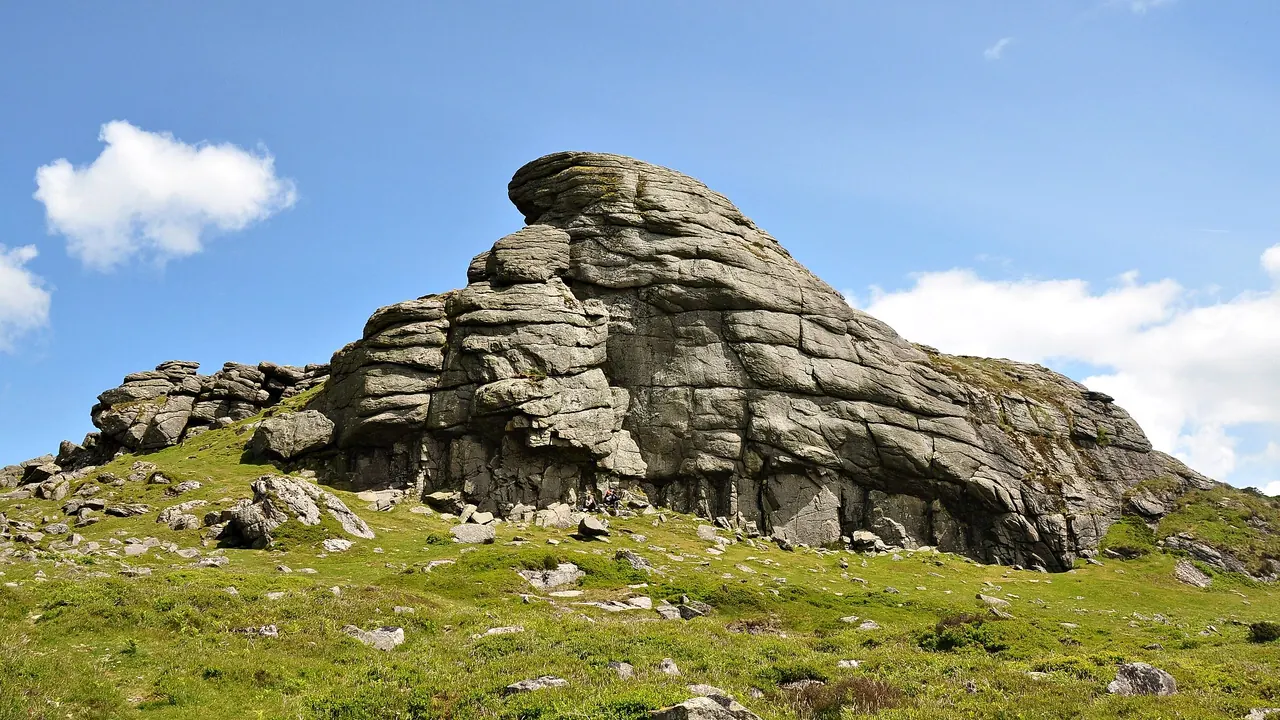
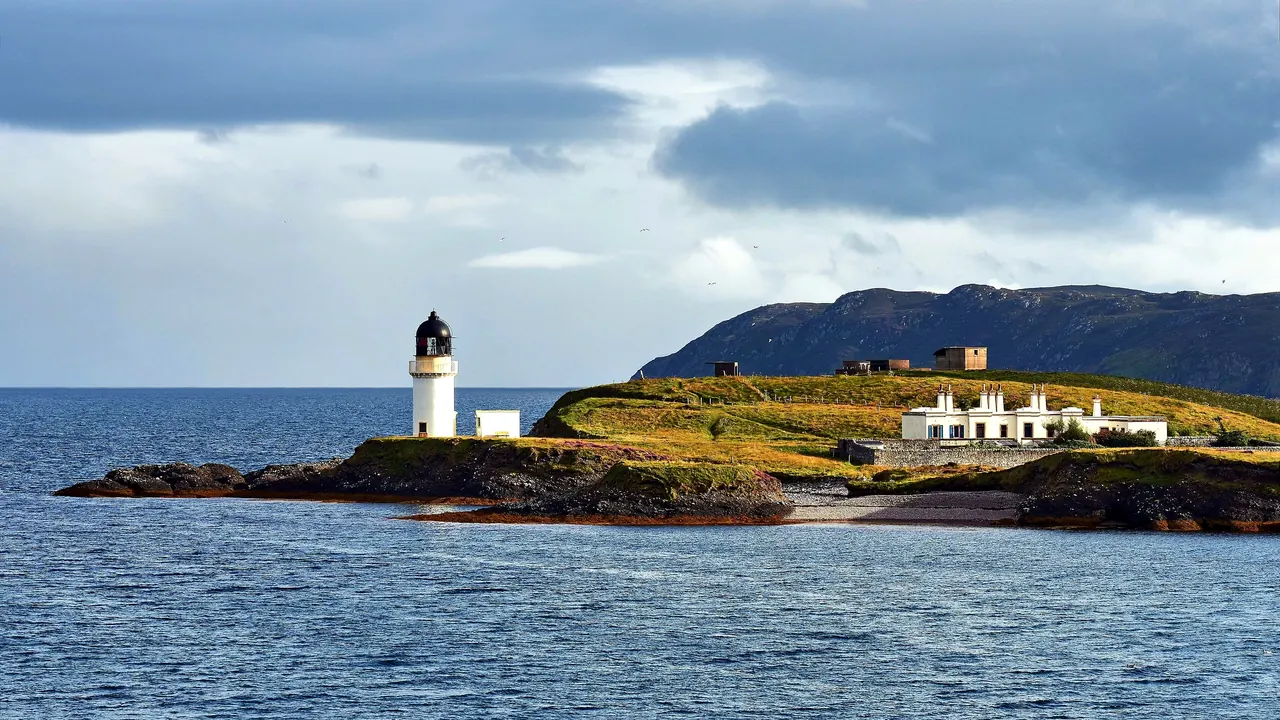
Photos: Devon by Nilfanion, CC BY-SA 3.0, cropped; Outer Hebrides by Virtual-Pano, CC BY-SA 4.0, cropped.
Devon or Outer Hebrides?
Our verdict in twelve categories, each scored against the same fixed benchmark cities, and the climate month by month, so you can choose for your trip.
Choose Devon for
- day trips
- families
- food and drink
Devon suits travellers who want a varied, sociable summer by the sea: sandy beaches with lifeguards, harbour towns with good seafood, country houses and cathedral cities, and a full list of outings within a drive. It is the easier choice for families, for groups with mixed interests and for anyone who likes a pub at the end of the day and some choice about where to eat.
Choose Outer Hebrides for
- nature and the outdoors
- shopping
The Outer Hebrides are for people who travel to get away. The beaches are emptier, the light is stranger, the wildlife is wilder, and Gaelic and the stone monuments give the islands a character of their own. In return you get few restaurants, almost no nightlife and a short list of sights spread over long single-track roads. Choose them for solitude, eagles and white sand rather than for comfort or variety.
Scoreboard
Twelve categories on one fixed scale from 0 to 100. The shaded stretch is the gap between the two.
Your match
Pick a travel style or drag the sliders, and both match scores follow your weighting.
Wins on day trips and families with your weighting.
Wins on nature and the outdoors and shopping with your weighting.
What matters to you?
Category by category
What the scores mean for a trip.
Beaches & swimming
Devon's beaches work as beaches in the familiar sense: surf sand at Woolacombe and Croyde, sheltered estuary bays around Salcombe and Bigbury, shingle coves and the red-cliffed resort fronts of Torbay. The water is chilly, but on a warm August day a swim without a wetsuit is realistic.
The Hebridean strands at Luskentyre, Scarista and Vatersay are arguably more beautiful and far emptier, with turquoise shallows in sunshine. The Atlantic there is several degrees colder, though, and wind often shortens the day, so they are for walking and picnics rather than swimming and sunbathing.
Food & drink
Both live off their harbours, but Devon gives you far more places to eat what it catches. Dartmouth and the South Hams towns, the Exe estuary and Dartmoor's pubs offer crab, mussels and Brixham fish, with cream teas and cider on the side and Exeter and Plymouth adding range.
The Hebrides have langoustines, scallops, smoked salmon and Stornoway black pudding of real quality, but outside Stornoway and a few Harris restaurants you are down to hotel bars. Expect to self-cater, buy from the pier and book ahead in summer.
Culture & sights
Devon has a little more to see and a wider spread of it. Exeter Cathedral's carved west front and long Gothic vault sit inside the old city walls, Plymouth's Barbican keeps its cobbled lanes and the Mayflower Steps, and country houses from Castle Drogo to Greenway, with towns like Totnes and Dartmouth to wander, fill out a week of cathedral, port and stately-home heritage.
The Hebridean list is shorter and quite different in feel. The cross-shaped circle at Calanais is best visited in low evening light, the Dun Carloway broch still stands largely intact, and the thatched blackhouses at Gearrannan and Arnol show ordinary island homes rather than grand ones. Kisimul Castle reached by small boat, the carved tomb at Rodel and the Lewis Chessmen in Stornoway complete it, while Gaelic in daily use gives the islands a living culture of their own.
Nightlife
Devon at least has options: harbourside pubs in Salcombe and Dartmouth, student-led weekends in Exeter and on Plymouth's Union Street, and a few summer clubs in Torquay. In the Hebrides a night out is a hotel bar or one of Stornoway's handful of pubs, with luck a music session, and Sundays on Lewis and Harris are almost silent.
Nature & outdoors
Both are outstanding for the outdoors, and the difference is in character. Devon is a walker's and surfer's county, with Dartmoor's tors, Exmoor's high sea cliffs, the Jurassic Coast and the coast path, plus easy cycling on the Tarka Trail and sailing on the estuaries.
The Hebrides feel wilder and emptier. North Harris hills, the gneiss of South Harris and the lochan-strewn Uists are the setting for eagles, otters and corncrakes, sea kayaking and boat trips to St Kilda, with weather that shapes every plan.
Day trips
Devon is far better placed for outings. Bath and Bristol are within reach by train from Exeter, Dorset and Cornwall by car, and inside the county a boat down the Dart, cobbled Clovelly or a sail to Lundy give real variety.
In the Hebrides the day trip is the next island along the causeways, from Berneray down to Eriskay and Barra. It is lovely, but each outing ends at a village and a stretch of shore, and Skye is the only bigger change of scene.
Good for families
Devon is built for family vacations, with gently shelving lifeguarded beaches, a zoo, an aquarium, farm parks and steam trains for rainy days, and cottages and caravan parks everywhere.
The Hebrides are safe and freeing for children who love rock pools, seals and empty sand, but there is little else. With cold water, frequent rain and long drives, they suit outdoorsy families with waterproofs rather than those needing entertainment.
Getting around
You need a car in both, and both test you with single-track lanes. In Devon the strain is summer traffic, hedge-lined lanes with reversing to passing places and tight harbour parking, though main-line trains link Exeter, Plymouth and Torbay.
In the Hebrides the roads are quiet but long, stretching some 210km down the chain, with ferries to book and sheep to wait for. Buses there are thinner still, especially on Sundays.
Shopping & style
Neither is a shopping destination, and what you buy differs. Devon offers small towns with character, Totnes's independent high street, Honiton antiques and Dartmouth galleries, plus Exeter's chains. The Hebrides have one thing worth the trip, Harris Tweed bought straight from the weaver's shed, alongside knitwear, island gin and smoked fish.
Affordability
Both are pricey in summer. Devon's costs come from school-break demand for cottages, especially in Salcombe and the north coast surf villages, but Torbay, Plymouth and inland villages offer cheaper bases. In the Hebrides there are few such escape routes: limited rooms, car hire, vehicle ferries and shipped-in food all add up, and campervans or self-catering are the main ways to save.
Live music & performing arts
Devon has proper stages: Plymouth's large Theatre Royal for touring musicals, opera and ballet, Exeter's Northcott, cathedral concerts and Dartington's summer music. The Hebrides have the Hebridean Celtic Festival each July, the Stornoway arts centre and village ceilidhs, so performance there is about catching traditional music and Gaelic song as part of island life.
Wellness & relaxation
Devon offers more ways to unwind, with country-house and clifftop spa hotels, Plymouth's Art Deco Tinside Lido and a cold-water swimming habit along the south coast. The Hebrides have almost no spa offer, so rest there means stillness itself: empty roads, light late into the evening and a cottage by a sea loch.
When should you go?
Pick your month. The climate figures are measured averages, not a forecast.
Devon in July
Outer Hebrides in July
Daytime high, °C
Rainfall in the month, mm
Where the figures come from
Devon's temperatures are measured 31 km from the centre, at Exeter Airport.
Devon has no rain gauge within 25 km of the centre, so its rainfall comes from a gridded climate dataset read at the destination rather than from a gauge further away.
Devon's sunshine is measured 44 km from the centre, at Plymouth.
Temperature and rainfall are climate normals, averaged over the years shown. Devon: 1973-2025 (sunshine 1981-2010, rainfall 1991-2020) normals, Exeter Airport (31.1 km from centre). Outer Hebrides: 1991-2020 normals, Stornoway (4.1 km from centre).
Both are summer destinations, but Devon is noticeably warmer. Around its main resort areas, afternoons reach about 22°C in July and the sea warms to 17°C by August, enough for short swims from June to September. May to July are the sunniest months. Rain picks up from October and stays heavy through the winter, when the coast is better for walking than for beaches.
The Outer Hebrides are cooler and wetter all year. Around Stornoway, summer highs reach only about 16°C and the sea stays near 13°C even in August, so swimming is a brief dip at most. May is usually the brightest month, and late spring and early summer are the best time for the machair flowers and long light evenings. From September the rain builds fast, and the winter months are dark, wet and windy. Neither place ever gets too hot for walking.
Which traveller are you?
On a family trip with children, Devon is the clear pick. Lifeguarded sandy beaches, rock pools, Paignton Zoo, the National Marine Aquarium and steam railways fill the days, while the Hebrides offer open space but almost nothing built for children on wet days.
For a food and nightlife trip, Devon wins easily. Dartmouth's harbour restaurants, Brixham fish and estuary pubs give plenty of choice, and Exeter and Plymouth have weekend bars. The Hebrides have superb seafood but few places to eat it and quiet evenings.
On an outdoors trip built around wildlife and empty country, the Outer Hebrides have the edge in kind. Golden and white-tailed eagles, otters, corncrakes and boats to St Kilda's seabird cliffs are rarer sights than anything Dartmoor or the South West Coast Path can offer.
Before you go
| Measure | Devon | Outer Hebrides |
|---|---|---|
| Official language | English | English |
| Currency | Pound Sterling (GBP) | Pound Sterling (GBP) |
| Sockets | G230 V, 50 Hz | G230 V, 50 Hz |
| Driving side | Left | Left |
| Time zone | UTC, UTC+1 in summer | UTC, UTC+1 in summer |
| Emergency number | 112 or 999 | 112 or 999 |
| Main airport | Exeter International Airport (EXT)25 non-stop destinations | Stornoway Airport (SYY)6 non-stop destinations |
| Public holidays this year | 8 days | 10 days |
By the numbers
| Measure | Devon | Outer Hebrides |
|---|---|---|
| Population | 1,209,773 | 26,720 |
| People per km² | 180 | 9 |
| Swim season, months above 21 °C | None | None |
Where else could you go?
Every comparison below shares a destination with this one, so you can follow Devon or Outer Hebrides somewhere new.
- Jurassic Coastvs Devon
- Isle of Skyevs Outer Hebrides
- Cornwallvs Devon
- Scottish Highlandsvs Outer Hebrides
- Isle of Wightvs Devon
- Pembrokeshirevs Devon