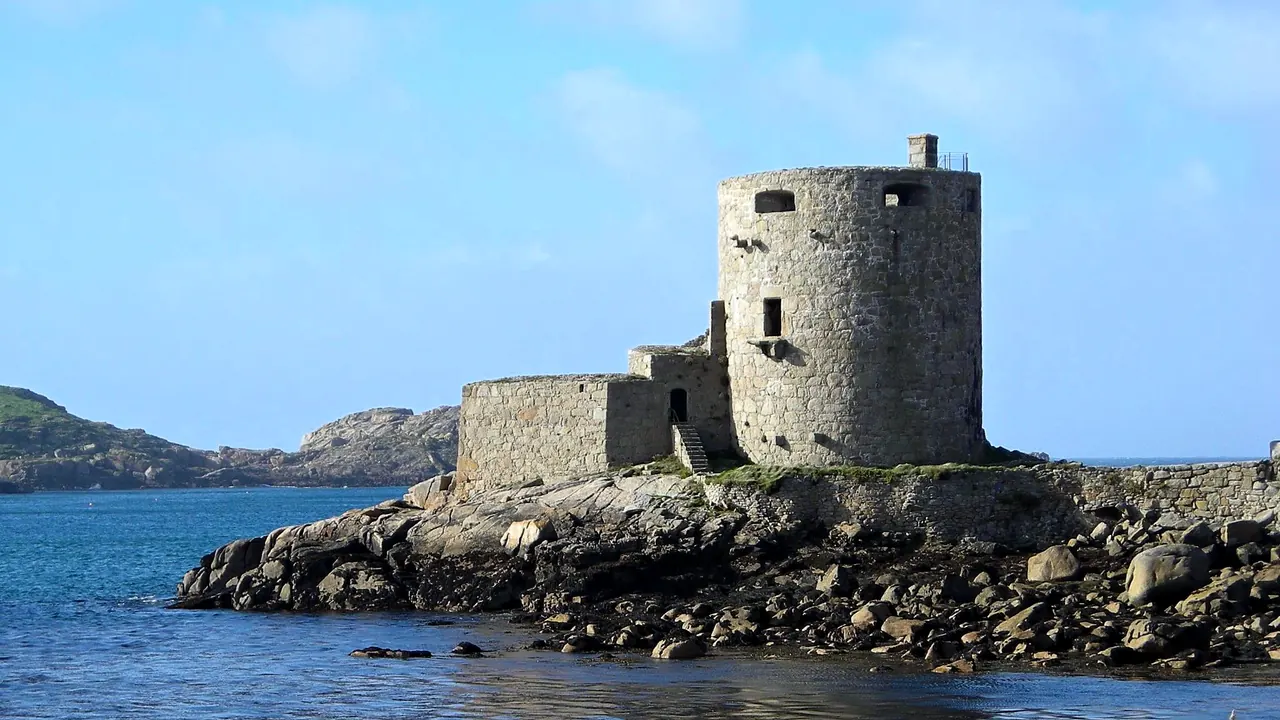
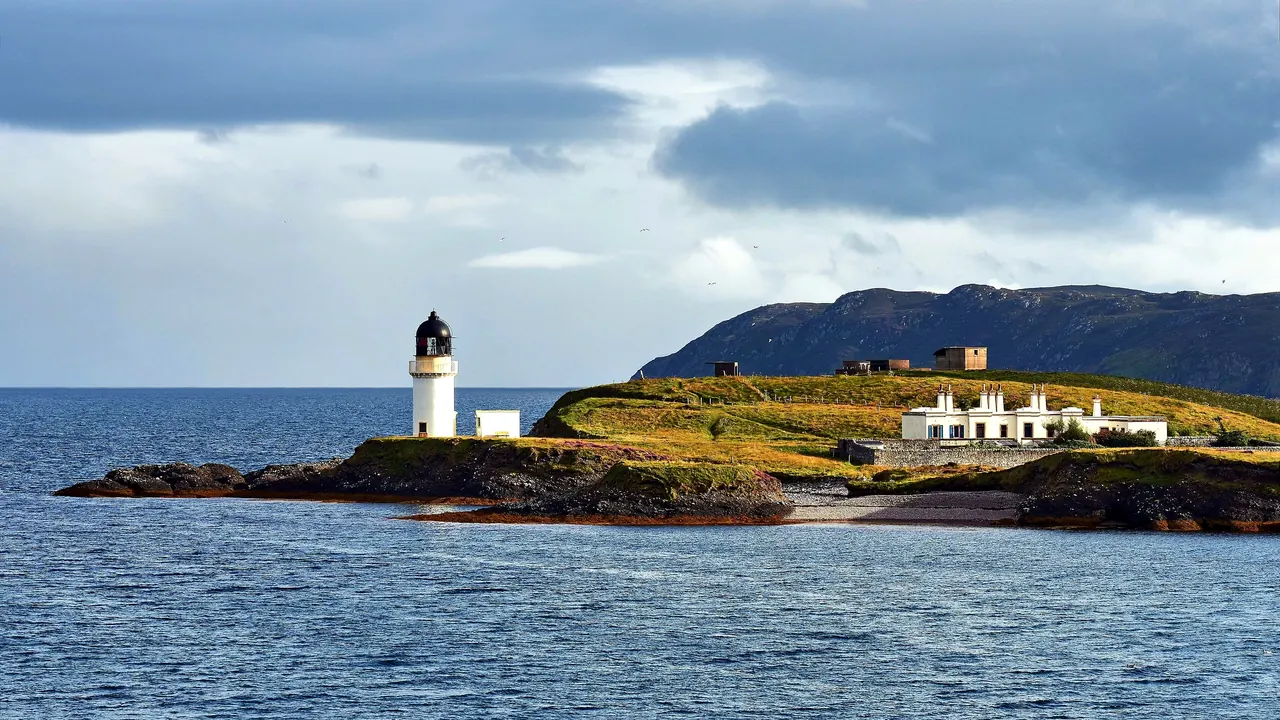
Photos: Isles of Scilly by Mark Percy, CC BY-SA 2.0, cropped; Outer Hebrides by Virtual-Pano, CC BY-SA 4.0, cropped.
Isles of Scilly or Outer Hebrides?
Our verdict in twelve categories, each scored against the same fixed benchmark cities, and the climate month by month, so you can choose for your trip.
Choose Isles of Scilly for
- beaches
- families
- getting around
The Isles of Scilly suit a slower, more contained vacation: one base, no car, a boat to a different island each morning and sheltered sandy bays where children can paddle safely. Of the two, these are the beaches where you can actually get into the water, the islands are easier to move around once you arrive, and the milder climate makes summer days kinder. What you give up is range and money: it is a small world, and an expensive one.
Choose Outer Hebrides for
- shopping
- live music and the arts
- nature and the outdoors
Choose the Outer Hebrides for a bigger, wilder journey by car down a long chain of islands, with eagles, otters, real hills and the seabird cliffs of St Kilda. The heritage runs deeper here, from the Calanais stones to Gaelic spoken every day. You can buy Harris Tweed from the weavers themselves, and summer brings traditional music to Stornoway. It is also the cheaper of two costly destinations, though the weather is harsher and the sea colder.
Scoreboard
Twelve categories on one fixed scale from 0 to 100. The shaded stretch is the gap between the two.
Your match
Pick a travel style or drag the sliders, and both match scores follow your weighting.
Too close to call, 1 point apart
Wins on beaches and families with your weighting.
Wins on shopping and live music and the arts with your weighting.
What matters to you?
Category by category
What the scores mean for a trip.
Beaches & swimming
Both island chains have pale sand and strands you may have to yourself, but the Isles of Scilly are the better place to swim. Their bays are small, sheltered and shallow, places like Pelistry and Rushy Bay take a little warmth from the sun, and in late summer the sea is several degrees warmer than it is further north.
The Outer Hebrides have the bigger, more exposed beaches, the long dune-backed sweeps of Luskentyre and Scarista on Harris. The water there stays cold enough that most visitors walk and paddle rather than swim, and wind and showers cut more beach days short.
Food & drink
Neither is a place for a string of restaurant dinners, and both reward self-catering with excellent seafood. On Scilly the eating clusters in Hugh Town, and the pleasures are simple ones: a crab sandwich above a beach, and eggs and fudge from roadside honesty stalls.
The Hebrides have stronger local specialities, among them Stornoway black pudding, locally cured smoked salmon and langoustines bought at the pier. Their tables are spread thinly over a much larger area, though, and many close on Sundays.
Culture & sights
The Outer Hebrides carry the weightier heritage. The Calanais Standing Stones, the Dun Carloway broch, the blackhouse villages at Gearrannan and Arnol and the Lewis Chessmen in Stornoway give a deep sense of the past, and daily Gaelic makes the culture something lived rather than displayed. The catch is the driving between sites.
Scilly's history is compact and maritime: the Garrison walls around Star Castle, Bronze Age graves on St Mary's, and the shipwreck figureheads in Tresco Abbey Garden. It is all walkable and covered in two or three days.
Nightlife
Both are quiet after dark, with pubs and hotel bars and no clubs anywhere. On Scilly the evening ritual is watching the pilot gigs race in the harbour and having a pint on the quay, with one eye on the last boat if you are staying on an off-island. In the Hebrides a weekend session of traditional music in a Stornoway pub is the likelier reward, and Sundays on Lewis and Harris are almost silent.
Nature & outdoors
The Outer Hebrides are by some way the bigger outdoor destination. North Harris has real hills, South Harris has its grey gneiss running down to white sand, and the Uists have their flower-filled machair. Add eagles, otters and basking sharks, surf on Lewis, a long-distance route for cycling and walking, and boats to St Kilda.
Scilly works on a smaller, gentler scale: coastal paths you can walk around in a few hours, seal trips to the Western Rocks, puffins on Annet in early summer and rare migrant birds in October. Its sheltered channels suit kayaking and snorkelling, but there is simply less ground.
Day trips
In both places the day trip is island-hopping, but it works differently. On Scilly you leave St Mary's by small boat for Tresco, Bryher, St Martin's or St Agnes, each with its own character, and return by evening, depending on tide and weather.
In the Hebrides you drive across causeways and take short ferries along the chain, which opens up more ground and even a long day to Portree on Skye. Most outings still end at a village and a stretch of shore rather than a town.
Good for families
Scilly is the easier place with children. Distances are tiny, there is almost no traffic, the beaches shelve into calm water, and the boat ride to another island makes each day an outing in itself.
The Hebrides offer the same rock pools, seals and empty sands, plus a leisure pool in Stornoway for wet days. But the sea is colder, the weather rougher, and long single-track drives are harder on young passengers.
Getting around
Once you have arrived, Scilly is far simpler. You need no car: Hugh Town is compact, St Mary's has bikes and a small bus, and each off-island can be walked end to end. The weak points are the boats, which stop in rough weather and run less often in winter, and the journey out, by long ferry or by flights that fog can delay.
The Outer Hebrides demand a car for some 210km of largely single-track road. Buses are too sparse to rely on, and on Lewis and Harris there are almost none on Sundays.
Shopping & style
The Hebrides have one thing worth the trip: Harris Tweed bought straight from weavers' sheds on Lewis and Harris, alongside knitwear, smoked fish and island gin. Stornoway adds a modest high street.
Scilly's shopping comes down to a few gift and outdoor shops on Hugh Town's short streets and craft studios on the off-islands. The most memorable thing to buy there is scented narcissi posted home from the flower farms.
Affordability
Neither is cheap, but the Outer Hebrides go easier on your money. The beaches, walks and main sights are free, campervans and campsites make longer stays affordable, and spring and early autumn bring better rates, although car hire and vehicle ferries add a good deal.
Scilly costs more. It has few beds, island hotels charge a premium, Tresco most of all, and food is shipped in. On top of the flight or ferry out, there is a boat fare for every day spent on another island. Self-catering or camping is the way to soften it.
Live music & performing arts
The Hebrides have a living music tradition that Scilly lacks. Gaelic song and traditional sessions turn up in pubs and village halls, Stornoway's arts centre runs a small programme, and the Hebridean Celtic Festival fills the town each July. On Scilly, live performance means the odd pub band or a concert in a church hall, and the sunset is the evening's main event.
Wellness & relaxation
Neither is a spa destination, and both depend on peace rather than treatments, but Scilly makes switching off a little easier. Its few hotel spas and leisure pools, mostly on Tresco and St Mary's, are modest, but they are still more than the Hebrides have. Without a car, each day simply follows the tide and the next boat, and evenings end with the light fading over the outer rocks.
The Hebridean calm is starker and more solitary, with long empty roads, summer evenings that stay light late into the night and a rented house on the shore with no neighbours in sight. Anyone hoping for a massage or a pool will find even less there than on Scilly, and the long drives between places make the days less effortless.
When should you go?
Pick your month. The climate figures are measured averages, not a forecast.
Isles of Scilly in July
Outer Hebrides in July
Daytime high, °C
Rainfall in the month, mm
Where the figures come from
Isles of Scilly has no rain gauge within 25 km of the centre, so its rainfall comes from a gridded climate dataset read at the destination rather than from a gauge further away.
Isles of Scilly's sunshine is measured 78 km from the centre, at Camborne.
Temperature and rainfall are climate normals, averaged over the years shown. Isles of Scilly: 1991-2020 normals, Scilly, Saint Mary'S (0.7 km from centre). Outer Hebrides: 1991-2020 normals, Stornoway (4.1 km from centre).
The Isles of Scilly are the milder of the two all year round. Summer highs reach about 19°C in July and August, and the sea warms to around 17°C by late summer, so June to September is the window for brisk swims in the sheltered bays. May and June are the driest and sunniest stretch, ideal for the coastal paths. Rain builds from October, and November to January are wet and grey, though seldom truly cold.
The Outer Hebrides, measured where most visitors stay, run a few degrees cooler. Summer highs are about 16°C and the sea barely passes 13°C, so even in August a swim means a quick dip. May is the best month there, the brightest of the year and fairly dry, while July and August turn cloudier. From October to January the islands are wet, windy and chilly, with January the wettest of all, so the season for walking and wildlife runs from May to September.
Which traveller are you?
On a family trip with children, the Isles of Scilly make the easier week. Children get real freedom on islands this small, nobody spends the day in a car seat, and the calmer, slightly warmer sea gets them into the water.
For an outdoors trip, the Outer Hebrides are clearly the better choice. The landscape is wild and large enough to fill a fortnight on foot, by bike or on the water, and the wildlife is bigger. Scilly's gentler paths take only a few days to walk.
On a tight budget, the Outer Hebrides are the more realistic of two costly choices. A frugal, self-sufficient traveller can make a long stay work there. On Scilly, the small island world and its prices make every day of the trip dearer.
Before you go
| Measure | Isles of Scilly | Outer Hebrides |
|---|---|---|
| Official language | English | English |
| Currency | Pound Sterling (GBP) | Pound Sterling (GBP) |
| Sockets | G230 V, 50 Hz | G230 V, 50 Hz |
| Driving side | Left | Left |
| Time zone | UTC, UTC+1 in summer | UTC, UTC+1 in summer |
| Emergency number | 112 or 999 | 112 or 999 |
| Main airport | St. Mary's Airport (ISC)2 non-stop destinations | Stornoway Airport (SYY)6 non-stop destinations |
| Public holidays this year | 8 days | 10 days |
By the numbers
| Measure | Isles of Scilly | Outer Hebrides |
|---|---|---|
| Population | 2,281 | 26,720 |
| People per km² | 140 | 9 |
| Swim season, months above 21 °C | None | None |
Where else could you go?
Every comparison below shares a destination with this one, so you can follow Isles of Scilly or Outer Hebrides somewhere new.
- Isle of Skyevs Outer Hebrides
- Cornwallvs Isles of Scilly
- Scottish Highlandsvs Outer Hebrides
- Devonvs Isles of Scilly
- Orkneyvs Outer Hebrides
- Pembrokeshirevs Isles of Scilly