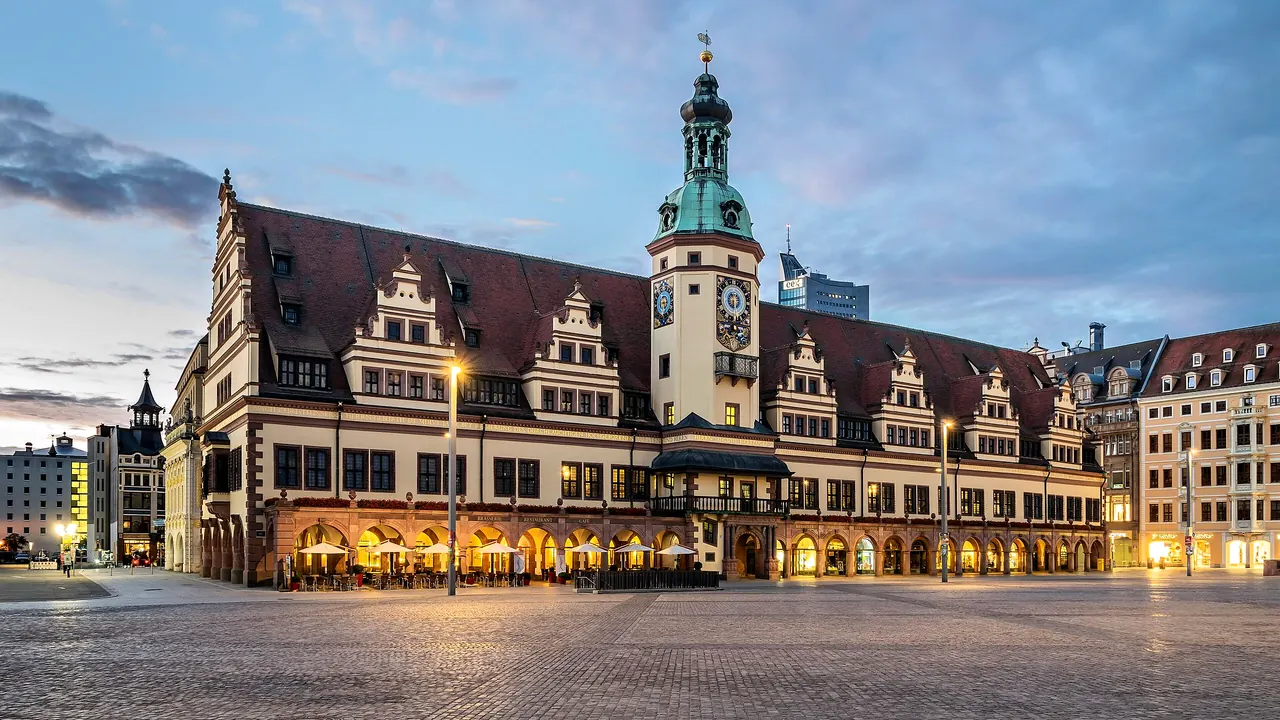
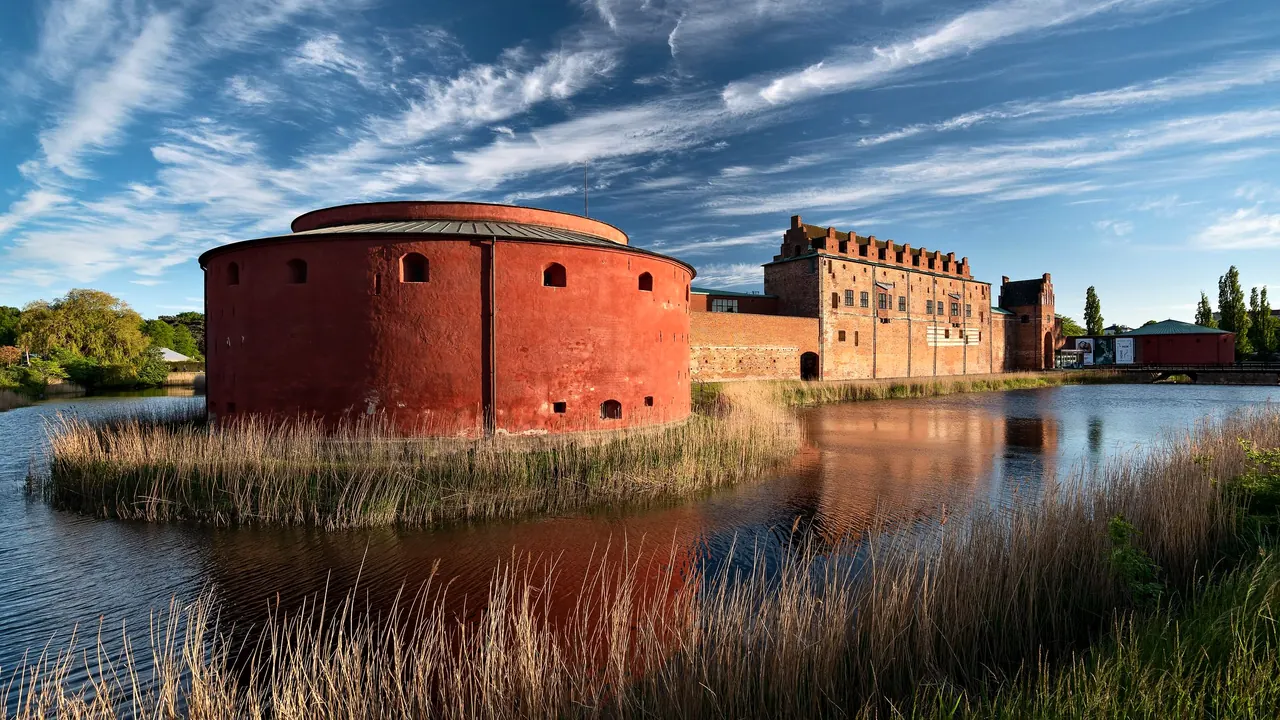
Photos: Leipzig by Krzysztof Golik, CC BY-SA 4.0, cropped; Malmo by Kateryna Baiduzha, CC BY-SA 4.0, cropped.
Leipzig or Malmo?
Our verdict in twelve categories, each scored against the same fixed benchmark cities, and the climate month by month, so you can choose for your trip.
Choose Leipzig for
- live music and the arts
- nightlife
- culture and sights
Leipzig is the choice for anyone who travels for music and history. Bach's church, the Gewandhaus Orchestra, the opera across Augustusplatz and the sites of 1989 give it far more cultural weight than Malmo. Its old factories also host a much bigger late-night club scene. Rooms are cheaper too, and the rail hub puts Dresden, Weimar and Berlin within easy reach.
Choose Malmo for
- wellness
- food and drink
- beaches
Malmo makes more sense if you'd rather spend your days by the water. The city beach starts a short walk from the centre, the wooden bathhouse at Ribersborg turns sauna and sea into a ritual, and the food is livelier, from falafel counters to Skåne produce. Copenhagen is also just across the bridge, so a slower Swedish stay can easily include a day in a capital.
Scoreboard
Twelve categories on one fixed scale from 0 to 100. The shaded stretch is the gap between the two.
Your match
Pick a travel style or drag the sliders, and both match scores follow your weighting.
Wins on live music and the arts and nightlife with your weighting.
Wins on wellness and food and drink with your weighting.
What matters to you?
Category by category
What the scores mean for a trip.
Beaches & swimming
Malmo has the better beach. Ribersborg's sand and dunes start about 2km from the centre, the shallow water suits children, and the finer, emptier sands at Skanör and Falsterbo are half an hour away. The sea stays cool, though, and windy days are common.
Leipzig has no coast at all. Its swimming is in flooded lignite mines such as the Cospudener See, reached by tram or bike. In a hot spell the lake water can actually be warmer than Malmo's sea. In both cities, swimming is a summer extra rather than a reason to go.
Food & drink
Malmo has the more interesting food. Its international population has made falafel the everyday dish, the streets around Möllevångstorget are full of Middle Eastern grocers and bakeries, and a few modern Nordic kitchens cook with Skåne produce such as smoked eel and seasonal vegetables.
Leipzig is plainer and more filling: Saxon roasts with dumplings, the marzipan Leipziger Lerche and sour, salted Gose beer. It does have centuries of coffee-house history, and for an informal meal the Karli and the canal streets of Plagwitz are the places to go.
Culture & sights
Leipzig has much more to see. Bach is buried in the Thomaskirche, and the Nikolaikirche is where the 1989 Monday prayers began. Add the trade-fair arcades, the huge Battle of the Nations monument, the Stasi museum at the Runde Ecke and several solid art collections, and you can easily fill two or three days.
Malmo's historic centre is pleasant but small: Stortorget, the half-timbered houses of Lilla Torg, St Petri and the museums in the moated Malmöhus castle. The Turning Torso is its best-known modern landmark. Most visitors with an interest in art and history end up looking towards Lund and Copenhagen.
Nightlife
Leipzig's nights are clearly bigger. It's a student city where electronic music took over old factories and warehouses, weekend clubbing runs past dawn, and door policies are relaxed. The Karli, Connewitz and the converted mills of Plagwitz give you a choice of bar districts.
In Malmo, going out mostly means the relaxed bars of Möllevången or summer terraces on Lilla Torg. High drink prices and strict licensing keep things calm, and for a big night many locals simply take the train to Copenhagen.
Nature & outdoors
Malmo has a slight edge outdoors, mainly because it's on the coast. There's the seafront promenade, flat cycling routes out into farmland, the cliffs and kayaking of Kullaberg, the ravine trails of Söderåsen about an hour away, and autumn birds of prey migrating over Falsterbo.
Leipzig has no sea, but it does have the Auwald floodplain forest running right through the city, canals you can paddle almost into the centre, and lakes for sailing and stand-up paddling. For real hills, though, you need a two-hour train ride to Saxon Switzerland or the Harz.
Day trips
Both cities make excellent bases, and they're about level here. From Leipzig, the trips are a string of German heritage towns: Dresden and Weimar a little over an hour away, Erfurt and Halle closer, plus Wittenberg, Naumburg, the Bauhaus in Dessau and Berlin.
Malmo's trips cross a border. Copenhagen is about thirty-five minutes away, and Kronborg Castle, the Louisiana museum and Roskilde are on the Danish side. Lund, Ystad and the stones of Ales Stenar are on the Swedish side.
Good for families
Both cities are easy with children, but in different ways. Leipzig has the bigger attractions: one of Europe's best zoos with the covered Gondwanaland hall for wet days, the Belantis theme park by the lakes, and the Panometer for older children.
Malmo has no zoo or theme park. Instead it offers a relaxed Swedish attitude to children in public life, a shallow city beach, and the submarine you can climb inside at the technology and maritime museum.
Getting around
Both centres are compact and flat, and in both a bike is often the quickest way to get about. The difference is in public transport. Leipzig has an extensive tram network plus an underground S-Bahn running south to the lakes.
Malmo has no trams, only city buses, but its cycle lanes are excellent. Its underground rail link connects directly to Lund, Copenhagen Airport and Copenhagen city.
Shopping & style
Neither city is worth visiting for shopping, though each has its own character. Leipzig's covered trade-fair arcades keep you dry, and the more individual shopping is out west, in the vintage and record shops of Karl-Heine-Strasse and the galleries of the Spinnerei mill.
Malmo is better for Swedish design and homeware in the lanes around Lilla Torg, and the Möllevångstorget market is good for browsing. Serious shoppers tend to head to Copenhagen instead.
Affordability
Leipzig is cheaper, mainly because of the rooms. Hotels and apartments near the old town cost less than in most German cities, and concert and opera tickets are fair for the quality. The exception is trade-fair weeks, when rates climb sharply.
Malmo is at the gentler end of Scandinavian prices. Days can be cheap thanks to falafel, weekday set lunches and walking, but dinners and drinks quickly use up a budget.
Live music & performing arts
Leipzig is far stronger for music. The Gewandhaus Orchestra is one of the world's oldest and finest, the opera house faces it across Augustusplatz, the Thomanerchor sings Bach in his own church, and the Bachfest takes over the city's churches every June. In late spring, the Wave-Gotik-Treffen adds a very different crowd.
Malmo's opera is one of Scandinavia's largest stages, and the August festival brings free street concerts. Much of the drama and many of the musicals are in Swedish, though, so many visitors look to Copenhagen for a fuller programme.
Wellness & relaxation
Malmo is better for wellness, thanks to Ribersborgs Kallbadhus. This wooden bathhouse on a pier has wood-fired saunas and steps down into the sea, and locals use it all year, even in midwinter. It's a social ritual that Leipzig has nothing to match.
Leipzig's wellness is standard German sauna culture in modern pool complexes and hotel spas, with proper spa towns a separate trip away. Its quieter strengths are slow walks in the floodplain forest and calm Sundays.
When should you go?
Pick your month. The climate figures are measured averages, not a forecast.
Leipzig in July
Malmo in July
Daytime high, °C
Rainfall in the month, mm
Where the figures come from
Malmo's temperatures are measured 27 km from the centre, at Falsterbo.
Malmo has no rain gauge within 25 km of the centre, so its rainfall comes from a gridded climate dataset read at the city rather than from a gauge further away.
Temperature and rainfall are climate normals, averaged over the years shown. Leipzig: 1991-2020 (sunshine 1961-1990, rainfall 1961-1990) normals, Leipzig-Holzhausen (5.7 km from centre). Malmo: 1991-2020 normals, Falsterbo (27.3 km from centre).
Both cities are at their best from late May to early September, but Leipzig has the warmer summer. Highs reach about 25°C in July and August, with plenty of sunshine, which is warm enough for an afternoon at the flooded-mine lakes. Summer is also Leipzig's wettest season, with June the wettest month at about 67mm, so pack for the odd downpour. Malmo stays cooler at around 21°C, and the sea only reaches about 18°C in August, so swimming is bracing even in high summer.
For walking the streets, May and September are mild and comfortable in Leipzig, though not especially dry. April is one of its driest months, but it's still cool. Malmo warms later, and its rain falls in a different pattern: spring is its driest season, while the wettest stretch runs from July through October. From November to March both cities are cold and grey, and from November to February Leipzig gets very little sunshine. Unless you're going for concerts, museums or a winter sauna by the sea, the darkest months are the ones to avoid.
Which traveller are you?
On a culture and arts trip, choose Leipzig. You get the Thomaskirche and its choir, the Gewandhaus Orchestra, a full opera house, the Grassi museums and the story of 1989. Malmo's small old core and its Swedish-language stages can't compete.
For a relaxing and wellness trip, Malmo suits better. The 1890s bathhouse on its pier offers wood-fired saunas with the sea right below, the seafront is long and flat for evening walks, and the pace is slow. Leipzig's wellness is mostly ordinary pool-and-sauna complexes.
On a tight budget, Leipzig goes further. Rooms near the old town cost less than in most German cities, and beer and simple food in the student districts are fair. Malmo's evenings are expensive because alcohol is heavily taxed, though falafel and set lunches help.
Before you go
| Measure | Leipzig | Malmo |
|---|---|---|
| Official language | German | Swedish |
| Currency | Euro (EUR) | Swedish Krona (SEK) |
| Sockets | CF230 V, 50 Hz | CF230 V, 50 Hz |
| Driving side | Right | Right |
| Time zone | UTC+1, UTC+2 in summer | UTC+1, UTC+2 in summer |
| Emergency number | 112 | 112 |
| Elevation | 110 m | 12 m |
| Main airport | Leipzig/Halle Airport (LEJ)13 km from centre20 non-stop destinations | Copenhagen Kastrup Airport (CPH)22 km from centre196 non-stop destinations |
| Public holidays this year | 11 days | 16 days |
By the numbers
| Measure | Leipzig | Malmo |
|---|---|---|
| City population | 615,932 | 339,316 |
| People per km² | 2,068 | 4,205 |
| Museums within 10 km | 40 | 24 |
| UNESCO World Heritage sites within 50 km | 1 | 2 |
| Swim season, months above 21 °C | - | None |
Where else could you go?
Every comparison below shares a destination with this one, so you can follow Leipzig or Malmo somewhere new.
- Copenhagenvs Malmo
- Dresdenvs Leipzig
- Berlinvs Leipzig
- Aarhusvs Malmo
- Praguevs Leipzig
- Nurembergvs Leipzig