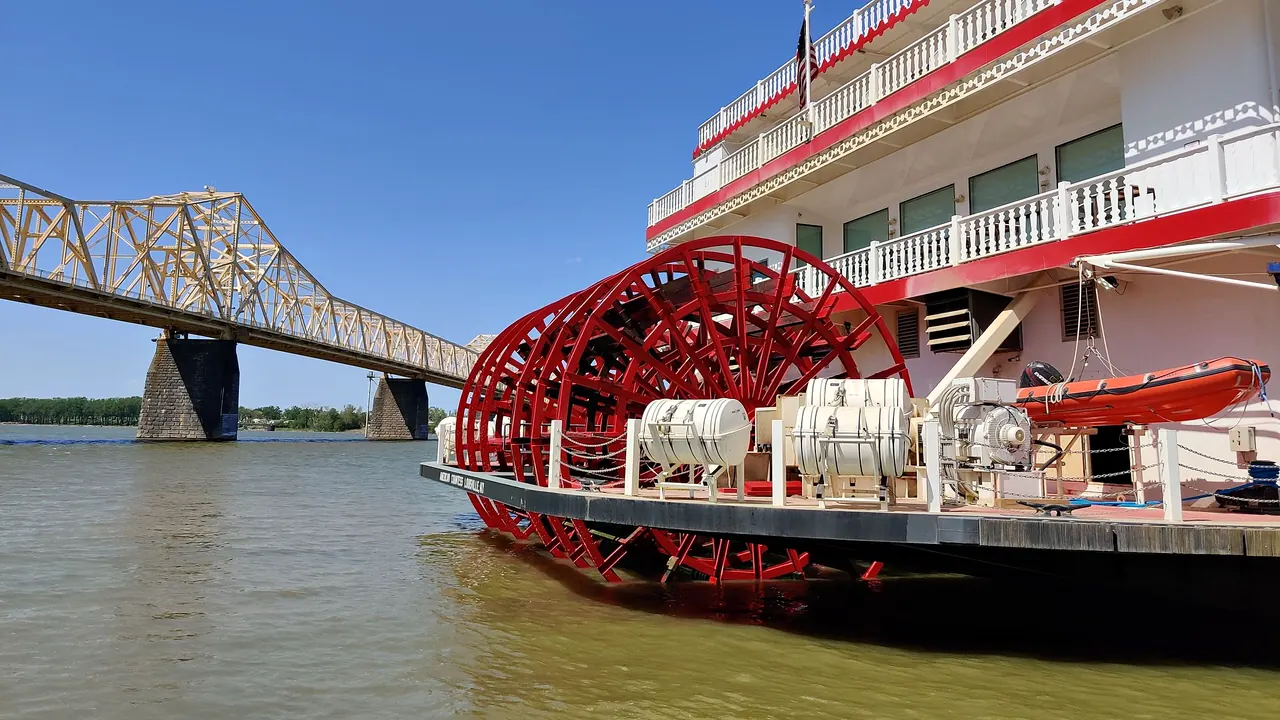
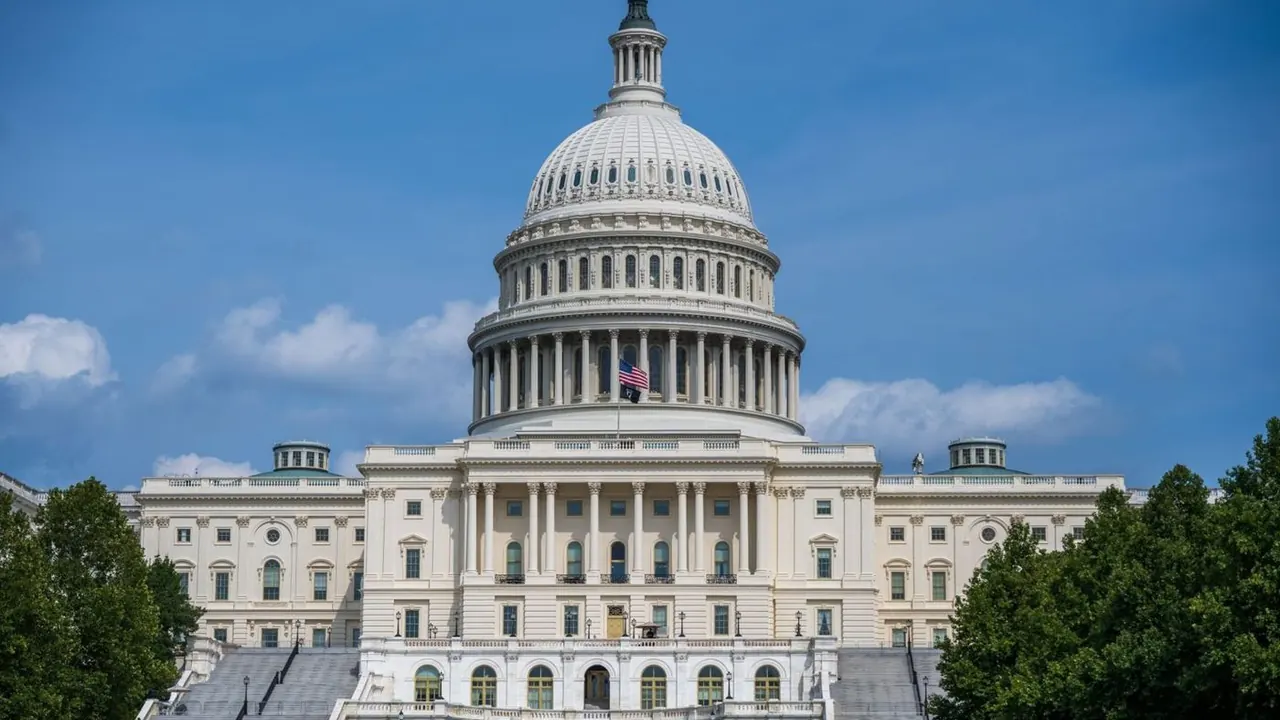
Photos: Louisville by NachoServant, CC BY-SA 4.0, cropped; Washington DC by Guohua Song, Pexels License.
Louisville or Washington DC?
Our verdict in twelve categories, each scored against the same fixed benchmark cities, and the climate month by month, so you can choose for your trip.
Choose Louisville for
- prices
Louisville suits a slower, cheaper trip built around Kentucky's own traditions: bourbon on Whiskey Row and out in the distillery country, the racing world of Churchill Downs and the Lexington horse farms, and plenty of good Southern cooking. Hotel rooms cost less here outside Derby week, but plan on driving, because almost everything beyond downtown needs a car.
Choose Washington DC for
- getting around
- culture and sights
- shopping
Washington DC is the stronger choice for travellers who want a full week of sightseeing without a car. The free Smithsonian museums, the National Gallery and the monuments on the Mall are in a different league from anything Louisville has, the Metro links most of the sights, and the theatre, food and nightlife run deeper. The price of all this is the cost of a hotel room, which stays high all year.
Scoreboard
Twelve categories on one fixed scale from 0 to 100. The shaded stretch is the gap between the two.
Your match
Pick a travel style or drag the sliders, and both match scores follow your weighting.
Wins on prices with your weighting.
Wins on getting around and culture and sights with your weighting.
What matters to you?
Category by category
What the scores mean for a trip.
Beaches & swimming
Neither city is a beach destination, and both rivers are off limits for swimming. The difference is the kind of water you can reach. From Louisville you drive out to the reservoir lakes in the Kentucky countryside for lake swimming and boating.
From Washington the nearest swimming is on the Chesapeake around Annapolis, about an hour away. The water is warm but brackish, and the beaches are small. The proper Atlantic resorts are about three hours away, too far for an afternoon. In both cities, most summer swimming happens in a hotel pool.
Food & drink
Washington offers more range. It has the Ethiopian restaurants of Shaw and U Street, pupusas in Columbia Heights, blue crabs and oysters from the Chesapeake, and markets to graze at on Capitol Hill and in NoMa. At the top end it has serious tasting menus. Its weak spot is the corporate steakhouse dining around the downtown offices.
Louisville's food is narrower but more strongly its own. Bourbon sits at the centre, and the local dishes are rich and specific: the hot brown, burgoo and Derby pie. The best kitchens in NuLu and the Highlands cook Southern food with produce from Kentucky farms, but the choice thins quickly once you look beyond those traditions.
Culture & sights
This is where the two cities differ most. Washington lines the Mall with the Smithsonian museums and the National Gallery, almost all of them free, and surrounds them with the Capitol, the memorials and Arlington Cemetery. That is easily a week of sightseeing.
Louisville's sights tell the story of its own fame: Churchill Downs and the Derby Museum, the Muhammad Ali Center and the Slugger Museum on Whiskey Row. Add the Speed Art Museum and a walk through the Victorian streets of Old Louisville, and you have two or three good days.
Nightlife
In both cities a night out means bars rather than clubs, but Washington has more of them and a younger crowd. Staffers and students fill the cocktail bars and rooftops on 14th and U Street from Thursday to Saturday, Adams Morgan stays rowdy until late, and Dupont Circle is the centre of LGBTQ+ nightlife.
Louisville's evenings are mostly spent on Bardstown Road, a long strip of dive bars and patios, with bourbon bars in NuLu and Butchertown. A few bars are licensed to stay open very late. The whole city comes out around the Derby in spring.
Nature & outdoors
Washington has more of the outdoors within easy reach. Rock Creek Park runs through the city, the C&O Canal towpath follows the Potomac for hundreds of kilometres, and Great Falls has a rocky gorge and whitewater about half an hour away. The ridges of Shenandoah are a long morning's drive.
Louisville has fine Olmsted parks in Cherokee and Iroquois, and across the river you can walk on fossil beds at the Falls of the Ohio when the water is low. Bernheim Forest is good for woodland walks, and Mammoth Cave is about an hour and a half away. The countryside around the city is gentle rather than dramatic.
Day trips
Washington has more variety within reach, and much of it can be done without a car. Old Town Alexandria is on the Metro, and Baltimore and Philadelphia are easy by train. Mount Vernon, Annapolis and the Civil War battlefields at Gettysburg, Antietam and Harpers Ferry fill out a long list.
Louisville's day trips centre on bourbon and horses. There are distilleries around Bardstown and Frankfort, thoroughbred farms and Keeneland near Lexington, and Shaker Village and Lincoln's birthplace for a change of theme. All of it needs a car, and someone in the group has to stay sober to drive.
Good for families
Washington is the easier city with children, mostly because the dinosaurs, rockets and the National Zoo all cost nothing. The Metro has lifts at every station, which makes buggies manageable. The walks along the Mall are long and get very hot in summer.
Louisville has something Washington lacks: Kentucky Kingdom, with roller coasters and a water park, plus the underground ziplines of the Mega Cavern. With a car, it is a relaxed place for a family, but the sights are spread across the city.
Getting around
Getting around is easy in Washington and hard in Louisville. Washington's flat grid and colour-coded Metro reach most of the sights, plus Arlington, Alexandria and the airport, and bike-share docks and the riverside paths fill the gaps. You only need a car for trips out into the countryside.
In Louisville you need a car or ride-hailing from the start. There is no rail transit and the buses are slow. Only downtown and NuLu are walkable, and Churchill Downs, the Highlands and the parks are all a drive away. The roads are at least easy to drive.
Shopping & style
Louisville's shopping is about what the place itself produces, while Washington's is about range. In Louisville that means a few design shops and galleries in NuLu, vintage clothing, records and antiques along Bardstown Road, and above all a bottle of bourbon from a distillery shop that you will not find at home.
Washington gives you a good deal more to browse, though shopping is still a sideline there. Georgetown's M Street and Wisconsin Avenue mix fashion chains with boutiques and antique shops in old brick buildings, CityCenterDC gathers luxury labels downtown, and Eastern Market adds weekend craft and flea stalls. The Smithsonian and National Gallery shops are good for prints and books.
Affordability
Louisville is the cheaper stay, mainly because its hotel rooms are moderately priced for most of the year and parking is easy. Daily costs eat into that saving, though, with tips and tax on every meal and a car or ride-hailing every day. Avoid Derby week, when room rates multiply.
In Washington, rooms are expensive all year and dearer still in cherry blossom season, and restaurants are priced for expense accounts. Free sights and a cheap Metro ride help, and staying in Arlington cuts the room bill.
Live music & performing arts
Louisville gives you a dependable night out at the theatre or concert hall, but there is not much to choose between. One arts centre holds the orchestra, opera and ballet, a respected playhouse puts on new American writing, and touring Broadway shows come through. Its own flavour is in the bars, where bluegrass and Americana bands play through the week, and at outdoor concerts in the parks in summer.
In Washington you can see a different kind of show every night. In one week you could see Shakespeare, a play staged in the house where Lincoln was shot, and challenging new work, then fit in the symphony or the opera. The music has a different accent from Louisville's string bands: jazz, big touring acts in the old theatres around U Street, and the local go-go sound at smaller shows.
Wellness & relaxation
Neither city has a bathing tradition, and both offer little beyond hotel and day spas. Louisville's answer is a slow pace and the grand old mineral-spring resorts of French Lick and West Baden Springs, about an hour and a half away by car. Washington is busier, so rest means quiet corners such as Dumbarton Oaks, the Arboretum or an early walk around the Tidal Basin.
When should you go?
Pick your month. The climate figures are measured averages, not a forecast.
Louisville in July
Washington DC in July
Daytime high, °C
Rainfall in the month, mm
Temperature and rainfall are climate normals, averaged over the years shown. Louisville: 1991-2020 (sunshine 1981-2010) normals, Standiford Field (8.2 km from centre). Washington DC: 1991-2020 (sunshine 1981-2010) normals, Washington National Airport (5 km from centre).
The two cities follow almost the same calendar. Winters are cold, both get hot and humid from June to August with afternoons around 32°C, and the best weather for walking is April to May and again September to October. Louisville is the wetter of the two, with its heaviest rain in spring and May the wettest month at about 132mm. Washington spreads its rain more evenly through the year, with a little more falling in midsummer.
Summer is where they differ most. Louisville gets noticeably more sun in high summer, about 310 hours in July. Washington is the only one with water warm enough for swimming nearby: the Chesapeake reaches about 26°C in August. For long days of walking between sights, choose late spring or early autumn in either city.
Which traveller are you?
For a culture and arts trip, Washington DC is the clear choice. Its free national museums, monuments and the Library of Congress can fill a week. It also has a stronger theatre scene, while Louisville's museums and Old Louisville's mansions fill two or three days.
On a trip on a tight budget, Louisville comes out ahead. Hotel rooms outside Derby week are moderately priced and the parks and riverfront are free. Washington's free museums help, but its hotels stay expensive all year.
For bourbon lovers, Louisville has something Washington cannot match. You can taste whiskeys in the bars of Whiskey Row and visit distillery tasting rooms downtown, and Bardstown and the warehouses of Kentucky's best-known distilleries are a short drive away. Hire a driver or book a tour.
Before you go
| Measure | Louisville | Washington DC |
|---|---|---|
| Currency | US Dollar (USD) | US Dollar (USD) |
| Sockets | AB120 V, 60 Hz | AB120 V, 60 Hz |
| Driving side | Right | Right |
| Time zone | UTC-5, UTC-4 in summer | UTC-5, UTC-4 in summer |
| Emergency number | 911 | 911 |
| Elevation | 142 m | 72 m |
| Main airport | Louisville Muhammad Ali International Airport (SDF)10 km from centre40 non-stop destinations | Ronald Reagan Washington National Airport (DCA)5 km from centre105 non-stop destinations |
| Public holidays this year | 14 days | 11 days |
By the numbers
| Measure | Louisville | Washington DC |
|---|---|---|
| City population | 246,161 | 689,545 |
| People per km² | 1,434 | 3,896 |
| Museums within 10 km | 15 | 98 |
| UNESCO World Heritage sites within 50 km | 0 | 0 |
| Swim season, months above 21 °C | - | 3 months |
Where else could you go?
Every comparison below shares a destination with this one, so you can follow Louisville or Washington DC somewhere new.
- Baltimorevs Washington DC
- Rehoboth Beachvs Washington DC
- Bethany Beachvs Washington DC
- Ocean City, Marylandvs Washington DC
- Williamsburg, Virginiavs Washington DC
- Cape Mayvs Washington DC