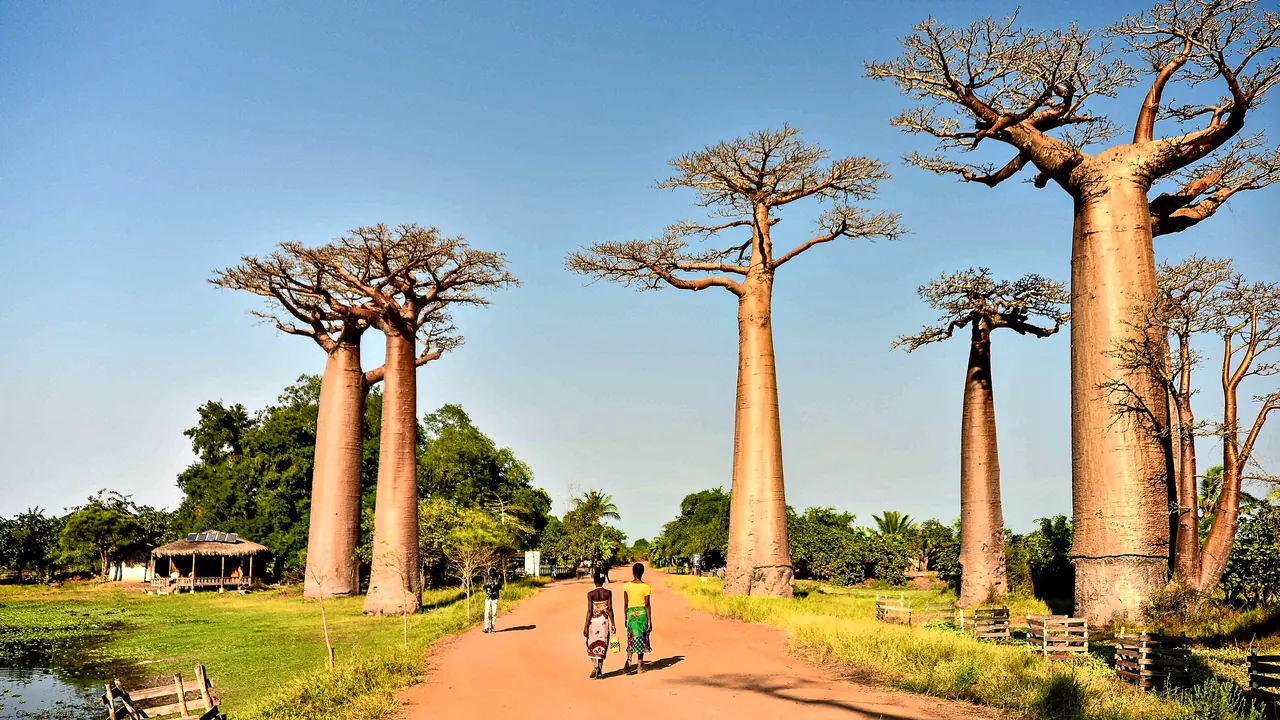
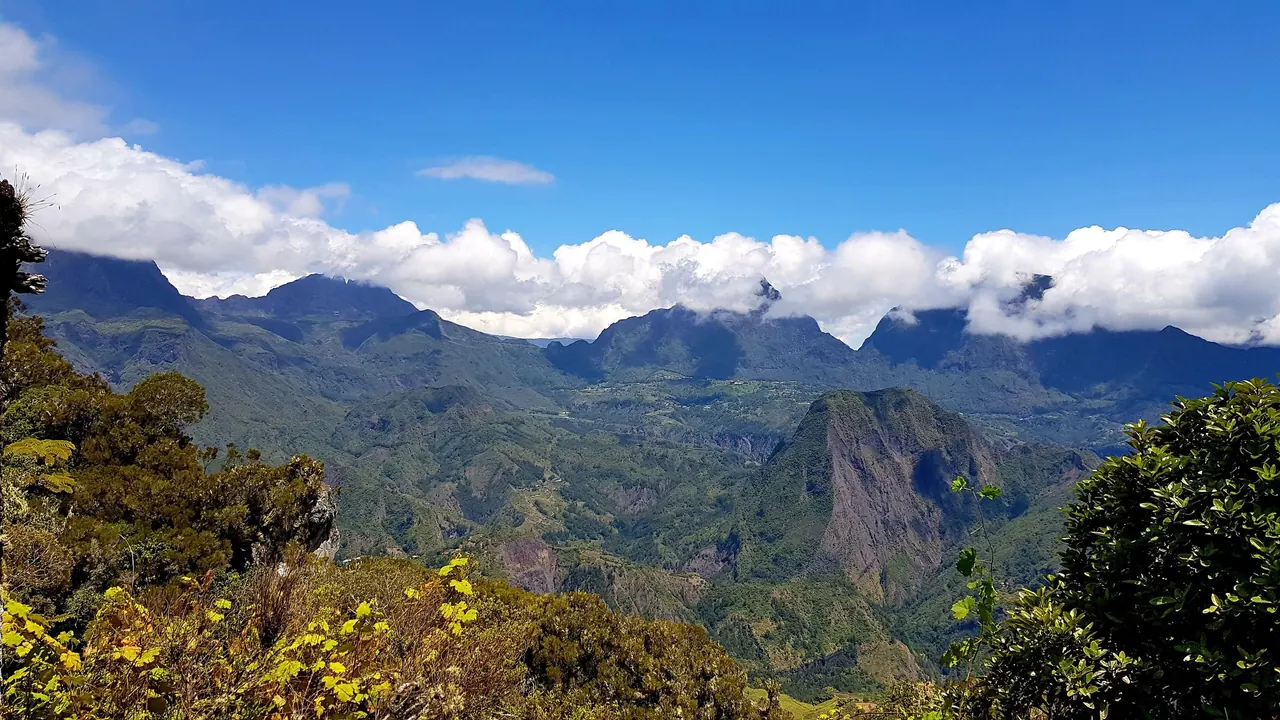
Photos: Madagascar by Rod Waddington from Kergunyah, Australia, CC BY-SA 2.0, cropped; Réunion by Asile4ever, CC BY-SA 4.0, cropped.
Madagascar or Réunion?
Our verdict in twelve categories, each scored against the same fixed benchmark cities, and the climate month by month, so you can choose for your trip.
Choose Madagascar for
- prices
- beaches
Madagascar is for travellers who want wildlife found nowhere else and are willing to work for it. Lemurs in the Andasibe rainforest, the baobabs near Morondava and the limestone needles of the Tsingy make up a long circuit, and the better beaches at Nosy Be and Ile Sainte-Marie make a good place to end it. Day-to-day costs are low. Distances are huge, though, the roads are hard and domestic flights slip, so it suits a long trip with time to spare more than a tight schedule.
Choose Réunion for
- families
- food and drink
- day trips
Réunion is the easier choice: one compact island with French healthcare, supermarkets and a rental car, where you can base yourself on the west coast and spend each day hiking a cirque or walking to the volcano's rim. It suits walkers, families and anyone who wants Creole cooking, maloya music and a spa town in the mountains on the same trip. The beaches are fewer and everything costs what it would in France, but the island repays every day you spend there with less travel time.
Scoreboard
Twelve categories on one fixed scale from 0 to 100. The shaded stretch is the gap between the two.
Your match
Pick a travel style or drag the sliders, and both match scores follow your weighting.
Wins on prices and beaches with your weighting.
Wins on families and food and drink with your weighting.
What matters to you?
Category by category
What the scores mean for a trip.
Beaches & swimming
Madagascar has the better beaches, spread around a huge coastline. Nosy Be is the main base, with calm western bays and boat trips out to the sandbars of Nosy Iranja. Ile Sainte-Marie has palm-lined coves inside its reef, and Ifaty, Anakao and the Emerald Sea near Diego Suarez add more choice. Each of these is usually a separate flight from the capital, and the beaches are simple rather than polished.
On Réunion, swimming is limited to the reef-protected lagoons between Saint-Gilles and Saint-Leu, plus Étang-Salé with its black sand. The water there is clear and good for snorkelling, but shallow and crowded at weekends. It is a pleasant break between hikes, not a beach vacation.
Where in Madagascar: Nosy Be, Ile Sainte-Marie, Ifaty and Anakao, Diego Suarez and the Emerald Sea
Food & drink
Réunion eats better. Creole carri and rougail come with lentils from Cilaos, and the island's Tamil, Chinese and Malagasy roots show in samoussas and bouchons sold from roadside vans. The markets at Saint-Paul and Saint-Pierre are full of fruit and spices, and table d'hôte dinners up in the cirques are often the best meals of a trip.
Madagascar's cooking rests on rice with a laoka such as romazava. It is good at its best: the lobster and crab in vanilla sauce on Nosy Be, or French-Malagasy dining in Antananarivo's upper town. On the road between these places, though, menus shrink to whatever the hotely serves.
Where in Madagascar: Antananarivo, Nosy Be, Ile Sainte-Marie
Culture & sights
Neither island has much in the way of monuments, and the two offer very different kinds of heritage. Madagascar's is royal and highland: the Rova on Antananarivo's top ridge, the sacred hill of Ambohimanga and the old upper town of Fianarantsoa. Its strongest traditions, painted tombs and famadihana reburials, are glimpsed on the road rather than visited.
Réunion's heritage is Creole and easier to visit. Saint-Denis has the verandaed villas of Rue de Paris, and Hell-Bourg keeps its painted cottages. Its museums, such as the Cité du Volcan and the Villèle estate on slavery, explain the island far better than Madagascar's few small museums explain the country.
Where in Madagascar: Antananarivo, Ambohimanga, Fianarantsoa, Antsirabe
Nightlife
Both islands go to bed early, and in both cases the reason is a dawn start in the forest or on the trail. Madagascar's going out is split between Antananarivo's bars and clubs playing salegy, which you reach by taxi, and the beach-bar strip at Ambatoloaka on Nosy Be. On Réunion, the sunset bars and weekend clubs are in Saint-Gilles-les-Bains, with a more local seafront scene in Saint-Pierre, both within easy reach of a west-coast base.
Where in Madagascar: Antananarivo, Nosy Be
Nature & outdoors
Both are outstanding, but for different reasons. Madagascar is about animals: the indri's call at dawn in Andasibe, golden bamboo lemurs at Ranomafana and chameleons everywhere. Add the baobab avenue near Morondava, the rope bridges of the Tsingy de Bemaraha and the canyons of Isalo, and you have a circuit that takes weeks.
Réunion is about terrain you can walk. You can cross the roadless Cirque de Mafate on the GR R2, climb Piton des Neiges overnight for sunrise, or walk to the crater rim of the Piton de la Fournaise. The island also has canyoning and paragliding. Both islands have humpback whales offshore in the southern winter.
Where in Madagascar: Andasibe-Mantadia, Ranomafana, Tsingy de Bemaraha and Morondava, Isalo
Day trips
Réunion is better for days out. From a west-coast base you can spend a morning at Saint-Pierre's market, walk among Hell-Bourg's Creole houses, drive up to Cilaos or visit the vanilla plantations around Saint-Philippe, and Saint-Denis is easy to reach for a day.
Madagascar is a country of long journeys rather than outings. From Antananarivo there is the half day at Ambohimanga or a day among the crater lakes at Ampefy. From Nosy Be, boats run to the embroidery villages of Nosy Komba. Anything further is a stage of the trip, not a return excursion.
Where in Madagascar: Antananarivo, Nosy Be
Good for families
Réunion is far easier with children. It is safe and feels French, with good healthcare and supermarkets, and the shallow lagoon at L'Hermitage and La Saline lets small children see fish in water they can stand in. Kélonia's turtles, the crocodile park near Étang-Salé and the Cité du Volcan fill the rainy days, though the steep hikes and hairpin roads into the cirques are hard going for young children.
Madagascar's lemurs at Andasibe delight children, and Nosy Be's calm bays suit younger ones. Otherwise the trip is demanding, with malaria in the lowlands, long days on rough roads and limited medical care outside the capital. It works best with older, adventurous children.
Where in Madagascar: Nosy Be, Andasibe-Mantadia
Getting around
Réunion is small enough to drive around with a rental car. A coastal expressway links the towns, although rush-hour traffic is heavy and the winding roads up to Cilaos or Salazie take a full morning. Mafate is the only part you cannot drive to.
In Madagascar, getting around is the hardest part of the trip. Most visitors hire a car and driver for the RN7, where a few hundred kilometres of potholes can take a full day. Reaching the beach islands means domestic flights that are often delayed, so the itinerary needs spare days that a Réunion trip does not.
Where in Madagascar: RN7 from Antananarivo to Tulear, Nosy Be
Shopping & style
Madagascar's souvenirs are made by hand. The Digue craft market on the edge of Antananarivo gathers raffia baskets, carved wood, embroidered linen and the pressed-flower paper of Ambalavao, and in Antsirabe small workshops turn recycled tin and bicycle parts into toys. Semi-precious stones are sold everywhere, but their quality varies.
Réunion's are mostly things to eat and drink, such as vanilla from the south-east, spices and rum arrangé from the covered market in Saint-Denis. Cilaos embroidery is the one notable craft, and beyond that the island has French chain stores and suburban shopping centres. Neither island has fashion streets, but vanilla is easy to bring home from either.
Where in Madagascar: Antananarivo, Antsirabe, Ambalavao
Affordability
Madagascar is much cheaper day to day. Guesthouses, local meals and taxis in Antananarivo cost very little, and family hotels along the RN7 keep a road trip cheap, as do the simple bungalows on Ile Sainte-Marie. The real costs are the driver, park fees, compulsory guides, Nosy Be's resorts and domestic flights, so a two-week circuit costs more than local prices suggest.
Réunion is priced like France, and its beach hotels are at their dearest in the southern winter. Gîtes, self-catering and lunch from snack vans soften the bill, and the hiking costs nothing.
Where in Madagascar: the highlands along the RN7, Antananarivo, Ile Sainte-Marie, Nosy Be
Live music & performing arts
Réunion gives a visitor more to plan an evening around. Maloya, its UNESCO-recognised drum-and-chant tradition, is played at kabars and on festival stages, sega fills the bars, and the Sakifo festival in Saint-Pierre is the high point of the year. The theatres in Saint-Gilles and Saint-Denis host touring shows.
Madagascar's music, from the valiha zither to salegy, is everywhere, but mostly heard by chance. Hira gasy troupes in Antananarivo and the festival on Nosy Be are the main things you can plan around.
Where in Madagascar: Antananarivo, Nosy Be
Wellness & relaxation
Réunion is the more restful of the two. Cilaos has been a spa town since the nineteenth century, with a proper thermal spa beneath the cirque walls, and a few nights in a gîte in Salazie or Mafate, cool and quiet after dark, may be the most restorative part of a trip.
Madagascar's hot springs at Antsirabe and Ranomafana are simple local pools, welcome after a day on muddy trails but not a reason to go. Rest there usually means a few slow days at the end of the circuit in a resort spa on Nosy Be or a beach lodge on Ile Sainte-Marie.
Where in Madagascar: Antsirabe, Ranomafana, Nosy Be, Ile Sainte-Marie
When should you go?
Pick your month, and for a country the place in it. The climate figures are measured averages, not a forecast.
Where in Madagascar
Antananarivo (Madagascar) in July
Réunion in July
Daytime high, °C
Rainfall in the month, mm
Where the figures come from
Réunion's temperatures are measured 36 km from the centre, at Saint-Denis / Gillot.
Réunion has no rain gauge within 25 km of the centre, so its rainfall comes from a gridded climate dataset read at the destination rather than from a gauge further away.
Temperature and rainfall are climate normals, averaged over the years shown. Antananarivo (Madagascar): 1991-2020 (rainfall 1961-1990) normals, Antananarivo / Ivato (13 km from centre). Réunion: 1991-2020 normals, Saint-Denis / Gillot (36.1 km from centre).
Madagascar's seasons depend on where you are. Antananarivo and the highlands are dry and pleasantly cool from May to September, with highs around 21°C in July, which is ideal for walking the capital's stairways and touring the RN7. The rains build from November and are at their heaviest in December. Nosy Be stays hot all year, and the sea there is warm enough to swim in every month, but its wet season is heavy, with about 404mm of rain in January. From July to October it is far drier and the best time for the beach.
Réunion's year is more even. The sea is warm for swimming all year, cooling to about 24°C in the southern winter, and sunshine changes little from month to month. January to March is hot and very wet, while September and October are the driest months, with around 40mm of rain, and so the best time for the trails. On both islands, May to November is the season to aim for.
Which traveller are you?
On a beach and sun trip, Madagascar is the better choice. Nosy Be's calm western bays, Sainte-Marie's reef-sheltered coves and the Emerald Sea lagoon give far more swimming than Réunion's short strip of shallow lagoon on the west coast.
On a family trip with children, Réunion is much easier. It has French healthcare, the safe, waist-deep lagoon at L'Hermitage, plus Kélonia and the aquarium for rainy days. Madagascar brings malaria, rough roads and simple lodges, and the lemurs alone cannot make up for that.
On a trip on a tight budget, Madagascar goes further. Its guesthouses, hotely meals and taxis cost very little, and family hotels line the RN7. Réunion is priced like France and a rental car is unavoidable, although gîtes and snack vans help.
More comparisons
Each shares a side with Madagascar or Réunion.
Where else could you go?
Set Madagascar against any other country.