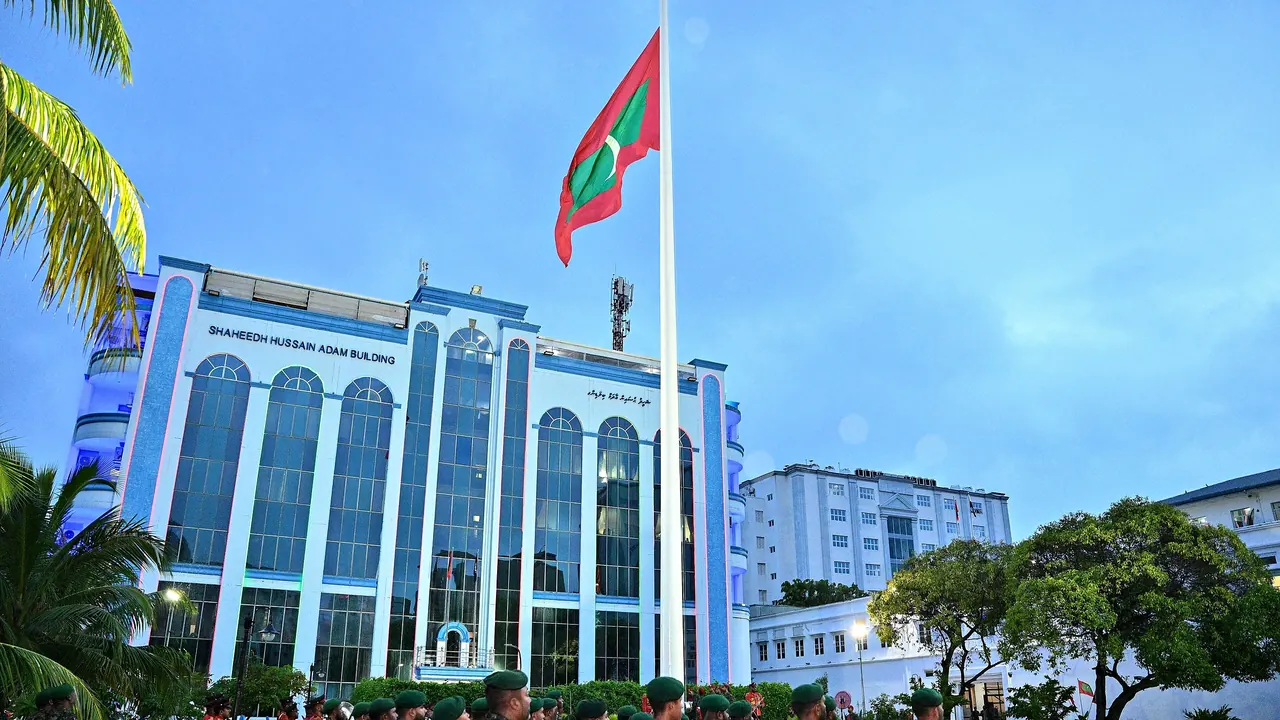
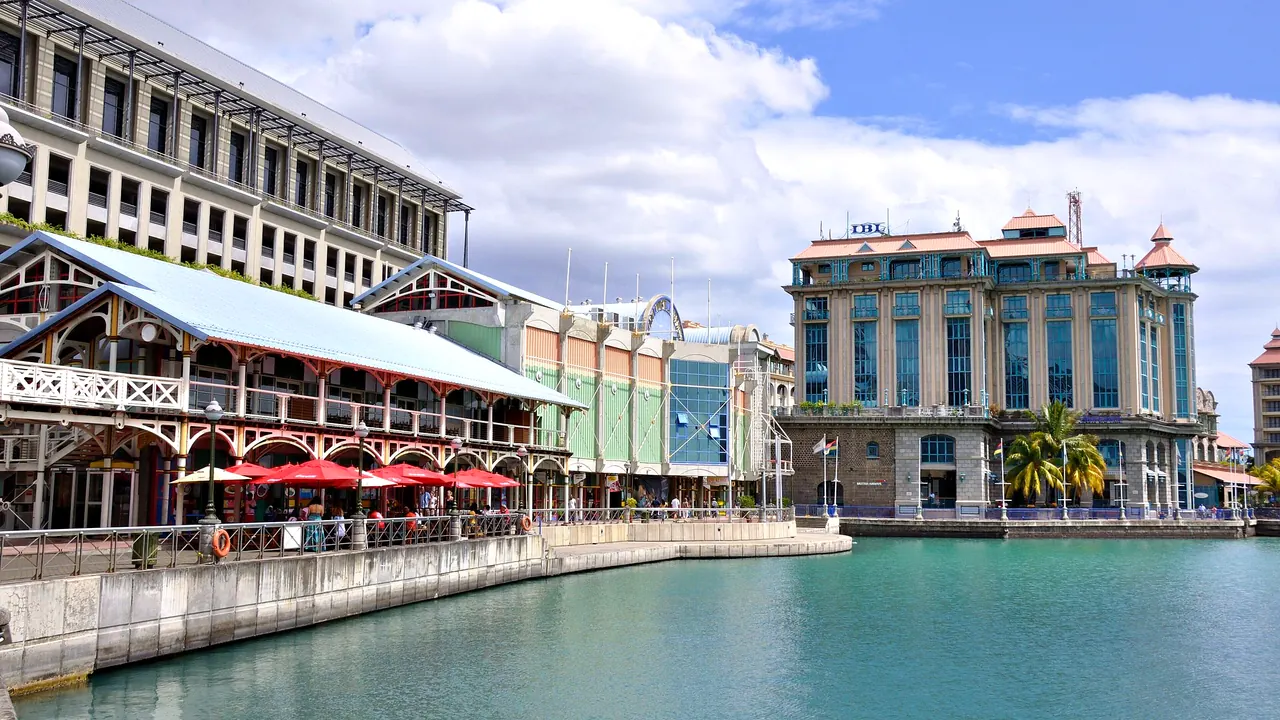
Photos: Malé by The President's Office of the Republic of Maldives, CC BY 4.0, cropped; Port Louis by Simisa, CC BY-SA 3.0, cropped.
Malé or Port Louis?
Our verdict in twelve categories, each scored against the same fixed benchmark cities, and the climate month by month, so you can choose for your trip.
Choose Malé for
- getting around
Malé is for travellers whose vacation happens underwater. The capital itself is a small, walkable coral island you can see in an afternoon, but the reefs of the surrounding atolls, with their shark channels and manta cleaning stations, sit a short boat ride away. It works best as a base for diving and island-hopping, or as a stopover on the way to a resort, for people who don't mind a dry city with quiet evenings.
Choose Port Louis for
- food and drink
- families
- shopping
Port Louis suits a broader trip. You get a real street-food culture, a historic core shaped by the many communities who arrived through its harbour, volcanic peaks to climb and a whole island of gardens, crater lakes and lagoon beaches within a couple of hours' drive. Expect to rely on a car or taxis. In return it is the better choice for food lovers, families and anyone who wants land as well as sea.
Scoreboard
Twelve categories on one fixed scale from 0 to 100. The shaded stretch is the gap between the two.
Your match
Pick a travel style or drag the sliders, and both match scores follow your weighting.
Wins on getting around with your weighting.
Wins on food and drink and families with your weighting.
What matters to you?
Category by category
What the scores mean for a trip.
Beaches & swimming
Neither capital is a beach town, and both send you elsewhere to swim. From Malé it is a bridge or a short ferry ride to the white lagoon strand at Hulhumalé or the quieter shore of Villimalé. Those are inhabited islands, though, where swimmers stay covered up. For bikinis and sandbanks you take a speedboat to Maafushi or buy a resort day pass.
Port Louis has a slight edge. Pointe aux Piments, Trou aux Biches and Flic en Flac are about half an hour away by road, and their calm, shallow water inside the reef is easy for any swimmer. The cost is a drive every beach day. Malé's sea, on the other hand, is warmer through the southern winter.
Food & drink
Port Louis is far stronger here. Its cooking mixes Indian, Creole, Chinese and French roots, and you eat it on the street: roti and dholl puri around the Central Market, boulettes in Chinatown, and vindaye fish at long canteen tables at lunch, with local rum and beer to drink.
Malé's food is narrower but has real character. Try mas huni with roshi for breakfast, garudhiya broth, and the glass cabinets of hedhikaa in the tea shops, and walk through the fish market as the tuna is cut. Beyond that the choice is thin, and with no alcohol anywhere in the city, a long dinner is not much of an occasion.
Culture & sights
Port Louis gives you a full day of history. There is the UNESCO-listed Aapravasi Ghat, where indentured labourers from India landed, plus Place d'Armes and Government House, the dodo skeleton and the Blue Penny stamps, and mosques, pagodas, temples and cathedrals within a few streets of each other.
Malé's heritage is smaller but very much its own. The coral-stone Hukuru Miskiy, with its carved headstones and lacquered interior, is the standout, with the National Museum's Buddhist-era carvings close by. All of it fits into one morning's walk.
Nightlife
The real difference after dark is alcohol. Malé serves none anywhere in the city, so evenings mean late cafés, juice bars and families strolling the promenade and the artificial beach. For a drink you have to go out to a resort or a liveaboard.
Port Louis has little more than a quiet evening either, but at least it has the option. The Caudan waterfront keeps a few bars and a casino open, and Grand Baie's beach bars and small clubs are a taxi ride up the coast, though they only get busy at weekends.
Nature & outdoors
Port Louis wins because it offers both land and sea. You can climb Le Pouce in a morning, take on Pieter Both or Le Morne, and walk the forest trails of Black River Gorges to look for pink pigeons, then snorkel, kitesurf or watch spinner dolphins on the coast.
Malé has no landscape on land at all, but underwater it is exceptional. The reefs of North and South Malé atolls, with their shark-filled channels, manta stations, wrecks and coral gardens, are a short boat ride away. Visibility is best in the calmer months from December to April.
Day trips
From Port Louis the whole island is within reach by road. You can visit the giant water lilies at Pamplemousses, the sugar and rum estates, the Eureka house in the cool uplands, the Hindu pilgrimage lake at Grand Bassin and the old lagoon town of Mahébourg, so each outing feels different.
Malé's outings are boat rides to islands such as Maafushi, Guraidhoo or Thulusdhoo, with sandy lanes, small mosques and fishing boats. They are pleasant, but after the second one they start to look alike, and the reason to go is the water rather than the place.
Good for families
Port Louis is the easier choice with children. That is less because of the city, which is hot and full of traffic, and more because of what lies close by: calm lagoon beaches, animal encounters at Casela, and the tortoises and crocodiles at La Vanille.
Malé is safe and friendly, but the scooter-packed lanes, narrow pavements and lack of shade make it tiring with a pushchair. Hulhumalé's parks and paddling lagoon help, but most families sensibly head straight to a resort.
Getting around
Malé is easier to manage. The whole island is about 2km across, taxis charge flat fares, and a bridge and frequent ferries link it to Hulhumalé, the airport and Villimalé. Pavements are cramped, and getting to the outer islands means slow public ferries or booking a speedboat.
In Port Louis, the historic centre is walkable and the light rail runs up to Curepipe, but beaches and parks are scattered around the island. That means slow buses, taxis or a hire car, and weekday traffic jams in and out of the capital.
Shopping & style
Port Louis has more to browse. There are spices, teas and pickles in the iron-and-stone Central Market with crafts upstairs, odds and ends in Chinatown, and duty-free shops on the Caudan waterfront. Model ships, vanilla, rum and local knitwear make good things to take home.
Shopping in Malé is mostly for residents, along Majeedhee Magu. The best buys are edible, such as jars of smoked tuna paste from the harbour market. Real lacquerwork and woven mats take some finding.
Affordability
Both are the cheaper part of an expensive destination. Street food, local transport and city hotels cost little in either, and things get expensive once you rely on what's sold to tourists. Port Louis stretches a budget a little further.
The difference is where the extra costs come from. In Malé, nearly everything worth doing involves a boat, so speedboats, dive trips and day passes add up fast. In Port Louis the extra cost is mostly getting around, with taxis or a hire car to the beaches and parks, while canteen lunches and the light rail stay cheap.
Live music & performing arts
Neither city has a programme you could plan a trip around, though Port Louis has a little more. Sega, the island's drum-and-triangle music, turns up at hotel evenings and local festivals, and the old municipal theatre hosts the occasional concert. In Malé, the bodu beru drums are heard mainly at Eid, national celebrations and resort shows.
Wellness & relaxation
A quiet day from Malé starts with a boat ride, while from Port Louis it starts with a short drive. Malé itself has nowhere green to retreat to. The island is built to its edges and scooters run through the night. Apart from a few small massage spas in the city and Hulhumalé, real calm means a resort spa day or a slower island across the water.
Port Louis is no more restful in its own streets, which are hot and loud with traffic and market trade, but getting away is easier. The cooler green uplands are reachable by road, and so are the coastal resorts, many of which sell spa day passes for Ayurvedic and Indian Ocean treatments. The pace of the island eases as soon as you leave town.
When should you go?
Pick your month. The climate figures are measured averages, not a forecast.
Malé in July
Port Louis in July
Daytime high, °C
Rainfall in the month, mm
Where the figures come from
Port Louis's station stands 289 m above the city centre, so the centre is likely a little warmer than the figures say.
Temperature and rainfall are climate normals, averaged over the years shown. Malé: 1991-2020 normals, Male (3.9 km from centre). Port Louis: 1991-2020 normals, Vacoas Mauritius (15.4 km from centre).
Malé barely changes temperature, with highs of about 31°C in every month and a sea that is always warm enough for a long swim. The rain is what changes. January to March is the dry, sunny stretch, with February and March getting only about 43mm each, and the seas around the atolls stay calm and clear from about December to April. The rains build in April, and from May to November the southwest monsoon brings heavy showers and rougher water. December is wet again but the sea is calm. The streets are sticky all year, so walk them early or in the evening.
Port Louis has proper seasons. January to March is hot and very wet, with more than 300mm of rain a month. From May to November it is cooler and drier, with July and August highs of about 22°C, good weather for climbing the peaks and walking the old centre. The lagoon cools to about 24°C then, still fine for swimming but fresher than the Maldivian sea. October and November are warm, dry and sunny, which makes them probably the best months for an all-round trip.
Which traveller are you?
For a food and nightlife trip, Port Louis is clearly better. Its market hawkers sell dholl puri, gateaux piments and Chinatown noodles, it has rum and beer, and Grand Baie's bars are a taxi ride away. Malé is alcohol-free and serves mostly tuna.
On a family trip with children, Port Louis gives far more to do: calm lagoon beaches, Casela's animal encounters, the giant tortoises at La Vanille and an aquarium in town. Malé's crowded streets offer little beyond Sultan Park and a small playground.
For scuba divers, Malé is the stronger base. Dive centres in the city and Hulhumalé run day trips to famous atoll sites, with drift dives among grey reef sharks, manta cleaning stations and wrecks. Mauritius has a reef too, but people don't build whole trips around it in the same way.
Before you go
| Measure | Malé | Port Louis |
|---|---|---|
| Official language | Maldivian | French, English |
| Currency | Rufiyaa (MVR) | Mauritius Rupee (MUR) |
| Sockets | ACGJKL230 V, 50 Hz | CG230 V, 50 Hz |
| Driving side | Left | Left |
| Time zone | UTC+5 | UTC+4 |
| Emergency number | Police 119, ambulance 102, fire 118 | Police 112/999, ambulance 114, fire 115/995 |
| Elevation | 2 m | 134 m |
| Main airport | Velana International Airport (MLE)3 km from centre50 non-stop destinations | Sir Seewoosagur Ramgoolam International Airport (MRU)36 km from centre37 non-stop destinations |
By the numbers
| Measure | Malé | Port Louis |
|---|---|---|
| Population | 133,019 | 149,194 |
| People per km² | 22,934 | 3,195 |
| Museums within 10 km | 1 | 7 |
| UNESCO World Heritage sites within 50 km | 0 | 2 |
| Swim season, months above 21 °C | 12 months | 12 months |
Where else could you go?
Every comparison below shares a destination with this one, so you can follow Malé or Port Louis somewhere new.
- Réunionvs Port Louis
- Colombovs Malé
- Antananarivovs Port Louis
- Nosy Bevs Port Louis
- Mahevs Port Louis
- Zanzibarvs Port Louis