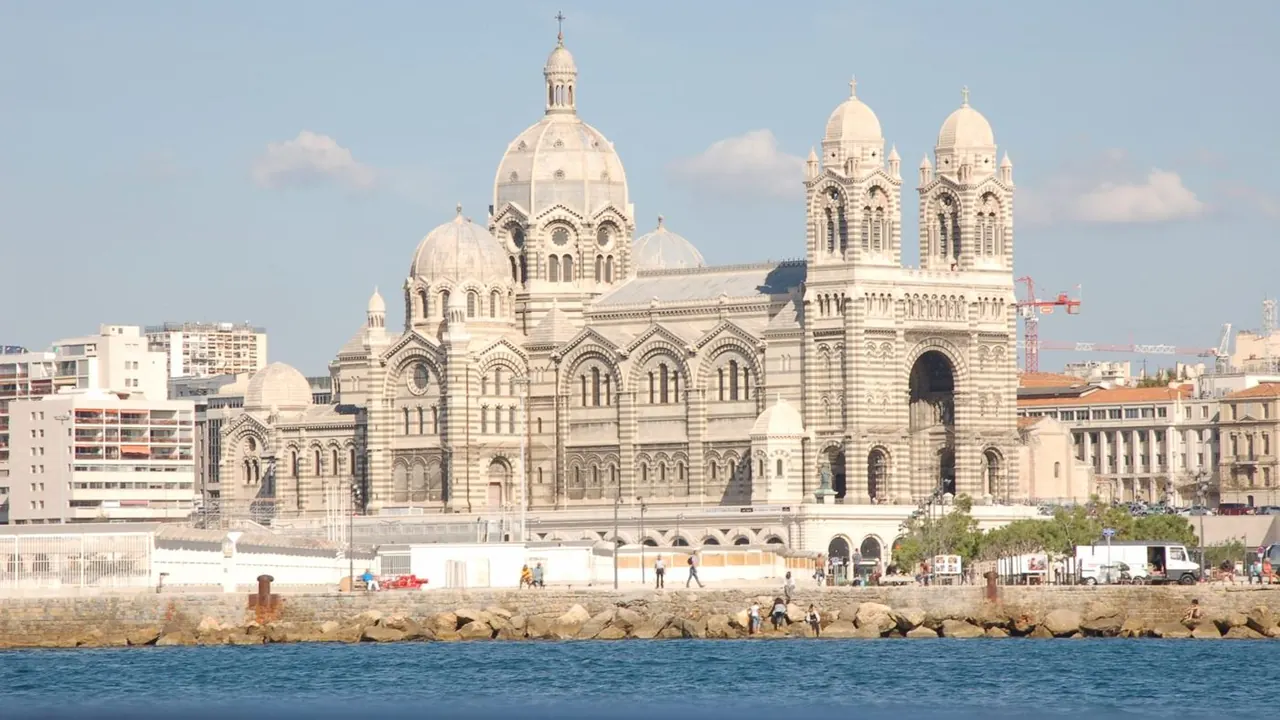
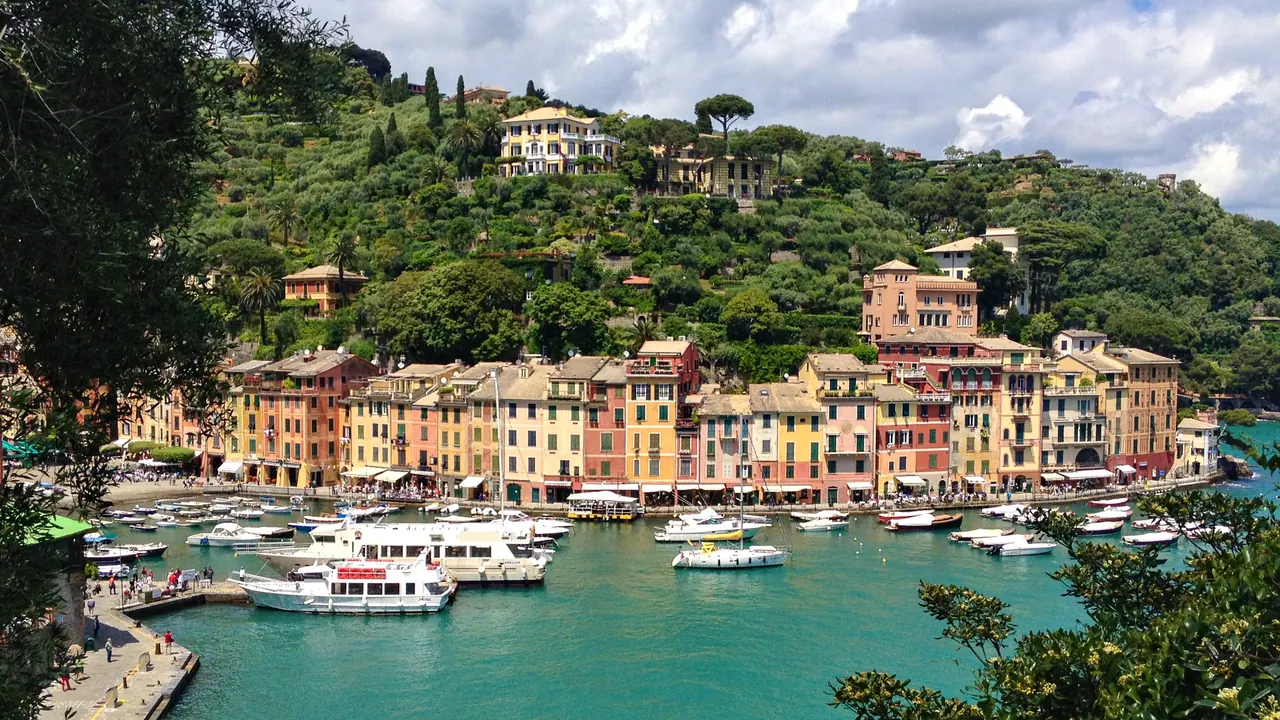
Photos: Marseille by Charlotte Noblet, CC BY-SA 3.0, cropped; Portofino by Michal Osmenda, CC BY 2.0, cropped.
Marseille or Portofino?
Our verdict in twelve categories, each scored against the same fixed benchmark cities, and the climate month by month, so you can choose for your trip.
Choose Marseille for
- live music and the arts
- nightlife
- culture and sights
Marseille is the better pick for nearly any trip that wants a real city around it. You get France's oldest port, the MuCEM and the lanes of Le Panier, the North African market streets of Noailles and late bars around Cours Julien, with the Calanques national park on the southern edge of town. It also costs far less and makes a much stronger base for Provence, with Aix, Arles and Avignon easy to reach by train.
Choose Portofino for
- wellness
Choose Portofino for a short, scenic stay where the village itself is the reason to come. It suits couples who want a painted harbour, the walk out to the lighthouse, the headland trails down to San Fruttuoso and a swim off clear rocks, and who don't mind very high prices and quiet evenings. There is little to visit indoors, and many people sleep more cheaply in Santa Margherita and come over for the day.
Scoreboard
Twelve categories on one fixed scale from 0 to 100. The shaded stretch is the gap between the two.
Your match
Pick a travel style or drag the sliders, and both match scores follow your weighting.
Wins on live music and the arts and nightlife with your weighting.
Wins on wellness with your weighting.
What matters to you?
Category by category
What the scores mean for a trip.
Beaches & swimming
Marseille gives you more ways to swim. The Prado beaches are long, mixing shingle and imported sand with lawns behind them, and locals swim before work at Catalans and in the Corniche inlets. Further out are the turquoise Calanques and the coves of the Frioul islands, though both take a boat trip or a walk.
Portofino has no real beach. You swim off rock platforms and ladders towards the lighthouse, in very clear, deep water. The only nearby sand is at Paraggi, and most of it is paid beach clubs. San Fruttuoso's pebbles are lovely, but every spot here is small and fills up quickly.
Food & drink
Marseille is the far better place to eat. Bouillabaisse is a serious sit-down meal in the little Corniche harbours, and the everyday food runs from panisses and wood-fired pizza to the Comorian, Armenian and North African grocers and bakeries of Noailles. Fishermen also sell their catch on the Vieux-Port quay each morning.
Portofino has good Ligurian dishes, such as trofie with pesto and the thin cheese focaccia from Recco. But they come from a small cluster of expensive harbour terraces, and the cooking rarely matches the view. There is no market or street food, so people who care about eating go to Camogli or the hill trattorie.
Culture & sights
The gap here is wide. Marseille has more than two and a half thousand years of history spread across a working city: the MuCEM and Fort Saint-Jean, the Vieille Charité in Le Panier, the crypts of Saint-Victor, the Château d'If and Le Corbusier's Cité Radieuse. A curious visitor can fill several days.
Portofino's sight is mostly the village itself: a horseshoe of ochre houses, San Giorgio and Castello Brown above the harbour. The medieval abbey at San Fruttuoso is a fine walk or boat ride away. It all fits into a day, with no museum of any size.
Nightlife
Marseille has a real night out, informal and loud. Students and locals fill the bars and pavement tables around Cours Julien and La Plaine, the Vieux-Port terraces carry on late, and there are warehouse electronic nights and summer rooftop parties.
Portofino's evening is a dressed-up aperitivo facing the yachts, then dinner, and that is mostly it. There are no clubs, and outside high summer the village is quiet early. For more you would go to Rapallo or Genoa.
Nature & outdoors
Both protect a long stretch of steep coast as parkland, and Marseille has slightly more to offer. The Calanques national park gives bare white limestone ridges, the inlets of Sormiou and En-Vau, a famous coastal walk and serious sport climbing, with Sainte-Victoire and the Sainte-Baume forest within an hour.
Portofino's headland is a regional park, and it is greener, with holm oak, pine and scrub on trails over Monte di Portofino and down to San Fruttuoso. Some of the exposed sections have chains. Offshore, its marine reserve has red coral walls, seagrass meadows and the sunken Christ of the Abyss. In both places summer heat makes spring and autumn better for hiking.
Day trips
Marseille is the stronger base. Aix is about half an hour away, Cassis is closer still, and Arles and Avignon are an hour or less by train. With a car you can add Nîmes, the Pont du Gard and the Luberon hill villages, so a week can mix Roman sites, painters' towns and wine estates.
Portofino's outings run along one coast. Camogli, Santa Margherita and Sestri Levante are close by, and Genoa's medieval centre is under an hour away. The summer ferries to the Cinque Terre and Portovenere make the journey part of the pleasure, but out of season trains take over and trips need more planning.
Good for families
Neither is easy with children, but Marseille copes better. The Prado beaches have gentle water and lawns, Parc Borély has a lake and gardens, and boats to the Frioul islands and the Château d'If are popular. Heat, traffic and steep streets still lead most families to stay near the southern beaches.
Portofino is safe and calm, but it is made for adults with money. It has no playgrounds, most of the sand is in paid clubs, and steep steps defeat a pushchair. Families usually base themselves in Rapallo and go to Genoa for its aquarium.
Getting around
Marseille gives you more ways to move. The centre is walkable if hilly, two metro lines and trams run on one card, and small ferries cross the port and run to the beaches in summer. The weak spots are slow buses to the Calanques trailheads and stressful driving.
In Portofino, everything in the village is a few minutes apart on foot. The trouble is getting in and out: one narrow road from Santa Margherita, crowded buses and little parking. The spring-to-autumn ferries are the easiest way along the coast.
Shopping & style
Marseille has more to browse, though not much fashion. You can buy olive-oil soap and santon figures from Le Panier workshops, wander the packed lanes of Noailles, and find chains on Rue de Rome and independent boutiques around Cours Julien.
Portofino has a surprising cluster of big fashion and jewellery houses, plus resort linen and swimwear, all in a few lanes. You can see the lot in under an hour. For markets or a longer browse, people go to Chiavari's arcades or to Genoa.
Affordability
Marseille is mid-priced for a large Western European city. Market snacks, cheap transport, free walking in the Calanques and low museum fees help, although rooms near the port go up sharply in July and August.
Portofino is among the most expensive places to stay in Italy. Luxury hotels, piazzetta prices, Paraggi loungers and boat hire all add up, and walking and the local bus are the only bargains. Sleeping in Camogli or Rapallo and visiting by day is the usual way to cut costs.
Live music & performing arts
Marseille has a real season of its own. There is opera at the art deco Opéra, drama at La Criée in the old fish market, and contemporary work at the Friche la Belle de Mai, plus the summer Festival de Marseille and the Fiesta des Suds in autumn. The city's hip-hop and Mediterranean music scenes add to the choice.
Portofino has the odd summer concert in the piazzetta or at the castle, and no venue. For opera or theatre you would spend an evening at Genoa's Teatro Carlo Felice.
Wellness & relaxation
Neither has a spa or bathing tradition, and they are close here. What differs is the mood. Marseille is loud and dense, with a few local hammams and hotel spas, and calm comes from a long lunch in a Corniche harbour or a stay out in Cassis.
Portofino's quiet is part of the place. Hillside hotel spas, empty early mornings and shaded headland paths make it restful, though the midday tour-boat crowds in high summer spoil that calm.
When should you go?
Pick your month. The climate figures are measured averages, not a forecast.
Marseille in July
Portofino in July
Daytime high, °C
Rainfall in the month, mm
Where the figures come from
Portofino's temperatures are measured 31 km from the centre, at Genova / Sestri.
Portofino has no rain gauge within 25 km of the centre, so its rainfall comes from a gridded climate dataset read at the city rather than from a gauge further away.
Temperature and rainfall are climate normals, averaged over the years shown. Marseille: 1991-2020 normals, Marseille / Marignane (20.6 km from centre). Portofino: 1991-2020 normals, Genova / Sestri (31 km from centre).
Marseille has the hotter, drier and sunnier summer. From June to August the days are long and almost rain-free, but July reaches about 31°C, which makes the midday climb to Notre-Dame de la Garde or a walk in the Calanques hard going. The sea only warms to about 22°C at its August peak, so late June to September is the time to swim. The rain comes in September and stays until November, though never in great amounts. April to early June is the best time for walking the city and the hills.
Portofino is a few degrees milder in summer, peaking at around 28°C. Its sea is clearly warmer, reaching about 25°C, and is pleasant from June into early October. Autumn is its weak point: October and November are very wet, with about 225mm in October alone, far more than Marseille gets in any month. Late spring and September are the best months for the headland trails. Winter temperatures are much the same in both places, but Portofino's winter is far wetter, with two to three times Marseille's rain from December to January.
Which traveller are you?
On a trip on a tight budget, Marseille is the only realistic option. Central hotels are reasonable outside summer, wood-fired pizza makes a cheap lunch, and the train to Aix or Arles is an easy outing. Portofino's few hotels are nearly all luxury.
For a food and nightlife trip, Marseille wins easily. It has bouillabaisse in the Corniche harbours, panisses and North African bakeries, then graffiti-covered bars on Cours Julien until late. Portofino offers a costly aperitivo and dinner facing the yachts, and then the village goes quiet.
For a relaxing and wellness trip, Portofino is the gentler choice, ideally in June or September. There is nothing to tick off, evenings end soon after dinner and the rocks are quiet for a morning swim. Marseille's heat, hills and traffic demand energy.
Before you go
| Measure | Marseille | Portofino |
|---|---|---|
| Official language | French | Italian |
| Currency | Euro (EUR) | Euro (EUR) |
| Sockets | CE230 V, 50 Hz | CFL230 V, 50 Hz |
| Driving side | Right | Right |
| Time zone | UTC+1, UTC+2 in summer | UTC+1, UTC+2 in summer |
| Emergency number | 112 | 112 |
| Elevation | 0 m | 20 m |
| Main airport | Marseille Provence Airport (MRS)21 km from centre126 non-stop destinations | Genoa Cristoforo Colombo Airport (GOA)32 km from centre25 non-stop destinations |
| Public holidays this year | 11 days | 13 days |
By the numbers
| Measure | Marseille | Portofino |
|---|---|---|
| City population | 886,040 | 355 |
| People per km² | 3,683 | 142 |
| Museums within 10 km | 27 | 14 |
| UNESCO World Heritage sites within 50 km | 1 | 2 |
| Swim season, months above 21 °C | 2 months | 4 months |
Where else could you go?
Every comparison below shares a destination with this one, so you can follow Marseille or Portofino somewhere new.