Port Louis
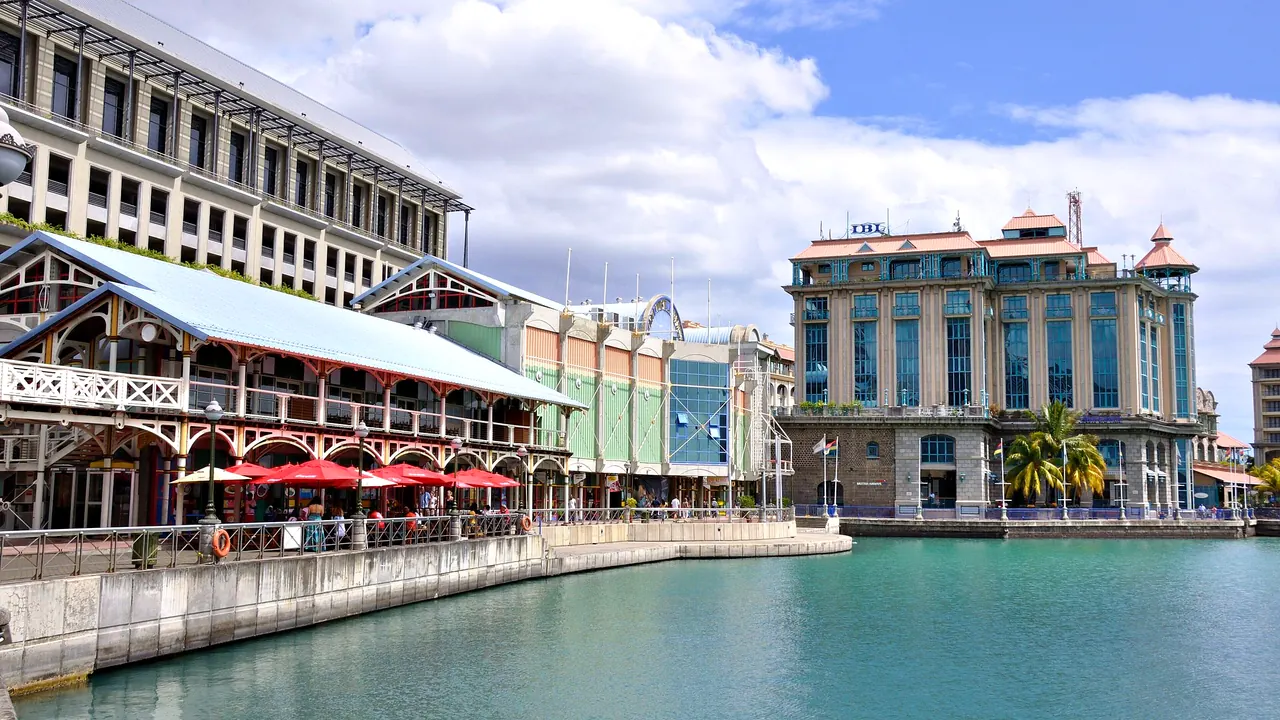
The Caudan Waterfront and the Bank of Mauritius tower by the harbour
- Nature & outdoors76
- Beaches68
- Food & drink62
Photo: Simisa, CC BY-SA 3.0, cropped
Match
47
Every category weighted equally
- Beach & sun51
- Culture & arts42
- Food & nightlife41
- Family trip53
- Outdoors55
- Relax & unwind50
- Shopping & style43
- On a budget48
Port Louis in twelve categories
Our verdict on each, scored 0 to 100 against the same fixed benchmark cities, so a score means the same thing on every page.
Beaches & swimming. Scores 68 out of 100.
Food & drink. Scores 62 out of 100.
Culture & sights. Scores 42 out of 100.
Nightlife. Scores 16 out of 100.
Nature & outdoors. Scores 76 out of 100.
Day trips. Scores 54 out of 100.
Good for families. Scores 52 out of 100.
Getting around. Scores 40 out of 100.
Shopping & style. Scores 40 out of 100.
Affordability. Scores 58 out of 100.
Live music & performing arts. Scores 18 out of 100.
Wellness & relaxation. Scores 33 out of 100.
Port Louis category by category
Beaches & swimming
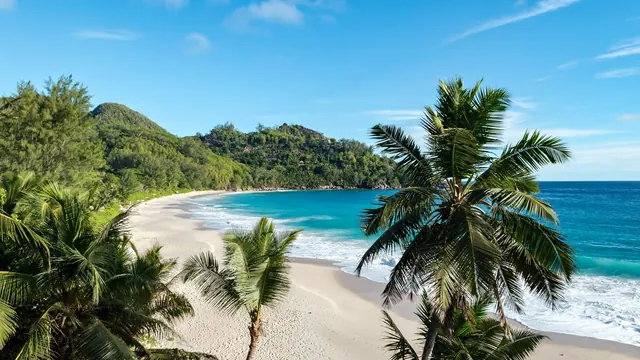
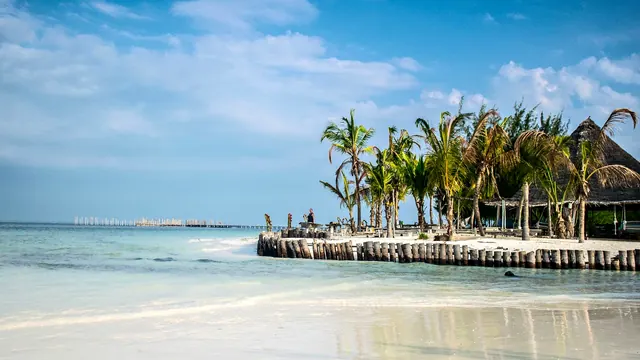
68Port Louis is a harbour city, and its waterfront is all quays and docks, so you can't swim in town. The lagoon beaches are close by, though. Pointe aux Piments, Trou aux Biches and Mont Choisy on the north-west coast are about half an hour away by road, and Flic en Flac's long strip of white sand is a similar distance south-west. Inside the reef the water is calm, shallow and clear, between about 24°C in the cooler months and 28°C in summer, so you can swim all year.
The problem is getting there. Every beach day means a taxi, a hire car or a slow bus, and most beach-focused visitors stay on the coast itself. Port Louis suits travellers who don't mind a daily drive to some of the finest lagoon water in the Indian Ocean.
Food & drink
62Food is one of the best reasons to spend time in Port Louis. The island's cooking mixes Indian, Creole, Chinese and French roots, and the capital is where you find it at its most everyday. Hawkers around the Central Market and along the streets sell dholl puri and roti wrapped round bean curry and chutney, gateaux piments (chilli fritters), samosas and fresh fruit with chilli salt. Chinatown adds fried noodles, boulettes in broth and old-fashioned bakeries.
Lunch is the main meal for office workers, and small canteens serve rougaille, curries and vindaye fish at long shared tables. The evening offer is thinner, mostly restaurants along the Caudan waterfront. Local rum and Phoenix beer go with almost everything. Serious fine dining is mostly found at the coastal resorts, not in the city.
Culture & sights
42Port Louis has a compact historic core that rewards a day of walking, though it has no single landmark that would bring you to the island. The most important site is Aapravasi Ghat, a UNESCO-listed set of stone buildings by the harbour. It was the immigration depot through which hundreds of thousands of indentured labourers from India arrived in the nineteenth century. Nearby, the palm-lined Place d'Armes leads up to the French colonial Government House.
On the waterfront, the Blue Penny Museum shows the island's famous stamps and old maps, and the Natural History Museum has a dodo skeleton. The Jummah Mosque, Chinese pagodas, Hindu temples and the cathedrals show how many communities share the city. The Citadel (Fort Adelaide) looks down over the rooftops and the Champ de Mars racecourse, which is among the oldest in the southern hemisphere.
Nightlife
16Port Louis is a daytime city. Once the offices and markets close in the early evening, the streets go quiet. The Caudan waterfront keeps a few bars, restaurants and a casino going into the night, and that is the extent of it. For a proper night out, most people take a taxi to Grand Baie on the north coast, which has the island's beach bars and small clubs. Even there, Friday and Saturday are the only busy nights.
Nature & outdoors
76The city sits in an amphitheatre of steep volcanic peaks. You can hike up Le Pouce, whose thumb-shaped summit looks over the whole north of the island, in a morning. Pieter Both, with its balanced boulder, is the more serious climb. Black River Gorges National Park is about an hour's drive away, with forest trails, waterfalls and endemic birds such as the pink pigeon. Further south, the bulk of Le Morne rises above the lagoon and has a tough, rewarding hike.
The coral reef that rings the island is good for snorkelling and diving. Kitesurfers gather off the south-west, and boats leave the west coast to watch spinner dolphins. Catamaran trips go out to the northern islets. The cooler, drier months from May to November are the best time for hiking. Most of this needs a car or a guide.
Day trips
54Everywhere on the island is within a couple of hours' drive, so the question is what is worth the trip. The Pamplemousses botanical garden, with its giant water lilies and centuries-old trees, is a short drive north. The Château de Labourdonnais estate and the old sugar and rum estates nearby give a feel for plantation life. In the uplands, the colonial Eureka house at Moka and the tea estates and crater of the Curepipe area make a cooler half day.
In the south, Grand Bassin is a crater lake that serves as the island's main Hindu pilgrimage site, ringed by temples and huge statues. Mahébourg is a sleepy old town on the south-east lagoon with a naval museum, and Le Morne carries the memory of escaped slaves. There are no grand historic towns to rival the capital, and many outings end on a beach.
Good for families
52Families do well on the island but less well in the capital. Port Louis itself has an aquarium on the Caudan waterfront, a museum with a dodo skeleton and markets full of colour, but the streets are hot, crowded and busy with traffic, and the pavements are narrow. The good things for children are a drive away: shallow, calm lagoon beaches, Casela nature park in the west with its animal encounters, and the giant tortoises and crocodiles at La Vanille in the south. Mauritians are relaxed and warm with children, and most families end up staying on the coast and visiting the city.
Getting around
40The historic centre is small and easy to walk, from the waterfront through Place d'Armes to the market and Chinatown, though the midday heat and the traffic on narrow streets make it tiring. A light-rail line runs from the city up through the upland towns to Curepipe and is the easiest way to reach them. Beyond that, you rely on buses that are cheap but slow and indirect, on taxis, or on a hire car. Beaches, national parks and most other sights are spread around the island, and weekday traffic jams in and out of the capital are part of daily life. Driving is on the left.
Shopping & style
40The Central Market, a covered Victorian hall of iron and stone, is the place to start. Vegetables, spices, herbal remedies, tea and pickles sit downstairs, and baskets, textiles and souvenirs fill the upper level. Chinatown's narrow shops sell dried goods and household oddments. The Caudan waterfront collects craft stalls, clothing shops and duty-free outlets in one walkable area. The island's best-known souvenirs are handmade model ships, vanilla, rum and knitwear from local textile mills. There is no luxury shopping street of note, and the large modern malls are out in the suburbs.
Affordability
58Port Louis is the cheaper side of a fairly expensive island. Street food and canteen lunches cost very little, buses and the light rail are cheap, and the city's business hotels and guesthouses are far below the coastal resorts. Costs climb quickly once you leave the local economy. Taxis and car hire, imported wine, waterfront restaurants and boat or diving trips are priced with foreign visitors in mind, and a stay mixed with beach days adds up.
Live music & performing arts
18Live performance is thin in Port Louis. The island's own music is sega, a drum-and-triangle rhythm with roots in slavery. Visitors usually hear it at beach-hotel evenings, though it also comes out at local festivals and family gatherings. The city has a historic colonial-era municipal theatre and hosts occasional concerts and cultural events, but there is no regular season of theatre, opera or classical music that a visitor could plan around.
Wellness & relaxation
33Port Louis itself is not a place to unwind. Its days are hot and noisy, crowded with traffic and market trade, and there is no local bathing culture. The island's spas are in the coastal resorts, many of which offer Ayurvedic and Indian Ocean treatments and sell day passes. The slow, unhurried pace comes back as soon as you leave the city for the shore or the green uplands.
When should you go?
Pick a month to see what it is like. The climate figures are measured averages, not a forecast.
Port Louis in July
Daytime high, °C
Rainfall in the month, mm
The whole year
Shaded against this destination’s own year: the deepest cell is its best month for that figure and the palest its weakest.
Where the figures come from
Port Louis's station stands 289 m above the city centre, so the centre is likely a little warmer than the figures say.
Temperature and rainfall are climate normals, averaged over the years shown. Port Louis: 1991-2020 normals, Vacoas Mauritius (15.4 km from centre).
Before you go
| Measure | Port Louis |
|---|---|
| Official language | French, English |
| Currency | Mauritius Rupee (MUR) |
| Sockets | CG230 V, 50 Hz |
| Driving side | Left |
| Time zone | UTC+4 |
| Emergency number | Police 112/999, ambulance 114, fire 115/995 |
| Elevation | 134 m |
| Main airport | Sir Seewoosagur Ramgoolam International Airport (MRU)36 km from centre37 non-stop destinations |
By the numbers
| Measure | Port Louis |
|---|---|
| Population | 149,194 |
| People per km² | 3,195 |
| Museums within 10 km | 7 |
| UNESCO World Heritage sites within 50 km | 2 |
| Swim season, months above 21 °C | 12 months |
Compare Port Louis with
Every comparison with a written verdict behind it.