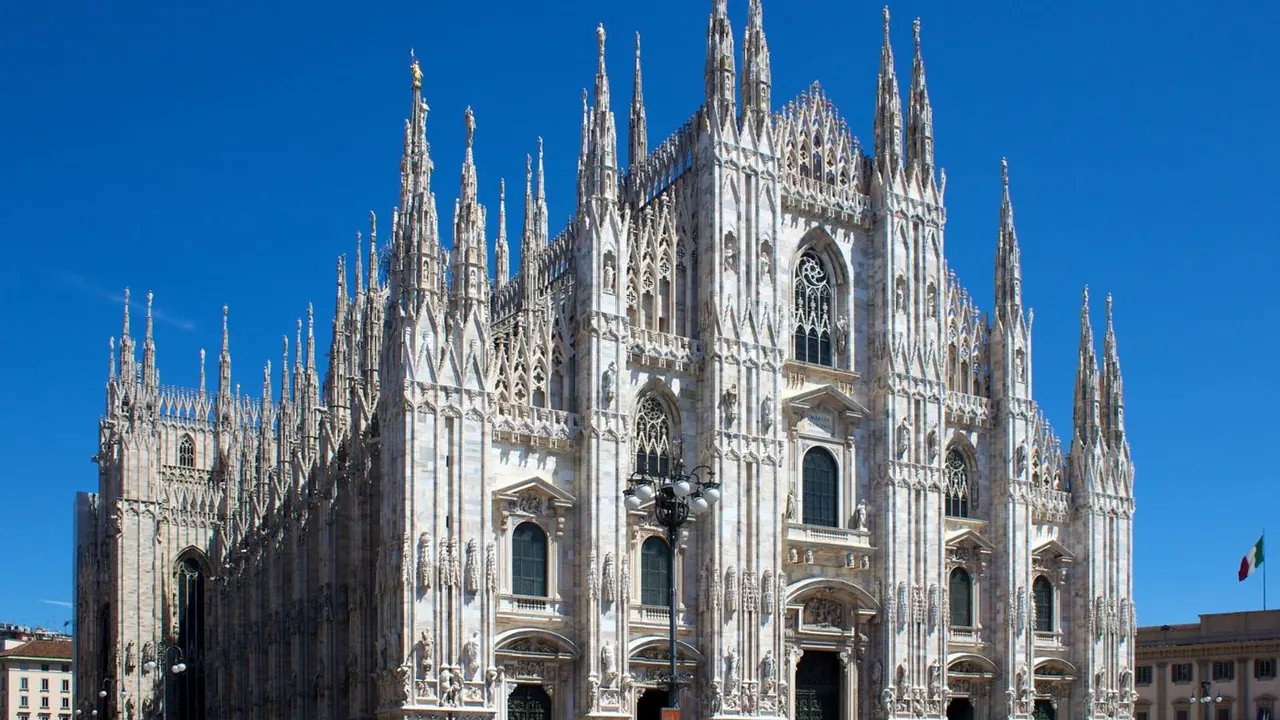
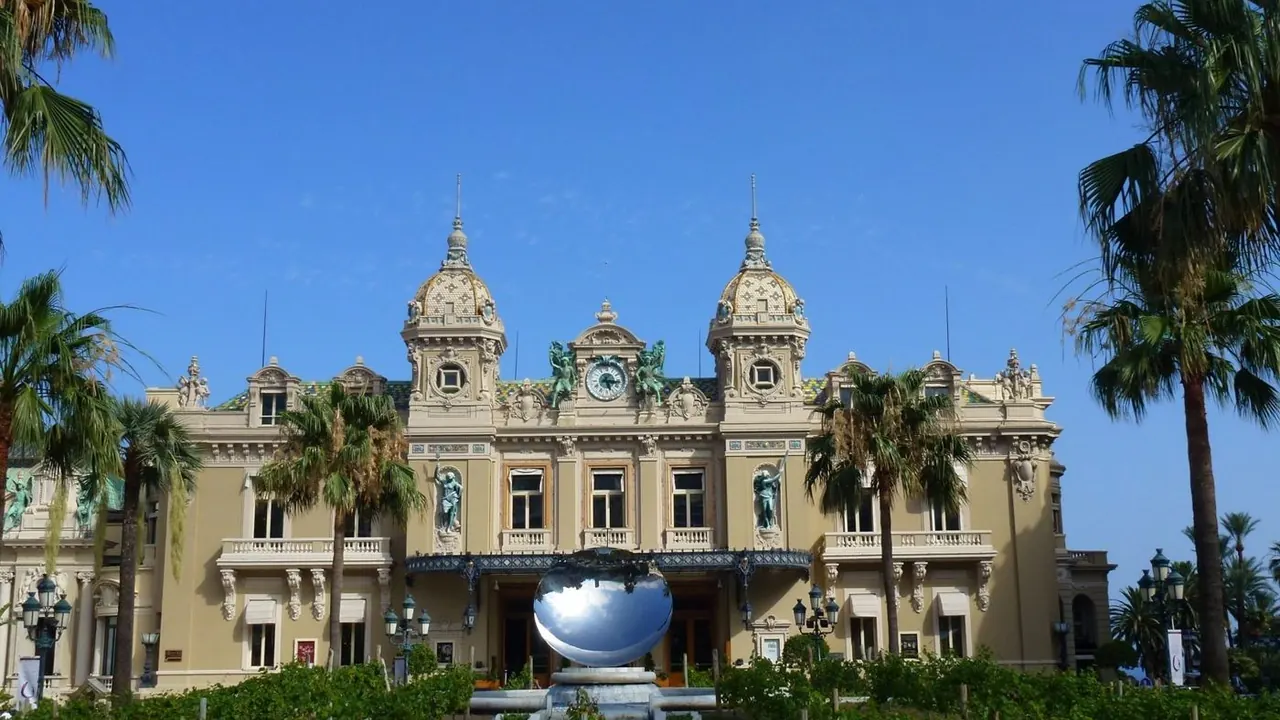
Photos: Milan by Jiuguang Wang, CC BY-SA 3.0, cropped; Monaco by otterboris, CC BY 3.0, cropped.
Milan or Monaco?
Our verdict in twelve categories, each scored against the same fixed benchmark cities, and the climate month by month, so you can choose for your trip.
Choose Milan for
- shopping
- prices
- culture and sights
Milan suits the traveller who wants a large, working city with depth: the Last Supper and the Brera paintings, a night at La Scala, serious shopping in the Quadrilatero and aperitivo along the Navigli. It is far from cheap, but it is much easier to afford than its neighbour, and fast trains to Verona, Turin, Bergamo and the lakes give a week there plenty of range.
Choose Monaco for
- beaches
- wellness
- nature and the outdoors
Pick Monaco for sea, sun and polish. You can swim in clear water at Larvotto, spend a morning on a seawater spa, walk the Rock and Monte-Carlo, and ride the coastal train to Menton or Nice. The principality is small and very expensive, so most people give it a day or two, or stay over the French border and come in.
Scoreboard
Twelve categories on one fixed scale from 0 to 100. The shaded stretch is the gap between the two.
Your match
Pick a travel style or drag the sliders, and both match scores follow your weighting.
Wins on shopping and prices with your weighting.
Wins on beaches and wellness with your weighting.
What matters to you?
Category by category
What the scores mean for a trip.
Beaches & swimming
Monaco has the sea on its doorstep: Larvotto's short, sheltered beach with clear, calm water, rocky bathing platforms along the shore and the coves of Cap d'Ail just over the border. Milan has no coast at all. In summer you swim at the Idroscalo basin, at a public pool, or after an hour on the train at the pebbly lidos of Como and Maggiore.
Even so, Monaco's beach is small and groomed. For long days on wide sand, people head to Menton or Nice.
Food & drink
Milan has more to offer at the table. There is saffron risotto, ossobuco and cotoletta cooked in butter, good cooking from every other Italian region, and an aperitivo ritual in Brera, Isola and along the Navigli that can turn early evening into a meal. It also works at several levels, from office lunches to serious fine dining.
Monaco's eating is concentrated at the top, in starred and grand hotel dining rooms cooking Riviera food with olive oil, fish and herbs, where the harbour view is part of the point. Its own snacks, barbagiuan and socca from the Condamine market, are worth finding. Casual meals are scarce enough that many visitors eat in Nice or Menton instead.
Culture & sights
Milan's sights carry more weight. The Duomo has rooftop terraces among its spires, Leonardo's Last Supper must be booked well ahead, and the city also has the Pinacoteca di Brera and Michelangelo's Rondanini Pietà at the Castello Sforzesco, with Sant'Ambrogio and the Ambrosiana close by. The heritage sits in clusters inside a modern city, and it repays several days.
Monaco's sights are compact and theatrical. On the Rock are the Prince's Palace and its guard ceremony, Grace Kelly's grave in the cathedral and the Belle Époque Oceanographic Museum on the cliff edge, with the Casino across the harbour. A day or two covers it all, and the setting leaves a stronger impression than the collections.
Nightlife
Range is what separates the two. An evening in Milan starts with aperitivo and carries on into the bars along the Navigli towpaths, into smarter, quieter Brera, or into the easier-going streets of Isola and Porta Venezia, which is also the heart of the city's gay scene. Clubs run from dressy Corso Como venues, where the door policy counts, to warehouse nights on the edge of town.
Monaco offers one kind of night and does it with gloss. It centres on the Casino square, the hotel bars and a few clubs by the Larvotto seafront and the port, where champagne and yachts set the tone. Outside summer and Grand Prix weekend it goes to bed early. The two also peak at opposite times: Milan empties in August, just when Monaco is at its liveliest.
Nature & outdoors
Both cities sit next to fine country rather than in it, and the difference is lakes against sea. From Milan, the train reaches Como and Maggiore in about an hour, with ferries, lakeside paths, sailing and the Grigne ridges for hiking and via ferrata. The canal towpaths give flat cycling out into the rice fields.
Monaco's scenery rises right behind the rooftops, with old mule paths up to Èze, the view from the Tête de Chien and coastal walks around Cap d'Ail and Cap Martin. Its clear water also adds diving and snorkelling, which Milan cannot offer.
Day trips
Both are excellent bases, but Milan reaches further and wider. High-speed trains make Verona, Turin and Bologna easy days out. Bergamo's upper town, Bellagio and Varenna, the Certosa di Pavia, Mantua, Parma and even Lugano add art cities, lakes and food towns from several regions.
Monaco's options run along a single coastline. Nice is under half an hour away, Menton and Villefranche are closer still, and Èze sits on the hill above. Further out are Antibes, Cannes, Grasse and the Italian border towns of Sanremo and Dolceacqua. The settings are lovely, but the days have less variety than Milan's.
Good for families
Neither city is built around children, and each falls short in its own way. Milan has the science and technology museum with its submarine and trains, playgrounds in Parco Sempione and theme parks such as Leolandia and Gardaland within reach. But its summers are heavy and its big sights are aimed at adults.
Monaco is small, safe and easy to cover with a pushchair thanks to its public lifts. Children enjoy the sharks in the aquarium, Larvotto's gentle water and the palace guard. After a couple of days, though, the formal restaurants and steep streets leave little else to do.
Getting around
Both are easy without a car, for different reasons. Milan has a flat centre, five simple metro lines and old orange trams that fill the gaps, plus direct trains to the lakes. Its weak points are hot platforms in summer and the long transfer from Malpensa.
Monaco is only about 3km end to end, so you walk everywhere. The problem is height rather than distance, and free public lifts, escalators and a small solar ferry across the harbour take much of the effort out of it.
Shopping & style
Milan is a reason to travel in itself. The great Italian fashion houses have their flagships in the Quadrilatero della Moda, and La Rinascente and the Galleria add a century of history. For more everyday shopping there are Corso Buenos Aires, the independent shops of Brera and Porta Ticinese, the design showrooms and the antique markets on the Navigli.
Monaco's Carré d'Or has the luxury houses and high jewellers within a quarter-hour's walk, and window-shopping there is part of a Monte-Carlo evening. Beyond that there is little: no real high street, few independents and no flea markets, so visitors who want more choice shop in Nice.
Affordability
Neither is cheap, but Milan is far easier on the wallet. Hotels are expensive and much harder to find at fair rates during fashion weeks and trade fairs. Aperitivo snacks, set lunches, fairly priced transport and a room near a metro stop outside the centre all help.
Monaco is among the costliest places in the world to visit, with hotels, meals and even café coffee priced for the very wealthy. The lifts are free and walking the Rock costs nothing. Most people on a budget sleep in Nice, Menton or Beausoleil and come in for the day.
Live music & performing arts
La Scala gives Milan the edge. It has a season of opera, ballet and concerts, and gallery seats for the determined. Around it are the Piccolo Teatro, a fine symphony orchestra, small jazz rooms and big summer concerts at San Siro.
Monaco has real pedigree for its size, with opera in the gilded Salle Garnier and internationally known ballet and philharmonic companies. But its season clusters in winter and spring, and there is little spoken theatre or casual live music. In summer the balance shifts somewhat: Monaco's open-air shows by the sea carry on while Milan's opera goes quiet.
Wellness & relaxation
Monaco is the more restful of the two. The thalassotherapy centre beside the Casino has heated seawater pools, the grand hotels have large spas, and mornings in the Japanese Garden or on the Rock's ramparts are quiet. Milan is a work-focused city where most people relax by leaving for the lakes, although its thermal spa complex and the 1930s Bagni Misteriosi pools are good for an afternoon.
When should you go?
Pick your month. The climate figures are measured averages, not a forecast.
Milan in July
Monaco in July
Daytime high, °C
Rainfall in the month, mm
Where the figures come from
Milan has no rain gauge within 25 km of the centre, so its rainfall comes from a gridded climate dataset read at the city rather than from a gauge further away.
Milan's sunshine is measured 41 km from the centre, at Novara / Cameri.
Temperature and rainfall are climate normals, averaged over the years shown. Milan: 1991-2020 normals, Milano / Linate (8 km from centre). Monaco: 1991-2020 normals, Nice (19.9 km from centre).
Milan has proper seasons. Winters are cold and often grey, with January highs around 7°C and little sunshine. July and August turn hot and humid, which makes long afternoons on foot tiring and is the time for a train to the lakes for a swim. Late spring and early autumn are the best times for walking the city, though May can be showery, the rain builds from September, and November is the wettest month at about 128mm.
Monaco is milder all year, with winter highs near 13°C and much more sunshine than Milan through the cold months. Its summers are dry, with only 13mm of rain in July. The sea reaches 25°C in August, so June to September suits beach days. Like Milan, it turns wet in October and November, when the rain comes in heavy bursts.
Which traveller are you?
On a beach and sun trip, Monaco is the clear choice. Larvotto's calm water and the rocky bathing platforms are on the doorstep, the summers are dry, and longer beaches at Menton and Nice are a short train ride away. Milan's nearest swimming is on lakes an hour off.
For a shopping trip, Milan wins easily. The great Italian fashion houses have their flagships in the Quadrilatero, and the boutiques of Brera, vintage in Porta Ticinese, Corso Buenos Aires and the design showrooms add a range that Monaco's small luxury cluster cannot match.
On a tight budget, Milan is the only realistic option of the two. It is still pricey, but aperitivo snacks as supper, office-worker set lunches and fairly priced transport all help. Monaco's hotels and meals are priced for the very wealthy, so budget travellers visit it for a day from Nice.
Before you go
| Measure | Milan | Monaco |
|---|---|---|
| Official language | Italian | French |
| Currency | Euro (EUR) | Euro (EUR) |
| Sockets | CFL230 V, 50 Hz | CEF230 V, 50 Hz |
| Driving side | Right | Right |
| Time zone | UTC+1, UTC+2 in summer | UTC+1, UTC+2 in summer |
| Emergency number | 112 | 112 |
| Elevation | 138 m | 68 m |
| Main airport | Milan Malpensa International Airport (MXP)40 km from centre208 non-stop destinations | Nice-Côte d'Azur Airport (NCE)18 km from centre130 non-stop destinations |
| Public holidays this year | 13 days | 12 days |
By the numbers
| Measure | Milan | Monaco |
|---|---|---|
| City population | 1,354,196 | 38,857 |
| People per km² | 7,453 | 18,503 |
| Museums within 10 km | 88 | 14 |
| UNESCO World Heritage sites within 50 km | 4 | 2 |
| Swim season, months above 21 °C | - | 4 months |
Where else could you go?
Every comparison below shares a destination with this one, so you can follow Milan or Monaco somewhere new.