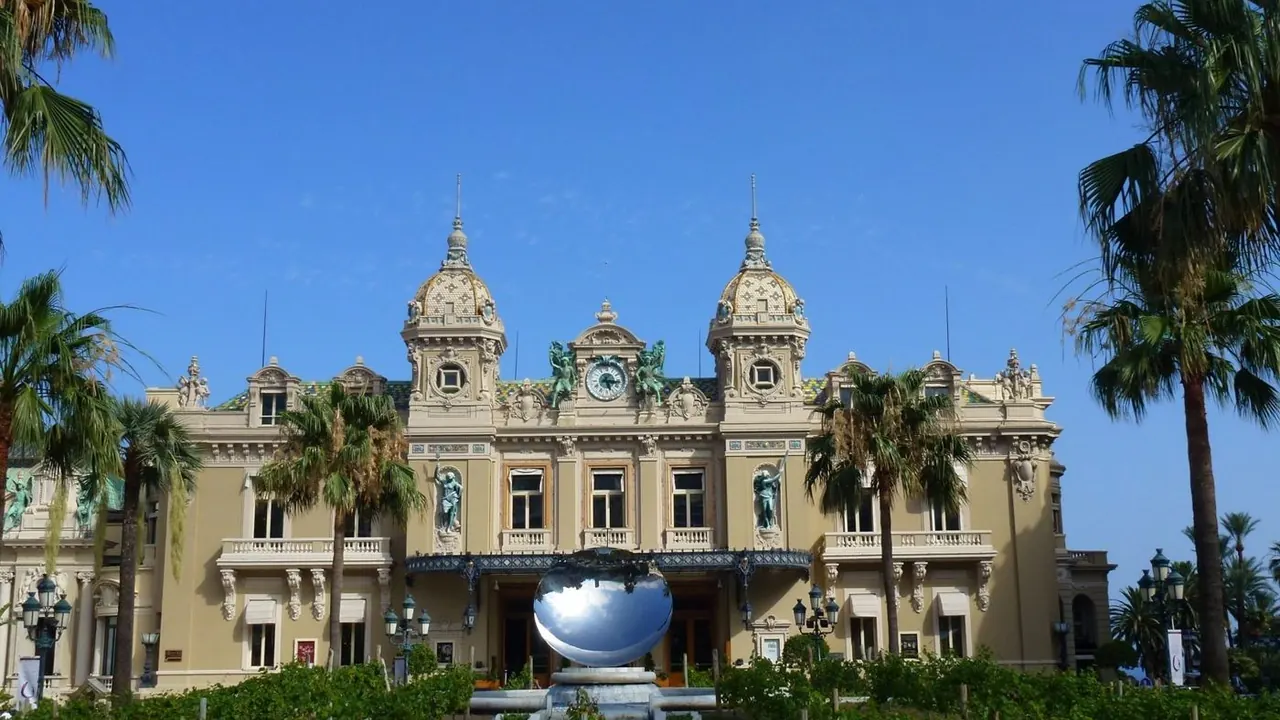
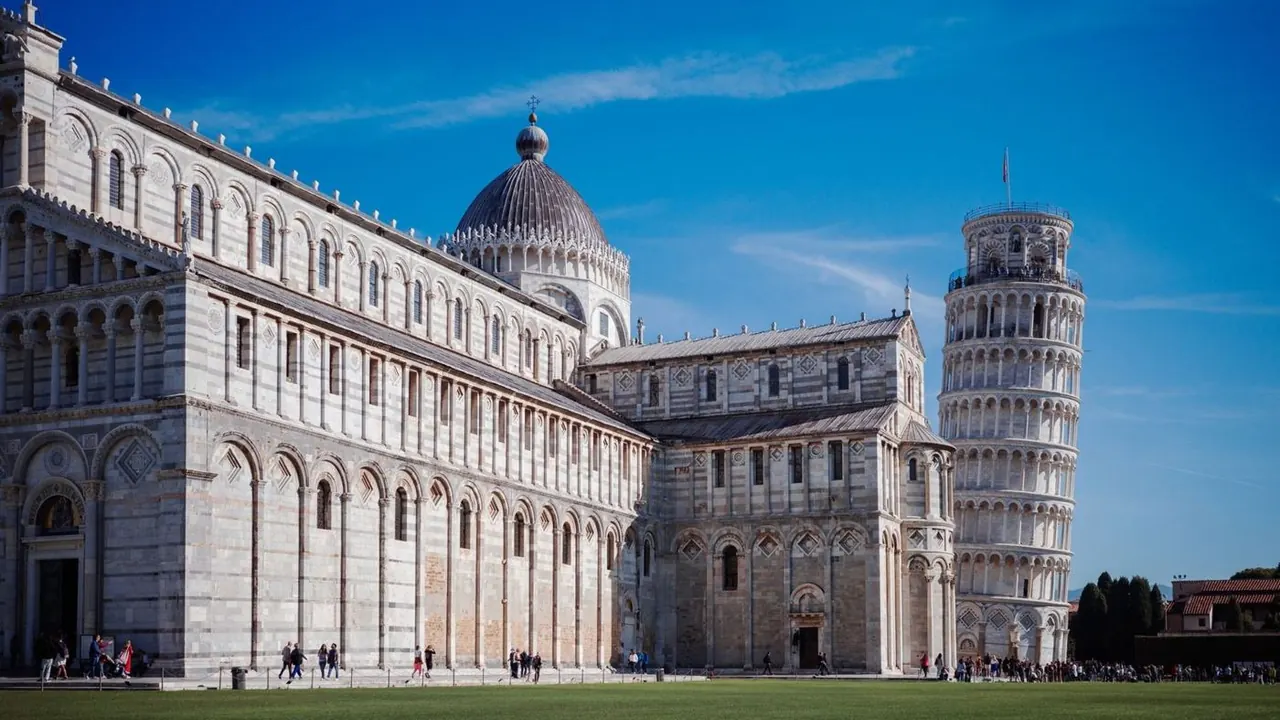
Photos: Monaco by otterboris, CC BY 3.0, cropped; Pisa by Bruno Kraler, Pexels License.
Monaco or Pisa?
Our verdict in twelve categories, each scored against the same fixed benchmark cities, and the climate month by month, so you can choose for your trip.
Choose Monaco for
- live music and the arts
- shopping
- beaches
Monaco suits travellers who want the Riviera at its most polished and for whom cost is not the deciding factor. The sea is right below the town, the opera and ballet have real standing, the luxury shopping streets sit around the Casino, and the coastal train makes it an easy base for Nice, Menton and Èze. It works best as a short, well-dressed stay, or as one stop on a longer coastal trip.
Choose Pisa for
- prices
- culture and sights
- day trips
Pisa is the better choice for anyone who wants great Italian architecture, simple Tuscan food and prices a normal budget can manage. The Piazza dei Miracoli and the quieter old town take a couple of days, and the station puts Florence, Lucca and the Cinque Terre within easy reach. It is less glamorous and less of a sea destination, but it gives you far more of Italy for the money.
Scoreboard
Twelve categories on one fixed scale from 0 to 100. The shaded stretch is the gap between the two.
Your match
Pick a travel style or drag the sliders, and both match scores follow your weighting.
Too close to call, 1 point apart
Wins on live music and the arts and shopping with your weighting.
Wins on prices and culture and sights with your weighting.
What matters to you?
Category by category
What the scores mean for a trip.
Beaches & swimming
Monaco has the better swimming, although neither is a true beach destination. Larvotto is small and groomed, but the water is calm and clear to the bottom. Cap d'Ail's coves are a short walk over the border, and rocky platforms and beach clubs line the shore, so the sea is never more than a few minutes away.
Pisa has more sand but less convenience. The long, pine-backed beaches of Tirrenia and Calambrone are a bus ride from the centre, mostly divided into rented establishments, and the water near the Arno mouth is rarely clear. For most visitors it makes a summer afternoon off rather than the point of the trip.
Food & drink
These two are about level on food, but they eat at opposite ends of the scale. Monaco means occasion dining: starred hotel rooms cooking Riviera and Ligurian food, harbour terraces and a dress-up crowd. Its own barbagiuan and socca are at the Condamine market.
Pisa eats plainly and well. You get ribollita, game and hot cecina in the trattorias and wine bars around Piazza delle Vettovaglie, kept honest by the students. Choose Monaco for a memorable dinner and Pisa for good everyday meals.
Culture & sights
Pisa has the weightier sights. The cathedral, baptistery, tower and Camposanto on one lawn make up one of Italy's great architectural ensembles. Beyond them are Vasari's palace on Piazza dei Cavalieri, the little Gothic Santa Maria della Spina and the medieval collection at San Matteo.
Monaco's sights are fewer and more about setting: the palace and its guard ceremony on the Rock, Grace Kelly's grave in the cathedral, the Oceanographic Museum on its cliff and the Casino. They are handsome and quick to see, but there is less to dig into.
Nightlife
Monaco gives you more of a night out, as long as you want it dressed up. Evenings revolve around the Casino square and its hotel bars, with lounge clubs along the Larvotto seafront and the port. Summer and Grand Prix weekend are when the harbour really comes alive. At other times the town turns in early, and anyone after cheap drinks or a looser crowd takes the train to Nice.
Pisa's nights are smaller and more casual, and it is the students who make them. In term time they spill out of little bars and wine shops into the squares by the old market, and the early evening drink happens under the arcades of Borgo Stretto or along the river. Clubs are scarce and the tower district is empty after dark, so it is a city for a glass of wine outdoors rather than a late night.
Nature & outdoors
Monaco's surroundings are the more dramatic. Limestone mountains rise straight from the sea, there is the view from the Tête de Chien, and the old mule path climbs steeply up to Èze. The clear water also makes diving, snorkelling and paddleboarding worthwhile.
Pisa's nature is gentler and flatter. The San Rossore park of pine forest, wetland and wild dunes starts at the city's edge, with fallow deer and easy cycling, and the olive terraces of the Monte Pisano rise behind it. The proper mountain walking in the Apuan Alps is further out.
Day trips
Monaco is a fine base for the Riviera. The coastal train reaches Villefranche and Nice to the west and Menton to the east, Èze is a short bus ride up the hill, and Antibes, Grasse and Saint-Paul-de-Vence are all manageable. Ventimiglia's market and Sanremo are just across the Italian border. Almost everything works without a car, but most of what you reach is more of the same lovely coast.
Pisa's day trips have more variety and carry more weight. Florence, with the Uffizi and the Duomo, is about an hour by train, walled Lucca is under half an hour, and the Cinque Terre are a little over an hour north. With a car, Volterra, San Gimignano and Siena add hill towns and wine country, so a week here can cover a good part of Tuscany.
Good for families
Monaco is the slightly easier family stop. The aquarium with its sharks is a proper highlight, Larvotto's sheltered water suits small swimmers, the palace guards and the yachts entertain, and the public lifts spare little legs. The catch is formal restaurants and an adult tone.
Pisa is flat and compact, and the tower lawn and the "holding it up" photo are fun. Younger children cannot climb the tower, though, and the real family days mean heading out to the sandy beaches or the San Rossore park.
Getting around
Both are compact enough to see on foot, but the effort is different. Monaco is only about 3km end to end, yet it climbs steeply from the sea, so the free public lifts, escalators and the little harbour ferry are worth learning. The railway station sits deep in the hillside, and a car only gets stuck in traffic.
Pisa is flat, so walking from the station to the cathedral square is easy and bikes suit the streets and park roads. The airport is a short shuttle train from the station, which is one of western Tuscany's main rail junctions. A car only earns its keep for inland hill towns.
Shopping & style
Monaco is the stronger shopping stop, but only at the top end. The Carré d'Or around the Casino gardens gathers the big fashion houses, jewellers and watchmakers in a few streets. Beyond the luxury, though, there are no chains to speak of and little variety.
Pisa is the reverse. Corso Italia has ordinary high-street fashion and Borgo Stretto has smarter shoe and clothes shops under its arcades. There is also a monthly antiques market by the river. It works for an errand, not as a reason to go.
Affordability
The two sit at opposite ends here. In Monaco a hotel room is a serious expense, especially on event weekends, and even a simple lunch or a coffee costs far more than you would pay in Pisa. Getting around is the exception, since the lifts are free, the buses are cheap and the Rock and harbour cost nothing to walk. Many visitors keep the bill down by sleeping over the French border.
In Pisa an ordinary budget goes a long way. Central rooms are mid-range, the student trattorias serve a full meal for a modest amount, and you can walk the whole city. The money goes on the tower climb, the cafés next to the monuments and beach loungers in summer, not on the stay itself.
Live music & performing arts
Monaco is far ahead here. The Monte-Carlo Opera performs in the gilded Salle Garnier inside the Casino, and both the Philharmonic and Les Ballets de Monte-Carlo have international reputations. The winter-to-spring season and the Printemps des Arts give an out-of-season trip a real focus.
Pisa's stage is the horseshoe-shaped Teatro Verdi, a relaxed place to see Italian opera in a historic house, plus university chamber music and church recitals. Anything bigger means Florence.
Wellness & relaxation
Monaco offers more for a pampered day. The large thalassotherapy centre by the Casino has heated seawater pools, the grand hotels have sizeable spas, and the Japanese Garden is a calm place for a slow morning.
Pisa's spa offer lies just outside the city. There is the 18th-century bath palace at San Giuliano Terme and the public thermal pool at Casciana Terme, both fed by springs used since Roman times. Inside the city, the calm comes from riverside evenings and long lunches rather than treatments.
When should you go?
Pick your month. The climate figures are measured averages, not a forecast.
Monaco in July
Pisa in July
Daytime high, °C
Rainfall in the month, mm
Temperature and rainfall are climate normals, averaged over the years shown. Monaco: 1991-2020 normals, Nice (19.9 km from centre). Pisa: 1991-2020 normals, Pisa / S. Giusto (3.9 km from centre).
The two share a Mediterranean year, but they feel different in summer. From June to September both seas are warm enough for swimming, reaching about 25°C in August. Monaco stays a little milder at the peak, while the Pisan plain gets hot and humid, with highs around 30°C in July and August, which makes midday sightseeing hard work. Monaco is also noticeably sunnier all year, and its July is almost dry at 13mm.
Both turn wet from September, and October and November are the rainiest months in each, with Pisa taking about 132mm in November. For walking, spring and early autumn suit both cities best. In winter Monaco keeps the brighter skies and slightly gentler days, which, together with its opera and ballet season, makes it the more rewarding of the two out of season.
Which traveller are you?
On a trip on a tight budget, Pisa is the clear choice. Student trattorias, mid-range rooms and a walkable centre keep costs sensible. In Monaco, even a coffee is expensive, and budget travellers usually end up sleeping across the border anyway.
For a culture and arts trip built around monuments, Pisa offers more depth: the cathedral square, the Camposanto, San Matteo's medieval painting, and Florence an hour away by train. Monaco is the better pick only if what you want is an evening of opera or ballet.
On a shopping trip, Monaco wins for luxury. The fashion houses, jewellers and watchmakers of the Carré d'Or are clustered within a short walk. Pisa offers everyday Italian high streets and a monthly antiques market, and serious shoppers there go on to Florence.
Before you go
| Measure | Monaco | Pisa |
|---|---|---|
| Official language | French | Italian |
| Currency | Euro (EUR) | Euro (EUR) |
| Sockets | CEF230 V, 50 Hz | CFL230 V, 50 Hz |
| Driving side | Right | Right |
| Time zone | UTC+1, UTC+2 in summer | UTC+1, UTC+2 in summer |
| Emergency number | 112 | 112 |
| Elevation | 68 m | 4 m |
| Main airport | Nice-Côte d'Azur Airport (NCE)18 km from centre130 non-stop destinations | Pisa International Airport (PSA)4 km from centre82 non-stop destinations |
| Public holidays this year | 12 days | 13 days |
By the numbers
| Measure | Monaco | Pisa |
|---|---|---|
| City population | 38,857 | 88,737 |
| People per km² | 18,503 | 479 |
| Museums within 10 km | 14 | 27 |
| UNESCO World Heritage sites within 50 km | 2 | 3 |
| Swim season, months above 21 °C | 4 months | 4 months |
Where else could you go?
Every comparison below shares a destination with this one, so you can follow Monaco or Pisa somewhere new.