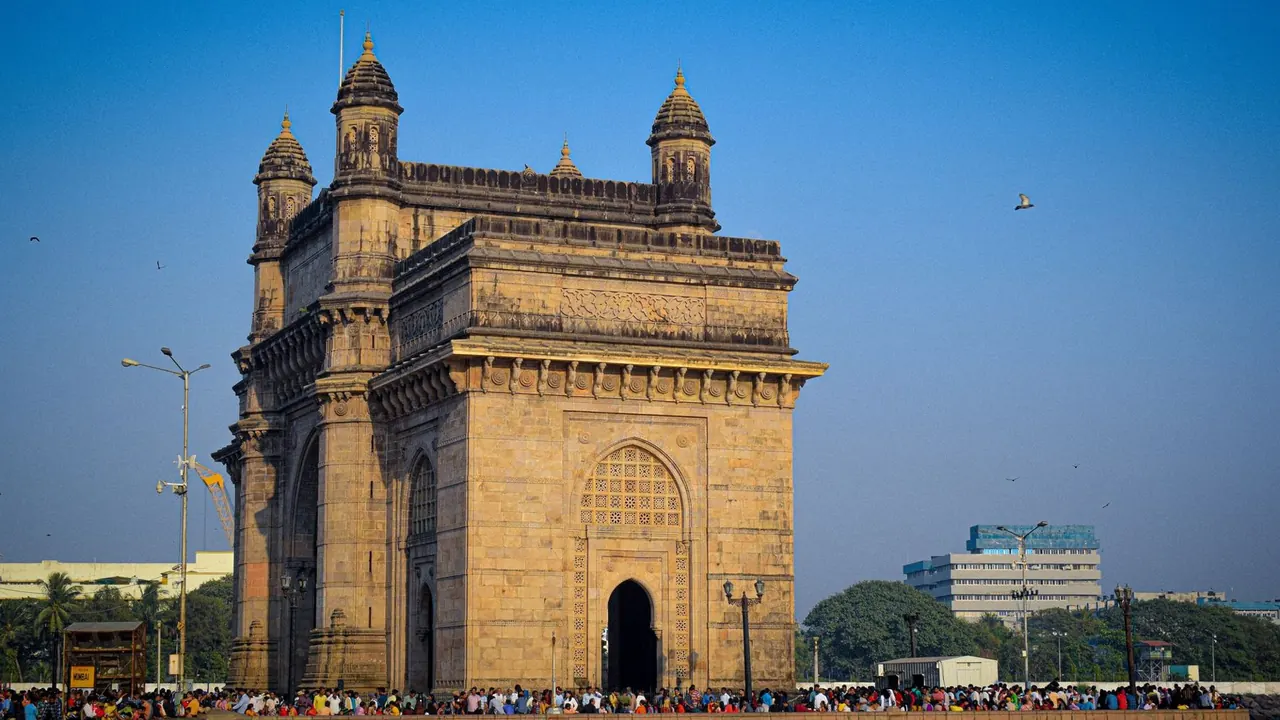
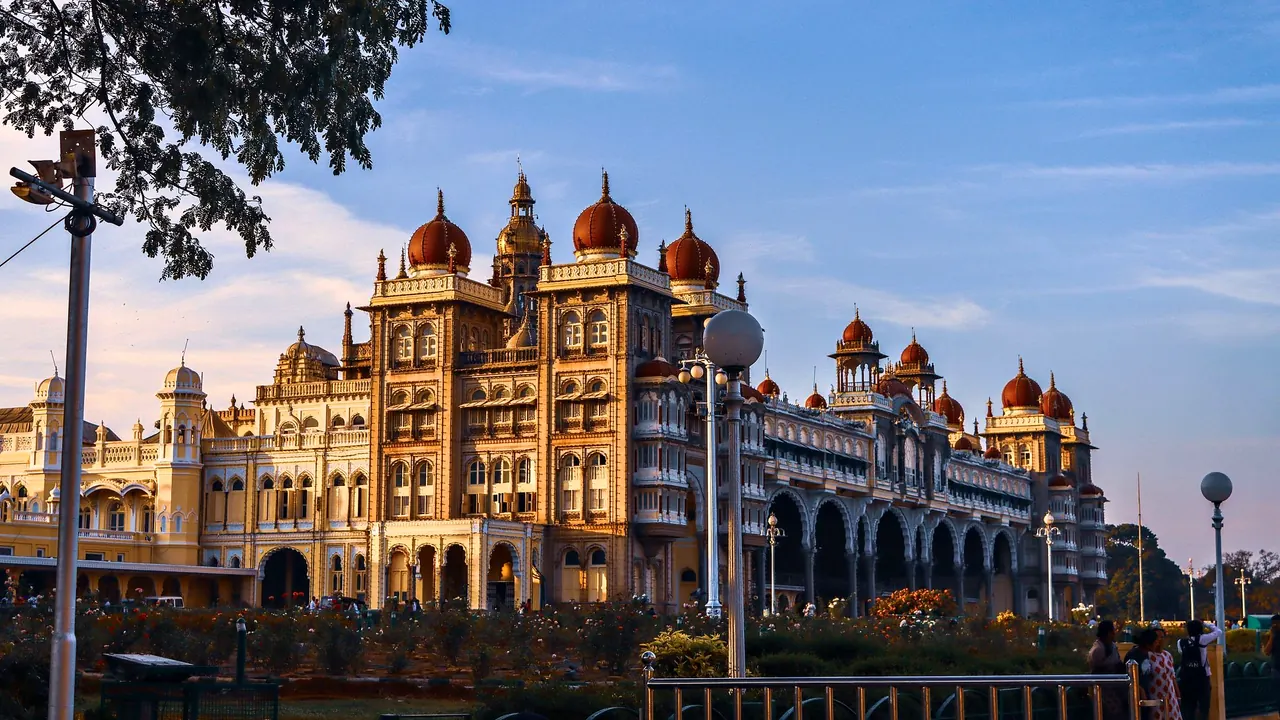
Photos: Mumbai by Shubam Bhasin, Pexels License; Mysore by Pranavsinh suratia, Pexels License.
Mumbai or Mysore?
Our verdict in twelve categories, each scored against the same fixed benchmark cities, and the climate month by month, so you can choose for your trip.
Choose Mumbai for
- nightlife
- food and drink
- shopping
Mumbai is for the traveller who wants a big city's appetite. Street carts and old Irani cafés, Malvani crab curries, cocktail bars in Bandra and Lower Parel, bazaars from Crawford Market to Chor Bazaar and a concert at the NCPA all sit inside one metropolis. It is tiring and slow to cross, and you come for its food, its colonial streetscape and its energy, not for rest.
Choose Mysore for
- wellness
- prices
- day trips
Pick Mysore for a gentler and cheaper trip centred on a royal palace city. It suits a morning yoga practice in Gokulam and outings to Srirangapatna, Somnathpur and the tiger forests of Bandipur and Nagarhole. Families and anyone after calm will find it easier going. In return, evenings end early and the food is narrower, though its vegetarian breakfasts and banana-leaf meals are superb.
Scoreboard
Twelve categories on one fixed scale from 0 to 100. The shaded stretch is the gap between the two.
Your match
Pick a travel style or drag the sliders, and both match scores follow your weighting.
Wins on nightlife and food and drink with your weighting.
Wins on wellness and prices with your weighting.
What matters to you?
Category by category
What the scores mean for a trip.
Beaches & swimming
Neither city is a beach destination, but Mumbai at least has a seafront to enjoy. Juhu and Girgaum Chowpatty are for sunset strolls, snacks and kite flying rather than swimming, and the ferry to Alibaug is the way to cleaner water.
Mysore lies far inland on the Deccan plateau with nothing comparable, so the sea means a separate trip to the coast. In both places, the swimming you actually do will be in a hotel pool.
Food & drink
Mumbai is the far bigger eating city, mainly because of its range. People from all over India have settled here and brought their cooking with them, so a single day can run from a station cart to a smart modern restaurant. Dinner goes on late, and during Ramadan the grills around Mohammed Ali Road make an evening out of eating alone.
If your stomach is sensitive, stick to the busiest stalls.\n\nMysore goes deep rather than wide. It does one regional vegetarian tradition very well, and its best eating happens in the morning, in small, crowded places where breakfast is the main meal. After that the choice narrows to a few North Indian and Chinese-style places and hotel dining rooms. Wine or beer with dinner usually means a hotel bar.
Culture & sights
Mumbai has the richer and more varied list of sights. The Gothic Revival grandeur of the Chhatrapati Shivaji Maharaj Terminus, the Oval Maidan with Victorian Gothic on one side and Marine Drive's Art Deco on the other, two strong museums and the Kala Ghoda galleries make up a colonial port city on a grand scale. The catch is the slow travel between them.
Mysore's appeal is concentrated and royal. The Wodeyar palace, especially when lit at night, the Ravi Varma paintings in the Jaganmohan Palace and the temple and stone Nandi on Chamundi Hill can all be seen in two or three unhurried days.
Nightlife
Mumbai offers a real night out. It has dressy cocktail bars, gastropubs and a few clubs in Bandra, Khar and the old mill compounds, plus the older Colaba bar strip, though everything shuts around 1am and the areas are far apart.
Mysore has almost none of this. After the palace lights and dinner, the options are a hotel bar or a quiet pub, and anyone wanting to go out heads to Bengaluru.
Nature & outdoors
Mysore has the stronger wildlife. Bandipur, Nagarhole and Kabini, about two hours away, have tigers, wild elephants and gaur, seen on jeep safaris, and storks and crocodiles crowd the river islands at Ranganathittu, close to town.
Mumbai's surprise is Sanjay Gandhi National Park inside its own suburbs, with leopards and the Kanheri caves, plus flamingos on the Sewri mudflats in winter. The hiking in the Western Ghats is a longer haul through traffic.
Day trips
Mysore is better placed for outings. Tipu Sultan's island fortress at Srirangapatna is half an hour away, the Hoysala temple at Somnathpur about an hour, and the giant Jain statue at Shravanabelagola makes a fuller day. A hired driver can link several of them.
Mumbai has one superb trip, the ferry to Elephanta's cave carvings of Shiva, plus the older Buddhist halls at Karla and Bhaja. After those the list runs short, and Ajanta and Ellora are too far for a day.
Good for families
Mysore is the easier city with children. It has a shaded zoo founded by the maharajas, a rail museum with royal carriages to climb into, and the musical fountains at Brindavan Gardens, all in a calmer and milder setting.
Mumbai has the Nehru Science Centre, the Gateway ferries and ice cream on Chowpatty. Even so, crowded pavements, heat and long drives make it hard work, and families get on best with a driver and a hotel pool.
Getting around
Both cities are awkward to get around, for different reasons. Mumbai is long and narrow. The suburban railway is the fastest way north but is crushingly full at rush hour, while the metro is calmer but covers only part of the city. Road traffic can stretch a short ride to an hour, and only the Fort, Kala Ghoda and Colaba are pleasant on foot.
Mysore is a matter of scale rather than distance. The palace, Sayyaji Rao Road and the market form a small walkable core, and Chamundi Hill, the zoo and Brindavan Gardens are short auto-rickshaw or cab rides apart. The city buses are hard for newcomers to use, so day trips mean hiring a car with a driver.
Shopping & style
Mumbai has far more range, from Zaveri Bazaar's gold and Chor Bazaar's antiques to the street stalls of Colaba Causeway and Linking Road. It also has designer and handloom boutiques in Kala Ghoda and Bandra, and luxury malls.
Mysore is a place for a few specific purchases rather than a shopping trip. Gold-threaded Mysore silk, sandalwood soap and carvings, incense and gilded Mysore paintings are best bought from government emporia to avoid fakes.
Affordability
Mysore is the cheaper stay overall, and its simple hotels and guesthouses are easy to find. Costs only rise at the heritage palace hotels, the safari lodges and when hiring a driver.
In Mumbai, eating and getting about cost little, but rooms are what hurt. Good accommodation in the south of the city is priced well above the rest of India, and drinks in the bars are heavily taxed.
Live music & performing arts
Mumbai has a steady programme all year. The NCPA at Nariman Point hosts the Symphony Orchestra of India, Hindustani music, dance and jazz, little Prithvi Theatre in Juhu anchors Hindi and English drama, and the Kala Ghoda festival fills the Fort area each winter.
Mysore has a deep Carnatic and veena heritage, but outside Dasara the visitor gets only occasional recitals and Kannada-language repertory theatre.
Wellness & relaxation
Mysore is a world centre for yoga. Students come to Gokulam to practise Ashtanga for weeks, with dawn classes, Ayurvedic treatments and a slow daily rhythm, although the city centre itself is noisy.
Mumbai offers little real rest outside its luxury hotel spas and yoga studios in Bandra. Its quietest moments are an early walk on Marine Drive or a sit by the Banganga Tank.
When should you go?
Pick your month. The climate figures are measured averages, not a forecast.
Mumbai in July
Mysore in July
Daytime high, °C
Rainfall in the month, mm
Where the figures come from
Mysore has no weather station within reach, so its figures come from a gridded climate model rather than a measured record, and read a broad area rather than the city itself.
Temperature and rainfall are climate normals, averaged over the years shown. Mumbai: 1991-2020 (rainfall 1961-1990) normals, Bombay / Santacruz (5.4 km from centre). Mysore: 2001-2020 normals, NASA POWER reanalysis grid, no weather station within 90 km.
Mumbai is hot all year, with daytime highs from about 30°C in August to the mid-thirties in May, October and November, so rain is what decides your timing. From November to May the city is almost dry and sunny, and the sea stays warm throughout. The monsoon from June to September is fierce: July alone brings about 842mm, the sun almost vanishes and the sea turns rough and closed to swimmers. December to February is the driest and least punishing time for walking the Fort and Marine Drive, before the heat builds again in April and May.
Mysore sits on the plateau and runs to a different calendar. Its hottest stretch is February to April, peaking at 36°C in March and April. Its rains start earlier and end later than Mumbai's, from April through October with showers lingering into November, but they fall steadily rather than in one deluge, so sightseeing carries on. December and January are the best months, nearly dry, with highs of about 28°C in December. That makes them ideal for the palace, the steps of Chamundi Hill and the safari forests.
Which traveller are you?
For a food and nightlife trip, Mumbai wins easily. Vada pav at station carts, bhel puri at Chowpatty, Konkani seafood and late dinners lead on to the cocktail bars of Bandra and Lower Parel. Mysore offers fine vegetarian cooking and then goes to bed.
On a relaxing and wellness trip, Mysore is the clear choice. It is the birthplace of Ashtanga yoga, with dawn classes, Ayurvedic oil massages and quiet streets in leafy Gokulam. Mumbai's calm is mostly found inside luxury hotel spas, away from the noise and humidity.
On a tight budget, Mysore stretches money further. Simple guesthouses are plentiful, breakfasts cost very little and auto-rickshaw rides are cheap. Mumbai's street food and trains are also cheap, but decent budget rooms are scarce there, and accommodation is where the money goes.
Before you go
| Measure | Mumbai | Mysore |
|---|---|---|
| Official language | Hindi, English | Hindi, English |
| Currency | Indian Rupee (INR) | Indian Rupee (INR) |
| Sockets | CM230 V, 50 Hz | CM230 V, 50 Hz |
| Driving side | Left | Left |
| Time zone | UTC+5:30 | UTC+5:30 |
| Emergency number | 108 or 112 | 108 or 112 |
| Elevation | 14 m | 770 m |
| Main airport | Chhatrapati Shivaji Maharaj International Airport (BOM)2 km from centre122 non-stop destinations | Kempegowda International Airport Bengaluru (BLR)151 km from centre98 non-stop destinations |
By the numbers
| Measure | Mumbai | Mysore |
|---|---|---|
| City population | 15,414,288 | 920,550 |
| People per km² | 25,563 | 8,161 |
| Museums within 10 km | 1 | 6 |
| UNESCO World Heritage sites within 50 km | 4 | 1 |
| Swim season, months above 21 °C | 12 months | - |
Where else could you go?
Every comparison below shares a destination with this one, so you can follow Mumbai or Mysore somewhere new.