Photos: Panama by Mike Krüger, CC BY-SA 4.0, cropped; Cancun by Tellez Erik, Pexels License.
Panama or Cancun?
Our verdict in twelve categories, each scored against the same fixed benchmark cities, and the climate month by month, so you can choose for your trip.
Choose Panama for
- culture and sights
- getting around
- live music and the arts
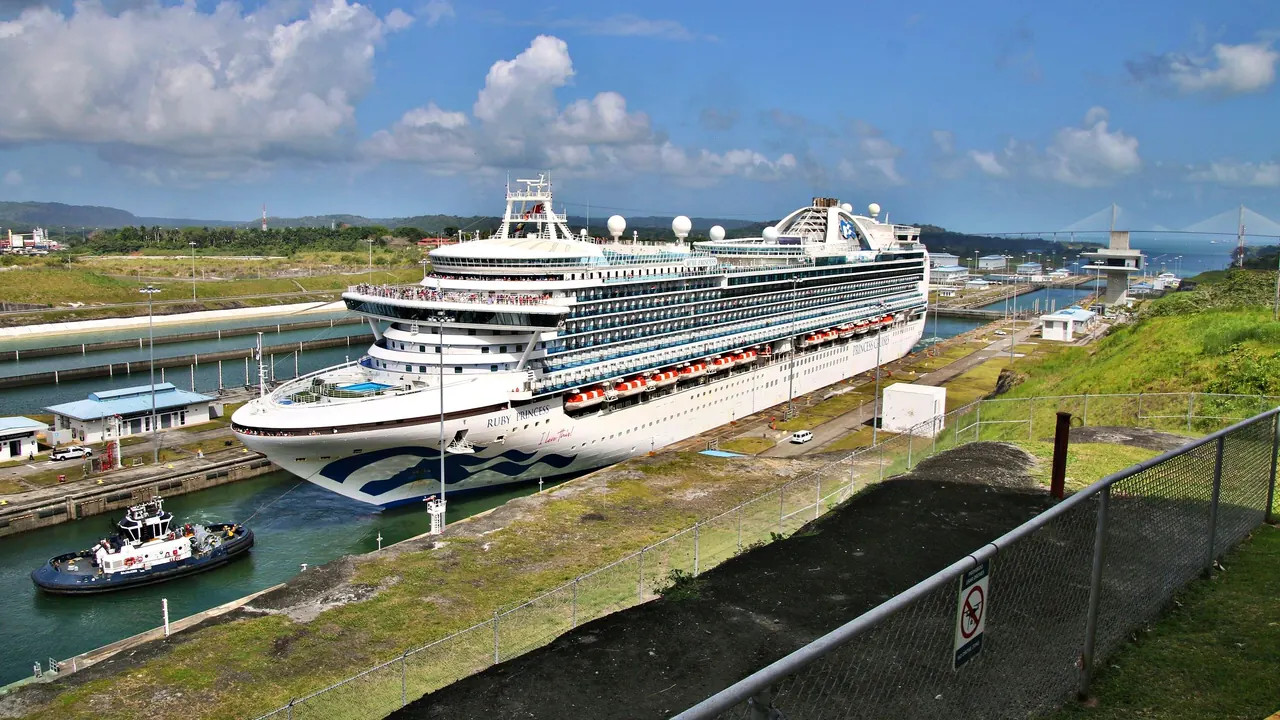
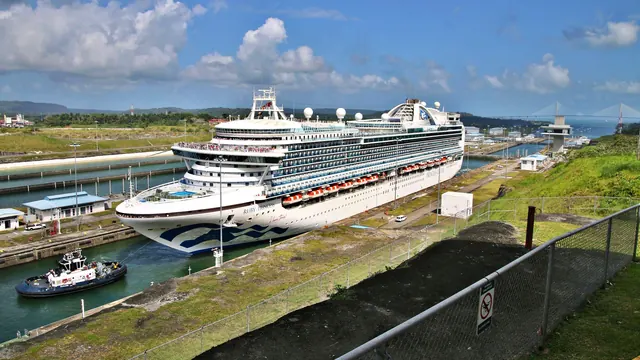
Panama suits travellers who want a trip with variety and are happy to move between bases. You can watch ships rise through the canal locks and walk the colonial streets of Casco Viejo. From there it is forest birding at Soberanía, cool coffee country around Boquete, and a few nights on the coral islands of San Blas. It asks for more planning and some boat and road transfers, but it gives you more history, wilder nature and better value.
Choose Cancun for
- families
- beaches
- nightlife
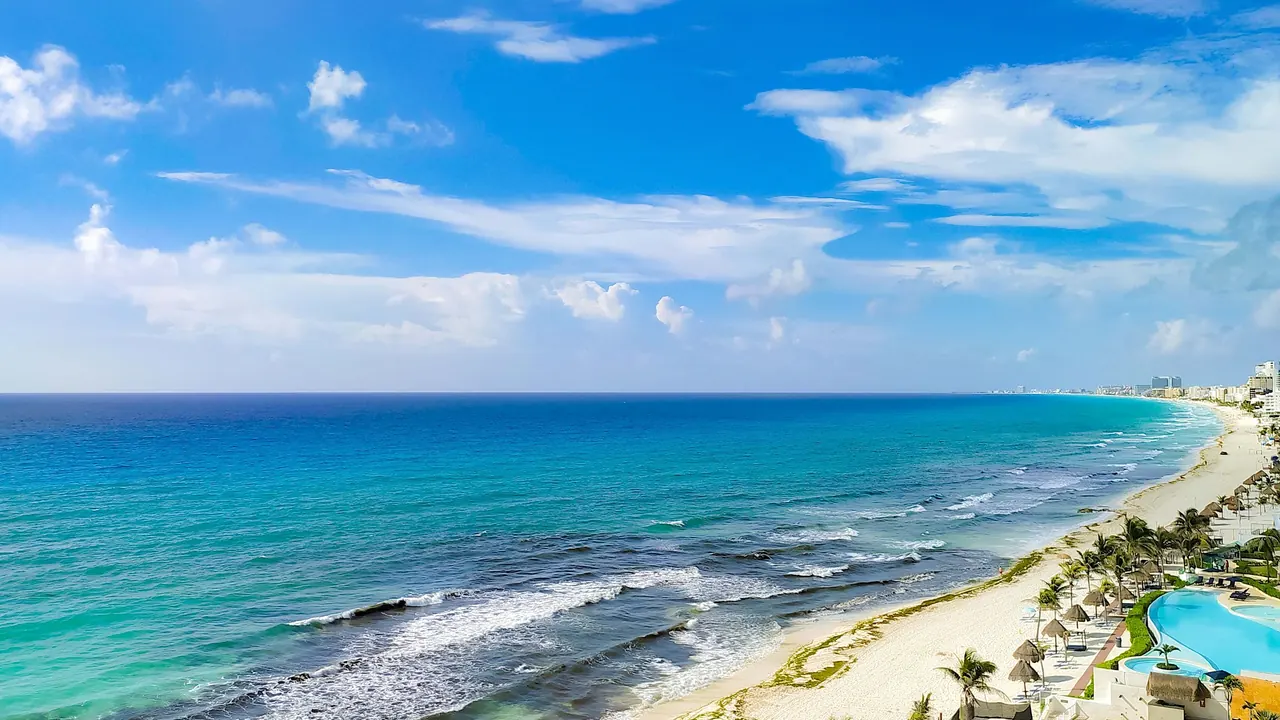
Cancun is the easier choice for a beach vacation with one base and no logistics. A long strip of pale sand and turquoise water sits right outside the hotel. Families get resort kids' clubs and calm bay beaches, and there are big clubs for late nights. The Maya ruins and the islands along the coast make good days out. Pick it when the sea and the resort matter more than what the town itself offers.
Scoreboard
Twelve categories on one fixed scale from 0 to 100. The shaded stretch is the gap between the two.
Your match
Pick a travel style or drag the sliders, and both match scores follow your weighting.
Wins on culture and sights and getting around with your weighting.
Wins on families and beaches with your weighting.
What matters to you?
Category by category
What the scores mean for a trip.
Beaches & swimming
Panama's best beaches look just as good in photographs, but they take effort to reach. The coral islands of San Blas mean an early road transfer over the hills and then a boat, and Bocas del Toro means a short flight and water taxis between the islands. The Pacific Riviera west of the capital is the easy option, with warm water and resorts, though the sand there is mostly grey.
Cancun is the better beach choice, because the beach is the reason the place exists. About 22km of fine pale sand runs along the Hotel Zone, a short walk from almost every hotel. The calm, shallow bay side suits children, and the open eastern shore has bigger waves and stronger currents.
Where in Panama: Guna Yala (San Blas Islands), Bocas del Toro, Pearl Islands, Pacific Riviera (Coronado to Playa Blanca)
Food & drink
Panama eats somewhat better. The ceviche stalls at the Panama City fish market and the chef-led kitchens of Casco Viejo give it more range. Boquete adds Geisha coffee tasted on the farm, and Bocas del Toro has Afro-Caribbean coconut cooking.
In Cancun the good eating is downtown, not on the beach strip. Look for Yucatecan cochinita pibil, sopa de lima and late-night tacos around Mercado 28 and Parque de las Palapas, because the Hotel Zone mostly serves resort buffets.
Where in Panama: Panama City, Boquete, Bocas del Toro
Culture & sights
This is the widest gap between the two, and it goes clearly to Panama. Watching ships lifted between the oceans at the Miraflores or Agua Clara locks is a sight you can only see here. Casco Viejo, the burned ruins of Panamá Viejo and the Spanish forts at Portobelo add real history.
Cancun was built as a resort from the 1970s and has almost no history of its own. The Maya Museum and the small San Miguelito ruins fill an afternoon, and anyone serious about the Maya has to travel out of town.
Where in Panama: Panama City, Panama Canal, Portobelo, Azuero Peninsula
Nightlife
Cancun is the stronger choice if going out is part of the plan. The giant clubs of the Party Center have shows, confetti and open bars, and they run until four or five in the morning. It is loud and aimed at one crowd, though downtown bars around Avenida Tulum offer a local alternative.
Panama's evenings are more about drinks than dancing. Rooftop cocktail bars in Casco Viejo look across the bay, and Calle Uruguay has later reggaeton and salsa at weekends. Bocas del Toro has a backpacker party scene, but most of the country is quiet after dinner.
Where in Panama: Panama City, Bocas del Toro
Nature & outdoors
Panama is richer and more varied. Soberanía National Park, under an hour from the capital, has toucans, sloths and howler monkeys. In the western highlands, Boquete has cloud forest and Volcán Barú. At sea there is Coiba's marine reserve, whales off the Pearl Islands and nesting turtles in Bocas del Toro.
Around Cancun the outdoors is mostly water. You can snorkel the Mesoamerican Reef and the underwater sculptures of MUSA, swim in the inland cenotes and join whale shark trips in summer. On land it is flat scrub, with nowhere worth hiking.
Where in Panama: Soberanía National Park, Boquete and Volcán Barú, Coiba National Park, Bocas del Toro
Day trips
Cancun has the better range of days out. Chichen Itza with Valladolid and a cenote makes a long but rewarding day. Coba and Ek Balam lie in the jungle, and closer to hand are Isla Mujeres, Playa del Carmen and the clifftop ruins at Tulum.
From Panama City, the trips are pleasant but on a smaller scale. You can take the ferry to Taboga, cross the isthmus to the forts at Colón, or visit the crater town of El Valle de Antón. Boquete and Bocas del Toro add only short local outings.
Where in Panama: Panama City, Boquete, Bocas del Toro
Good for families
Cancun is the easier family choice. The resorts are designed for children, with kids' clubs, shallow pools and buffets for fussy eaters. The calm bay beaches suit first swims, and the eco-parks down the coast can fill whole days.
Panama suits families who would rather see animals than visit theme parks. There are monkeys and sloths in the canal forests and Bocas del Toro, ships at Miraflores, and touch tanks at Punta Culebra. It has no big zoo or aquarium, and the island cabins of San Blas are better for older children.
Where in Panama: Panama City, Pacific Riviera (Coronado to Playa Blanca), Bocas del Toro
Getting around
Panama is easier to travel around. The capital has a metro, frequent buses on the Pan-American Highway run to the Pacific beaches and David, and short flights reach Bocas del Toro. The weak points are the islands, where you depend on water taxis and the early 4x4 transfer to San Blas.
Cancun is mostly one long boulevard with a bus along it. Walking is unpleasant in the heat, so it is taxis, ADO coaches down the coast, or a tour or hire car for cenotes and ruins.
Where in Panama: Panama City, Pan-American Highway corridor
Shopping & style
There is little between them here, and in both places mainstream shopping means malls. The difference is in the crafts. In Panama you can buy molas, hand-stitched by Guna women and sold in San Blas and the capital's markets, and fine woven straw hats from Penonomé.
In Cancun, Mercado 28 has embroidered huipiles, hammocks and silver, but you will need to bargain, and the same stock repeats from stall to stall. The Hotel Zone malls are better for luxury labels and duty-free.
Where in Panama: Panama City, Guna Yala (San Blas Islands), Penonomé
Affordability
Panama goes further on a modest budget. Local set plates, intercity buses and guesthouses in Boquete, Santa Catalina and Bocas del Toro are cheap. Costs rise with the capital's better hotels and the package transfers to San Blas.
Cancun's Hotel Zone is priced for international visitors, and resort meals, Party Center drinks and tours to the ruins add up quickly. Staying and eating downtown cuts costs sharply.
Where in Panama: Boquete, Bocas del Toro, Santa Catalina, Panama City
Live music & performing arts
Neither place has much of a stage scene, but Panama has more to offer. The Teatro Nacional in Casco Viejo hosts the national symphony and ballet, and the Panama Jazz Festival comes round each January. Típico music and pollera dresses fill the Azuero fiestas and Carnival.
Cancun's performances are put on for visitors: dinner shows with mariachi, entertainment in the resorts and large evening shows at the eco-parks.
Where in Panama: Panama City, Azuero Peninsula
Wellness & relaxation
Cancun is the better place to be pampered. The big Hotel Zone resorts have full spas with hydrotherapy circuits and massages on the sand, and the Maya temazcal sweat lodge is a genuinely local ritual. For quiet, stay at the southern end of the strip, on Isla Mujeres or in Puerto Morelos.
Panama's rest comes from places more than treatments. Boquete has cool highland air, the Bocas del Toro islands have yoga retreats, and San Blas has no roads. Its hot springs at Caldera and El Valle de Antón are simple and rustic.
Where in Panama: Boquete, Bocas del Toro, El Valle de Antón
When should you go?
Pick your month, and for a country the place in it. The climate figures are measured averages, not a forecast.
Where in Panama
Panama City (Panama) in July
Cancun in July
Daytime high, °C
Rainfall in the month, mm
Where the figures come from
Panama City (Panama) has no rain gauge within 25 km of the centre, so its rainfall comes from a gridded climate dataset read at the destination rather than from a gauge further away.
Cancun has no weather station within reach, so its figures come from a gridded climate model rather than a measured record, and read a broad area rather than one spot.
Temperature and rainfall are climate normals, averaged over the years shown. Panama City (Panama): 1991-2020 normals, Tocumen (20.4 km from centre). Cancun: 2001-2020 normals, NASA POWER reanalysis grid, no weather station within 90 km.
Both places are warm all year and the sea is pleasant for swimming in every month, so the choice comes down to rain. On Panama's Pacific side, around Panama City and the beaches west of it, the dry season runs from January to April, with as little as 19mm of rain in March. The rain builds from May and is heaviest from October to December, when 438mm can fall in a month. The capital is above 30°C all year, so long walks are hard work in any season. Bocas del Toro on the Caribbean side is wet every month, with calmer spells in February and again in September.
Cancun is a little cooler in winter, about 26°C in January, which is comfortable both on the beach and in town. From December to April it is mostly dry. Rain picks up in June and is heaviest in autumn, reaching about 224mm in October. From January to April both work, Panama's Pacific coast and Cancun alike, and in September the two are roughly level, with similar rain in Cancun, Panama City and Bocas del Toro. From October to December Cancun is clearly the drier choice, while both sides of Panama get their heaviest rain.
Which traveller are you?
For a culture and arts trip, Panama is the clear pick. It has the canal at Miraflores, colonial Casco Viejo, the ruins of Panamá Viejo, the Biomuseo and the Teatro Nacional. Cancun has little history of its own and sends visitors out of town to the Maya sites.
On a family trip with young children, Cancun is easier. All-inclusive resorts have kids' clubs and shallow pools, the bay beaches at Playa Langosta are calm, and the aquarium and eco-parks fill whole days. Panama's highlights involve heat, boats and basic island cabins.
On an outdoors trip, choose Panama. You can go birding on Pipeline Road, hike the cloud forest around Boquete, climb Volcán Barú at dawn and dive in Coiba National Park. Cancun offers reef snorkelling and cenotes, but the land is flat scrub with no real hiking.
More comparisons
Each shares a side with Panama or Cancun.
Where else could you go?
Set Panama against any other country.