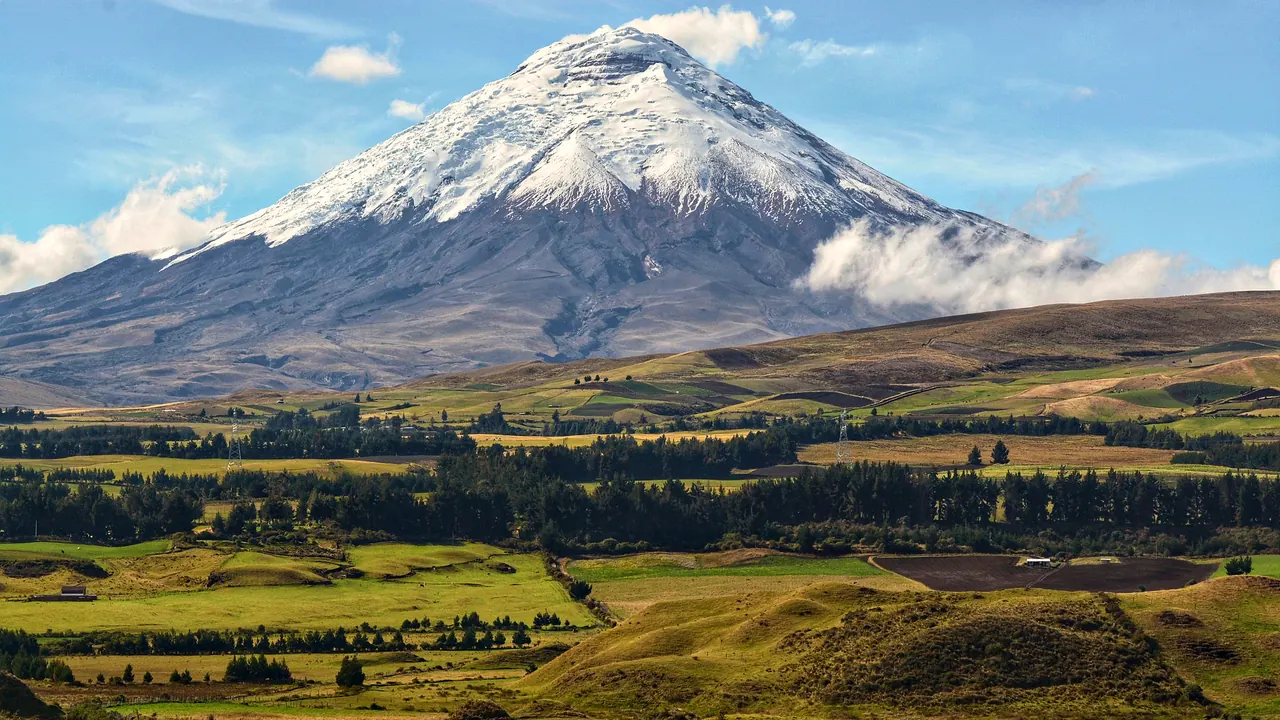
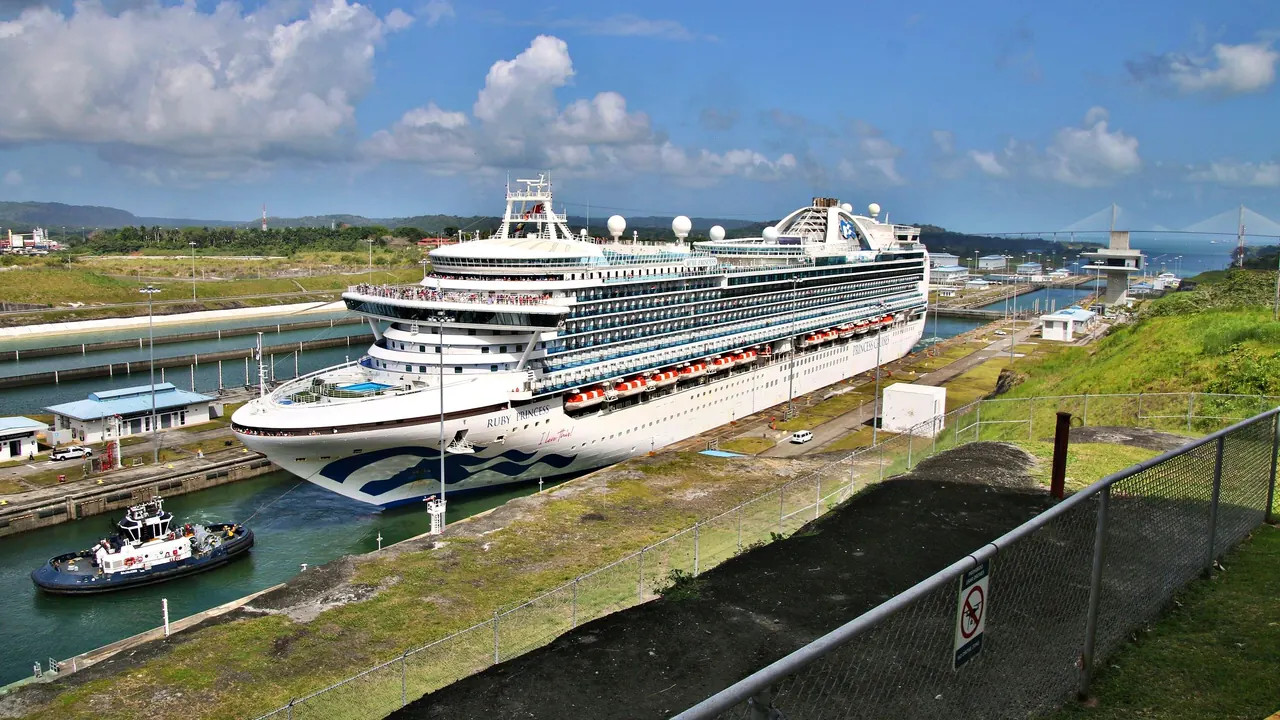
Photos: Ecuador by DΛVΞ GΛRCIΛ, Pexels License; Panama by Mike Krüger, CC BY-SA 4.0, cropped.
Ecuador or Panama?
Our verdict in twelve categories, each scored against the same fixed benchmark cities, and the climate month by month, so you can choose for your trip.
Choose Ecuador for
- prices
- wellness
- nature and the outdoors
Ecuador suits travellers who put landscape and wildlife first. A trip can take in Quito's colonial centre, the road south past the volcanoes, a cloud forest or Amazon lodge and, if the budget allows, the Galápagos. Travel on the mainland is cheap, and hot springs at Papallacta and Baños end a day of walking well. In return you accept slow mountain roads and a coast that is an afterthought.
Choose Panama for
- beaches
- nightlife
- families
Choose Panama when warm sea matters as much as forest. The San Blas islands and Bocas del Toro give it beaches Ecuador cannot match, the canal is a sight that works for adults and children alike, and Panama City has livelier evenings. It costs more, and away from the capital the heritage is thin, but a few city days, Boquete's coffee highlands and some island nights are easy to plan from one hub.
Scoreboard
Twelve categories on one fixed scale from 0 to 100. The shaded stretch is the gap between the two.
Your match
Pick a travel style or drag the sliders, and both match scores follow your weighting.
Too close to call, 1 point apart
Wins on prices and wellness with your weighting.
Wins on beaches and nightlife with your weighting.
What matters to you?
Category by category
What the scores mean for a trip.
Beaches & swimming
Panama's beaches can be the main reason for a trip, and it has two warm seas to choose from. Guna Yala's tiny coral islands of white sand and turquoise water are the highlight, best enjoyed over two or three nights in simple Guna-run cabins. Bocas del Toro offers calm water at Starfish Beach and reef snorkelling around the Zapatilla cays. The resort strip around Coronado has warm water, but the sand is grey.
Ecuador's mainland coast is mostly for surfers, with long sandy beaches at Montañita and Ayampe and the wild crescent of Los Frailes. From June to November the water is cool and the skies are grey. The Galápagos are where swimming becomes memorable, with sea lions on the sand at Tortuga Bay, but it is more a wildlife experience than a lazy beach trip.
Where in Ecuador: Galápagos Islands, Machalilla National Park, Montañita, Ayampe
Where in Panama: Guna Yala (San Blas Islands), Bocas del Toro, Pearl Islands, Pacific Riviera (Coronado to Playa Blanca)
Food & drink
The two are about even, and both cook hearty everyday food rather than refined cuisine. The difference is where the interest lies. In Ecuador it is spread across the covered markets of Quito, Cuenca and Otavalo, with highland dishes such as locro de papa and hornado, and coastal ceviche served in its citrus broth.
Panama's cooking is concentrated in the capital, at the ceviche stalls of the waterfront fish market and the restaurants of Casco Viejo, with Afro-Caribbean coconut cooking in Bocas. For drinks, Ecuador's speciality is fine cacao, while Panama's is Geisha coffee, which you can taste on the farms around Boquete.
Where in Ecuador: Quito, Guayaquil, Cuenca
Where in Panama: Panama City, Boquete, Bocas del Toro
Culture & sights
Ecuador has more heritage to fill several days. Quito's colonial centre is among the largest in the Americas, with the gilded interior of La Compañía, the San Francisco monastery and Guayasamín's Capilla del Hombre. Cuenca adds a second, quieter colonial city, and Ingapirca is the largest Inca site in the country.
Panama has one sight unlike anything else: watching ships rise through the Miraflores Locks. Casco Viejo, the ruins of Panamá Viejo and the forts at Portobelo give it a solid day or two. After that it has few major museums, while Ecuador's highlands keep going.
Where in Ecuador: Quito, Cuenca, Ingapirca
Where in Panama: Panama City, Panama Canal, Portobelo, Azuero Peninsula
Nightlife
Panama City is the better place for a night out. It has rooftop bars in Casco Viejo looking across the bay to the skyline, late weekend clubs around Calle Uruguay playing reggaeton and salsa, and Bocas del Toro's island parties linked by water taxi.
Ecuador's evenings are quieter. Quito has craft-beer bars in La Floresta and salsotecas in La Mariscal, and Montañita is the one real party town on the coast. Elsewhere in Ecuador, and in Panama beyond the capital and Bocas, nights end early.
Where in Ecuador: Quito, Guayaquil, Montañita
Where in Panama: Panama City, Bocas del Toro
Nature & outdoors
Ecuador is the stronger of two excellent choices, because it fits so many different landscapes into a short journey. You can walk the Quilotoa crater loop or look up at Cotopaxi's glaciers one day and be among Mindo's hummingbirds the next, while Amazon lodges in Cuyabeno and Yasuní reach monkeys and caimans by canoe. The Galápagos crown it: boat itineraries with guided landings, snorkelling beside sea lions and marine iguanas, and wildlife with no fear of people.
Panama's strength is how close its wildlife is to the capital. Pipeline Road in Soberanía, less than an hour away, has toucans, trogons and sloths, and Boquete adds cloud-forest trails and a pre-dawn climb up Volcán Barú. At sea, Santa Catalina is the jumping-off point for diving with sharks and rays in Coiba, humpbacks pass the Pearl Islands from July to October, and turtles nest in Bocas del Toro.
Where in Ecuador: Galápagos Islands, Avenue of the Volcanoes, Amazon (Cuyabeno and Yasuní), Mindo
Where in Panama: Soberanía National Park, Boquete and Volcán Barú, Coiba National Park, Bocas del Toro
Day trips
There is little to choose between them, but the outings feel different. From Quito and Cuenca, day trips are to market and craft towns: Otavalo's indigenous market, the leatherworkers of Cotacachi, Ingapirca and the silver filigree of Chordeleg. The winding mountain roads make each day longer than the map suggests.
Panama's day trips from the capital involve water and the canal. You can take the half-hour ferry to Taboga, cross to the Caribbean forts at Colón, explore the forest at Gamboa or go to El Valle de Antón inside its volcanic crater. These are pleasant outings rather than major sights.
Where in Ecuador: Quito, Cuenca
Where in Panama: Panama City, Boquete, Bocas del Toro
Good for families
Panama is easier with children. The Pacific resorts west of the capital have calm, warm beaches and pools. The locks, the Biomuseo, the Punta Culebra marine centre and the Summit animal park are all close to Panama City, and in Bocas sloths and monkeys are easy to spot. Heat and afternoon rain are the main drawbacks.
Ecuador suits school-age children who enjoy adventure, mainly through the Galápagos, Cuyabeno canoe trips and the ziplines at Baños. Quito's altitude, steep streets and long winding bus rides make the mainland hard going with toddlers.
Where in Ecuador: Galápagos Islands, Baños, Cuyabeno
Where in Panama: Panama City, Pacific Riviera (Coronado to Playa Blanca), Bocas del Toro
Getting around
Panama is simpler to get around because nearly everything starts from Panama City. Frequent buses run along the Pan-American Highway to the beaches and David, and a flight to Bocas takes under an hour. The awkward legs are the early 4x4 and boat transfer to San Blas and getting everywhere in Bocas by water taxi.
Ecuador has cheap buses to almost every town, but the mountain roads are slow and tiring. Quito to Cuenca takes most of a day by road, so many visitors fly, and the Galápagos can only be reached by air. Both capitals have a metro, but you will want taxis after dark in either.
Where in Ecuador: Quito, Cuenca
Where in Panama: Panama City, Pan-American Highway corridor
Shopping & style
Neither is a shopping destination, and in both the crafts matter more than the malls. Ecuador has the bigger markets: Otavalo's Plaza de los Ponchos is full of woollens and alpaca, and Cuenca's workshops weave the Panama hat, which is in fact made in Ecuador.
Panama's best buys are Guna molas, the hand-stitched layered textile panels sold in San Blas and at the capital's craft markets, and the fine straw hats of Penonomé. Its malls stock international brands and electronics, which Ecuador's malls do not offer to the same extent.
Where in Ecuador: Otavalo, Cuenca, Quito
Where in Panama: Panama City, Guna Yala (San Blas Islands), Penonomé
Affordability
Ecuador is the cheaper country day to day. Cuenca's market lunches and restored colonial guesthouses cost little, and backpacker Baños and long-distance buses keep a highland trip inexpensive. The big costs are the Galápagos, with a park fee, boats and lodges, and the all-inclusive Amazon lodges.
Panama's basics are cheap too, and guesthouses in Boquete, Santa Catalina and Bocas are good value. The comfortable end costs more, though. Better hotels and Casco Viejo restaurants are priced close to Southern Europe, and San Blas is usually sold as a package that includes the transfers.
Where in Ecuador: Cuenca, Quito, Baños, Otavalo
Where in Panama: Boquete, Bocas del Toro, Santa Catalina, Panama City
Live music & performing arts
Neither country is a reason to travel for the stage, but Panama City has slightly more on. The ornate Teatro Nacional in Casco Viejo hosts the symphony and ballet, the Panama Jazz Festival comes each January, and there is live salsa and típico at weekends.
Ecuador's Teatro Nacional Sucre in Quito offers symphony and opera. Its more distinctive music is in the peñas, with pasillo ballads and panpipes, and at Inti Raymi in June in the villages around Otavalo.
Where in Ecuador: Quito, Otavalo
Where in Panama: Panama City, Azuero Peninsula
Wellness & relaxation
Ecuador is the better choice for a restful trip, and the reason is volcanic heat. A soak at Papallacta, with steam rising off the pools into cold páramo air, is one of the trip's real pleasures, and the town of Baños is built around its springs. For a longer stay there are yoga retreats in Vilcabamba and quiet hacienda nights near Otavalo or Cotopaxi.
Panama has less of this to offer. Its hot springs at Caldera and El Valle de Antón are simple pools, and spas are generally found inside resorts. You unwind there by changing pace rather than with a treatment: cooler nights in Boquete, a yoga week on a quiet Bocas island, or San Blas, where there are no roads and little electricity.
Where in Ecuador: Papallacta, Baños, Vilcabamba
Where in Panama: Boquete, Bocas del Toro, El Valle de Antón
When should you go?
Pick your month, and for a country the place in it. The climate figures are measured averages, not a forecast.
Where in Ecuador
Where in Panama
Quito (Ecuador) in July
Panama City (Panama) in July
Daytime high, °C
Rainfall in the month, mm
Where the figures come from
Quito (Ecuador)'s station stands 208 m above the city centre, so the centre is likely a little warmer than the figures say.
Panama City (Panama) has no rain gauge within 25 km of the centre, so its rainfall comes from a gridded climate dataset read at the destination rather than from a gauge further away.
Temperature and rainfall are climate normals, averaged over the years shown. Quito (Ecuador): 1961-1990 (rainfall 1981-2010) normals, Izobamba-Santa Catalina (16.8 km from centre). Panama City (Panama): 1991-2020 normals, Tocumen (20.4 km from centre).
Ecuador's climate depends on altitude more than season. Quito stays around 18°C all year, so the streets are pleasant to walk in any month. It is driest and sunniest from June to August, and wettest in March and April. Down on the coast, Guayaquil is hot all year and soaked from January to April, then almost dry from July to October. The Galápagos follow the same pattern: the warm, showery months early in the year bring calmer water, but from August to October the sea cools to about 22°C.
Panama is hot throughout, with Panama City at 30°C or more in every month, so the difference between seasons is rain, not heat. The Pacific side is at its best from January to April, when the capital is close to dry and the beaches west of it are reliable. From October to December the rain is heavy, with Panama City getting about 438mm in November. Bocas del Toro is wet all year, though February and September are less so, and the Caribbean stays near 29°C. For a trip combining both countries, Panama's dry months are also the warm, wet ones on Ecuador's coast, while June to August suits the Andes best.
Which traveller are you?
For a beach and sun trip, Panama is the clear choice. The coral islands of Guna Yala and the reef-fringed cays of Bocas del Toro offer warm, clear water, while Ecuador's mainland coast is mostly surf towns under grey skies for half the year.
On a trip with a tight budget, Ecuador goes further. Cuenca, Baños and Otavalo have cheap market lunches, simple guesthouses and long-distance buses that cost little. In Panama, prices climb quickly once you move beyond local diners and the island boat transfers start to add up.
On an outdoors trip, Ecuador has more range in a small space: glaciated volcanoes, the Quilotoa loop, Mindo's cloud forest, Amazon lodges and the Galápagos. Panama's birding forests and Coiba's reefs are excellent, but the country has fewer landscapes to choose from.
More comparisons
Each shares a side with Ecuador or Panama.
 Belize vs Panama
 Bolivia vs Ecuador
 Chile vs Ecuador
 Colombia vs Ecuador
- Colombia vs Panama
 Costa Rica vs Ecuador
 Dominican Republic vs Panama
 Ecuador vs Peru
 Guatemala vs Ecuador
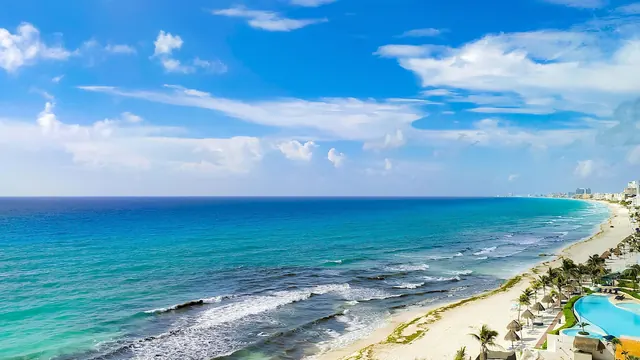 Panama vs Cancun
- Panama vs Costa Rica
- Panama vs Guatemala
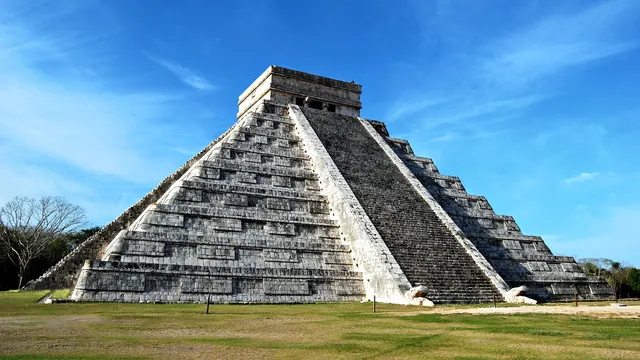 Panama vs Mexico
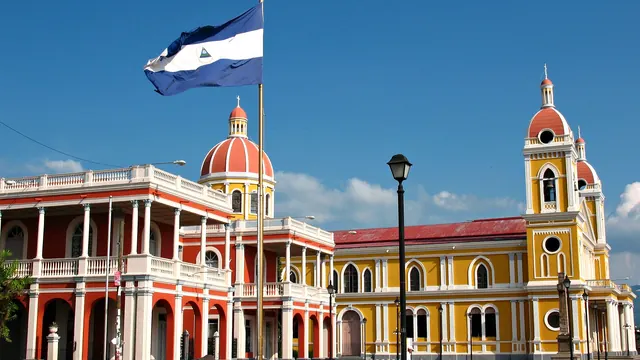 Panama vs Nicaragua
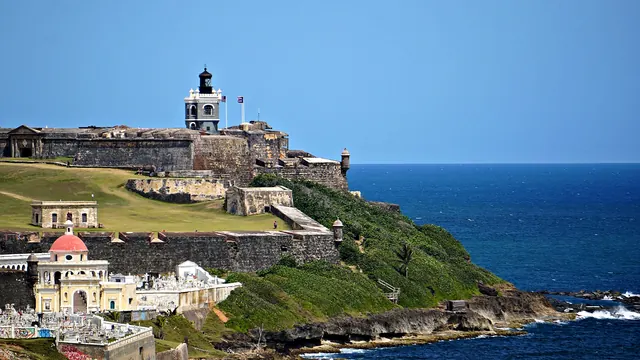 Panama vs Puerto Rico
 Panama vs The Bahamas
Where else could you go?
Set Ecuador or Panama against any other country.