Philippines
Cebu
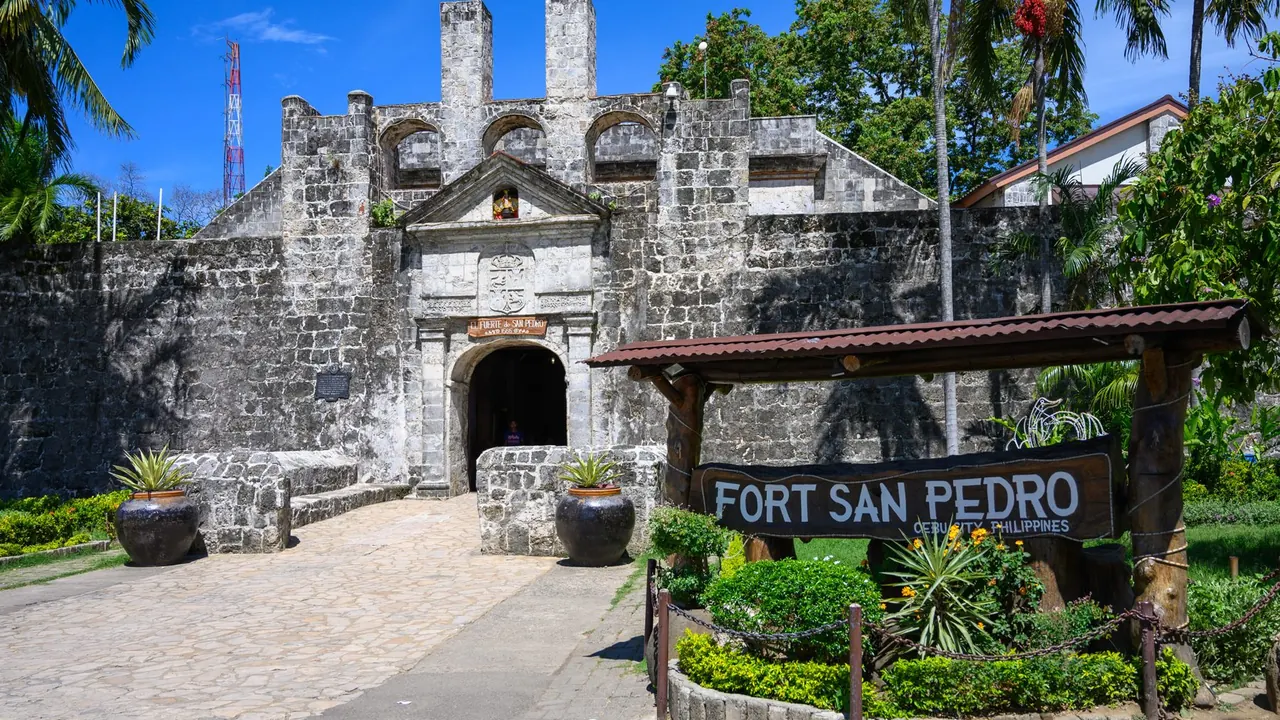
Fort San Pedro in Cebu City
- Affordable cities80
- Beaches60
- Nature & outdoors60
Photo: xiquinhosilva, CC BY 2.0, cropped
Match
48
Every category weighted equally
- Beach & sun53
- Culture & arts43
- Food & nightlife46
- Family trip51
- Outdoors52
- Relax & unwind51
- Shopping & style45
- On a budget52
Cebu in twelve categories
Our verdict on each, scored 0 to 100 against the same fixed benchmark cities, so a score means the same thing on every page.
Beaches & swimming. Scores 60 out of 100.
Food & drink. Scores 58 out of 100.
Culture & sights. Scores 40 out of 100.
Nightlife. Scores 46 out of 100.
Nature & outdoors. Scores 60 out of 100.
Day trips. Scores 44 out of 100.
Good for families. Scores 45 out of 100.
Getting around. Scores 26 out of 100.
Shopping & style. Scores 44 out of 100.
Affordability. Scores 80 out of 100.
Live music & performing arts. Scores 25 out of 100.
Wellness & relaxation. Scores 50 out of 100.
Cebu category by category
Beaches & swimming
60Cebu City itself faces a port, not a beach, so swimming starts on Mactan Island, across the bridges and about half an hour to an hour away depending on traffic. The shore there is lined with resorts, and most of the sand is small, coral-based and reached through a resort day pass rather than open public beaches. The water is the reward: warm all year at around 28°C and clear over the reefs.
The better swimming comes by outrigger boat from Mactan to the islets of Nalusuan, Hilutungan and Pandanon, with white sandbars and snorkelling straight off the boat. The postcard beaches of Moalboal, Malapascua and Bantayan are proper trips of three hours or more, so a beach-centred stay is better based on Mactan or further out.
Food & drink
58Cebu's food reputation rests on lechon, whole spit-roasted pig with crackling skin and lemongrass-scented meat, widely held to be the best in the country and eaten everywhere from roadside stalls to family feasts. Around it sits a casual, meat-and-rice culture: puso, rice boiled in woven coconut-leaf pouches, ngohiong spring rolls, and evening street grills where you pick skewers and they are cooked in front of you.
On Mactan, sutukil restaurants grill, stew or serve raw the fish you choose from the ice. Carbon Market and the dried-fish stalls of Taboan show the everyday side, and dried mangoes are the classic gift. Beyond that the range thins quickly into malls, chains and a modest set of upscale restaurants.
Culture & sights
40Cebu is the oldest Spanish settlement in the Philippines, and its few historic sights cluster within walking distance in the old downtown. Magellan's Cross, planted in 1521, stands in a small kiosk beside the Basilica del Santo Niño, which houses the country's most venerated religious image and is full of worshippers every day. Fort San Pedro, a small triangular stone fort, is close by.
In the Parian district, Casa Gorordo and the Yap-Sandiego Ancestral House give a glimpse of colonial domestic life, and the Heritage of Cebu monument tells the island's story in sculpture. The hilltop Taoist Temple adds a Chinese-Filipino layer. Most of the city is modern and unplanned, and the heritage can be seen in a full day.
Nightlife
46Cebu goes out casually and late. The IT Park business district, home to call centres working through the night, is the main hub, with open-air bar strips, beer gardens and restaurants that stay busy into the early hours. Mango Avenue in the older centre has the rougher, longer-running clubs and bars, and the Mandaue and Banilad areas have a handful of more polished lounges.
Nights tend towards cheap local beer, grilled snacks and karaoke among friends rather than serious cocktail bars or dance-music institutions. The January Sinulog festival turns the whole city into a street party for several days, but for most of the year this is a pleasant night out rather than a reason to come.
Nature & outdoors
60The quickest escape is uphill: the Busay and Sirao hills rise directly behind the city, with viewpoints, flower farms and cooler air within an hour. Out at sea, Mactan has good reef diving and snorkelling, and the Olango Island wildlife sanctuary draws migrating shorebirds in the northern winter months.
Cebu's most famous outdoor experiences sit at the southern end of the island, around three hours' drive: canyoneering down to Kawasan Falls, the climb to Osmeña Peak, the sardine shoals off Moalboal and the whale-shark encounters at Oslob. These are better done with an overnight stay. The dry season from about December to May is easiest; typhoons can disrupt the later months.
Day trips
44The best day out is Bohol, about two hours by fast ferry, where Tagbilaran, the stone church at Baclayon and the old river towns make a full day. On Cebu itself, the road south reaches the heritage town of Carcar, with its colonial houses and rotunda, in a little over an hour, and continues past a string of coral-stone churches built in the Spanish era, including those at Argao and further on at Boljoon.
Closer in, Lapu-Lapu's shrine on Mactan marks where Magellan was killed, and Olango is a short boat ride away. Road traffic is the constraint: journeys that look short on the map can take twice as long.
Good for families
45Filipino culture is openly fond of children, and families will find a welcome everywhere. The easiest way to do Cebu with children is from a Mactan resort with pools and a calm shoreline, adding a boat day around the islets for snorkelling. In the city, Cebu Ocean Park on the reclaimed waterfront is a sizeable aquarium, and the large air-conditioned malls double as indoor playgrounds when the heat peaks.
The Cebu Safari and Adventure Park in the northern hills is a full day out at about two hours' drive. The city itself is hard going with small children: few pavements, heavy traffic and steady tropical heat.
Getting around
26Cebu has no metro or rail line, and the roads are often gridlocked, especially across the bridges to Mactan and the airport. Jeepneys run fixed routes cheaply but are hard for a visitor to read, so most travellers rely on metered taxis and ride-hailing apps, which are inexpensive but slow at rush hours.
The historic sights downtown are within walking distance of each other, but pavements are patchy, crossings are stressful and the heat discourages long walks. Districts such as IT Park and Ayala are separate islands of walkability. Trips to the south of the island are done by hired car with driver or long-distance bus.
Shopping & style
44Shopping in Cebu happens mostly in very large malls, around Ayala Center, SM City and the seafront SM Seaside, with international chains, Filipino brands and air conditioning. There is little luxury retail and few independent design shops.
The local side is more interesting: Carbon Market, the city's oldest and busiest, for produce and household goods; the Taboan stalls for dried fish and squid; and dried mangoes and otap pastries as the classic take-home treats. On Mactan, family workshops build acoustic guitars and ukuleles from local wood, and shell and rattan crafts are sold widely.
Affordability
80Cebu is an inexpensive place to stay. City hotels, local eateries, street barbecue and taxis all cost little by international standards, and most of the historic sights are free or nearly so. A visitor who eats where locals eat and stays in the city spends very modestly.
Costs climb on Mactan, where beachfront resorts price for international visitors, and private boat hire for island hopping, diving and organised trips south add up. Imported wine and spirits are the main thing that feels expensive.
Live music & performing arts
25The big performance in Cebu is the Sinulog in January, when contingents in elaborate costumes dance the traditional two-steps-forward, one-back prayer dance through the streets in honour of the Santo Niño. For the rest of the year, live music means cover bands and acoustic sets in bars and restaurants, where Filipino singers are often excellent.
Formal theatre, classical concerts and dance appear only occasionally, mostly at university and cultural-centre venues, and there is no regular season for a visitor to plan around.
Wellness & relaxation
50Massage is part of everyday life in Cebu, from simple neighbourhood massage houses to hotel spas, and the traditional Filipino hilot, a warm-oil massage with herbal roots, is easy to find. The large resorts on Mactan have full spas and quiet pool decks, and that is where a restful stay is best based.
The city itself is the opposite of restorative: loud traffic, crowds and heat. There is no thermal or public bathing tradition, so wellness here means a good massage and a slow resort day rather than a culture built around it.
When should you go?
Pick a month to see what it is like. The climate figures are measured averages, not a forecast.
Cebu in July
Daytime high, °C
Rainfall in the month, mm
The whole year
Shaded against this city’s own year: the deepest cell is its best month for that figure and the palest its weakest.
Temperature and rainfall are climate normals, averaged over the years shown. Cebu: 1991-2020 normals, Mactan (7.1 km from centre).
Before you go
| Measure | Cebu |
|---|---|
| Official language | English, Filipino, Taglish |
| Currency | Philippine Peso (PHP) |
| Sockets | ABC220 V, 60 Hz |
| Driving side | Right |
| Time zone | UTC+8 |
| Emergency number | 911 |
| Elevation | 135 m |
| Main airport | Mactan Cebu International Airport (CEB)9 km from centre41 non-stop destinations |
| Public holidays this year | 18 days |
By the numbers
| Measure | Cebu |
|---|---|
| City population | 965,332 |
| People per km² | 3,065 |
| Museums within 10 km | 5 |
| UNESCO World Heritage sites within 50 km | 0 |
| Swim season, months above 21 °C | 12 months |
Compare Cebu with
Every comparison with a written verdict behind it.