Philippines
El Nido
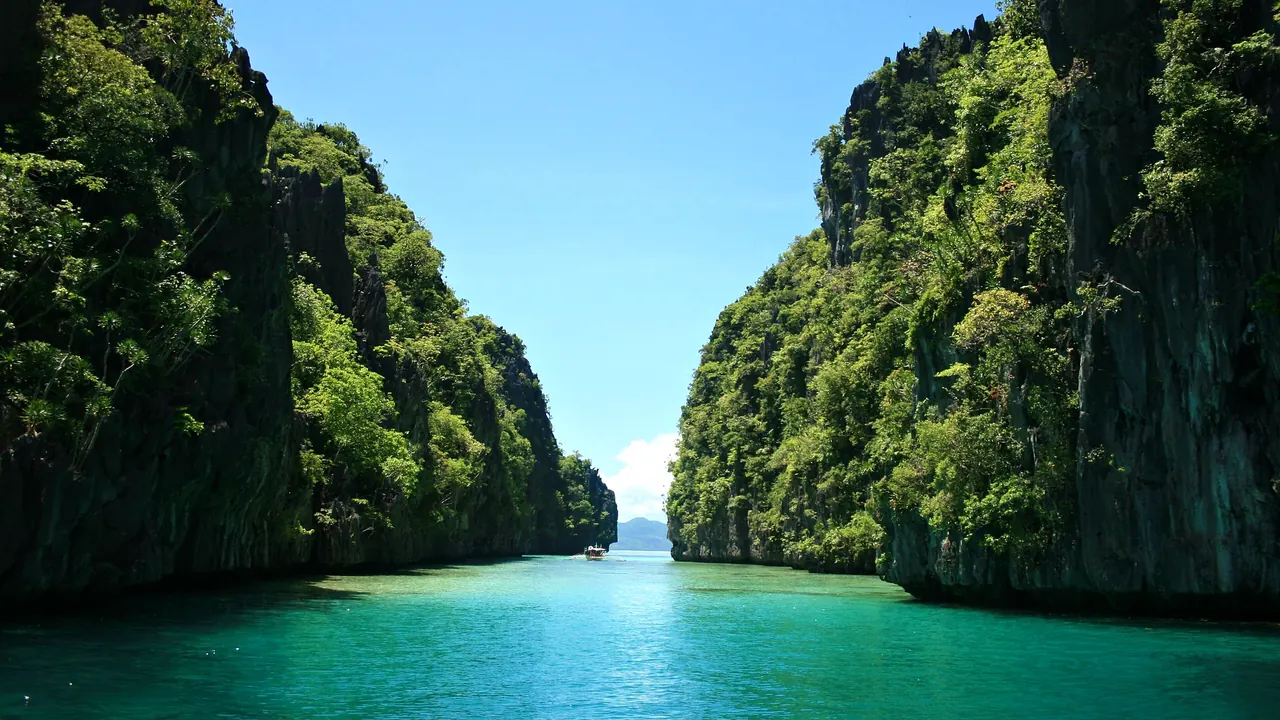
The entrance to the Big Lagoon
- Beaches92
- Nature & outdoors87
- Affordable cities64
Match
36
Every category weighted equally
- Beach & sun47
- Culture & arts24
- Food & nightlife28
- Family trip44
- Outdoors44
- Relax & unwind44
- Shopping & style27
- On a budget39
El Nido in twelve categories
Our verdict on each, scored 0 to 100 against the same fixed benchmark cities, so a score means the same thing on every page.
Beaches & swimming. Scores 92 out of 100.
Food & drink. Scores 27 out of 100.
Culture & sights. Scores 4 out of 100.
Nightlife. Scores 30 out of 100.
Nature & outdoors. Scores 87 out of 100.
Day trips. Scores 8 out of 100.
Good for families. Scores 40 out of 100.
Getting around. Scores 22 out of 100.
Shopping & style. Scores 7 out of 100.
Affordability. Scores 64 out of 100.
Live music & performing arts. Scores 7 out of 100.
Wellness & relaxation. Scores 46 out of 100.
El Nido category by category
Beaches & swimming
92Beaches are the reason to come, and they are reached rather than stepped onto. The town front is a working harbour lined with bangkas, so the day starts with a boat or a tricycle ride. To the south, Las Cabanas and Marimegmeg have soft sand and long sunsets. To the north, Nacpan is a sweep of pale sand about 4km long with almost nothing built on it. Out in Bacuit Bay, island-hopping boats stop at small white coves between limestone cliffs, where the water is shallow and very clear.
From November to May the sea sits around 28°C to 29°C and is usually calm. From June to October the southwest monsoon brings rain and swell, and boat trips are often called off. On the popular routes, coves can fill with several boats at once around midday, so it pays to go out early.
Food & drink
27Eating out is simple and built around visitors. The town lanes are full of casual restaurants serving pasta, pizza, burgers and smoothie bowls to backpackers. Filipino places sit among them with adobo, sinigang and kinilaw, the local ceviche. The best meals tend to be the simplest: fish and squid grilled over charcoal, and the lunch of rice, seafood and fruit the boat crews cook on the island-hopping trips. There is little depth, and nobody comes here for the food.
Culture & sights
4There is almost nothing here to see in the museum or monument sense. El Nido is a small fishing town that grew around tourism. It has a modest parish church and a few old wooden houses, and its only real landmark is the limestone cliff behind the town, which is a natural one. If you are after history or architecture, look elsewhere.
Nightlife
30Evenings are sociable but small. Sunset drinks at Las Cabanas or on the town beach lead to the bars along the main lanes, where a young backpacker crowd moves between reggae bars, beach bars with fire dancers and a couple of spots that keep going past midnight. Hostel pub crawls and party boats give it a reputation as a sociable town. There are no proper clubs, and the scene is a few streets long. Couples and families staying out at the beach resorts will barely notice it.
Nature & outdoors
87The setting is outstanding. Bacuit Bay is scattered with sheer black limestone islands, and inside them are lagoons you kayak into through narrow gaps in the rock. The Big and Small Lagoons on Miniloc are the best known. Snorkelling over coral gardens and the shallow reef flats comes with every boat trip, and dive centres run to walls, caverns and turtle sites in the bay.
On land, the outdoor offer is smaller. You can climb the Taraw cliff above town for the view, ride out by scooter to the Nagkalit-kalit waterfalls, or head to the quiet northern coast. The dry months from November to May are the time to come, when the sea is calm and the light is clear.
Day trips
8There is very little to visit beyond El Nido itself. Taytay, about an hour and a half south by road, has a small 18th-century Spanish fort above its bay. Port Barton is a quieter beach village, but it is a long road trip away. Coron and Puerto Princesa are journeys, not day trips. Visitors spend their days on the water instead.
Good for families
40It works best for families with confident, slightly older children who enjoy snorkelling and boat days. The water in the coves is warm, clear and often shallow. Filipinos are warm towards children, and resort stays on the quieter beaches are easy.
There is nothing built for children, though. There are no parks, zoos or museums, and boat trips mean hours in the sun with steep ladders and wet landings. The town has narrow lanes without pavements and constant tricycle traffic. Getting here involves either a small plane or a long van ride, and medical facilities are basic, so toddlers are hard work.
Getting around
22The town centre is small enough to walk, though the narrow lanes have no pavements and are shared with tricycles, scooters and the odd puddle after rain. Beyond that, motorised tricycles are the everyday way to get to Las Cabanas, Corong-Corong and the airport. Nacpan and the north need a tricycle hired for the day, a van or a rented scooter. The islands are reached on organised bangka tours or private boat hire. There is no public transport in any real sense.
Shopping & style
7Shopping is limited to stalls and small shops selling sarongs, swimwear, dry bags, woven bags and shell or pearl jewellery. There is a local market for produce and fish, but nothing worth planning a day around.
Affordability
64By international standards it is still a fairly cheap place to stay, but it is noticeably dearer than most of the Philippines. Simple guesthouses, Filipino canteens, grilled seafood and tricycle rides are inexpensive. The restaurants on the main lanes charge visitor prices, though, and imported drinks and Western dishes cost more than you might expect.
Boat tours and private boat hire are a daily expense. At the top end, the private-island resorts in the bay are as expensive as anywhere in Asia. Being remote pushes up the price of most things, from flights to bottled water.
Live music & performing arts
7Performance here means acoustic guitarists and reggae covers in the beach bars, plus fire dancers on the sand after dark. There is no theatre or concert venue, and no traditional performance staged for visitors.
Wellness & relaxation
46Relaxation comes from the pace more than from any bathing tradition. Massage is everywhere, in simple beachfront huts and small spas, and some places offer hilot, the traditional Filipino massage. Several places run yoga classes, and the private-island and hillside resorts have proper spas and very quiet surroundings.
The town itself is less restful. Tricycle engines, generators and bar music fill the lanes, so anyone who wants calm should stay out at Corong-Corong, Las Cabanas or the northern beaches.
When should you go?
Pick a month to see what it is like. The climate figures are measured averages, not a forecast.
El Nido in July
Daytime high, °C
Rainfall in the month, mm
The whole year
Shaded against this city’s own year: the deepest cell is its best month for that figure and the palest its weakest.
Where the figures come from
El Nido has no weather station within reach, so its figures come from a gridded climate model rather than a measured record, and read a broad area rather than the city itself.
Temperature and rainfall are climate normals, averaged over the years shown. El Nido: 2001-2020 normals, NASA POWER reanalysis grid, no weather station within 90 km.
Before you go
| Measure | El Nido |
|---|---|
| Official language | English, Filipino, Taglish |
| Currency | Philippine Peso (PHP) |
| Sockets | ABC220 V, 60 Hz |
| Driving side | Right |
| Time zone | UTC+8 |
| Emergency number | 911 |
| Elevation | 35 m |
| Main airport | El Nido Airport (ENI)4 km from centre5 non-stop destinations |
| Public holidays this year | 18 days |
By the numbers
| Measure | El Nido |
|---|---|
| City population | 51,367 |
| People per km² | 56 |
| Museums within 10 km | 0 |
| UNESCO World Heritage sites within 50 km | 0 |
| Swim season, months above 21 °C | 12 months |
Compare El Nido with
Every comparison with a written verdict behind it.