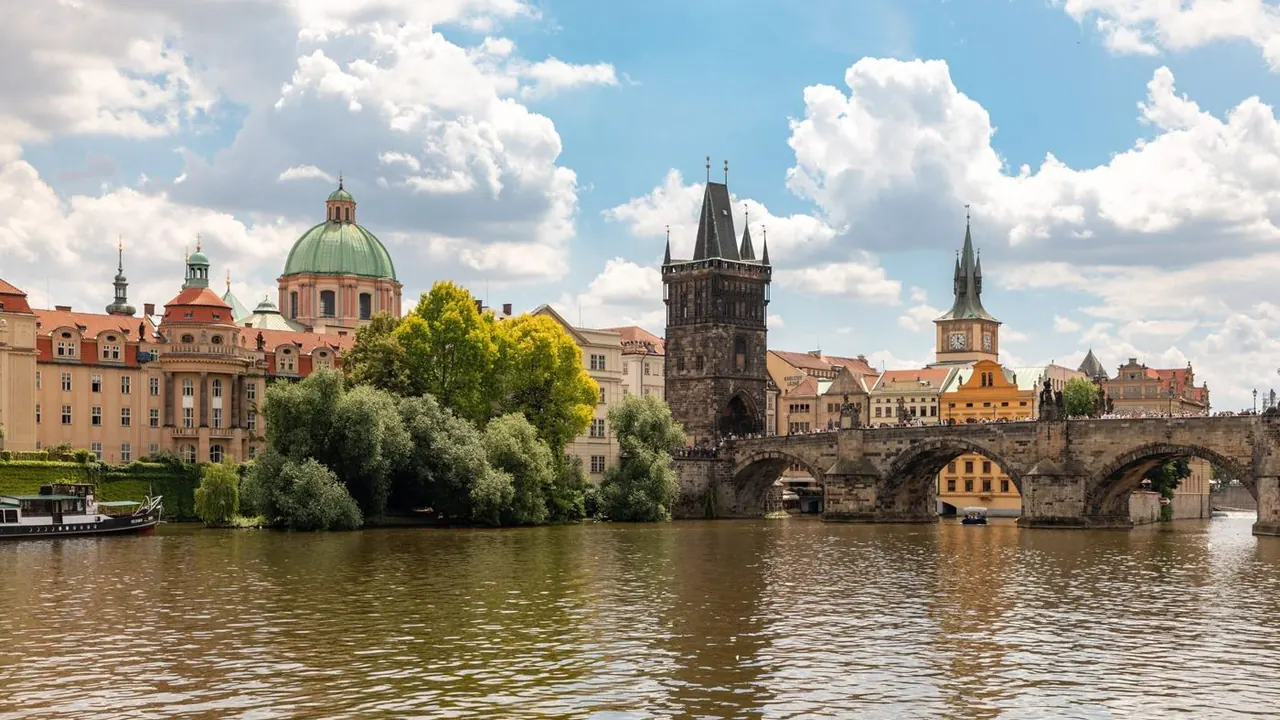
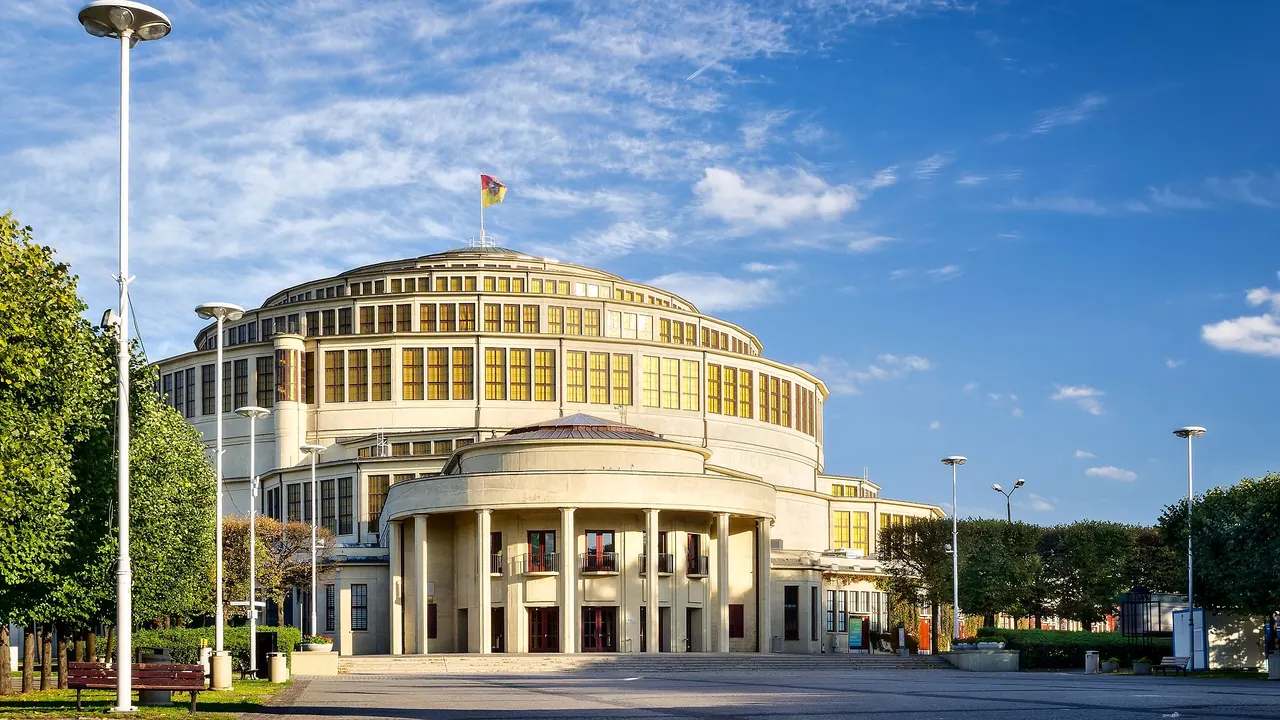
Photos: Prague by Dietmar Rabich, CC BY-SA 4.0, cropped; Wroclaw by Jar.ciurus, CC BY-SA 3.0 PL, cropped.
Prague or Wroclaw?
Our verdict in twelve categories, each scored against the same fixed benchmark cities, and the climate month by month, so you can choose for your trip.
Choose Prague for
- live music and the arts
- culture and sights
- day trips
Prague is the choice for a first trip to Central Europe built around sights and music. Its castle, Charles Bridge and Old Town survived largely intact, its opera houses and concert halls are among the finest in the region, and Kutna Hora, Karlstejn and even Dresden are an easy train ride away. A metro and all-night trams make a packed few days simple, as long as you accept crowds in the old core and eat a tram ride away from it.
Choose Wroclaw for
- prices
- families
Wroclaw suits travellers who want a gentler, cheaper city with fewer famous landmarks and more room to wander. The Market Square, the lamplit cathedral island and the dwarf statues make a relaxed few days, children are well looked after by a flat centre and an excellent zoo, and money goes noticeably further. It also works as a base for Lower Silesia's castles and the Sudetes, ideally with a car.
Scoreboard
Twelve categories on one fixed scale from 0 to 100. The shaded stretch is the gap between the two.
Your match
Pick a travel style or drag the sliders, and both match scores follow your weighting.
Wins on live music and the arts and culture and sights with your weighting.
Wins on prices and families with your weighting.
What matters to you?
Category by category
What the scores mean for a trip.
Beaches & swimming
Neither city is a place to swim, and both are far from the sea. What differs is the summer water day out: Prague's locals swim at the Dzban reservoir in the Sarka valley or go about an hour south to the wooded Slapy reservoir.
Wroclaw's Oder has sandy river beaches with deckchairs and drinks, but they are for lounging, and swimming means a pool or a lake out in the countryside.
Food & drink
Both kitchens are hearty, beer-led and satisfying rather than a reason to travel. Prague's table is roast pork with dumplings, svickova and beer snacks, with some of the best poured lager anywhere, and good eating is in Vinohrady, Karlin and Letna rather than the old centre.
Wroclaw answers with pierogi, zurek in a bread bowl and cheap milk-bar lunches, plus bistros just off the Market Square giving Polish dishes a lighter touch. Prague wins for beer lovers, while Wroclaw keeps its decent food closer to the main square.
Culture & sights
Prague is the richer city to look at, with an entire medieval and Baroque centre preserved: the castle and St Vitus Cathedral, Mala Strana's palaces, the Charles Bridge and the synagogues of Josefov, and three or four days are needed for the essentials alone.
Wroclaw is smaller in scale and much of its centre was rebuilt after 1945. It still has real highlights in the vast Market Square and its Gothic town hall, the brick churches of Ostrow Tumski, the Aula Leopoldina and the Centennial Hall, and its crowds are lighter than Prague's.
Nightlife
Prague has the bigger night out. Long pub evenings in Zizkov, wine bars in Vinohrady, beer gardens on Letna and a proper techno circuit in Holesovice give it range, though the Old Town clubs lean towards stag parties.
Wroclaw's evenings are driven by students and stay close together, mostly in cellar bars and the crowded courtyard passage off Ruska Street, with little clubbing to speak of. It is fun on a weekend in term time and much quieter during the university vacations.
Nature & outdoors
Both offer similar amounts of green, but of different kinds. Prague is hilly within the city, with Petrin's orchards and the rocky gorge of Divoka Sarka, and the sandstone towers of Bohemian Switzerland about two hours out.
Wroclaw is flat and watery, with river channels, islands and the Japanese Garden in Szczytnicki Park. Its edge is the mountains: Sleza for a half-day climb, and the Karkonosze and Table Mountains within reach for long hikes or winter skiing, which Prague has no counterpart for.
Day trips
Prague is the stronger base. Kutna Hora's ossuary and cathedral, Karlstejn, Terezin and Melnik are all about an hour away, mostly by train, and Dresden and Karlovy Vary make longer outings.
Lower Silesia around Wroclaw is just as full of castles and abbeys, from Ksiaz to the wooden Churches of Peace at Swidnica and Jawor, but the sights are less famous and far easier to combine with a hire car than by rail.
Good for families
In Prague, the best family day is the zoo at Troja, on a wooded hillside above the river with a chairlift between its levels. The Petrin funicular up to the lookout tower and its mirror maze makes a good second outing. After that come the National Technical Museum and boat trips on the Vltava, and children ride the trams cheaply, but there is not much more for children after these.
Wroclaw gives families more to fill the days. Besides its zoo there is a hands-on water science centre in an old reservoir building, summer evening shows at the multimedia fountain by the Centennial Hall, and plenty of parks and playgrounds. Its offer for children is short too, but with less effort spent getting from one place to the next, a few days with children are less tiring than in Prague.
Getting around
Both centres are walkable, but Prague's transport is in a different league. Three metro lines, trams running all night, the Petrin funicular and river ferries share one ticket, so even the uphill castle is easy.
Wroclaw has the advantage of flat, pedestrianised streets and good bike lanes along the river, but its trams are slower in traffic and confusing at first, and the castles and mountains beyond are much easier by car.
Shopping & style
Prague gives a shopper more to do: luxury labels on Parizska, chains around Wenceslas Square, and genuinely Czech buys in Bohemian crystal, garnets and marionettes, provided you look past the souvenir shops of the old centre.
Wroclaw is practical, with malls, the striking 1930s Renoma store and the riverside market hall. Its best souvenirs are Boleslawiec stoneware and amber, but there is no luxury street and little to browse beyond Nadodrze's few design shops.
Affordability
The price gap is widest in the old towns. In Prague, a room within walking distance of the Charles Bridge or a table with a view of the river or the squares carries a heavy visitor premium. The cheaper city of pub lunches and neighbourhood beer only starts once you leave the historic core, and the exchange booths in the centre are best avoided.
Wroclaw stays cheap in its centre too. A comfortable hotel or apartment near the Market Square costs far less than a similar room in Prague's old town, so you can sleep among the sights without paying extra for it, and only the terraces on the square itself charge for the view. Beer and trams are cheap in both cities, so the saving matters most to travellers who want to stay central.
Live music & performing arts
Prague is one of Europe's great music cities, and that gap is wide. The National Theatre, State Opera and the Estates Theatre where Don Giovanni premiered, the Czech Philharmonic at the Rudolfinum and the Prague Spring festival give a serious calendar, with black-light and marionette theatre for those without Czech.
Wroclaw is strong for its size, with the acoustically fine National Forum of Music, its opera house, the Grotowski theatre tradition and festivals such as Wratislavia Cantans and Jazz on the Oder, but there is less on offer on any given night.
Wellness & relaxation
Neither city has its own bathing culture, so the difference lies in ways to slow down. Prague offers more of them: grand old coffee houses, the terraced Baroque gardens below the castle and quiet corners on Kampa or at Vysehrad, though its hops-and-malt beer spas are a novelty.
Wroclaw has an aquapark with saunas and riverside cafés in town, and historic spa towns such as Szczawno-Zdroj about an hour out, worth a day trip to take the waters.
When should you go?
Pick your month. The climate figures are measured averages, not a forecast.
Prague in July
Wroclaw in July
Daytime high, °C
Rainfall in the month, mm
Temperature and rainfall are climate normals, averaged over the years shown. Prague: 1991-2020 normals, Praha-Libus (8.1 km from centre). Wroclaw: 1991-2020 (rainfall 1961-1990) normals, Wroclaw Copernicus Airport (10.5 km from centre).
The two climates are almost the same. In Prague, summer afternoons reach about 25°C from June to August. That is warm enough to walk all day, and these are the sunniest months, but they are also the wettest, with around 80mm a month, often in short showers and thunderstorms. Winters are cold and grey, with highs barely above freezing and little sun, so December to February is better for museums, concerts and coffee houses than for long walks.
Wroclaw follows the same pattern but is a degree warmer in high summer, reaching 26°C in July, and it gets noticeably more sunshine from April to August. For warmth and long sunny days, the best time to visit either city is late May to early September. September is the more settled month there, still around 20°C with about half the summer rain. Through October and November, Prague stays the drier of the two.
Which traveller are you?
On a culture and arts trip, Prague is the clear pick. The castle complex, Mala Strana, Josefov and its Cubist and Art Nouveau buildings come with three opera stages and the Rudolfinum, a depth Wroclaw's Market Square and fine concert hall cannot match.
For a trip on a tight budget, Wroclaw goes further. Central hotels, milk-bar lunches, trams and museums all cost little, whereas Prague is only good value once you leave the old centre for Zizkov or Vinohrady.
On a family trip with children, Wroclaw is the easier city. Its flat, largely car-free centre suits pushchairs, the dwarf hunt keeps children busy and the zoo has the Afrykarium, while Prague's cobbles, castle stairs and summer crowds wear families down.
Before you go
| Measure | Prague | Wroclaw |
|---|---|---|
| Official language | Czech | Polish |
| Currency | Czech Koruna (CZK) | Zloty (PLN) |
| Sockets | CE230 V, 50 Hz | CE50 Hz |
| Driving side | Right | Right |
| Time zone | UTC+1, UTC+2 in summer | UTC+1, UTC+2 in summer |
| Emergency number | 112 | 112 |
| Elevation | 235 m | 111 m |
| Main airport | Václav Havel Airport Prague (PRG)12 km from centre178 non-stop destinations | Copernicus Wrocław Airport (WRO)11 km from centre84 non-stop destinations |
| Public holidays this year | 13 days | 14 days |
By the numbers
| Measure | Prague | Wroclaw |
|---|---|---|
| City population | 1,397,880 | 673,531 |
| People per km² | 2,817 | 2,299 |
| Museums within 10 km | 88 | 42 |
| UNESCO World Heritage sites within 50 km | 1 | 2 |
Where else could you go?
Every comparison below shares a destination with this one, so you can follow Prague or Wroclaw somewhere new.