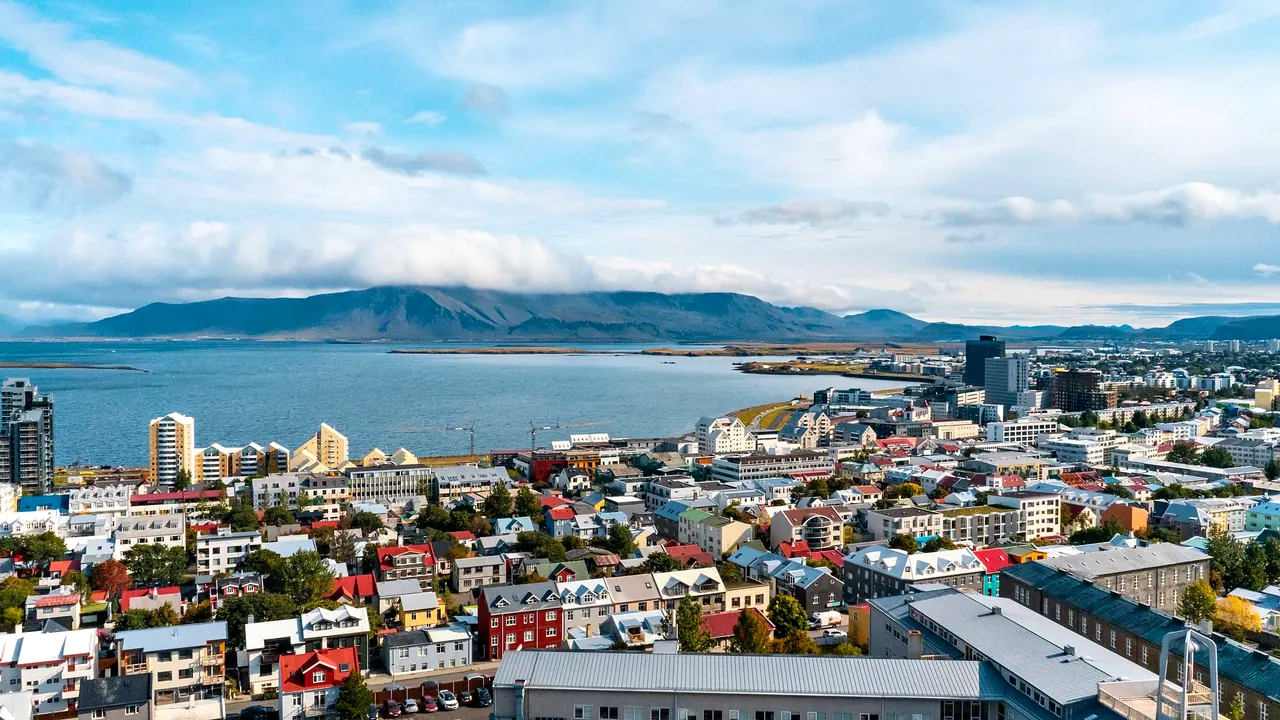
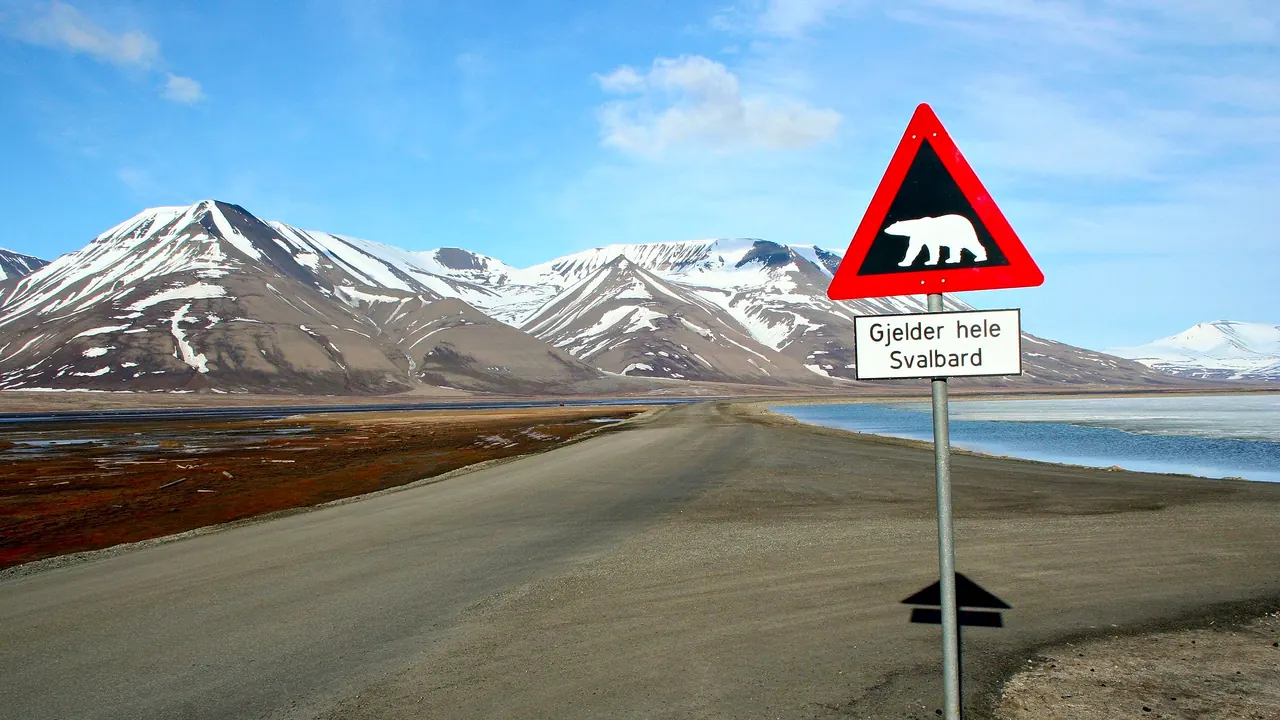
Photos: Reykjavik by Atlantic Ambience, Pexels License; Svalbard by Sprok, CC BY-SA 3.0, cropped.
Reykjavik or Svalbard?
Our verdict in twelve categories, each scored against the same fixed benchmark cities, and the climate month by month, so you can choose for your trip.
Choose Reykjavik for
- wellness
- getting around
- nightlife
Reykjavik is the better choice for most people heading north. It is a real capital with heated pools in every district, a weekend bar crawl, a concert hall and decent restaurants, and the waterfalls, geysers and lava fields of south-west Iceland are within a drive. It suits couples, families and anyone who wants wild scenery by day and a comfortable town at night, and who would rather explore on their own in a hire car.
Choose Svalbard for
- nature and the outdoors
Svalbard is for travellers who want the high Arctic itself and will accept what that costs. Longyearbyen has little beyond a museum and a few pubs, every outing past the edge of town needs a guide, and younger children get much less from it. In return you get the chance of polar bears and walrus, dog sleds across frozen valleys and a silence that few places can match.
Scoreboard
Twelve categories on one fixed scale from 0 to 100. The shaded stretch is the gap between the two.
Your match
Pick a travel style or drag the sliders, and both match scores follow your weighting.
Wins on wellness and getting around with your weighting.
Wins on nature and the outdoors with your weighting.
What matters to you?
Category by category
What the scores mean for a trip.
Beaches & swimming
Neither is a beach destination, but Reykjavik at least has Nauthólsvík. It is a geothermally warmed cove of golden sand where a cold dip in the sea ends in a hot tub, and the city's heated outdoor pools give you proper swimming all year.
Svalbard has only grey shingle shores and fjord water of 4-7°C even in summer, and you need polar bear protection once you leave town. Swimming there means a brief polar plunge off a boat or a few lengths in Longyearbyen's indoor pool.
Food & drink
Reykjavik has more choice. Local fish, lamb, skyr and greenhouse vegetables are cooked in a pared-back Nordic style. Between Laugavegur and the Old Harbour there are bakeries, bistros, craft-beer bars and simple lunches of lamb soup or plokkfiskur, enough to vary your meals over a week.
Longyearbyen's kitchens use more unusual ingredients, such as reindeer, seal and king crab, and there is a celebrated wine cellar and locally brewed beer, so a few dinners there are memorable. But the choice is a handful of places on one street, and outside town you eat packed lunches on boats.
Culture & sights
Neither takes long to see. Reykjavik's sights are those of a small national capital: Hallgrímskirkja and Harpa, the Settlement Exhibition built around a Viking-age longhouse, the National Museum and the painted iron houses around Tjörnin.
Svalbard's heritage is industrial and polar rather than civic. There is the Svalbard Museum on trappers and miners, the museum of North Pole expeditions, the old mine entrances and cable-car towers above Longyearbyen, and the Seed Vault, which you can only see from outside. One tells the story of a nation, the other of an Arctic frontier.
Nightlife
Reykjavik has a real weekend night out. On Fridays and Saturdays the runtur moves along Laugavegur and the streets near Austurvöllur, and small bars turn into dance floors after midnight. In midsummer you walk home in daylight. Weeknights are much quieter.
Svalbard has a few pubs on Longyearbyen's main street, where guides, miners and researchers share a local beer. It is friendly and unusual, but there are no clubs and one evening covers most of it.
Nature & outdoors
Both are among the great landscapes of the north, and this is why people go to either. Around Reykjavik it is volcanic country you can drive to yourself: the rift at Þingvellir, Strokkur and Gullfoss, the south-coast waterfalls, glacier walks at Sólheimajökull and the lava fields of Reykjanes.
Svalbard is wilder and more remote, true high Arctic with no roads beyond the settlements. The draw is wildlife and ice: polar bears, walrus, Arctic foxes, calving glacier fronts, dog sledding and snowmobile crossings, always with a guide.
Day trips
Day trips from Reykjavik are stops on a scenic drive, most of them with history attached. There is Þingvellir, where the parliament met in the open air from 930, the old bishopric at Skálholt, the saga sites at Borgarnes and Reykholt, and the wooden merchant houses of Eyrarbakki. None of them is worth a trip on its own, but you can link several in one day.
Svalbard's outings are fewer, stranger and longer. The working Russian mining town of Barentsburg and the Soviet ghost town of Pyramiden each take several hours by boat in summer or by snowmobile in late winter. The research village of Ny-Ålesund needs a small plane or a cruise. Beyond these, every trip is into wilderness.
Good for families
Reykjavik is much easier with children. The streets are safe, and the pools with slides and warm shallow water are a daily treat. Laugardalur, Perlan's ice cave and the whale-watching boats fill the rest of the time, and only the long coach days and food bills count against it.
Svalbard asks more of a family. Huskies, glacier boats and walrus sightings can thrill teenagers, but nothing is designed for children, many trips have minimum ages, and nobody can go beyond the edge of town without an armed guide.
Getting around
In Reykjavik you can walk across the whole centre in half an hour and take the yellow buses to the pools and Perlan. Above all, you can hire a car and drive the Golden Circle, the south coast and Reykjanes at your own pace. In winter, ice, wind and short days make walking and driving harder.
Svalbard gives you no such freedom. Longyearbyen is a short walk from end to end, but there are no roads between the settlements and you may not leave town without polar bear protection. Every trip beyond it is a booked boat, sled, snowmobile or plane, and the weather can cancel it.
Shopping & style
Laugavegur and Skólavörðustígur give you the better afternoon of browsing in Reykjavik. Look for hand-knitted lopapeysa sweaters, design pieces in lava stone and fish leather, and record shops, and at weekends there is a flea market in the old harbour warehouse.
Longyearbyen's main street is shorter still, with mostly outdoor clothing, souvenirs and sealskin or reindeer-hide goods. Because Svalbard is outside the Norwegian VAT system, extra warm layers cost a little less. Neither place is worth the journey for its shops.
Affordability
Both are among the most expensive places you can visit, and there is little to choose between them. The difference is where the money goes. In Reykjavik, hotels and restaurant meals are the big costs, and you can cut back with supermarkets, self-catering and the cheap public pools.
In Svalbard, almost nothing outside town can be done without a guide. The excursions that are the whole point of the trip therefore add up on top of high hotel and meal bills, and tax-free shopping helps only a little.
Live music & performing arts
Reykjavik has performances all year. Harpa is home to the Iceland Symphony Orchestra and stages opera, and the national and city theatres play full seasons in Icelandic. Small central venues host local alternative and electronic bands most weekends, and Iceland Airwaves fills them in late autumn.
Svalbard's live music comes in two bursts, a jazz festival in midwinter and a blues festival in autumn, plus local choirs and a big band. Outside those weeks there is little to go to.
Wellness & relaxation
This is where the two differ most. In Reykjavik, bathing is part of daily life, with geothermal outdoor pools, hot tubs and cold plunges in every neighbourhood, Vesturbæjarlaug and Laugardalslaug among them. The Blue Lagoon in the Reykjanes lava fields is on the airport road.
Svalbard offers an indoor pool and the odd hotel sauna. What it does give is stillness: no traffic and long quiet evenings under the midnight sun or in the polar night. It is restful, but not a place for long soaks or treatments.
When should you go?
Pick your month. The climate figures are measured averages, not a forecast.
Reykjavik in July
Svalbard in July
Daytime high, °C
Rainfall in the month, mm
Temperature and rainfall are climate normals, averaged over the years shown. Reykjavik: 1991-2020 normals, Reykjavik (2.3 km from centre). Svalbard: 1991-2020 normals, Svalbard Lufthavn (5.1 km from centre).
Reykjavik is mild but never warm. Daytime highs reach about 15°C in July, and May and June are the driest and sunniest months, with around 41mm of rain. From September the rain comes back, peaking at 97mm in December, when there is hardly any sunshine. Late May to August is the time for walking the city and driving the countryside. Winter is dark, wet and cold, but it rarely freezes in the daytime, so a soak in an outdoor pool is still a pleasure.
Svalbard runs on a different scale. Daytime highs stay below freezing from October to April and only reach 9°C in July, so June to August is the season for boats and guided hikes. March to May is much colder, with highs as low as -9°C, but snow still lies for sledding and snowmobile trips. It is far drier than Reykjavik all year, so the challenge here is cold, not rain.
Which traveller are you?
On a relaxing and wellness trip, choose Reykjavik. You can end every day as Icelanders do, in hot water after a cold walk, and fit a lagoon soak around your flight. Svalbard is quiet, but there rest means stillness, not bathing.
On a family trip with young children, base yourselves in Reykjavik: a pool to look forward to in any weather, and countryside drives you can cut short when the children tire. Save Svalbard for teenagers ready for serious cold and long guided excursions.
For travellers who come for Arctic wildlife, Reykjavik offers whale and puffin boats from the Old Harbour, but Svalbard is the place to go. It gives you the chance of polar bears on the sea ice, walrus on remote beaches and reindeer wandering through town.
Before you go
| Measure | Reykjavik | Svalbard |
|---|---|---|
| Official language | Icelandic | Norwegian, Nynorsk, Bokmål, Sámi |
| Currency | Iceland Krona (ISK) | Norwegian Krone (NOK) |
| Sockets | CF230 V, 50 Hz | CF230 V, 50 Hz |
| Driving side | Right | Right |
| Time zone | UTC | UTC+1, UTC+2 in summer |
| Emergency number | 112 | Police 112, ambulance 113, fire 110 |
| Elevation | 8 m | - |
| Main airport | Keflavik International Airport (KEF)37 km from centre88 non-stop destinations | Svalbard Airport, Longyear (LYR)3 non-stop destinations |
| Public holidays this year | 16 days | 13 days |
By the numbers
| Measure | Reykjavik | Svalbard |
|---|---|---|
| Population | 138,772 | 2,668 |
| People per km² | 569 | - |
| Museums within 10 km | 23 | - |
| UNESCO World Heritage sites within 50 km | 1 | - |
| Swim season, months above 21 °C | None | - |
Where else could you go?
Every comparison below shares a destination with this one, so you can follow Reykjavik or Svalbard somewhere new.
- Tromsovs Svalbard
- Lofotenvs Svalbard
- Laplandvs Svalbard
- Bergenvs Reykjavik
- Oslovs Reykjavik
- Tromsovs Reykjavik