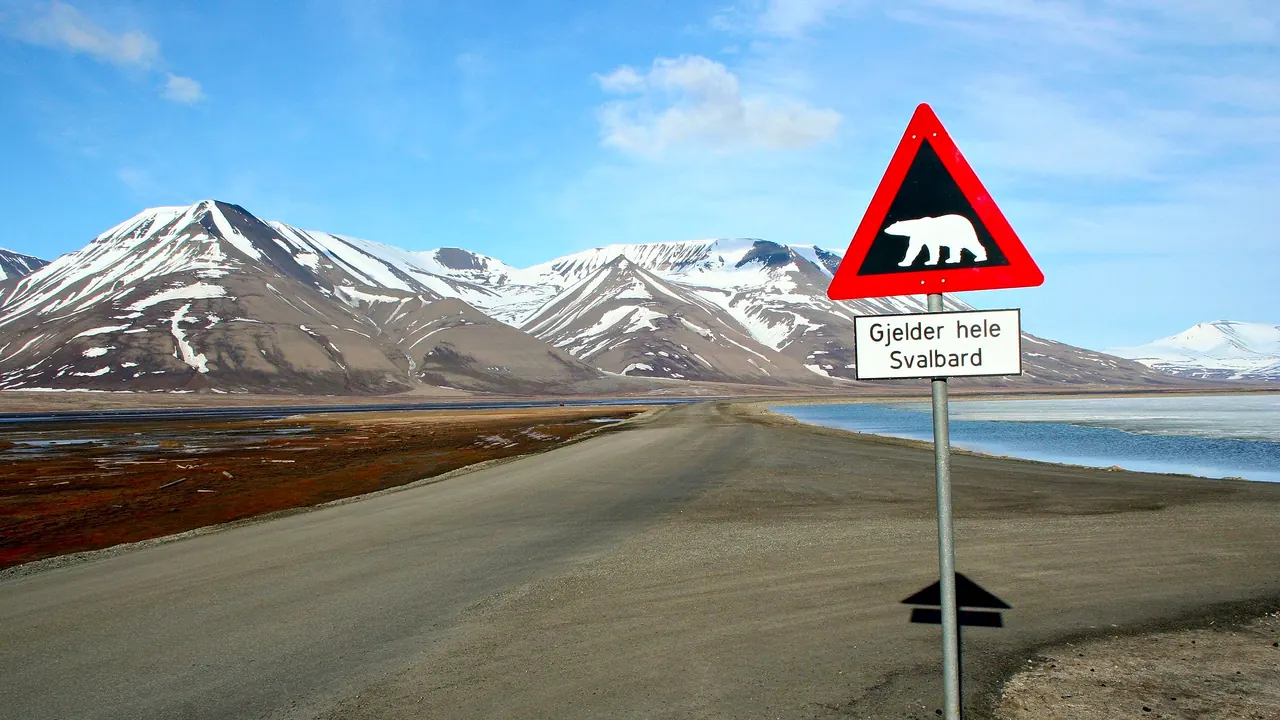
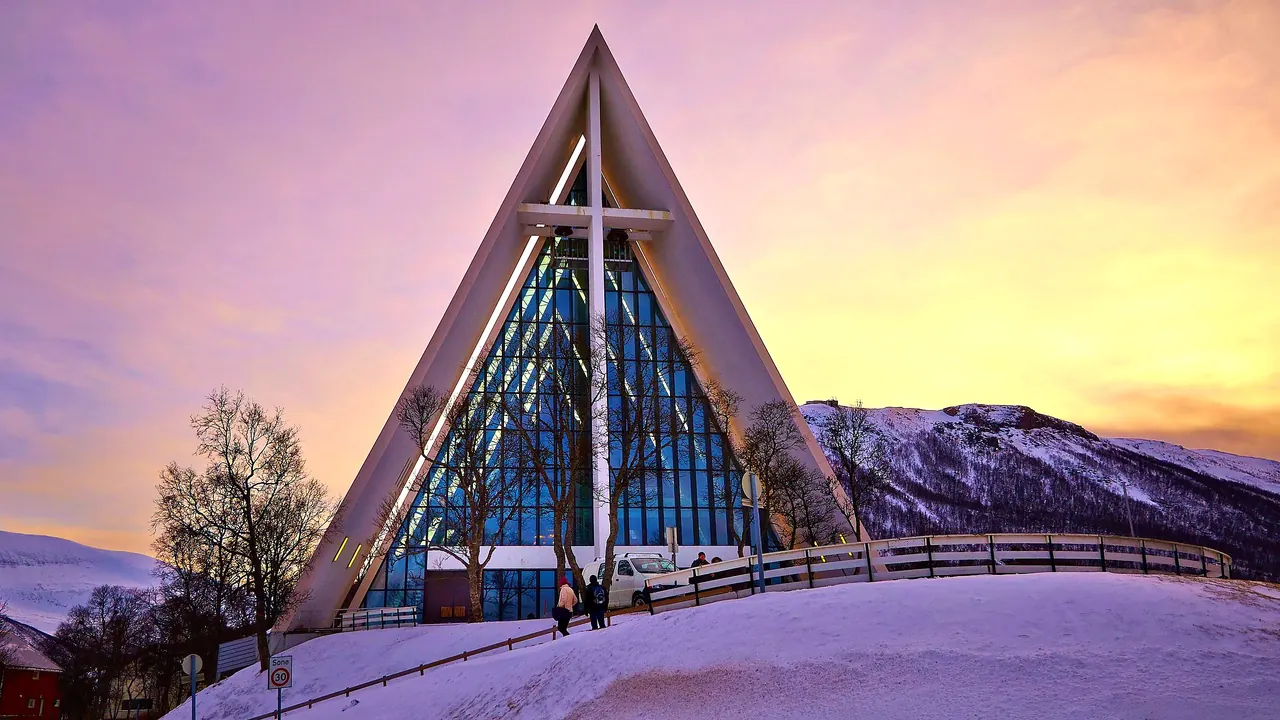
Photos: Svalbard by Sprok, CC BY-SA 3.0, cropped; Tromso by Moyan Brenn, CC BY 2.0, cropped.
Svalbard or Tromso?
Our verdict in twelve categories, each scored against the same fixed benchmark cities, and the climate month by month, so you can choose for your trip.
Choose Svalbard for
- day trips
- nature and the outdoors
Svalbard is for travellers who want the high Arctic itself, not a view of it from a town. That means glaciers calving into roadless fjords, walrus on remote shores, the chance of a polar bear and Soviet relics like Pyramiden reached by boat or snowmobile. In return you accept that almost everything happens on a guided excursion, that evenings in Longyearbyen offer little choice, and that the whole trip costs a great deal.
Choose Tromso for
- getting around
- nightlife
- families
Tromso makes for a broader Arctic trip and an easier one to organise. Aurora nights, winter whale-watching and midnight-sun hikes all start from a real small city, with a walkable centre, buses, busy weekend bars, concerts and floating saunas in the harbour. Families and first-time visitors to the north will find it gentler, and you can hire a car or plan some outings yourself instead of booking every hour.
Scoreboard
Twelve categories on one fixed scale from 0 to 100. The shaded stretch is the gap between the two.
Your match
Pick a travel style or drag the sliders, and both match scores follow your weighting.
Wins on day trips and nature and the outdoors with your weighting.
Wins on getting around and nightlife with your weighting.
What matters to you?
Category by category
What the scores mean for a trip.
Beaches & swimming
Neither place is for swimming. In Svalbard the fjords stay close to freezing beside grey shingle and driftwood, and walking out of town needs protection against polar bears, so a plunge off a boat or a few lengths in the indoor pool is all there is. Tromso at least has sand: Telegrafbukta fills with locals on warm midnight-sun afternoons, Sommaroy's white beaches look the part, and a fjord dip between sauna rounds is the local version of a swim.
Food & drink
Both cook from the same Arctic larder of reindeer, king crab and cod, but Svalbard has less of it to offer. Longyearbyen manages a few serious dinners of game, seal and Arctic char, and one restaurant keeps a remarkable wine cellar. After that the choice runs out quickly along the main street, and meals beyond town are packed lunches on boats.
Tromso has more range for a few nights. A row of restaurants on the old harbour quays serves skrei in late winter and fish soup as everyday comfort food, and a nineteenth-century brewery still sits at the heart of its drinking.
Culture & sights
Svalbard's sights tell one story, of trappers, whaling, coal mining and polar exploration. The Svalbard Museum, the small museum of airship and balloon attempts on the North Pole, the old cable-car towers above town and a look at the Seed Vault from outside fill a single day.
Tromso gives you a little more to see. The Arctic Cathedral, with its stacked white triangles and glass mosaic, is a real landmark, and the Polar Museum, Tromso Museum's Sami collections, the regional art museum and streets of painted wooden houses fill a day or two.
Nightlife
In Longyearbyen a night out means a few pubs on the main street, where guides, miners and researchers drink local beer together. It can be cheerful at weekends in the dark season, but there is no club and you will have seen it all within a night or two.
Tromso has a real student town's weekend. The university keeps Storgata and the harbour streets busy with cocktail bars, pubs and a couple of dance floors that stay open late, and under the midnight sun those nights never seem to end. Midweek is still quiet, though.
Nature & outdoors
Both are outstanding, and they differ in kind. Svalbard is true high-Arctic wilderness with no roads beyond the settlements, where walrus, Arctic foxes and polar bears live among glaciers and bare layered mountains. In spring snowmobiles cross to the east-coast ice, and in summer boats reach the calving glacier fronts.
Tromso puts dramatic but gentler scenery on the doorstep. The Fjellheisen cable car rises straight from town, aurora tours drive inland to clear skies, orcas and humpbacks feed in the fjords in winter, and the Lyngen Alps and the Senja coast are within driving range.
Day trips
Svalbard has the stranger outings. Barentsburg is a working Russian mining settlement with Soviet-era buildings and a Lenin bust, and Pyramiden is an abandoned Soviet ghost town beneath a pyramid-shaped mountain. Each is a long boat or snowmobile trip from Longyearbyen, and the research village of Ny-Ålesund lies further out still.
From Tromso, almost every excursion heads into landscape rather than to another place. Sommaroy's fishing village, the trading post and church at Hillesoy and the hamlets of Kvaloya are pleasant but small.
Good for families
Svalbard works mainly for older children who love adventure. Huskies and glacier boat trips leave lasting memories, but there is nothing designed for children, many trips have minimum ages and nobody may leave town without an armed guide.
Tromso is much easier with children. Polaria's bearded seals and the science centre fill a half-day, reindeer feeding and sledding sit close by, and summer brings light evenings and easy walks. The real drawbacks are winter cold and aurora tours that run late into the night.
Getting around
In Svalbard you can walk across Longyearbyen and take the bus to the airport, and that is all the independent travel there is. There are no roads between settlements, so going further means a boat, snowmobile, dog sled or small plane, always with a guide, and the weather can cancel plans.
Tromso's centre takes a quarter of an hour to cross on foot. Local buses reach the airport and the mainland, and a hire car opens up the fjords and aurora spots on your own schedule. Icy, steep streets in winter are the main nuisance.
Shopping & style
Longyearbyen's main street has one quirk that Tromso cannot match. Svalbard sits outside the Norwegian VAT system, so thermal layers and outdoor gear cost a little less than on the mainland, and the souvenir shops lean towards sealskin and reindeer-hide goods. Tromso's Storgata is a touch broader, with Norwegian knitwear, Sami crafts and a modest mall alongside its gear shops, but in either place you buy what keeps you warm and spend the rest of the day outdoors.
Affordability
Svalbard is the harder of the two on a budget. Rooms in Longyearbyen are few, restaurant food has to be flown or shipped in, and almost every outing beyond town means paying for a boat, snowmobile or sled with a guide. Tax-free shopping takes a little off the cost of warm clothing, but not much else.
Tromso is expensive too, with Norwegian prices for meals and drinks and hotels that fill and charge more in the aurora season, and its whale and husky trips add up just as quickly. A larger town gives you more room to save, though. Self-catering flats and supermarkets bring down food costs, and on a clear night the hills above town are a free place to watch the northern lights.
Live music & performing arts
Svalbard's live music comes in two bursts, a jazz festival in deep winter and a blues festival in autumn, with local choirs and a big band filling the gaps. Most of the year there is little to attend.
Tromso has an actual season. The Arctic Philharmonic and Halogaland Theatre perform throughout it, the Northern Lights Festival and the film festival brighten the dark months, and midnight concerts in the Arctic Cathedral are a summer highlight.
Wellness & relaxation
Svalbard offers stillness rather than treatments: a town without traffic noise, long silent evenings, an indoor pool and saunas at a few lodges. Tromso has a proper bathing habit. Floating saunas in the harbour lead straight into the fjord beneath snowy peaks, and a large swimming hall and some hotel spas add warmth on dark afternoons, although late aurora tours can cut into the rest.
When should you go?
Pick your month. The climate figures are measured averages, not a forecast.
Svalbard in July
Tromso in July
Daytime high, °C
Rainfall in the month, mm
Temperature and rainfall are climate normals, averaged over the years shown. Svalbard: 1991-2020 normals, Svalbard Lufthavn (5.1 km from centre). Tromso: 1991-2020 normals, Tromso (0.9 km from centre).
Around Longyearbyen, Svalbard stays below freezing from October to May. March is the coldest month, with daytime highs near -9°C, and that is also when snow and returning light open the dog-sledding and snowmobile season that runs into May. Summer is short and cool, peaking around 9°C in July, which is warm enough for boat trips and guided hikes but never mild. It is very dry all year, with no month much above 25mm of rain or snow.
Tromso is much milder through the year. Winter days hover around freezing and July reaches about 16°C, comfortable for walking and hiking. It is also far wetter, especially in autumn, when October brings around 128mm. The sea never warms beyond a bracing plunge. Sunshine is strongest from May to July, while December gets none at all, so pick the long light of early summer or the dark aurora months according to what you are coming for.
Which traveller are you?
On a family trip with children, Tromso is the easier choice. Polaria's seals, the science centre, husky rides and reindeer feeding all sit in a safe, walkable town. Svalbard's minimum ages, serious cold and the armed-guide rule outside Longyearbyen really only suit adventurous teenagers.
For a food and nightlife trip, Tromso clearly comes out ahead. Restaurants on the harbour quays serve skrei, king crab and fish soup, and on weekends Storgata stays lively until late. Longyearbyen offers a few memorable Arctic dinners but only a handful of pubs to go on to afterwards.
For wildlife watchers set on polar bears and walrus, Svalbard is the one to choose. Its roadless coasts, sea ice and remote haul-out beaches hold animals Tromso never sees, and reindeer walk through town. Tromso's winter orcas and humpbacks are wonderful, but they make a different trip.
Before you go
| Measure | Svalbard | Tromso |
|---|---|---|
| Official language | Norwegian, Nynorsk, Bokmål, Sámi | Norwegian, Nynorsk, Bokmål, Sámi |
| Currency | Norwegian Krone (NOK) | Norwegian Krone (NOK) |
| Sockets | CF230 V, 50 Hz | CF230 V, 50 Hz |
| Driving side | Right | Right |
| Time zone | UTC+1, UTC+2 in summer | UTC+1, UTC+2 in summer |
| Emergency number | Police 112, ambulance 113, fire 110 | Police 112, ambulance 113, fire 110 |
| Elevation | - | 20 m |
| Main airport | Svalbard Airport, Longyear (LYR)3 non-stop destinations | Tromsø Airport (TOS)4 km from centre49 non-stop destinations |
| Public holidays this year | 13 days | 13 days |
By the numbers
| Measure | Svalbard | Tromso |
|---|---|---|
| Population | 2,668 | 79,943 |
| People per km² | - | 32 |
| Museums within 10 km | - | 8 |
| UNESCO World Heritage sites within 50 km | - | 0 |
| Swim season, months above 21 °C | - | None |
Where else could you go?
Every comparison below shares a destination with this one, so you can follow Svalbard or Tromso somewhere new.