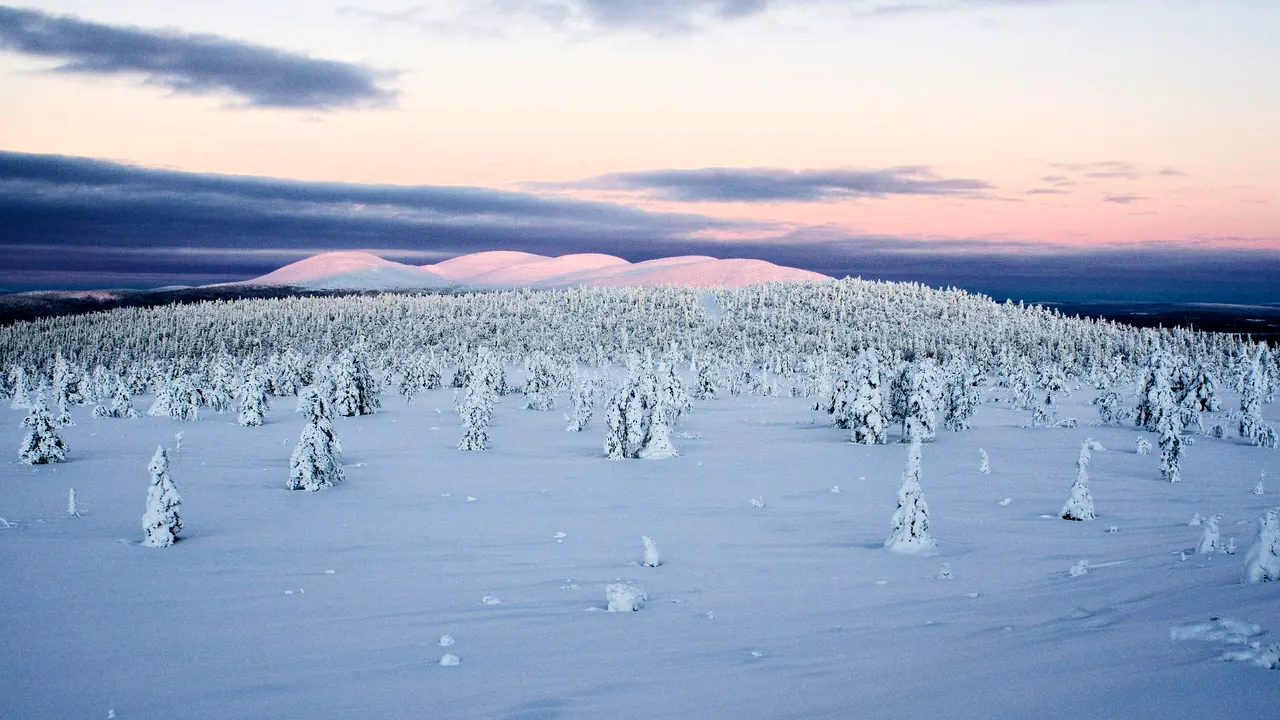
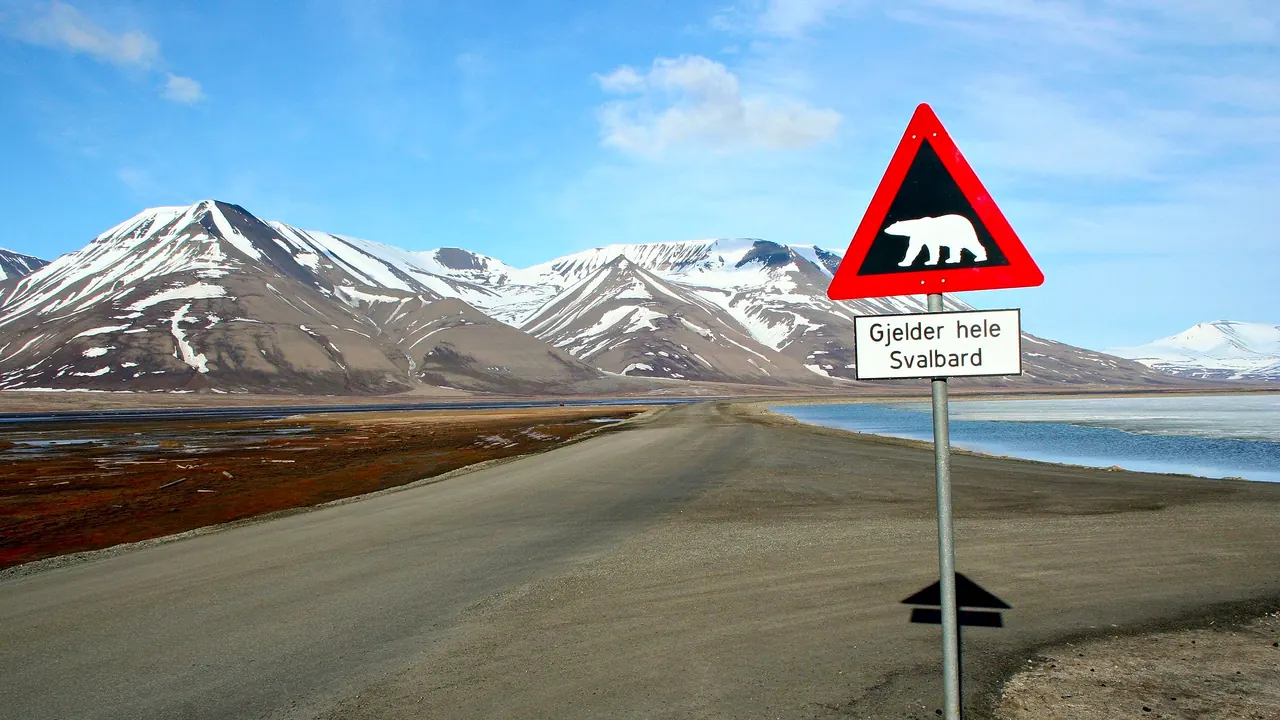
Photos: Lapland by Petr Vodička, CC BY-SA 4.0, cropped; Svalbard by Sprok, CC BY-SA 3.0, cropped.
Lapland or Svalbard?
Our verdict in twelve categories, each scored against the same fixed benchmark cities, and the climate month by month, so you can choose for your trip.
Choose Lapland for
- wellness
- families
- getting around
Lapland is the easier and more rounded Arctic trip. Its forest, fells and resorts give you husky rides and skiing by day and a cabin sauna every evening. Santa Claus Village and Ranua Wildlife Park make it a natural choice at Christmas with young children, and airports close to Rovaniemi, Levi and Saariselkä keep the travelling short. It suits first-time visitors to the north, families and anyone who wants comfort as well as snow.
Choose Svalbard for
- day trips
- nature and the outdoors
- live music and the arts
Svalbard asks more of you and gives you something rarer. Its bare mountains, calving glaciers and coasts with walrus and polar bears are true high Arctic, and boat trips to the Soviet settlements of Barentsburg and Pyramiden have a strangeness Lapland cannot match. It is for adventurous adults or families with teenagers who have a generous budget and accept that every step beyond Longyearbyen is a guided excursion.
Scoreboard
Twelve categories on one fixed scale from 0 to 100. The shaded stretch is the gap between the two.
Your match
Pick a travel style or drag the sliders, and both match scores follow your weighting.
Wins on wellness and families with your weighting.
Wins on day trips and nature and the outdoors with your weighting.
What matters to you?
Category by category
What the scores mean for a trip.
Beaches & swimming
Neither is a beach destination, but Lapland at least has summer swimming. There are sandy banks along the Ounasjoki and Kemijoki rivers and lake shores around Inari, and in a good July the water reaches the mid-teens. Svalbard has shingle and gravel shores, fjords that stay icy all summer and polar bear precautions as soon as you leave town, so swimming there means a quick polar plunge off a boat or a few lengths in Longyearbyen's indoor pool.
Food & drink
Both eat from the same Arctic larder, with reindeer and Arctic char, and in neither place is the food the reason to come. Lapland's cooking is spread across resorts, lodges and campfire meals on safari, with Sámi dried and smoked meats around Inari, salmon flamed by an open fire and squeaky baked cheese with coffee.
Svalbard's is concentrated in a few serious restaurants on Longyearbyen's main street. They add seal and king crab, and the town has a famous wine cellar and its own beer. Beyond town, meals are packed lunches on the boats.
Culture & sights
Lapland has more to see, and some of it is a living culture. Siida in Inari and the Sámi parliament building nearby show the Sámi present as well as their past, the Arktikum in Rovaniemi covers Arctic life well, and Aalto's rebuilt Rovaniemi and the old wooden churches round out a short list.
Svalbard's heritage is exploration, whaling and coal. The Svalbard Museum, a small museum on polar expeditions, the old mine towers above Longyearbyen and a look at the Seed Vault from outside fill about a day.
Nightlife
If you want a night out, go to Lapland, and specifically to Levi in late winter and around Easter. Its après-ski bars and a few clubs stay loud late at weekends. Rovaniemi adds some student pubs.
Svalbard has a handful of pubs on Longyearbyen's main street and no clubs. The appeal is the company: guides, miners and researchers sharing a local beer, which is livelier in the dark months.
Nature & outdoors
Both are among the finest wilderness trips in Europe, but Svalbard is the wilder of the two. There are bare layered mountains, glaciers falling into fjords, walrus on remote beaches and polar bears on the coasts and sea ice, with no roads beyond the settlements.
Lapland's forested fells are gentler and easier to reach. You can walk the national parks of Pallas-Yllästunturi, Urho Kekkonen and Lemmenjoki or ski hundreds of kilometres of groomed trails on your own, with no armed guide. That freedom is what Svalbard cannot offer.
Day trips
Svalbard has few places to go, but the ones it has are memorable. Barentsburg is a working Russian mining settlement, and Pyramiden is a Soviet ghost town under its pyramid-shaped mountain. Each takes hours by boat or snowmobile, and the research village of Ny-Ålesund is further still.
Lapland's outings are more ordinary: an icebreaker trip from Kemi, the walk across the border from Tornio to Haparanda, or Inari from Saariselkä. Between them lie long, empty distances.
Good for families
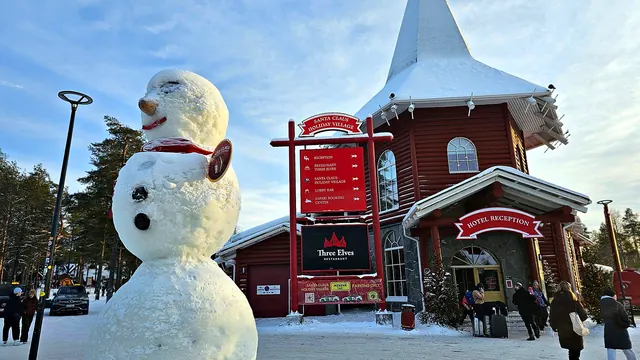
Lapland's family appeal peaks at Christmas, when the Santa theme park in a cave near Rovaniemi, sledging outside the cabin door and the chance of the northern lights make the season feel built for children. A family cabin with its own sauna, in a country that is safe, clean and easy-going about children, makes the practical side simple. The cost is the weather.
Midwinter brings only a few hours of twilight and cold that can sink below -25°C, which is hard going for toddlers, and outside the Christmas weeks much less is laid on.\n\nSvalbard rewards older children who want adventure. A morning at a husky kennel or the sight of walrus hauled out on a beach stays with a teenager, and Longyearbyen is small and quiet enough to be easy with a family. But the cold is serious for most of the year, and with polar bears about nobody steps beyond the edge of town without an armed guide, so children can never simply run off and explore.
Getting around
Lapland is much easier to reach and to move around. Rovaniemi, Kittilä and Ivalo airports are each a short transfer from their resorts, and the overnight train from Helsinki is a classic way to arrive. Safaris pick you up from your lodgings, although touring between areas means long drives on snowy roads.
In Svalbard you walk around Longyearbyen and that is all you can do on your own. There are no roads between settlements, so every outing is a guided boat, sled or snowmobile trip, and the weather can cancel it.
Shopping & style
Neither is a place to shop, and what is worth buying differs. Lapland has Sámi duodji in antler, leather and silver around Inari, as well as puukko knives and woollens. In Svalbard the useful buy is tax-free outdoor clothing on Longyearbyen's main street, along with sealskin and reindeer-hide goods.
Affordability
Both are expensive, but Lapland gives you ways to spend less. You can rent a cabin with a kitchen, cook for yourself, ski the free trails and travel in late winter or summer instead of December.
Svalbard has hardly any of that room to save. Rooms are scarce, food is flown in and nearly every activity needs a guide, so a trip there costs a lot more however carefully you plan it.
Live music & performing arts
Neither has much live performance, and what they do have is quite different. Lapland's is classical and Sámi: Rovaniemi's chamber orchestra gives concerts through its season, and a festival in Inari is the place to hear yoik, the traditional Sámi song.\n\nSvalbard leans towards jazz and blues, with a festival for each, one in midwinter and one in autumn as the dark returns, while local choirs and a big band play the rest of the year. In both places a trip timed to a festival gains a few good evenings, and otherwise the music comes down to a band in a bar.
Wellness & relaxation
Lapland is far ahead here, because the sauna is at the centre of every stay. Almost every cabin has one, lakeside smoke saunas show the tradition at its deepest, and the evening ends with a dip through the lake ice. Spa hotels in Saariselkä and Levi cover bad-weather days.
Svalbard offers silence and slow evenings. For actual bathing there is an indoor pool and the odd hotel sauna.
When should you go?
Pick your month. The climate figures are measured averages, not a forecast.
Lapland in July
Svalbard in July
Daytime high, °C
Rainfall in the month, mm
Where the figures come from
Lapland has no rain gauge within 25 km of the centre, so its rainfall comes from a gridded climate dataset read at the destination rather than from a gauge further away.
Temperature and rainfall are climate normals, averaged over the years shown. Lapland: 2008-2020 (rainfall 1991-2020) normals, Rovaniemi Rautatieasema / Kuusela (0.6 km from centre). Svalbard: 1991-2020 normals, Svalbard Lufthavn (5.1 km from centre).
Lapland has a real summer. From June to August the days are mild, with highs around 21°C in July, warm enough for a swim in a lake or river in a good year. Those are also its wettest months, with about 78mm of rain in July, so early September, drier and turning to autumn colours, is often the better time for walking. Snow lies from about November to April. Midwinter highs sit around -8°C, and April brings the thaw.
Svalbard is never warm. Even July only reaches about 9°C, and the coldest stretch comes late, in March, at around -9°C, just when the sledding and snowmobile season gets going. It is also very dry, with only a fraction of Lapland's rain or snow in any month, so summer there is cool hiking and boating weather, not swimming weather. Lapland gives you a choice of a snowy winter or a green summer. Svalbard stays cold all year, and the choice there is between ice and open water.
Which traveller are you?
On a family trip with young children, Lapland is the clear choice. Santa Claus Village, Ranua Wildlife Park, reindeer rides and gentle slopes with ski schools fill the days. Svalbard has nothing made for children, and many of its trips have minimum ages.
For a relaxing and wellness trip, Lapland again. Almost every cabin has its own sauna, and lakeside smoke saunas and dips through the lake ice are part of the stay. Svalbard is quiet and restful, but it has little beyond a pool and a few hotel saunas.
On an outdoors trip, Svalbard comes out ahead for sheer wildness: glaciers, walrus, polar bears and no roads at all. Lapland suits people who want to hike or ski on their own, with national park routes and groomed trails between the resorts.
Before you go
| Measure | Lapland | Svalbard |
|---|---|---|
| Official language | Finnish, Swedish | Norwegian, Nynorsk, Bokmål, Sámi |
| Currency | Euro (EUR) | Norwegian Krone (NOK) |
| Sockets | CF230 V, 50 Hz | CF230 V, 50 Hz |
| Driving side | Right | Right |
| Time zone | UTC+2, UTC+3 in summer | UTC+1, UTC+2 in summer |
| Emergency number | 112 | Police 112, ambulance 113, fire 110 |
| Main airport | Rovaniemi Airport (RVN)44 non-stop destinations | Svalbard Airport, Longyear (LYR)3 non-stop destinations |
| Public holidays this year | 15 days | 13 days |
By the numbers
| Measure | Lapland | Svalbard |
|---|---|---|
| Population | 176,215 | 2,668 |
Where else could you go?
Every comparison below shares a destination with this one, so you can follow Lapland or Svalbard somewhere new.
- Tromsovs Lapland
- Lofotenvs Lapland
- Tromsovs Svalbard
- Norwegian Fjordsvs Lapland
- Lofotenvs Svalbard
- Norwegian Fjordsvs Svalbard