Romania
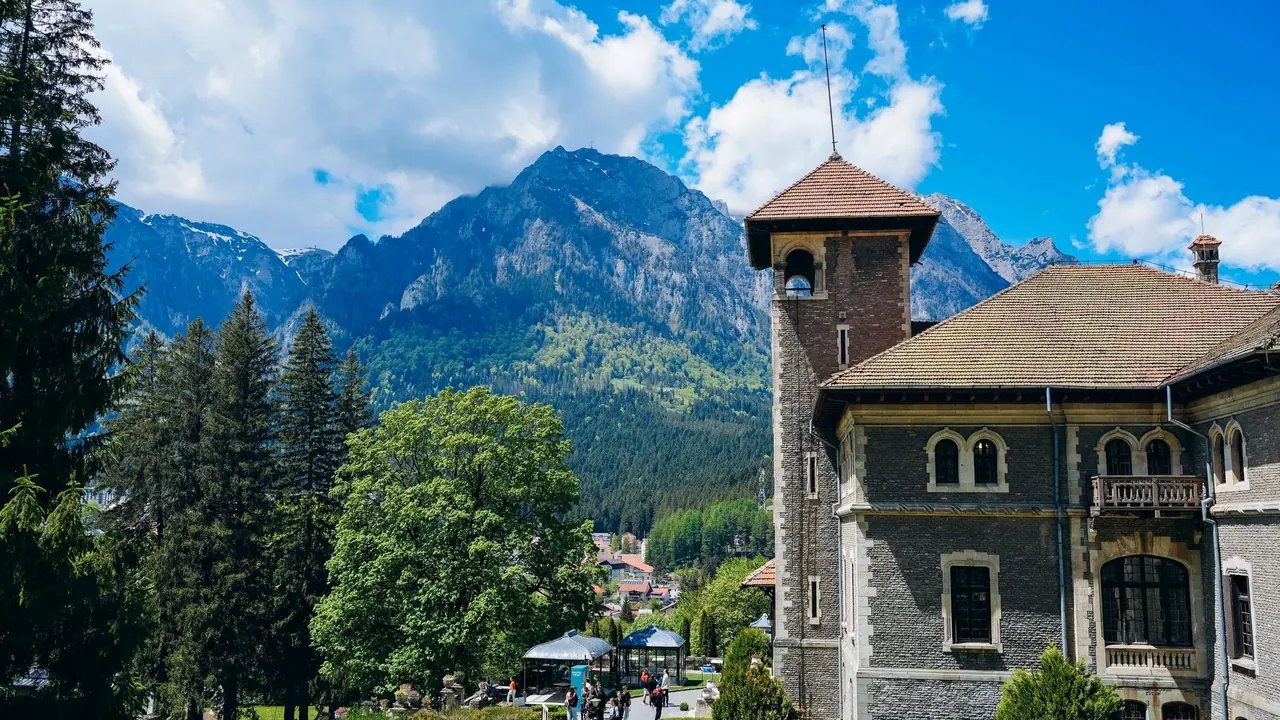
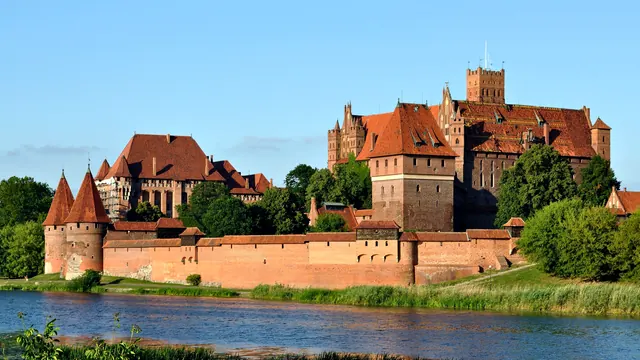
Cantacuzino Castle in Bușteni below the Bucegi Mountains
- Nature & outdoors80
- Culture & sights74
- Day trips74
Photo: Max Kladitin, Pexels License
Match
58
Every category weighted equally
- Beach & sun58
- Culture & arts58
- Food & nightlife55
- Family trip58
- Outdoors63
- Relax & unwind59
- Shopping & style53
- On a budget59
Romania in twelve categories
Our verdict on the country as a whole, scored 0 to 100 against the same fixed benchmark cities as every destination, so a score means the same thing on every page.
Beaches & swimming. Scores 50 out of 100.
Food & drink. Scores 55 out of 100.
Culture & sights. Scores 74 out of 100.
Nightlife. Scores 52 out of 100.
Nature & outdoors. Scores 80 out of 100.
Day trips. Scores 74 out of 100.
Good for families. Scores 46 out of 100.
Getting around. Scores 36 out of 100.
Shopping & style. Scores 36 out of 100.
Affordability. Scores 73 out of 100.
Live music & performing arts. Scores 55 out of 100.
Wellness & relaxation. Scores 60 out of 100.
Romania category by category
Under each: where in Romania it is best, and our destinations in Romania that score highest on it.
Beaches & swimming
50Romania's coast is a short strip of Black Sea shore around Constanța, and beach life there belongs to the high summer. From late June to early September the water reaches about 24°C and the sand is fine and wide, but the sea is often murky and the shore is flat, with no coves or clear water to speak of.
Mamaia is the big resort, a long sand bar lined with hotels and beach clubs. Further south, Eforie, Costinești and Mangalia are family and student resorts, and Vama Veche near the Bulgarian border keeps a looser, bohemian feel. It is a summer add-on rather than a reason to come, and it sits far from the mountains and Saxon towns most visitors want.
Where: Mamaia, Vama Veche, Eforie, Mangalia
Our top destinations in Romania
Food & drink
55Romanian cooking is hearty and rural: sour ciorbă soups, sarmale cabbage rolls with mămăligă, grilled mici sausages, smoked pork, sheep's cheese from the mountain sheepfolds, and papanași doughnuts with sour cream and jam. Transylvania adds Hungarian and Saxon dishes, and the Danube Delta has fish soups and carp. The best meals are often in village guesthouses, where the food comes from the farm.
Bucharest has the widest range, from old beer halls to modern Romanian kitchens, and Cluj has a good café scene. Wine is the quiet strength, with Dealu Mare, Cotnari and the Banat hills producing native grapes such as Fetească Neagră. Outside the cities, choice thins quickly.
Where: Bucharest, Transylvania, Cluj-Napoca, Dealu Mare
Our top destinations in Romania
Culture & sights
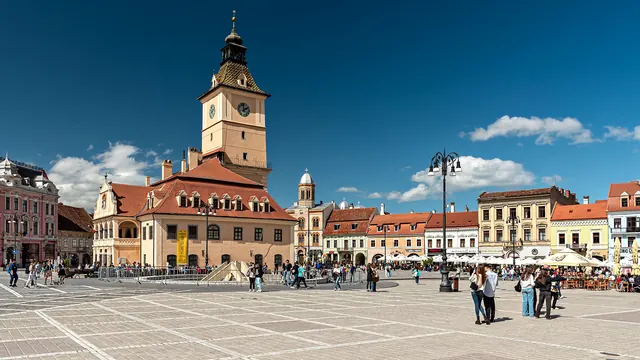
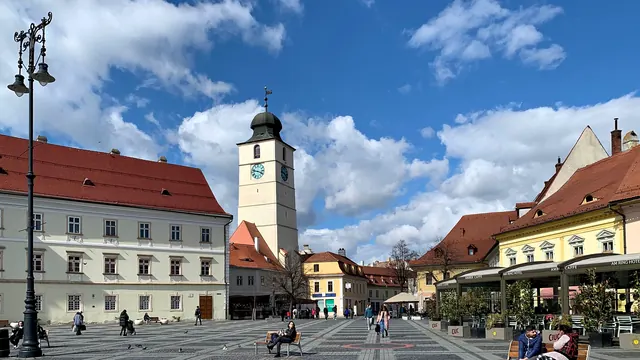
74Romania's heritage is spread across the country rather than gathered in one great city, and that is its appeal. Transylvania has the walled medieval citadel of Sighișoara, the Saxon squares of Brașov and Sibiu, Corvin Castle at Hunedoara and dozens of fortified churches in Saxon villages such as Biertan and Viscri. In Bucovina, in the north-east, monasteries such as Voroneț and Sucevița are painted outside with whole walls of frescoes, and Maramureș has tall wooden churches and carved village gates.
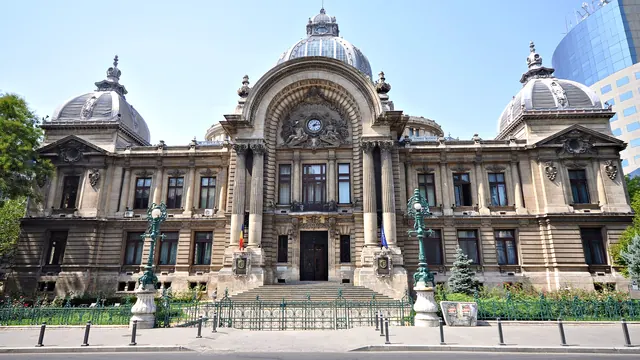
Bucharest offers the vast Palace of the Parliament, the Romanian Athenaeum, Orthodox churches and the open-air Village Museum. Peleș Castle at Sinaia and the Dacian fortresses of the Orăștie Mountains complete a country that rewards slow touring.
Where: Transylvania, Bucovina, Maramureș, Bucharest
Our top destinations in Romania
Nightlife
52Going out in Romania means Bucharest first. The Old Town around Lipscani is packed with bars and terraces until late, and the city also has larger clubs and quieter cocktail and wine bars in the residential districts, with nights that run well past midnight.
Cluj-Napoca, a big university city, has a younger scene of pubs, cellar bars and clubs. In summer the party moves to the coast, with beach clubs at Mamaia and a hippie, campfire feel at Vama Veche. Brașov and Sibiu have pleasant bars on their squares but are early-night towns, and the countryside goes to bed with the sun.
Where: Bucharest, Cluj-Napoca, Mamaia, Vama Veche
Our top destinations in Romania
Nature & outdoors
80The Carpathians curve through the middle of the country, and much of them is still wild: beech and spruce forests, high glacial lakes and long ridges. The Făgăraș range has the highest peaks and the Transfăgărășan road over them; Piatra Craiului and the Bucegi, near Brașov, offer dramatic limestone hiking, and Retezat in the west is a true wilderness park. These forests hold more brown bears than anywhere else in Europe outside Russia, along with wolves and lynx, and guided hides make sightings likely. The Apuseni Mountains add caves and gorges.
The Danube Delta, on the eastern edge, is a different world of reed channels explored by boat, with pelicans and hundreds of bird species from spring to autumn. Hiking season runs from June to September; winter brings modest skiing at Poiana Brașov.
Where: Făgăraș Mountains, Piatra Craiului and Bucegi, Danube Delta, Retezat National Park
Our top destinations in Romania
Day trips
74Transylvania is built for day trips. From Brașov, Bran Castle and the hilltop fortress of Râșnov are under an hour away, Peleș Castle at Sinaia about an hour, the fortified church at Prejmer a short drive, and Sighișoara about two hours. Sibiu is the other strong base, with the Saxon villages and fortified churches of Biertan and Valea Viilor, the Mărginimea shepherd villages and the citadel at Alba Iulia all within reach.
In the north-east, Suceava or Gura Humorului put the painted monasteries of Bucovina on a single loop. Cluj-Napoca, further north-west, is a quieter base, with the Turda salt mine, the ruined Bánffy Castle at Bonțida and Alba Iulia each an easy outing. Most of these trips are by car or tour, since trains are slow and buses sparse.
Where: Brașov, Sibiu, Bucovina, Cluj-Napoca
Our top destinations in Romania
Good for families
46Romania suits families who like castles, animals and the outdoors more than theme parks. Bran Castle and the walls of Sighișoara work well with children, the bear sanctuary near Zărnești lets them see bears up close, and the salt mine at Turda, with a lake and a small Ferris wheel deep underground, is a reliable hit. Bucharest has a natural history museum, the Village Museum and a very large indoor thermal and water park on its northern edge.
In summer the Black Sea resorts have shallow, sandy water and family hotels. Children are warmly welcomed, but long drives on slow roads and basic infrastructure in rural areas make it a country for families who travel with some patience.
Where: Brașov and Bran, Bucharest, Turda, Black Sea coast
Our top destinations in Romania
Getting around
36The historic centres of Brașov, Sibiu, Sighișoara and Cluj are compact and easy on foot, and Bucharest has a simple metro, though its traffic is heavy. Between places, things get slower. Trains connect the main cities but run at modest speeds, so Bucharest to Brașov takes about two and a half hours and longer journeys can fill a day.
The things many visitors come for, Saxon villages, painted monasteries, mountain roads and wooden churches, are in countryside with sparse buses, so most people hire a car or join tours. Roads in the hills are winding and shared with lorries and the odd horse cart. Domestic flights link Bucharest with Cluj, Iași and Timișoara.
Where: Bucharest, Brașov, Sibiu, Cluj-Napoca
Our top destinations in Romania
Shopping & style
36Shopping in Romania is mostly about folk crafts. Look for embroidered blouses, Horezu ceramics with their rooster patterns, Corund pottery, painted eggs from Bucovina, carved wood from Maramureș and woollen rugs, sold in village workshops, at monastery shops and in fairs on town squares.
Bucharest has the only real retail range, with large malls, a few boutiques along Calea Victoriei and some young Romanian designers, but little in the way of luxury streets. In Sibiu and Brașov the old towns hold small craft and souvenir shops, and the open-air museums sell good-quality traditional work.
Where: Bucharest, Horezu, Maramureș, Sibiu
Our top destinations in Romania
Affordability
73Romania is one of the cheaper places to travel in the European Union, and money goes furthest in the countryside. Maramureș, in the far north, and Bucovina, around the painted monasteries, are the cheapest regions to stay in, with farm guesthouses and simple village rooms where dinner is often cooked from the family's own produce. Transylvania costs a little more, above all in Brașov and Sibiu, but its Saxon villages and mountain guesthouses are still modest, and meals are often included.
Across the country, eating out, local wine and beer, and trains stay inexpensive, and entry to castles, museums and monasteries is low. Bucharest is the dearest place to stay and eat, with international hotels at ordinary European city prices, and the Black Sea resorts charge more in high summer. Car hire and guided bear-watching or Delta boat trips are the costs that add up.
Where: Maramureș, Bucovina, Transylvania
Our top destinations in Romania
Live music & performing arts
55Romania's classical life centres on the Romanian Athenaeum in Bucharest, a domed concert hall that is home to the George Enescu Philharmonic and, every other September, the George Enescu Festival, which brings leading orchestras to the city. Bucharest also has the National Opera and the National Theatre, and there are opera houses in Cluj, Iași and Timișoara, so a visitor can find a performance in several cities through the season.
Sibiu's international theatre festival each June fills the streets and halls with performances from around the world, and Cluj has strong Romanian and Hungarian theatre. Traditional lăutari bands and village folk music are the distinctive local sound. Theatre is mostly in Romanian.
Where: Bucharest, Sibiu, Cluj-Napoca, Iași
Our top destinations in Romania
Wellness & relaxation
60Romania has a long spa tradition, rooted in hot springs, salt lakes and mud. Băile Felix, near Oradea, is a cluster of thermal pools open all year; Băile Herculane, in a gorge in the south-west, has Roman-era springs and grand, faded imperial bathhouses; Sovata has a warm salt lake in the forest; and Lake Techirghiol on the coast is known for its black healing mud. Salt mines such as Praid and Turda are used for breathing cures. Many resorts are treatment-minded rather than polished.
A very large modern thermal complex on the edge of Bucharest covers the city break. The other restorative side is the countryside: quiet guesthouses in Maramureș and the Saxon villages, where days are slow and evenings silent.
Where: Băile Felix, Sovata, Băile Herculane, Maramureș
Our top destinations in Romania
Where to go in Romania
Transylvania is where most first visits begin, and it fits one trip well. Brasov and Sibiu are the two natural bases: compact Saxon old towns with café squares, and castles, citadels and fortified churches within easy reach. From Brasov you can visit Bran, Râșnov and Peleș at Sinaia, and from Sibiu the Saxon villages such as Biertan and the Mărginimea shepherd villages. Sighișoara lies between the two. Walkers have Piatra Craiului, the Bucegi and the Făgăraș ridges from June to September, and families have bear-watching near Zărnești. For a road trip, the Transfăgărășan crosses the Făgăraș range.
Bucharest is the city break, with the widest choice of food, the busiest nights around the Old Town, concerts at the Athenaeum and the open-air Village Museum. Brasov is about two and a half hours away by train, so the capital pairs easily with southern Transylvania. Cluj-Napoca, in the north-west, is younger and livelier in the evenings, with good cafés, the Turda salt mine and the caves of the Apuseni Mountains nearby. It is a long way overland from Bucharest, and many visitors fly between the two.
The far north is best treated as its own slow trip by car. Maramureș has wooden churches and carved gates, and Bucovina has painted monasteries on a single loop from Suceava. Both are quiet and cheap, and you stay in farm guesthouses where dinner comes from the land. The Danube Delta, on the eastern edge, means days on the water by boat among pelicans and reed channels. For spa days, go to Băile Felix near Oradea, Sovata's salt lake or the old baths of Băile Herculane.
The Black Sea coast is for high summer only. Mamaia has beach clubs, Eforie and Mangalia suit families, and Vama Veche is looser and bohemian. It lies far from the mountains, so it is easiest to add after Bucharest or the Delta.
When should you go?
Romania has no single climate. Its months are measured at Bucharest and Brasov; pick one to see it. The figures are measured averages, not a forecast.
Where in Romania
Bucharest in July
Daytime high, °C
Rainfall in the month, mm
Temperature and rainfall are climate normals, averaged over the years shown. Bucharest: 1991-2020 normals, Bucuresti / Imh (10 km from centre).
Compare Romania with
Every comparison with a written verdict behind it, and any other country below.
Our destinations in Romania
Every place in Romania with its own page: its twelve scores, its texts and its months.