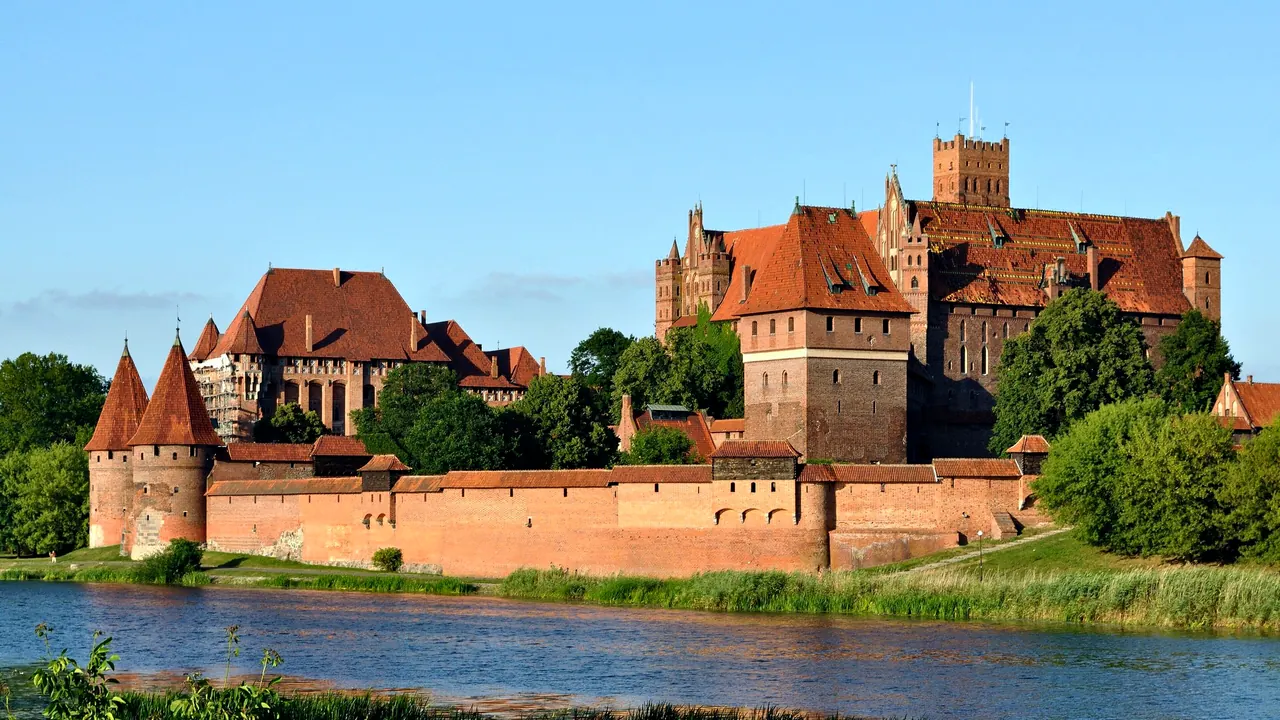
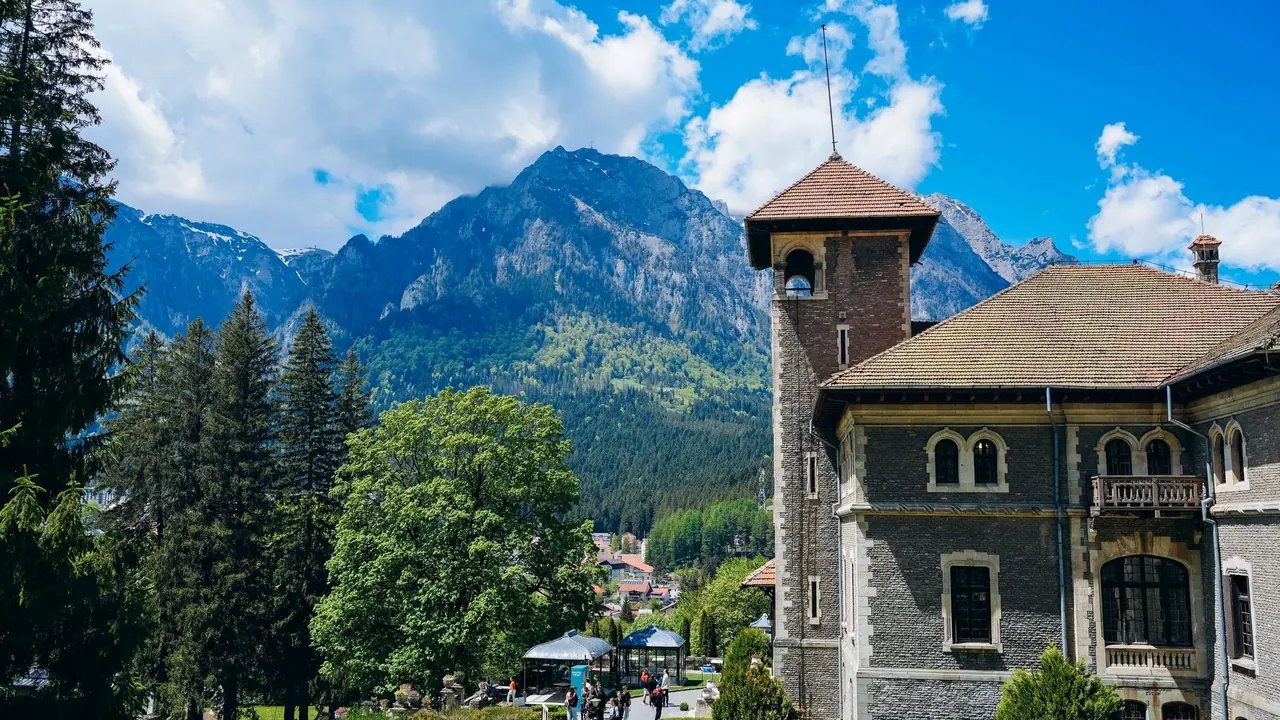
Photos: Poland by DerHexer, derivative work by Carschten, CC BY-SA 3.0, cropped; Romania by Max Kladitin, Pexels License.
Poland or Romania?
Our verdict in twelve categories, each scored against the same fixed benchmark cities, and the climate month by month, so you can choose for your trip.
Choose Poland for
- getting around
- families
- nightlife
Poland suits travellers who want a well-connected trip of great cities. Krakow, Warsaw, Gdansk and Wroclaw are linked by fast trains and full of major museums, late cellar bars, concert halls and things for children, so a first-timer, a family or anyone with only a week can see a lot without a car. The Tatras and the Masurian Lakes are there for a few days of fresh air, but the cities carry the trip.
Choose Romania for
- beaches
- nature and the outdoors
- wellness
Romania rewards travellers who would rather drive into the countryside. Its draw is the Carpathians, with bears, wild ridges and the Danube Delta, along with Saxon villages, painted monasteries and thermal spas. It also has the warmer summer sea. Getting around is slower and the evenings are quieter, so it fits a slower road trip by hire car better than a quick city hop.
Scoreboard
Twelve categories on one fixed scale from 0 to 100. The shaded stretch is the gap between the two.
Your match
Pick a travel style or drag the sliders, and both match scores follow your weighting.
Wins on getting around and families with your weighting.
Wins on beaches and nature and the outdoors with your weighting.
What matters to you?
Category by category
What the scores mean for a trip.
Beaches & swimming
Neither country is a beach destination, but Romania's Black Sea is the better place to swim. The water gets to about 24°C in high summer. Mamaia's long sand bar, the family resorts of Eforie and Mangalia and laid-back Vama Veche make a proper week by the sea, although the shore is flat and the water often murky.
Poland's Baltic is prettier and colder. It has pale sand, dunes and pine forest on the Hel Peninsula and around Leba, and the pier at Sopot, but the water rarely passes 20°C. Many Polish families swim in the warmer Masurian Lakes instead.
Where in Poland: Hel Peninsula, Leba and the Slowinski coast, Sopot, Masurian Lakes
Where in Romania: Mamaia, Vama Veche, Eforie, Mangalia
Food & drink
Both countries cook hearty, rural food and do it about equally well, so the difference is in what you drink and where you eat. Poland's food is city food: milk bars for everyday home cooking, Kazimierz's cellar restaurants in Krakow, Warsaw's tasting menus, and a real tasting culture around flavoured vodka and craft beer.
Romania's best meals are often in village guesthouses, with sheep's cheese, ciorbă soups and sarmale made from the farm's own produce. Its wine, from Dealu Mare and Cotnari, is something Poland cannot match.
Where in Poland: Warsaw, Krakow, Wroclaw, Gdansk
Where in Romania: Bucharest, Transylvania, Cluj-Napoca, Dealu Mare
Culture & sights
Both are rich in heritage, but the heritage is laid out differently. Poland's is grouped in great cities: Krakow's Main Market Square and Wawel, Warsaw's rebuilt Old Town with the POLIN and Warsaw Rising museums, and Gdansk's merchant houses and Second World War museum. That puts several landmark sights in one place, each easy to reach on foot.
Romania's best heritage lies out in the country. It includes the fortified churches of Saxon villages such as Biertan and Viscri, the painted monasteries of Bucovina, the wooden churches of Maramureș and the citadel of Sighișoara. It is wonderful for slow touring, but it means driving between places rather than walking between them.
Where in Poland: Krakow, Warsaw, Gdansk, Wroclaw
Where in Romania: Transylvania, Bucovina, Maramureș, Bucharest
Nightlife
Poland offers more choice after dark, and the choice is spread across several cities. Krakow has hundreds of vaulted cellar bars, Warsaw has serious electronic clubs in old industrial spaces and summer bars on the Vistula, and Wroclaw and Lodz stay busy late. One thing to know is that Krakow's Old Town draws stag groups at weekends.
In Romania, a night out mostly means Bucharest's Lipscani quarter and student Cluj-Napoca, plus beach clubs at Mamaia in summer. Brașov, Sibiu and the villages go quiet early.
Where in Poland: Krakow, Warsaw, Wroclaw, Gdansk and Sopot
Where in Romania: Bucharest, Cluj-Napoca, Mamaia, Vama Veche
Nature & outdoors
Romania has the wilder outdoors. The Carpathians run through the middle of the country, from the high Făgăraș ridges and the Transfăgărășan road to the limestone of Piatra Craiului and the wilderness of Retezat, and their forests hold Europe's largest brown bear population outside Russia, which you can watch from guided hides. The Danube Delta adds reed channels and pelicans explored by boat.
Poland's landscapes are gentler, with one alpine exception: the compact Tatras above Zakopane, with Morskie Oko and exposed ridge routes. Elsewhere it has the bison of Bialowieza Forest, sailing on the Masurian Lakes and the moving dunes of the Slowinski coast.
Where in Poland: Tatra Mountains, Masurian Lakes, Bialowieza Forest, Bieszczady
Where in Romania: Făgăraș Mountains, Piatra Craiului and Bucegi, Danube Delta, Retezat National Park
Day trips
Both countries make excellent bases for day trips, but they work in different ways. Poland's are mostly by train from a city: Auschwitz-Birkenau and the Wieliczka salt mine from Krakow, and Malbork castle under an hour from Gdansk.
Romania's are more of a countryside loop, best done by car or on a tour. From Brașov you can reach Bran, Râșnov and Peleș Castle, from Sibiu the fortified Saxon churches, and from Suceava the painted monasteries of Bucovina.
Where in Poland: Krakow, Gdansk, Wroclaw, Warsaw
Where in Romania: Brașov, Sibiu, Bucovina, Cluj-Napoca
Good for families
Poland makes family travel easier. Children get the large theme park at Zator near Krakow, the hands-on Copernicus Science Centre in Warsaw, and Wroclaw's zoo and its hunt for bronze dwarfs, and trams take buggies in every big city.
Romania appeals more to children who love castles and animals. Bran Castle, the bear sanctuary near Zărnești and the underground lake and Ferris wheel in the Turda salt mine are real highlights, but long drives on slow roads take patience.
Where in Poland: Krakow, Warsaw, Wroclaw, Baltic coast
Where in Romania: Brașov and Bran, Bucharest, Turda, Black Sea coast
Getting around
Poland is much the easier country to get around. Fast intercity trains take about two and a half hours from Warsaw to Krakow and a little under three to Gdansk. Warsaw, Krakow, Wroclaw and Gdansk all have dense tram networks, and Warsaw has a metro as well. The long run from Gdansk to Krakow is best broken in Warsaw or Torun, and only the Masurian Lakes, the Bieszczady and Bialowieza Forest really call for a car.\n\nRomania is easy within its towns and slow between them.
The old centres of Brașov, Sibiu and Cluj-Napoca are compact enough to explore on foot, and Bucharest has a simple metro, though its streets are heavy with traffic. The train from Bucharest to Brașov takes about two and a half hours, about the same as Warsaw to Krakow over a much shorter distance, while domestic flights from Bucharest to Cluj, Iași and Timișoara cut out the longest journeys. Beyond the towns, the Saxon villages and painted monasteries lie along winding hill roads with few buses.
Where in Poland: Krakow, Warsaw, Gdansk, Wroclaw
Where in Romania: Bucharest, Brașov, Sibiu, Cluj-Napoca
Shopping & style
Neither country is a shopping destination, but Poland gives you a bit more to buy. Baltic amber set in silver is the classic buy, on Mariacka Street in Gdansk and in Krakow's Cloth Hall, along with Boleslawiec stoneware and, in Warsaw, proper malls and a few luxury labels.
Romania is about folk crafts bought at the source: embroidered blouses, Horezu rooster ceramics and painted Bucovina eggs from village workshops and monastery shops. Bucharest is its only real retail city.
Affordability
Both are among the cheaper countries in the European Union, and in both the capital is the expensive exception. In Poland, the savings are in the cities: Krakow, Wroclaw, Torun and Lublin, with milk bars and cheap local trains.
In Romania, money goes furthest in the countryside, where farm guesthouses in Maramureș and Bucovina often include a home-cooked dinner. What pushes the total up there is car hire and guided bear-watching or Delta boat trips.
Where in Poland: Krakow, Wroclaw, Lublin, Torun
Where in Romania: Maramureș, Bucovina, Transylvania
Live music & performing arts
Poland has more live music in more places. Warsaw has the Grand Theatre's opera, the National Philharmonic and summer Chopin recitals in Lazienki Park, Katowice and Wroclaw have acoustically fine concert halls, and Krakow's cellar jazz clubs fill an evening easily.
Romania's highlights are tied to the calendar: the George Enescu Festival at the Romanian Athenaeum every other September and Sibiu's international theatre festival in June. Lăutari bands give it a folk sound of its own. In both countries most theatre is in the local language.
Where in Poland: Warsaw, Krakow, Katowice, Wroclaw
Where in Romania: Bucharest, Sibiu, Cluj-Napoca, Iași
Wellness & relaxation
Romania is the better choice for taking the waters. It has the thermal pools of Băile Felix, open all year, the old imperial bathhouses of Băile Herculane, Sovata's warm salt lake and the black mud of Techirghiol. Quiet guesthouses in Maramureș and the Saxon villages add a slower kind of rest.
Poland's spa towns, such as Krynica-Zdroj and Ciechocinek, still feel more like sanatoria. Its best soak is in the outdoor thermal pools of Podhale, with views of the Tatras on a winter evening.
Where in Poland: Podhale and Zakopane, Krynica-Zdroj, Ciechocinek, Kolobrzeg
Where in Romania: Băile Felix, Sovata, Băile Herculane, Maramureș
When should you go?
Pick your month, and for a country the place in it. The climate figures are measured averages, not a forecast.
Where in Poland
Where in Romania
Warsaw (Poland) in July
Bucharest (Romania) in July
Daytime high, °C
Rainfall in the month, mm
Temperature and rainfall are climate normals, averaged over the years shown. Warsaw (Poland): 1991-2020 normals, Warszawa-Okecie (7.7 km from centre). Bucharest (Romania): 1991-2020 normals, Bucuresti / Imh (10 km from centre).
Poland has a short season. From May to September, Warsaw and Krakow are pleasant for long days on foot, reaching about 25°C in July and August, while the Baltic at Gdansk only gets to about 19°C in August, so sea swimming is for the hardy. Summer is also the wettest time, above all in the Tatras, where Zakopane gets around 176mm of rain in July, so September is often kinder for mountain walking. From November to March the cities are cold, with short, grey days.
Romania is warmer. Bucharest climbs to about 31°C in August, which is hot for sightseeing, so May, June and September suit the capital better. Brasov, higher up in Transylvania, stays nearer 26°C in midsummer, which makes it the better base for July and August. Winters in both countries are cold, with highs only a few degrees above freezing.
Which traveller are you?
On a family trip with children, Poland asks less of parents. You can stay in one safe, easy city and keep the days short, or spend a summer week at a Masurian lake house, and low costs make a longer stay possible. Romania suits patient families who love castles and wildlife.
On a beach and sun trip, Romania has the edge. Its Black Sea resorts, from Mamaia to Vama Veche, have wide sand and noticeably warmer water in high summer. Poland's Baltic beaches are lovely to look at, but the sea stays cool and windy days are common even in August.
More comparisons
Each shares a side with Poland or Romania.
Where else could you go?
Set Poland or Romania against any other country.