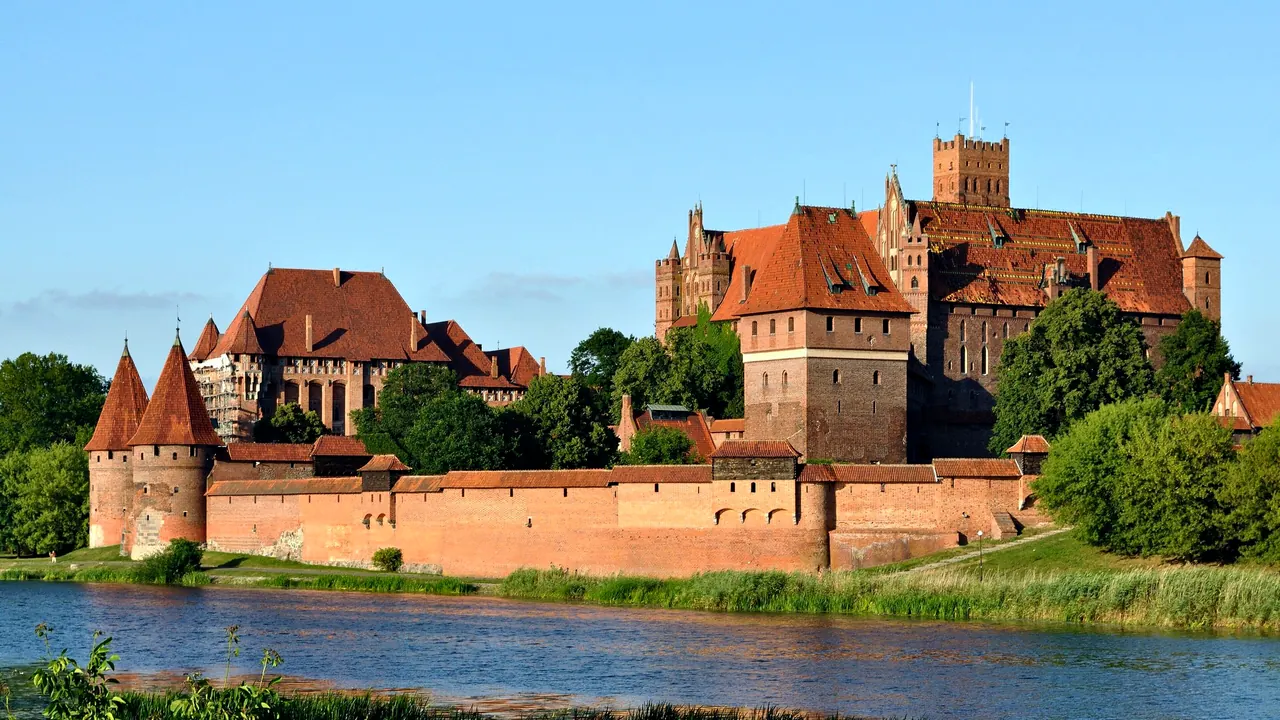
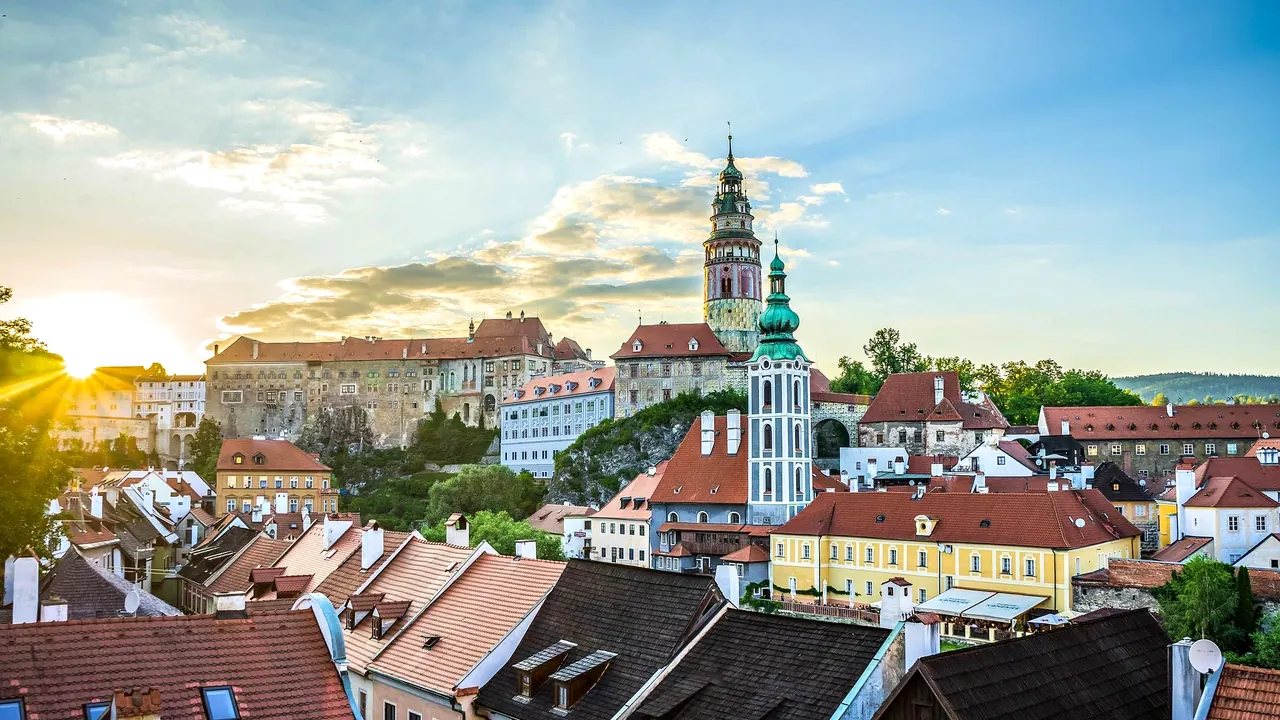
Photos: Poland by DerHexer, derivative work by Carschten, CC BY-SA 3.0, cropped; Czechia by Leonhard Niederwimmer, Pexels License.
Poland or Czechia?
Our verdict in twelve categories, each scored against the same fixed benchmark cities, and the climate month by month, so you can choose for your trip.
Choose Poland for
- beaches
- nightlife
- nature and the outdoors
Poland suits a traveller who wants range on a longer trip. In one country you get late nights in Krakow's cellar bars or Warsaw's clubs, real alpine walking in the Tatras, a week by the Masurian Lakes or on the Baltic dunes, and some of the most moving history museums in Europe. Its highlights are far apart, so expect more travel, but you get a broader mix and costs that stay slightly lower.
Choose Czechia for
- wellness
- day trips
- culture and sights
Choose Czechia for a compact, unhurried trip of old towns and slow afternoons. Prague, Cesky Krumlov and Kutna Hora are built for wandering, most excursions are about an hour from a good base, and the colonnaded spa towns of West Bohemia offer a restful week that Poland cannot really match. Anyone after a beach or a big night out beyond the capital will find less here.
Scoreboard
Twelve categories on one fixed scale from 0 to 100. The shaded stretch is the gap between the two.
Your match
Pick a travel style or drag the sliders, and both match scores follow your weighting.
Too close to call, 1 point apart
Wins on beaches and nightlife with your weighting.
Wins on wellness and day trips with your weighting.
What matters to you?
Category by category
What the scores mean for a trip.
Beaches & swimming
Poland at least has a coast. It is 500km of pale sand and dunes on the Baltic, with the sandy spit of the Hel Peninsula, the empty beaches near Leba and Sopot's long wooden pier. The water stays cool even in August, so it suits a relaxed seaside week rather than a vacation built around warm water.
Czechia has no sea, so swimming means an afternoon at the Lipno reservoir, Macha Lake or the fishponds around Trebon. Poland's Masurian Lakes offer the same kind of lake swimming on a far larger scale, so Poland comes out ahead either way.
Where in Poland: Hel Peninsula, Leba and the Slowinski coast, Sopot, Masurian Lakes
Where in Czechia: Lipno, Macha Lake, Trebon
Food & drink
Both kitchens are hearty, but Poland's has more reach. It has pierogi, sour zurek and beetroot barszcz, wild mushrooms in autumn, and milk bars in every city for honest home cooking. Warsaw's range runs from modern Polish tasting menus to the Vietnamese cooking of its long-settled community, and vodka has a serious tasting culture.
Czechia eats around its beer: Plzen lager, unpasteurised tank beer in town pubs, roast pork with dumplings and svickova in cream sauce. The wine cellars of South Moravia around Mikulov add a second side. Beyond Prague and Brno, though, the cooking is good but plain and repetitive.
Culture & sights
These are two strong cultural destinations with different strengths. Poland's lie in its museums and its twentieth-century story: Warsaw's Old Town, rebuilt from rubble, the Warsaw Rising Museum, POLIN and the Second World War museum in Gdansk. Krakow adds Wawel and the Main Market Square.
Czechia's strength is the buildings themselves. Prague's castle district and Charles Bridge form one of Europe's best-preserved centres, and Cesky Krumlov, Telc and Kutna Hora keep whole towns intact, with a chateau on almost every road. Pick Czechia for streets and façades, and Poland for the stories told indoors.
Where in Poland: Krakow, Warsaw, Gdansk, Wroclaw
Where in Czechia: Prague, Cesky Krumlov, Kutna Hora, Olomouc
Nightlife
Poland's nights are spread across several student cities and run late. Krakow has hundreds of cellar bars and Kazimierz's looser courtyards, and Warsaw has serious electronic clubs and summer bars on the Vistula. Wroclaw's market square stays busy until late, and Sopot fills up in summer.
Czechia's going out is mostly in Prague, with clubs that last until morning and local drinking in Vinohrady and Zizkov. Brno and Ostrava's bar street are the alternatives, and elsewhere the night is a few beers and bed. Both Krakow's and Prague's old towns draw stag groups at weekends.
Nature & outdoors
Poland has the higher ground and the wilder country. There is real alpine hiking in the Tatras above Zakopane, long open ridges in the Bieszczady, the primeval Bialowieza Forest with its wild bison, the Masurian lake chain for sailing and the shifting dunes of Slowinski.
Czechia's landscape is gentler. Bohemian Switzerland has sandstone arches and gorges you can travel through by boat, and the Krkonose ridge rises to about 1,600m. Add quiet Sumava forest for cycling and the caves of the Moravian Karst, and you have fine walking country, though without Poland's drama.
Where in Poland: Tatra Mountains, Masurian Lakes, Bialowieza Forest, Bieszczady
Where in Czechia: Bohemian Switzerland, Krkonose, Sumava, Moravian Karst
Day trips
Czechia is made for day trips. From Prague, Kutna Hora, Karlstejn castle, Plzen and Terezin are each about an hour away. From Brno you can reach the Lednice and Valtice chateaux, Telc and Olomouc, and Vienna is within reach across the border.
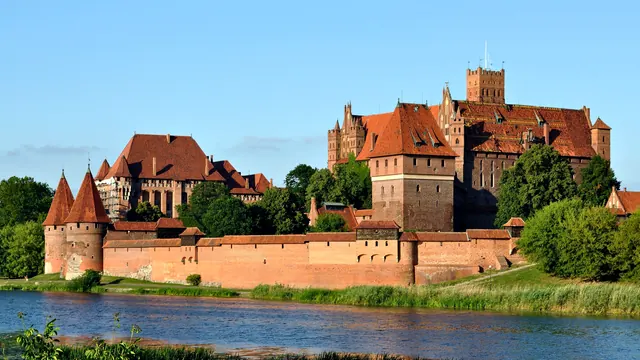
Poland's best excursions are just as memorable but less evenly spread. Krakow is the outstanding base, with Auschwitz-Birkenau, the Wieliczka salt mine and Zakopane, and from Gdansk you can reach Malbork castle. Warsaw has much less around it.
Good for families
Both countries are safe, calm and affordable enough for a long family trip, and in both the cobbled old towns are hard going with a pushchair. The difference is in the outings. Poland has the big theme park at Zator near Krakow, Warsaw's hands-on Copernicus Science Centre, Wroclaw's bronze dwarfs to hunt for, and summers at a Masurian lake house.
Czechia has no large theme park, but it has castles with dungeons and costumed tours, puppet theatre and Prague's riverside zoo. There is also the safari park at Dvur Kralove, and Krkonose and Lipno run as summer resorts with toboggan runs and treetop walkways.
Where in Poland: Krakow, Warsaw, Wroclaw, Baltic coast
Where in Czechia: Prague, Krkonose, Lipno, Dvur Kralove
Getting around
Both run on intercity trains and dense city trams, and Warsaw and Prague each add a metro. The difference is distance. Czechia is compact, so most places a visitor wants are a short train or coach ride away, and a car only really helps for the Sumava and the Moravian wine villages.
Poland is larger. Warsaw to Krakow is an easy fast-train ride, but Gdansk to Krakow takes about five hours, and the Masurian Lakes, the Bieszczady and Bialowieza are far easier with a car.
Shopping & style
Neither is a fashion destination, and both reward people who buy crafts. In Poland that means Baltic amber set in silver on Gdansk's Mariacka Street and in Krakow's Cloth Hall, Boleslawiec stoneware with its blue stamped patterns and highland woollens from Zakopane.
In Czechia it means Bohemian glass, garnet jewellery and marionettes, and Karlovy Vary is the place for glass and porcelain. Warsaw has the bigger malls, while Prague has the stronger luxury street in Parizska.
Where in Poland: Gdansk, Krakow, Warsaw, Boleslawiec
Where in Czechia: Prague, Karlovy Vary
Affordability
Poland's low costs are spread fairly evenly across the country, while Czechia's depend heavily on whether you are in central Prague. In Poland a budget trip can go almost anywhere. Krakow, Wroclaw, Torun and Lublin are the cheapest bases, and only Warsaw's business hotels and the peak summer weeks on the Baltic and in Zakopane push costs up much.
In Czechia, the hotels and restaurants on Prague's main tourist routes come close to Western European prices, so the saving comes from eating a few streets away or leaving the capital. Brno, Olomouc and the guesthouses of South Bohemia are where your money goes furthest, helped by cheap trains and castle tours.
Where in Poland: Krakow, Wroclaw, Lublin, Torun
Where in Czechia: Brno, Olomouc, South Bohemia
Live music & performing arts
Classical music lovers will be happy in either. Poland's thread is Chopin, with summer recitals in Lazienki Park, Warsaw's enormous Grand Theatre and modern concert halls in Katowice and Wroclaw, plus a deep tradition of cellar jazz in Krakow.
Czechia packs more historic stages into its capital. Prague has the National Theatre, the Estates Theatre where Don Giovanni premiered, the Rudolfinum and the Prague Spring festival, and beyond it there is Janacek's Brno. Polish theatre is mostly in Polish, while Prague's black-light and puppet shows need no language.
Where in Poland: Warsaw, Krakow, Katowice, Wroclaw
Where in Czechia: Prague, Brno, Karlovy Vary, Cesky Krumlov
Wellness & relaxation
This is Czechia's clearest advantage. Karlovy Vary, Marianske Lazne and Frantiskovy Lazne are elegant towns of colonnades and parks, where you sip warm spring water from porcelain cups and settle in for a cure lasting several days. Luhacovice and the peat baths of Trebon add more.
Poland's spa towns, such as Krynica-Zdroj and Ciechocinek with its salt-mist graduation towers, feel more like sanatoria. Its best soak is outdoors in the thermal pools of Podhale, with the Tatras in view on a snowy evening.
Where in Poland: Podhale and Zakopane, Krynica-Zdroj, Ciechocinek, Kolobrzeg
Where in Czechia: Karlovy Vary, Marianske Lazne, Frantiskovy Lazne, Luhacovice
When should you go?
Pick your month, and for a country the place in it. The climate figures are measured averages, not a forecast.
Where in Poland
Warsaw (Poland) in July
Prague (Czechia) in July
Daytime high, °C
Rainfall in the month, mm
Temperature and rainfall are climate normals, averaged over the years shown. Warsaw (Poland): 1991-2020 normals, Warszawa-Okecie (7.7 km from centre). Prague (Czechia): 1991-2020 normals, Praha-Libus (8.1 km from centre).
The two share a central European climate. Warsaw, Krakow and Prague all reach about 25°C in July and August, winters hover near freezing, and May to September is the main season. Poland's Baltic coast is cooler. Gdansk peaks around 22°C and the sea reaches only about 19°C in August, so brisk swims are realistic from July to early September. In the Tatras around Zakopane, summer is the wettest time, with heavy rain in July, so September is often the better month for ridge walks. Winter brings snow for skiing and the outdoor thermal pools.
Prague is a little drier than Krakow in spring and autumn, which makes April, May, September and October comfortable for long days on foot and for the spa towns. In midsummer Warsaw has noticeably more sunshine than Prague, so July in the Polish lowlands tends to be brighter.
Which traveller are you?
For a relaxing and wellness trip, Poland works best as a short winter add-on, a few nights in Podhale between other stops. In Czechia, make the spa the whole trip: book one West Bohemian town for several nights and let the treatments set the pace.
For an outdoors trip, give Poland a whole week in one region for its wilder country: the Tatras from Zakopane, or the Masurian Lakes with a hire car. Czechia's gentler hills fit around city days, with a Vltava canoe trip reachable by coach.
More comparisons
Each shares a side with Poland or Czechia.
Where else could you go?
Set Poland or Czechia against any other country.