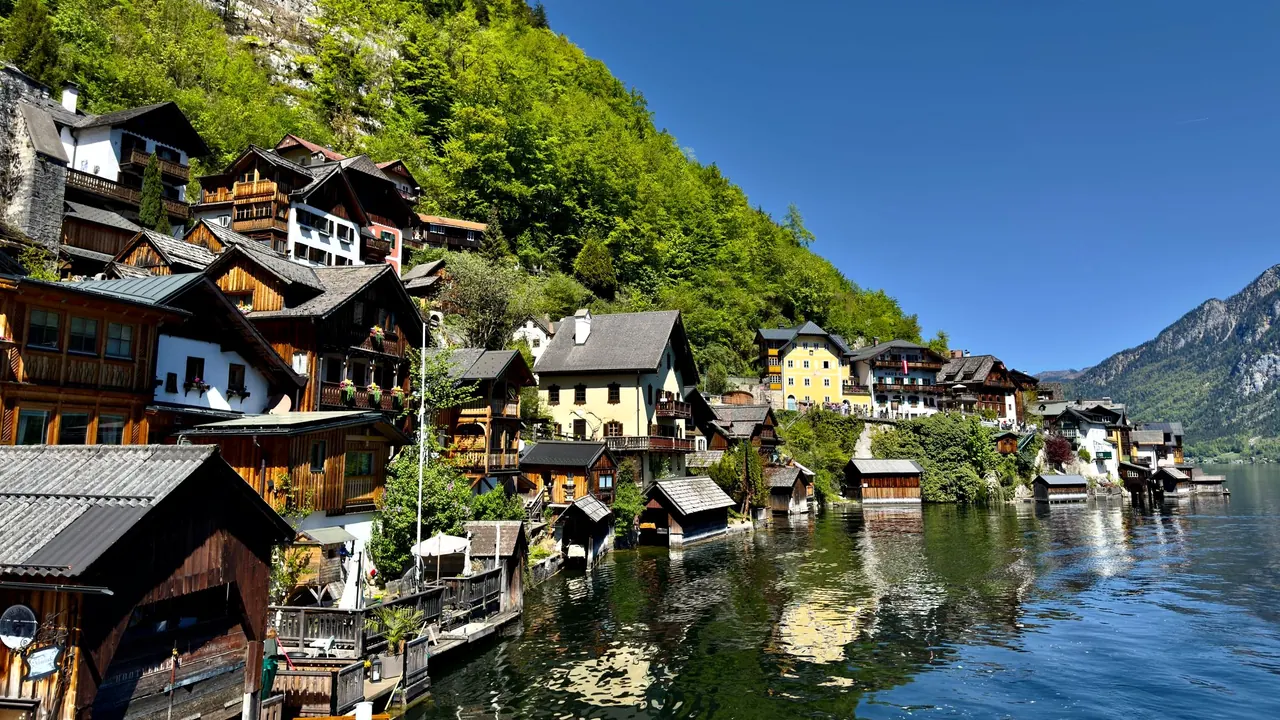
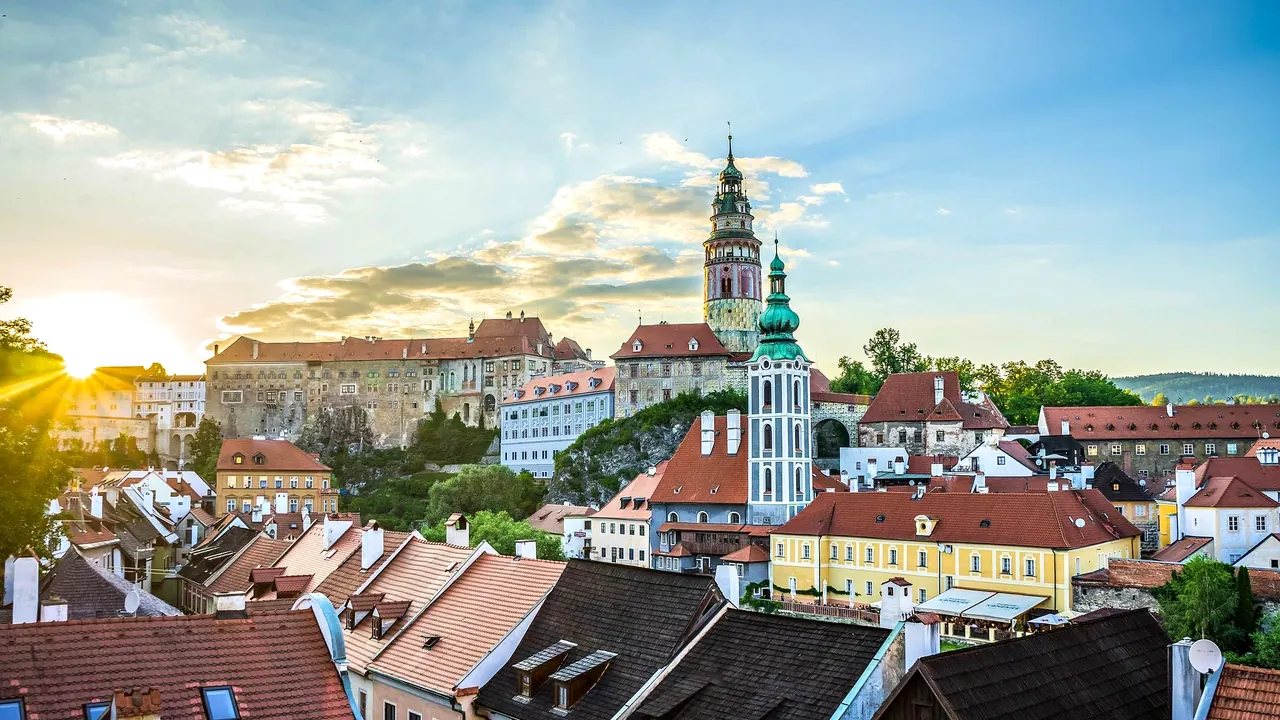
Photos: Austria by Marlon Castor, Pexels License; Czechia by Leonhard Niederwimmer, Pexels License.
Austria or Czechia?
Our verdict in twelve categories, each scored against the same fixed benchmark cities, and the climate month by month, so you can choose for your trip.
Choose Austria for
- beaches
- live music and the arts
- nature and the outdoors
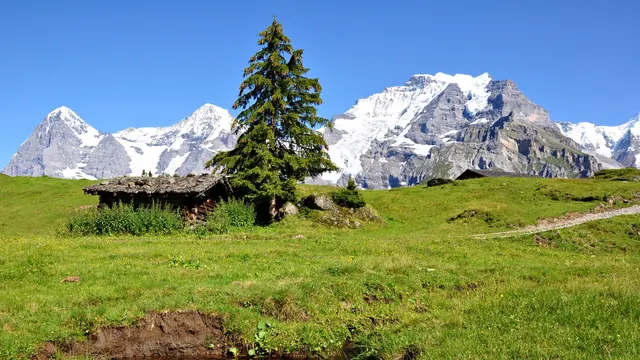
Choose Austria if you want the mountains to be part of the trip. Tyrol and the Hohe Tauern put glaciers, high trails and ski slopes a cable car ride above the valleys, and Vienna and Salzburg add some of the world's finest opera and concerts. Walkers, skiers and families, and anyone who wants a thermal bath after a day outdoors, will find it easier to plan here, provided they accept that it costs more.
Choose Czechia for
- prices
- nightlife
Czechia is for travellers who come for old towns, beer and a budget that stretches further. Prague is the centrepiece, and the rest of the country is full of intact historic towns: Kutna Hora within easy reach of the capital, Cesky Krumlov best visited from Ceske Budejovice, and Telc and Olomouc out in Moravia, where Brno makes the better base. The landscape is gentler and the food plainer, but outside central Prague your money lasts noticeably longer, and the colonnaded spa towns of West Bohemia make a calm end to the trip.
Scoreboard
Twelve categories on one fixed scale from 0 to 100. The shaded stretch is the gap between the two.
Your match
Pick a travel style or drag the sliders, and both match scores follow your weighting.
Wins on beaches and live music and the arts with your weighting.
Wins on prices and nightlife with your weighting.
What matters to you?
Category by category
What the scores mean for a trip.
Beaches & swimming
Neither country has a coast, but Austria's lakes are a real part of its summer. The Wörthersee and the other Carinthian lakes warm up in July and August, and towns such as Velden and Pörtschach have wooden lidos, bathing jetties and lawns along the shore. The Salzkammergut lakes are colder and clearer, with mountains around them.
Czechia's swimming is more modest. The Lipno reservoir and Macha Lake have sandy shores and small resort villages, and there are a few bathing spots among the fishponds around Trebon. In both countries a swim is a break in a summer trip, but Austria gives you more lake time to plan around.
Where in Austria: Carinthian lakes, Wörthersee, Salzkammergut
Where in Czechia: Lipno, Macha Lake, Trebon
Food & drink
Both countries cook in the same hearty style, with goulash and dumplings on both sides of the border, but Austria has more to offer. Vienna's coffee houses, cake counters, Naschmarkt and Heurigen wine taverns are reasons to visit in themselves. The Wachau's Grüner Veltliner and Riesling, South Styria's wine taverns and the Bregenzerwald's mountain cheese mean good eating continues outside the capital.
In Czechia, eating and drinking revolve around beer. Unpasteurised tank lager is poured in pubs across the country, and Plzen is a pilgrimage for beer drinkers. South Moravia's cellar lanes near Mikulov add wine, but outside Prague and Brno the cooking is plain and varies little.
Where in Austria: Vienna, Wachau, South Styria, Bregenzerwald
Culture & sights
The two countries are close here, but their strengths differ. Austria's is imperial grandeur and great collections. In Vienna these are the Hofburg, Schönbrunn, the Belvedere and the Kunsthistorisches Museum, with Klimt and the Secession as a second high point. Salzburg's baroque old town adds more of the same.
Czechia's strength is the townscape. Prague's castle district and Old Town are among Europe's best-preserved historic centres, and Cesky Krumlov, Telc, Kutna Hora and Olomouc continue the theme, with a chateau on almost every minor road. Go to Austria for the museums and palaces, and to Czechia to walk through intact old towns.
Where in Austria: Vienna, Salzburg, Graz, Innsbruck
Where in Czechia: Prague, Cesky Krumlov, Kutna Hora, Olomouc
Nightlife
The two countries are evenly matched after dark, but their best nights come in different places and seasons. Austria's most famous party is après-ski in resorts such as Ischgl and St Anton. It begins on the mountain before the lifts close and lasts only as long as the snow, so it suits groups of friends on a ski week. For the rest of the year, Vienna is where to go out: the bars under the Gürtel arches, the wine taverns on the city's edge and summer evenings by the Danube Canal. Salzburg and Innsbruck turn in early.
Czechia's nightlife centres on its cities and works all year. Prague combines its old pub culture with big clubs that stay open until dawn, and the better evenings are in Zizkov and Vinohrady, away from the stag groups in the Old Town. Brno's student bars and Ostrava's street of clubs give a cheaper night out outside the capital. Pick Austria for partying on a winter ski trip, and Prague for a weekend of beer and late clubs in any season.
Nature & outdoors
This is where the two countries differ most. Austria is mostly high Alpine country. Cable cars from the Zillertal, Ötztal and Stubai valleys reach glaciers, hut-to-hut routes cross Tyrol, and ibex and marmots live around the Grossglockner in the Hohe Tauern. Winter brings skiing at hundreds of resorts.
Czechia's landscape is wooded and low. Its highlights are the rock arch and gorges of Bohemian Switzerland, ridge walks in the Krkonose, long quiet trails in the Sumava and a canoe trip down the Vltava. It is lovely walking and cycling country, but it has nothing to match the Alps.
Where in Austria: Tyrol, Hohe Tauern National Park, Salzkammergut, Vorarlberg
Where in Czechia: Bohemian Switzerland, Krkonose, Sumava, Moravian Karst
Day trips
Both countries work well for day trips from several bases, but the outings are different in kind. From Vienna, the Wachau combines Melk abbey and wine towns with a Danube boat trip. Salzburg is the base for Hallstatt and the Salzkammergut lakes, and Innsbruck for Hall and Kitzbühel, so Austrian day trips often mean lakes and mountains.
Czech day trips are mostly towns and castles. Kutna Hora, Karlstejn, Plzen and Terezin are each about an hour from Prague. From Brno you can reach Lednice, Valtice, Telc and Olomouc, and Cesky Krumlov is closest from Ceske Budejovice.
Good for families
Austria is the easier country with children. The Alpine resorts of Tyrol, Salzburgerland and Carinthia have whole hotels built for families, with kids' clubs, adventure playgrounds reached by lift, toboggan runs and ski schools for small children. Vienna adds the Prater's Ferris wheel, the world's oldest zoo at Schönbrunn and the dinosaurs at the Natural History Museum.
Czechia is safe and calm, and children love its castles with dungeons and costumed tours. Highlights include Prague's zoo and the Petrin funicular, and the safari park at Dvur Kralove. Krkonose and Lipno run summer family resorts, but the steep cobbled old towns make pushchairs hard work.
Where in Austria: Tyrol, Salzburgerland, Carinthia, Vienna
Where in Czechia: Prague, Krkonose, Lipno, Dvur Kralove
Getting around
Austria is the smoother country to cross. Fast intercity trains run along the main axis from Vienna through Linz, Salzburg and Innsbruck, with branches south to Graz and Klagenfurt. Regional trains and yellow postbuses reach most mountain valleys and ski resorts. You need a car only for the remote side valleys.
Czechia is compact, and Prague's three metro lines, dense trams and walkable centre make the capital easy. Trains link it with Brno, Plzen and Olomouc, and coaches fill gaps such as the route to Cesky Krumlov. Branch-line trains are slow, though, and the Sumava and the Moravian wine villages are much easier to reach by car.
Shopping & style
Austria has more to offer shoppers, and most of it is in Vienna. The Kohlmarkt and Graben have luxury labels in baroque streets, Mariahilfer Strasse is a long high street, and Neubau has independent design shops. Augarten porcelain and Viennese glassware make good gifts, and dirndls and loden jackets are sold on Salzburg's Getreidegasse.
Czechia is mainly a place to buy crafts. Look for Bohemian glass and crystal, garnet jewellery, marionettes and wooden toys, ideally in Karlovy Vary rather than the repetitive souvenir shops of Prague's Old Town. Parizska is the one real fashion street.
Where in Austria: Vienna, Salzburg, Innsbruck, Graz
Where in Czechia: Prague, Karlovy Vary
Affordability
Czechia is the noticeably cheaper country. Away from central Prague's tourist routes, Brno, Olomouc and the villages of South Bohemia have modest guesthouses, filling meals and very cheap beer. Trains, coaches and castle tours cost little too.
Austria is mid to high priced. Salzburg in summer and the Tyrol and Arlberg ski resorts in winter are among the most expensive places in the trip. You can still save money in Austria by staying in the wine country of Styria and Burgenland, or at Carinthia's lakes outside the peak weeks.
Where in Austria: Styria, Burgenland, Carinthia, Vienna
Where in Czechia: Brno, Olomouc, South Bohemia
Live music & performing arts
Austria is one of the great countries for classical music, and Czechia is not quite in the same class. Vienna's State Opera plays most nights of its season, the Vienna Philharmonic plays at the Musikverein, and the Boys' Choir sings Sunday Mass. The Salzburg Festival and the Bregenz Festival's floating lake stage make summer a high point too.
Prague still has much to offer. Don Giovanni had its premiere at the Estates Theatre, the Czech Philharmonic plays at the Rudolfinum, and the Prague Spring festival is a highlight of the year. Its black-light theatre, puppet shows and jazz clubs give an evening out a lighter side than Vienna's.
Where in Austria: Vienna, Salzburg, Bregenz, Graz
Where in Czechia: Prague, Brno, Karlovy Vary, Cesky Krumlov
Wellness & relaxation
Austrians go to the spa to bathe and sweat, while Czechs go to drink the waters and take a cure. Bad Gastein has radon-rich springs and a healing gallery inside an old mine, eastern Styria has a whole region of large thermal resorts, and nearly every Alpine hotel has a sauna, steam room and pool, so Austria makes unwinding easy almost anywhere you stay.
In Czechia the experience is quieter and more medical. In Karlovy Vary and Marianske Lazne, visitors walk slowly along the colonnades sipping warm mineral water from porcelain cups, and the spa hotels offer treatment programmes lasting several days. Trebon adds peat baths among its fishponds. There are few public thermal pools, so plan to stay a few nights rather than visiting for the day.
Where in Austria: Bad Gastein, Styrian thermal region, Bad Ischl, Baden bei Wien
Where in Czechia: Karlovy Vary, Marianske Lazne, Frantiskovy Lazne, Luhacovice
When should you go?
Pick your month, and for a country the place in it. The climate figures are measured averages, not a forecast.
Where in Austria
Vienna (Austria) in July
Prague (Czechia) in July
Daytime high, °C
Rainfall in the month, mm
Temperature and rainfall are climate normals, averaged over the years shown. Vienna (Austria): 1991-2020 normals, Wien / Hohe Warte (4.7 km from centre). Prague (Czechia): 1991-2020 normals, Praha-Libus (8.1 km from centre).
Both countries have cold winters and warm summers, so late spring and early autumn are the easiest times for walking around their cities. Vienna is the warmest of the places measured, reaching 27°C in July and August, while Prague, Salzburg and Innsbruck peak at around 25°C. Summer is the wettest season everywhere. Vienna and Prague get similar amounts of rain, but Austria's Alpine west is much wetter: Salzburg gets about 168mm in June, against around 80mm in Prague's wettest month, so allow for rainy afternoons in Salzburg and Innsbruck. Carinthia's lakes are warm enough to swim in from late June to early September.
Winter is where the two differ most. In Austria it is the ski season across Tyrol, and Innsbruck gets clearly more winter sunshine than Vienna. Prague is grey and cold from December to February, with highs of about 2°C in January and very little sun, so a winter visit there means indoor sights and short walks between them. From May to September both countries are good for walking and cycling.
Which traveller are you?
For an outdoors trip, Austria is the clear choice. Cable cars in Tyrol lift you to glaciers and high paths, staffed huts make multi-day hikes simple, and winter brings serious skiing. Czechia's sandstone gorges and forest trails are pleasant but much gentler.
On a family trip with children, Austria is easier. Alpine resorts have family hotels, kids' clubs, toboggan runs and ski schools, Carinthia's lakes are warm enough for young swimmers, and Vienna has the Prater and Schönbrunn Zoo. Czechia's castles and zoos are good, but the cobbles are hard on pushchairs.
More comparisons
Each shares a side with Austria or Czechia.
Where else could you go?
Set Austria or Czechia against any other country.