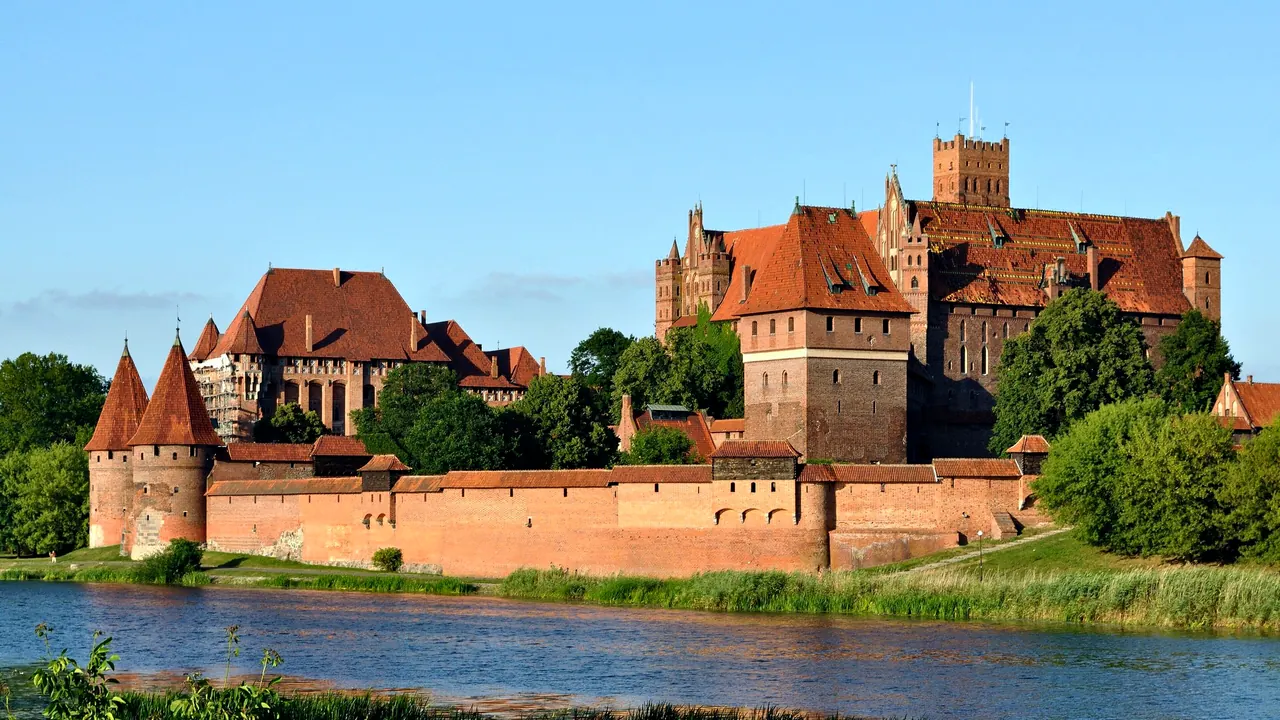
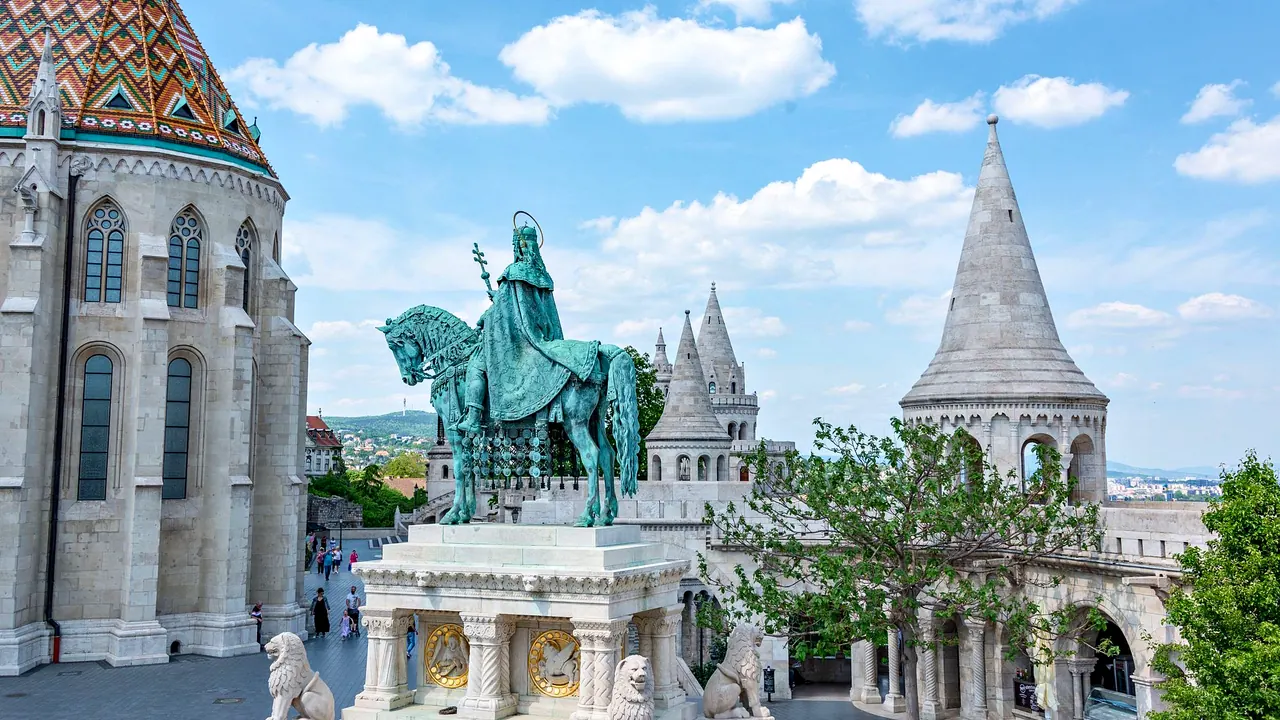
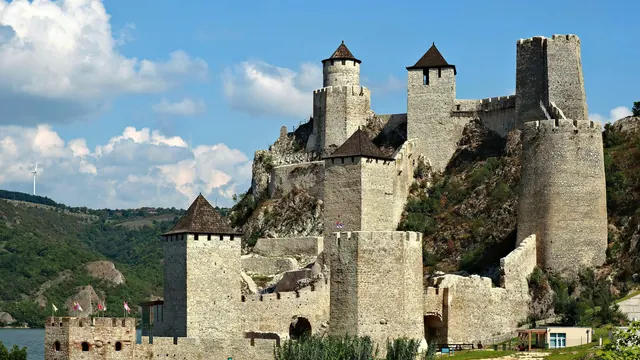
Photos: Poland by DerHexer, derivative work by Carschten, CC BY-SA 3.0, cropped; Hungary by Diego F. Parra, Pexels License.
Poland or Hungary?
Our verdict in twelve categories, each scored against the same fixed benchmark cities, and the climate month by month, so you can choose for your trip.
Choose Poland for
- nature and the outdoors
- prices
- getting around
Poland suits travellers who want cities and real landscape in one trip. Krakow, Warsaw and Gdansk carry a heavy, moving weight of history, and the Tatras, the Masurian Lakes and Bialowieza Forest add mountain hiking, sailing and primeval forest that Hungary's gentler country cannot match. It is also the cheaper of the two and the easier to cross by train, so a route through several bases works well.
Choose Hungary for
- wellness
- beaches
- live music and the arts
Choose Hungary for a slower trip built around water and wine. Its thermal baths, from the Széchenyi and Rudas in Budapest to the lily-covered lake at Hévíz, are a reason to travel in themselves, and Lake Balaton gives warmer, shallower summer swimming than the Baltic. Budapest also offers the grander evenings of opera and concerts, and Tokaj, Eger and Villány shape a countryside trip around the cellar door.
Scoreboard
Twelve categories on one fixed scale from 0 to 100. The shaded stretch is the gap between the two.
Your match
Pick a travel style or drag the sliders, and both match scores follow your weighting.
Wins on nature and the outdoors and prices with your weighting.
Wins on wellness and beaches with your weighting.
What matters to you?
Category by category
What the scores mean for a trip.
Beaches & swimming
Neither country is a beach destination, but Hungary's lake swimming is the more comfortable. On Lake Balaton's south shore, around Siófok and Fonyód, the water stays shallow for hundreds of metres and warms to about 25°C in high summer, which is ideal for small children. The north shore below Tihany and Badacsony is deeper and prettier.
Poland has the finer sand, with pale dunes on the Hel Peninsula and the Slowinski coast near Leba, and the long pier at Sopot. The Baltic stays cool and wind is common, which is why many visitors swim in the warmer Masurian Lakes instead.
Where in Poland: Hel Peninsula, Leba and the Slowinski coast, Sopot, Masurian Lakes
Where in Hungary: Lake Balaton, Lake Velence, Lake Tisza
Food & drink
The two cuisines are about equally appealing, and what differs is what each one is built around. Poland eats in milk bars and cellar restaurants: pierogi, sour zurek and barszcz, washed down with flavoured vodka or craft beer. Warsaw has the broadest range and Krakow's Kazimierz the liveliest late eating.
Hungary's draw is wine. Tokaj, Eger, Villány and the Badacsony slopes turn a countryside trip into a tasting route, and Budapest adds the Great Market Hall, gilded coffee houses and layered pastries such as dobos torte.
Where in Poland: Warsaw, Krakow, Wroclaw, Gdansk
Where in Hungary: Budapest, Tokaj, Eger, Villány
Culture & sights
Both countries are first-rate for history and architecture, but they spread it differently. Poland's sights are shared among several cities. Krakow has the Market Square, Wawel and Kazimierz, Warsaw its rebuilt Old Town, the Warsaw Rising Museum and POLIN, and then come Hanseatic Gdansk and Gothic Torun. Memory of the Second World War runs through all of them.
Hungary puts most of its weight in Budapest, where the Parliament, the Castle District and the Danube banks make one grand river panorama, with the major galleries close at hand. Beyond the capital come smaller stops such as Ottoman-era Pécs, Esztergom's basilica and Pannonhalma Abbey.
Where in Poland: Krakow, Warsaw, Gdansk, Wroclaw
Where in Hungary: Budapest, Pécs, Eger, Esztergom
Nightlife
Nights out are equally good in both, and in both the busiest quarter draws weekend stag groups. Poland spreads its going out across several student cities: Krakow's vaulted cellar bars, Warsaw's electronic clubs in old industrial spaces and Wroclaw's square, which stays busy until late. Vodka shots set the pace.
In Hungary, going out mostly means Budapest. The ruin bars fill the courtyards of District VII, and in summer the crowds move to the Danube terraces and Margaret Island. Siófok on Balaton adds beach clubs in July and August.
Where in Poland: Krakow, Warsaw, Wroclaw, Gdansk and Sopot
Where in Hungary: Budapest, Siófok, Szeged, Pécs
Nature & outdoors
Poland has the more dramatic and varied outdoors. The Tatras above Zakopane are a true alpine range with glacial lakes such as Morskie Oko and skiing in winter, and the Bieszczady are wild ridge country. The lowlands add Bialowieza's primeval forest with its bison, the Masurian Lakes for sailing and the shifting dunes of Slowinski.
Hungary is gentler. It has volcanic buttes and vineyards along Balaton's north shore, wooded walks above the Danube Bend, the low Bükk and Mátra ranges, and the open Hortobágy grassland with its autumn cranes. It suits easy hikes and cycling rather than a mountain trip.
Where in Poland: Tatra Mountains, Masurian Lakes, Bialowieza Forest, Bieszczady
Where in Hungary: Balaton Uplands, Danube Bend, Bükk, Hortobágy National Park
Day trips
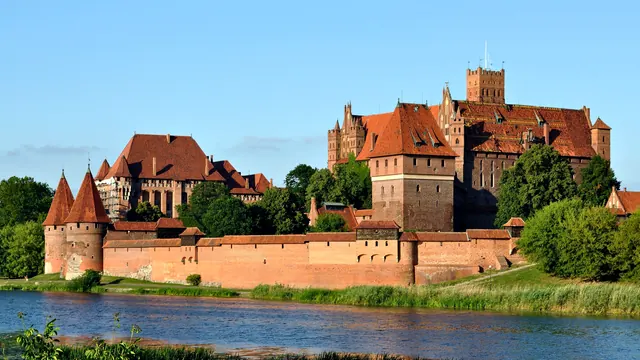
Poland's day trips lean towards memory and heritage, while Hungary's lean towards river and wine. From Krakow you can visit the Auschwitz-Birkenau memorial and the salt-carved chapels of Wieliczka, and Zakopane is a couple of hours south. Gdansk puts Malbork, the largest brick castle in the world, under an hour away, and Wroclaw reaches the timber Peace Churches of Swidnica and Jawor. Warsaw is the weakest base of the four.
Hungary's outings are lighter in mood. From Budapest, Szentendre, Visegrád and Esztergom on the Danube Bend are an easy train ride or a summer boat trip away, and Bratislava fits into a day. If you add a second base at Eger or on Balaton, you can reach the Tokaj wine villages, Tihany abbey and the Festetics Palace at Keszthely.
Where in Poland: Krakow, Gdansk, Wroclaw, Warsaw
Where in Hungary: Danube Bend, Lake Balaton, Eger, Tokaj
Good for families
Families do about equally well in both, but the days take a different shape. Poland mixes city outings with summers by the water. Near Krakow, the theme park at Zator has rides for every age and the Wieliczka salt mine fascinates older children, while Warsaw has the hands-on Copernicus Science Centre and Wroclaw its Africa-themed aquarium and the bronze dwarfs to hunt for around the old town. Polish families then spend a week on the Baltic sand or in a Masurian lake house, though the long distances between all of these take effort.
In Hungary, the family summer centres on Lake Balaton, where the strands have lawns, playgrounds, pedal boats and slides, and the resort at Hajdúszoboszló adds one of the biggest water parks in the region. In Budapest, the Children's Railway through the Buda Hills, which children help to run, and the City Zoo beside City Park fill the days on dry land. Cobbles and stairs in the Castle District are harder going with small children.
Where in Poland: Krakow, Warsaw, Wroclaw, Baltic coast
Where in Hungary: Lake Balaton, Budapest, Hajdúszoboszló
Getting around
Poland is the easier country to tour by train. Fast intercity services link Warsaw with Krakow and Gdansk in under three hours, and the four main cities all have dense tram networks. The lakes, the Bieszczady and Bialowieza still need a car.
Hungary is smaller, but its rail lines run out from Budapest, so travelling between provincial towns usually means changing in the capital or taking a slow bus. Budapest itself is a pleasure to get around, with the continent's oldest metro line and riverside trams, and the Danube Bend is easy to reach without a car.
Where in Poland: Krakow, Warsaw, Gdansk, Wroclaw
Where in Hungary: Budapest, Danube Bend, Lake Balaton south shore
Shopping & style
Neither country is a fashion destination, and in both the best buys are crafts. In Poland that means Baltic amber on Gdansk's Mariacka Street and in Krakow's Cloth Hall, blue-patterned Boleslawiec stoneware and highland woollens from around Zakopane.
Hungary offers Herend porcelain, Zsolnay ceramics from Pécs and embroidery from Kalocsa. Budapest has a little more range, from the labels on Andrássy Avenue to the antiques at the Ecseri flea market, and a bottle of Tokaji makes a good thing to take home.
Where in Poland: Gdansk, Krakow, Warsaw, Boleslawiec
Where in Hungary: Budapest, Herend, Pécs, Kalocsa
Affordability
Poland is the cheaper of the two. Milk bars, cheap local trains and city hotels well below Western European levels keep even a long trip affordable, especially in Krakow, Wroclaw, Torun and Lublin. Only Warsaw and the resorts in their peak season push costs up.
Hungary is moderately priced. Central Pest hotels and Balaton in July and August are the expensive spots. The thermal baths, market food and transport stay reasonable, and Eger, Pécs and Szeged cost noticeably less than the capital.
Where in Poland: Krakow, Wroclaw, Lublin, Torun
Where in Hungary: Pécs, Eger, Szeged, Budapest
Live music & performing arts
Hungary offers a visitor more on stage. In Budapest you can choose between the State Opera, the Art Nouveau Great Hall of the Liszt Academy and the riverside Palace of Arts. Operetta, folk táncház evenings and the Sziget festival in August add variety, and Szeged stages open-air opera in summer.
Poland's strength is also music, with Warsaw's Grand Theatre, the National Philharmonic, summer Chopin recitals in Lazienki Park and cellar jazz in Krakow. Its well-regarded theatre is almost all in Polish, which puts it out of reach for most visitors.
Where in Poland: Warsaw, Krakow, Katowice, Wroclaw
Where in Hungary: Budapest, Szeged, Pécs, Miskolc
Wellness & relaxation
This is the widest gap between the two. Hungary is built on thermal water. There are the steaming outdoor pools of the Széchenyi in winter, the Ottoman dome over the Rudas and the lily-covered thermal lake at Hévíz, and whole resort towns such as Bük, Sárvár and Hajdúszoboszló exist for a quiet week of soaking.
Poland's spa towns, such as Krynica-Zdroj and Ciechocinek with its salt-mist graduation towers, are calmer and more medical. Its real pleasure is the hot-spring pools of Podhale, where you soak outdoors facing the Tatras.
Where in Poland: Podhale and Zakopane, Krynica-Zdroj, Ciechocinek, Kolobrzeg
Where in Hungary: Budapest, Hévíz, Hajdúszoboszló, Bük and Sárvár
When should you go?
Pick your month, and for a country the place in it. The climate figures are measured averages, not a forecast.
Where in Poland
Warsaw (Poland) in July
Budapest (Hungary) in July
Daytime high, °C
Rainfall in the month, mm
Temperature and rainfall are climate normals, averaged over the years shown. Warsaw (Poland): 1991-2020 normals, Warszawa-Okecie (7.7 km from centre). Budapest (Hungary): 1991-2020 (sunshine 1981-2010, rainfall 1981-2010) normals, Budapest Met Center (2.1 km from centre).
Both countries have cold winters and warm summers, but Hungary runs warmer and drier. Budapest is pleasant for walking from late April to early October, reaches about 28°C in August and gets plenty of summer sun without much rain. July and August are the months for Lake Balaton, though hot afternoons can make the cobbled Castle District tiring. In winter the outdoor thermal pools make a cold visit worthwhile.
Poland's summer is milder. Warsaw and Krakow peak at around 25°C in July and August, which is comfortable for sightseeing, and May, June and September are good too. The Baltic at Gdansk only reaches about 19°C in August, so the beach season is short. Zakopane is the wettest place in either country, with around 176mm of rain in July, so September is often the better month for Tatra hiking. From December to February the mountains turn to skiing while the cities sit near freezing.
Which traveller are you?
On a relaxing and wellness trip, Hungary is the clear choice. Soaking in thermal water is an everyday habit there, whether in Budapest's Széchenyi and Rudas or during a slow week in Hévíz or Bük. Poland's spa towns feel more like sanatoria.
For an outdoors trip, Poland has far more to offer. The Tatras give real alpine hiking above Zakopane, the Masurian Lakes suit sailing and canoeing, and Bialowieza shelters wild bison. Hungary's hills reach only about 1,000m and its walking is gentle.
More comparisons
Each shares a side with Poland or Hungary.
Where else could you go?
Set Poland or Hungary against any other country.