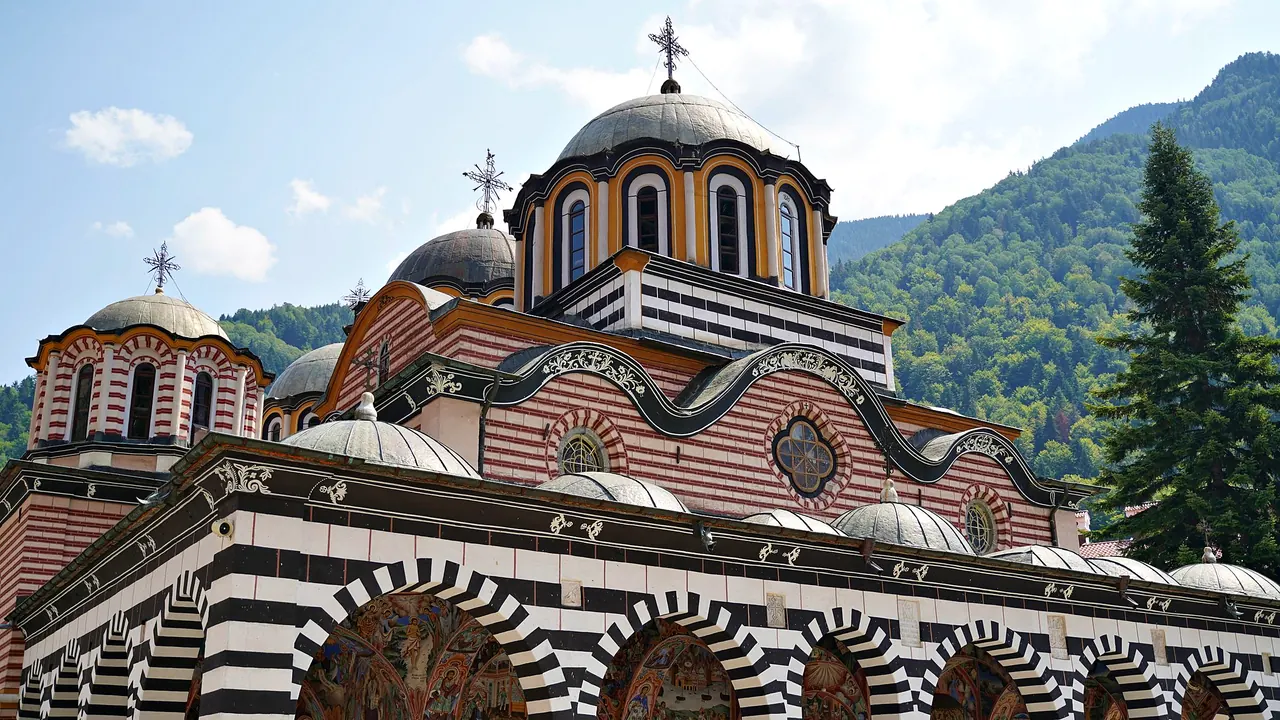
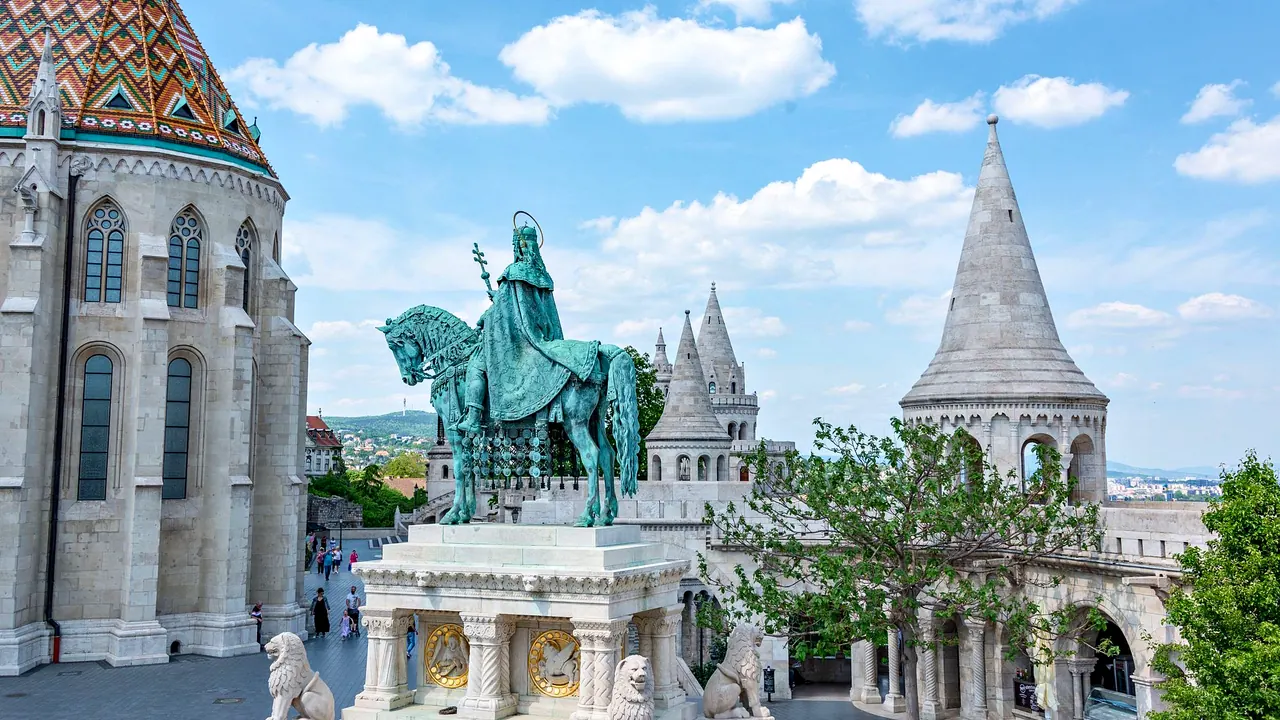
Photos: Bulgaria by Vaan Photography, Pexels License; Hungary by Diego F. Parra, Pexels License.
Bulgaria or Hungary?
Our verdict in twelve categories, each scored against the same fixed benchmark cities, and the climate month by month, so you can choose for your trip.
Choose Bulgaria for
- beaches
- nature and the outdoors
- prices
Bulgaria suits a traveller who wants sea and mountains in the same trip, and wants the money to go further. Its Black Sea coast runs from Varna down past Sozopol to the dunes near Sinemorets, and landlocked Hungary has nothing like it. Rila and Pirin offer real alpine walking all summer. The catch is travel: tying it all together means a hire car or long bus rides.
Choose Hungary for
- wellness
- live music and the arts
- getting around
Hungary is the better choice for a trip built around one great capital and its water. In Budapest you get Danube architecture, the opera, the ruin bars of District VII and thermal baths like the Széchenyi and the Rudas, all reached by tram and metro. Beyond the capital, Hévíz and the shallow south shore of Lake Balaton make it the easier pick for families and for anyone who wants to slow down.
Scoreboard
Twelve categories on one fixed scale from 0 to 100. The shaded stretch is the gap between the two.
Your match
Pick a travel style or drag the sliders, and both match scores follow your weighting.
Wins on beaches and nature and the outdoors with your weighting.
Wins on wellness and live music and the arts with your weighting.
What matters to you?
Category by category
What the scores mean for a trip.
Beaches & swimming
Bulgaria has a real sea coast and Hungary does not, which settles this for most beachgoers. The Black Sea shore has long sandy beaches in every mood: the big resorts of Sunny Beach and Golden Sands, the cliff-backed bays towards Balchik, and the undeveloped dunes and river mouths around Primorsko and Sinemorets. The water is tideless and calm, though greener and less clear than seas further south.
Hungary's answer is lake bathing at Balaton. The south shore at Siófok and Fonyód has shallow water and lawned strands, and the north shore has deeper, reed-fringed spots below Badacsony and Tihany. It is pleasant and very family-minded, but it is a lake, with a shorter season and far less shoreline.
Where in Bulgaria: Southern Black Sea coast, Sozopol, Varna, Sunny Beach
Where in Hungary: Lake Balaton, Lake Velence, Lake Tisza
Food & drink
The two are close for food, and both cook hearty, but in different styles. Bulgaria's strength is produce: summer tomatoes and peppers, sheep's cheese, yoghurt, banitsa and grilled meat, eaten in beamed mehana taverns, with rakia first and a Mavrud or a Melnik red after. Hungary cooks richer and redder, with goulash, paprikash and cream-filled pastries, and Budapest's gilded coffee houses give it a café culture Bulgaria lacks.
Wine gives Hungary a slight edge. Tokaj's sweet wines, the cellars of Eger and the reds of Villány make a wine-country trip easy to plan. In Bulgaria, eat in Plovdiv or Sofia rather than the coastal resorts, where menus turn generic.
Where in Bulgaria: Sofia, Plovdiv, Melnik, Thracian Valley
Where in Hungary: Budapest, Tokaj, Eger, Villány
Culture & sights
Hungary comes out ahead, mostly because of Budapest. The Parliament, Buda Castle and the Danube banks form one continuous panorama, and the National Gallery and the Museum of Fine Arts have the depth of collection that Bulgaria's small museums lack. Pécs, Eger, Esztergom and Pannonhalma add strong sights outside the capital.
Bulgaria's heritage is older in places and more scattered: the Roman theatre in Plovdiv, the medieval walls of Tsarevets at Veliko Tarnovo, Rila Monastery in its forested valley and the painted Thracian tombs near Kazanlak. It rewards a touring trip more than a stay in one city.
Where in Bulgaria: Plovdiv, Veliko Tarnovo, Rila Monastery, Sofia
Where in Hungary: Budapest, Pécs, Eger, Esztergom
Nightlife
Hungary has the better nights out, and the reason is Budapest's District VII. Its ruin bars fill the courtyards of old apartment blocks, and the streets around them run late all year. Siófok on Balaton adds a summer party scene, and student towns like Szeged keep their bars busy during term.
Bulgaria's nightlife is more seasonal and more polarised. Sunny Beach and Varna's seafront clubs go until dawn in high summer, mostly for young groups. For the rest of the year, nights out mean Sofia's bars and clubs or Plovdiv's Kapana quarter, plus glitzy chalga clubs for a taste of local pop-folk.
Where in Bulgaria: Sofia, Sunny Beach, Varna, Plovdiv
Where in Hungary: Budapest, Siófok, Szeged, Pécs
Nature & outdoors
For landscape, Bulgaria is by far the stronger choice. Rila holds Musala, the highest peak in the Balkans, and the classic walk to the Seven Rila Lakes. Pirin above Bansko has alpine granite ridges and hut-to-hut routes, and the Rhodopes add pine forest, the Trigrad gorge and caves. In winter, Bansko and Borovets turn the same mountains into ski country.
Hungary's outdoors is low and gentle: the volcanic hills and vineyards of the Balaton Uplands, forest walks above the Danube Bend, the Bükk and Mátra ranges, and the open puszta of Hortobágy, where cranes pass through in autumn. It suits cyclists and easy walkers rather than anyone looking for real mountains.
Where in Bulgaria: Pirin National Park, Rila Mountains, Rhodope Mountains, Central Balkan
Where in Hungary: Balaton Uplands, Danube Bend, Bükk, Hortobágy National Park
Day trips
Both countries are good for day trips, but they work differently. In Hungary, outings run neatly from Budapest by train or river boat: Szentendre, Visegrád and Esztergom along the Danube Bend, the royal palace at Gödöllő, and Eger. Balaton and Eger make useful second bases.
In Bulgaria, the best excursions need a car and a few bases. From Veliko Tarnovo you can reach Arbanasi, Tryavna and the Etar open-air museum, from Plovdiv Bachkovo Monastery and Asen's Fortress, and from Burgas Sozopol and Pomorie. You go out to see villages and monasteries rather than palaces.
Where in Bulgaria: Veliko Tarnovo, Plovdiv, Burgas, Sofia
Where in Hungary: Danube Bend, Lake Balaton, Eger, Tokaj
Good for families
Hungary is the easier country for families. The south shore of Balaton stays shallow far out, with playgrounds and pedal boats on the strands, and Hajdúszoboszló has a huge water park. Budapest adds the City Zoo, the Children's Railway and Margaret Island, all reachable by tram.
Bulgaria does a good summer beach week, with gently shelving sand and family hotels at Albena or on the quieter southern coast. Away from the sea, though, there is little aimed at children, and long road journeys make touring with young ones tiring.
Where in Bulgaria: Albena, Sozopol, Golden Sands, Veliko Tarnovo
Where in Hungary: Lake Balaton, Budapest, Hajdúszoboszló
Getting around
Hungary is noticeably easier to get around. Budapest's metro, riverside trams and walkable centre make the capital simple, trains run out to Balaton, Eger, Pécs and Szeged, and suburban rail and summer boats serve the Danube Bend. The weak spots are journeys between provincial towns and the north shore of Balaton, where a car helps.
In Bulgaria, Sofia has a tidy metro and the old towns are walkable, but the distances are bigger. Sofia to Burgas is about four hours on the motorway and trains are slow. Monasteries, trailheads and Rhodope villages really need a hire car, on roads that can be rough.
Where in Bulgaria: Sofia, Plovdiv, Burgas, Veliko Tarnovo
Where in Hungary: Budapest, Danube Bend, Lake Balaton south shore
Shopping & style
Neither country is a shopping destination, but Hungary has more to offer. Budapest has the luxury labels of Andrássy Avenue, the chains of Váci utca and small Pest design boutiques. The Great Market Hall sells paprika and salami, and the Ecseri flea market is good for antiques. Regional crafts like Herend porcelain and Zsolnay ceramics also make fine things to take home.
Bulgaria's best buys are smaller and more rustic: rose oil from the Kazanlak valley, Troyan pottery and honey. The pleasantest place to browse is the Samovodska Charshiya craft street in Veliko Tarnovo. Beyond Vitosha Boulevard and the malls in Sofia, there is little to shop for.
Where in Bulgaria: Sofia, Veliko Tarnovo, Plovdiv
Where in Hungary: Budapest, Herend, Pécs, Kalocsa
Affordability
Bulgaria stretches a budget further. Tavern meals, local wine, buses, guesthouses and entry to monasteries and fortresses are all cheap, and Plovdiv, Veliko Tarnovo and the Rhodope villages are especially easy on the wallet. Costs rise in central Sofia, on the coast in July and August and in the ski resorts in winter, though package beach stays stay modest.
Hungary is moderately priced rather than cheap. Central Budapest accommodation is the main expense, and Balaton gets dearer in July and August. Still, baths, transport and market food stay reasonable, and Eger, Pécs or Szeged cost noticeably less than the capital.
Where in Bulgaria: Rhodope Mountains, Veliko Tarnovo, Plovdiv
Where in Hungary: Pécs, Eger, Szeged, Budapest
Live music & performing arts
Hungary has far more on stage. In Budapest you can choose between the State Opera on Andrássy Avenue, a concert in the Liszt Academy's Art Nouveau hall, operetta, jazz and táncház evenings of folk dancing. Beyond that come Szeged's open-air summer opera and the Sziget festival in August.
In Bulgaria, the formal arts are mostly in Sofia, at the National Opera and Ballet and at Bulgaria Hall. Its most distinctive offer comes in summer: opera in Plovdiv's Roman theatre and the harsh close-harmony folk singing of mountain festivals, though hearing it takes some planning.
Where in Bulgaria: Sofia, Plovdiv, Varna
Where in Hungary: Budapest, Szeged, Pécs, Miskolc
Wellness & relaxation
Both countries sit on mineral springs and treat bathing as an everyday habit, but Hungary has made it an art. Budapest's Széchenyi, Rudas and Lukács baths are worth the trip in themselves. With Hévíz's warm lake, the cave bath at Miskolctapolca and resort towns like Bük and Sárvár, you can plan a spa week almost anywhere in the country.
Bulgaria's version is quieter and plainer: pools and spa hotels among Velingrad's pine forests, springs at Hisarya and Sandanski, and healing mud from the salt lake at Pomorie. Treatments are inexpensive, but there are no grand historic bathhouses to match Budapest's.
Where in Bulgaria: Velingrad, Hisarya, Sandanski, Pomorie
Where in Hungary: Budapest, Hévíz, Hajdúszoboszló, Bük and Sárvár
When should you go?
Pick your month, and for a country the place in it. The climate figures are measured averages, not a forecast.
Where in Bulgaria
Sofia (Bulgaria) in July
Budapest (Hungary) in July
Daytime high, °C
Rainfall in the month, mm
Temperature and rainfall are climate normals, averaged over the years shown. Sofia (Bulgaria): 1991-2020 normals, Sofia Observ. (7.3 km from centre). Budapest (Hungary): 1991-2020 (sunshine 1981-2010, rainfall 1981-2010) normals, Budapest Met Center (2.1 km from centre).
The two countries share a continental pattern. Winters are cold, with both Sofia and Budapest at about 4°C in January, and summers are warm. For walking city streets, May, June and September are the most comfortable months in Sofia, Plovdiv and Budapest alike. July and August bring highs of about 28°C in both capitals, warm but manageable. Late spring and early summer are the wettest stretch in each, with Sofia at its wettest in June at 78mm.
The beach season is where they part. On Bulgaria's coast at Varna the sea reaches 24°C in July and stays warm into early September, with long sunny days, so July to mid-September is the time for the Black Sea. June is fresher. Hungary's lake bathing at Balaton lasts only from June to early September. For the rest of the year, swimming in Hungary moves into the thermal pools, which work in any month, even the coldest. Bulgaria's mountains are at their best for hiking from June to September and turn to skiing in winter.
Which traveller are you?
For an outdoors trip, Bulgaria leads again. Rila and Pirin have granite ridges, glacial lakes and hut-to-hut routes, and the Rhodopes add gorges, caves and pine forest. Hungary's Bükk and Mátra hills and the Danube Bend are pleasant, but gentle by comparison.
On a relaxing and wellness trip, Hungary is the stronger choice by far. Bathing in Budapest's Széchenyi, Rudas and Lukács baths is part of everyday life there, and spa towns like Hévíz, with its warm lake of water lilies, suit a whole unhurried week. Bulgaria's springs are cheaper but plainer.
More comparisons
Each shares a side with Bulgaria or Hungary.
Where else could you go?
Set Bulgaria or Hungary against any other country.