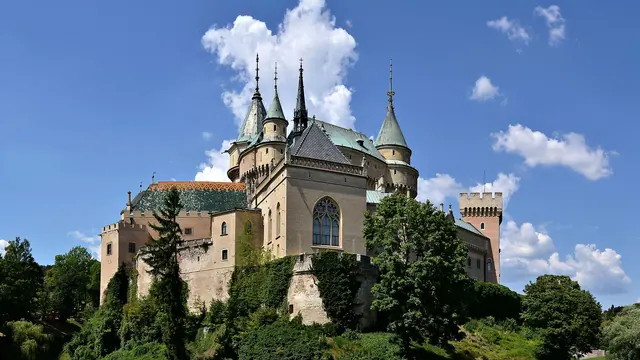
Photos: Poland by DerHexer, derivative work by Carschten, CC BY-SA 3.0, cropped; Germany by Llez, CC BY-SA 3.0, cropped.
Poland or Germany?
Our verdict in twelve categories, each scored against the same fixed benchmark cities, and the climate month by month, so you can choose for your trip.
Choose Poland for
- prices
Poland suits a traveller who wants a lot of history for a modest outlay. Krakow's Old Town, Wawel and Kazimierz, Warsaw's rebuilt centre and its war and Jewish history museums, and Gdansk's merchant houses make a strong two or three city trip. Milk bars, cheap trains and good city hotels let the money last, and the Tatras and Masurian Lakes are there for a week outdoors.
Choose Germany for
- wellness
- live music and the arts
- shopping
Germany is the deeper choice for nearly everything else. Its opera houses and concert halls, its spa towns and sauna culture, Berlin's club nights and the zoos and theme parks for children all go well beyond Poland's, and the train network makes moving between them easy. Expect Western European prices, though, especially in Munich, Hamburg and the resorts.
Scoreboard
Twelve categories on one fixed scale from 0 to 100. The shaded stretch is the gap between the two.
Your match
Pick a travel style or drag the sliders, and both match scores follow your weighting.
Wins on prices with your weighting.
Wins on wellness and live music and the arts with your weighting.
What matters to you?
Category by category
What the scores mean for a trip.
Beaches & swimming
Neither country is a warm-water destination, and the Baltic is cool off both coasts, so the choice comes down to what kind of beach you want. Poland has the wilder sand: the Hel Peninsula with open sea on one side and a sheltered bay on the other, and the empty beaches beside the moving dunes at Leba, with Sopot's pier for a classic resort.
Germany's Baltic islands, Usedom and Rügen, are more about old resort piers, villas and rows of wicker beach chairs, and Sylt adds wind-blown North Sea dunes with big tides. Inland, Poland swims in the Masurian Lakes and Germany in the lakes of Upper Bavaria and Mecklenburg.
Where in Poland: Hel Peninsula, Leba and the Slowinski coast, Sopot, Masurian Lakes
Food & drink
Germany eats better, mostly because of its regions. Riesling in Moselle wine taverns, smoked beer and family breweries in Franconia, Munich's beer gardens and the Viktualienmarkt, and Berlin's range from Turkish street food to fine dining add up to more reasons to plan a trip around meals.
Poland's cooking is narrower but honest and good value: pierogi, zurek and barszcz in the milk bars, wild mushrooms in autumn, and a real tasting culture around flavoured vodka. Krakow's Kazimierz, with its cellar restaurants and late food stands, is the most enjoyable place to eat.
Culture & sights
Both are excellent for sightseeing, but Germany has more of it and spreads it wider. Museum Island and the Wall in Berlin, Cologne Cathedral, Dresden's Zwinger and Frauenkirche, the Bauhaus sites in Dessau and Weimar and medieval towns such as Bamberg and Regensburg fill a much longer itinerary.
Poland's heritage is more concentrated and, in places, more affecting. Krakow puts the Market Square, Wawel and Kazimierz within a short walk, and Warsaw's Rising Museum and POLIN tell the twentieth century with real force. Gdansk, Wroclaw and Gothic Torun round out a shorter but rich circuit.
Nightlife
Germany offers the bigger night out, and Berlin is the reason: clubs that run from Saturday into Monday and bar districts across Kreuzberg and Friedrichshain. Hamburg's Reeperbahn and Schanze, Cologne's Kölsch pubs and carnival, and Leipzig's student scene give several other strong options.
Poland's nights are about bars more than clubs, and they are cheaper and late-running. Krakow's vaulted Old Town cellars and the looser courtyards of Kazimierz are the highlight, with Warsaw's electronic nights and Vistula summer bars next, though Krakow's weekend stag groups will not suit everyone.
Nature & outdoors
Germany has the edge for a trip built on the outdoors, mainly through variety and easy access. Hut-to-hut hiking under the Zugspitze, the sandstone towers of Saxon Switzerland, Black Forest trails and the cycle paths along the Rhine and Moselle cover most tastes.
Poland's landscapes are wilder in places. The Tatras above Zakopane give compact alpine hiking to Morskie Oko, Bialowieza Forest has wild bison in primeval woodland, and the Masurian Lakes and empty Bieszczady ridges reward those willing to travel further.
Where in Poland: Tatra Mountains, Masurian Lakes, Bialowieza Forest, Bieszczady
Where in Germany: Bavarian Alps, Black Forest, Saxon Switzerland, Rhine and Moselle valleys
Day trips
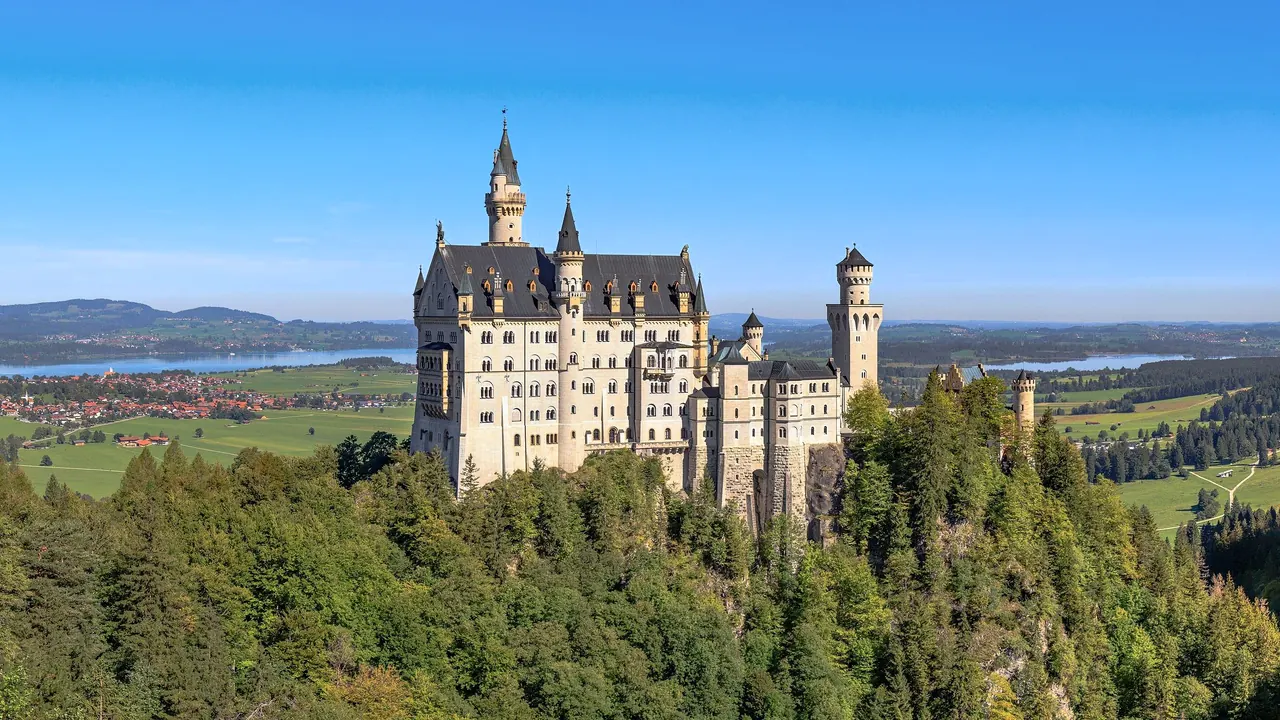
Germany is the better country to explore from a base. Munich reaches Neuschwanstein, Regensburg and Salzburg, Frankfurt reaches Heidelberg and the Rhine Gorge, Dresden has Meissen and Nuremberg has Bamberg, most an hour or two by train.
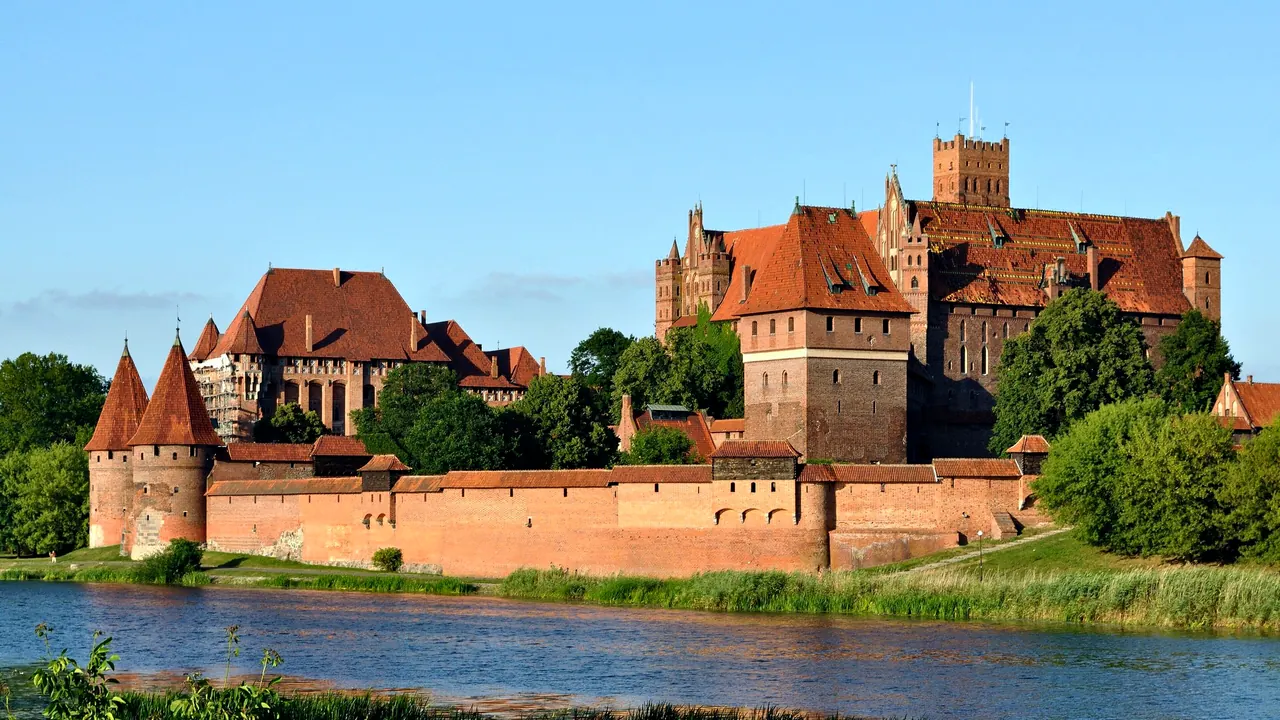
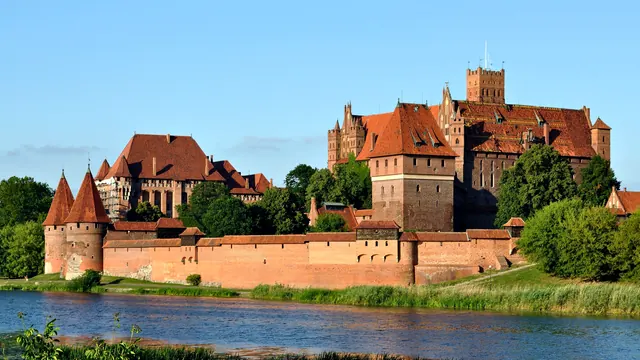
In Poland, the outings depend on where you stay. Krakow is excellent, with Auschwitz-Birkenau, the Wieliczka salt mine and Zakopane, and Gdansk has Malbork castle nearby, but from Warsaw the choices thin out.
Good for families
Germany is the easier country with children. Europa-Park is worth several days on its own, the zoos of Berlin and Leipzig are among Europe's best, and Munich's Deutsches Museum and Hamburg's model railway keep all ages busy, with calm trains in between.
Poland still works well and costs much less. The theme park at Zator near Krakow, Warsaw's Copernicus Science Centre and the bronze dwarfs of Wroclaw are real highlights, but the long distances between them take more effort.
Where in Poland: Krakow, Warsaw, Wroclaw, Baltic coast
Where in Germany: Black Forest and Europa-Park, Munich, Berlin, Hamburg
Getting around
Germany is simpler to cross without a car. ICE trains link the big cities, regional lines reach almost every town, and boats and trains on both banks of the Rhine make hopping between castle villages easy, though late trains mean leaving some slack.
Poland's intercity rail and city trams are good, and a Warsaw, Krakow and Gdansk trip runs smoothly. The gaps show further out: Gdansk to Krakow is a long half-day, and the Masurian Lakes, the Bieszczady and Bialowieza really need a car.
Shopping & style
Germany has far more to offer a shopper. The Kurfürstendamm and KaDeWe in Berlin, the luxury streets of Munich and Düsseldorf, and Meissen porcelain and Erzgebirge wooden toys give range, and the winter Christmas markets in Nuremberg and Dresden are a reason to come in themselves. Remember that shops close on Sundays.
Poland is mostly about crafts: Baltic amber on Mariacka Street in Gdansk and in Krakow's Cloth Hall, and blue-patterned Boleslawiec stoneware. Fashion shopping beyond Warsaw's malls is thin.
Where in Poland: Gdansk, Krakow, Warsaw, Boleslawiec
Where in Germany: Berlin, Munich, Düsseldorf, Nuremberg
Affordability
Poland goes much further on the same budget. Milk bars, cheap beer and local trains, and comfortable hotels well below Western levels make Krakow, Wroclaw, Lublin and Torun especially easy, with only Warsaw and the peak-season resorts costing more.
Germany costs what Western Europe usually does. Leipzig and Dresden are the cheapest bases and regional rail passes help, but Munich, Hamburg and Sylt are clearly expensive.
Live music & performing arts
Germany is one of the great countries in the world for music and stage. Berlin has three opera houses and the Berlin Philharmonic, Dresden the Semperoper, Leipzig the Gewandhaus and Hamburg the Elbphilharmonie, and even medium-sized towns run full seasons of opera and ballet, with Bayreuth crowning the summer.
Poland's offer is smaller but distinctive. Summer Chopin recitals in Warsaw's Lazienki Park, the Grand Theatre and cellar jazz in Krakow are the best ways in, since most theatre is performed in Polish.
Wellness & relaxation
For a restful trip, Germany is far ahead. Baden-Baden's Friedrichsbad and Caracalla baths, historic Wiesbaden and the many towns named Bad are built around taking the waters, and every city has large thermal and sauna complexes with textile-free saunas and quiet rest rooms.
Poland's spa towns, such as Krynica-Zdroj and Ciechocinek with its salt-mist towers, feel more like sanatoria. Its most enjoyable soak is in Podhale's outdoor thermal pools facing the Tatras on a winter evening.
Where in Poland: Podhale and Zakopane, Krynica-Zdroj, Ciechocinek, Kolobrzeg
Where in Germany: Baden-Baden, Wiesbaden, Bad Reichenhall, Lower Bavarian spa triangle
When should you go?
Pick your month, and for a country the place in it. The climate figures are measured averages, not a forecast.
Where in Poland
Where in Germany
Warsaw (Poland) in July
Berlin (Germany) in July
Daytime high, °C
Rainfall in the month, mm
Temperature and rainfall are climate normals, averaged over the years shown. Warsaw (Poland): 1991-2020 normals, Warszawa-Okecie (7.7 km from centre). Berlin (Germany): 1991-2020 normals, Berlin / Alexanderplatz (0.9 km from centre).
The two countries share a central European year. Summers are warm in every city and winters are cold, but Poland's are harsher: Warsaw manages only about 1°C by day in January, while Cologne, on the Rhine, stays near 6°C and is the mildest German base for a winter city break or the Christmas markets. Spring and early autumn, May, June and September, are the most comfortable months for walking the streets in both.
For the Baltic, only July and August count. The sea off Gdansk reaches about 19°C in August and is cold the rest of the year. Summer is also the wettest time in the hills. Zakopane, the base for the Tatras, gets about 176mm of rain in July, and Munich, the gateway to the Bavarian Alps, has over 100mm a month from May to August, so mountain trips need a flexible day or two. Sunshine peaks in Warsaw, which gets more summer sun than any of the German cities.
Which traveller are you?
For a relaxing and wellness trip, Poland offers a hot-spring soak as a bonus on a Tatras trip. In Germany, rest can be the whole point: settle into Baden-Baden or Bad Reichenhall for a week, or pair a Black Forest spa hotel with autumn walks.
On a family trip with children, Poland works well and cheaply from Krakow, with the Zator theme park and the Wieliczka salt mine both near the city. Germany gives more to fill the days: several days at Europa-Park near Freiburg, or Berlin and Leipzig, two of Europe's best zoos a short train ride apart.
More comparisons
Each shares a side with Poland or Germany.
Where else could you go?
Set Poland or Germany against any other country.