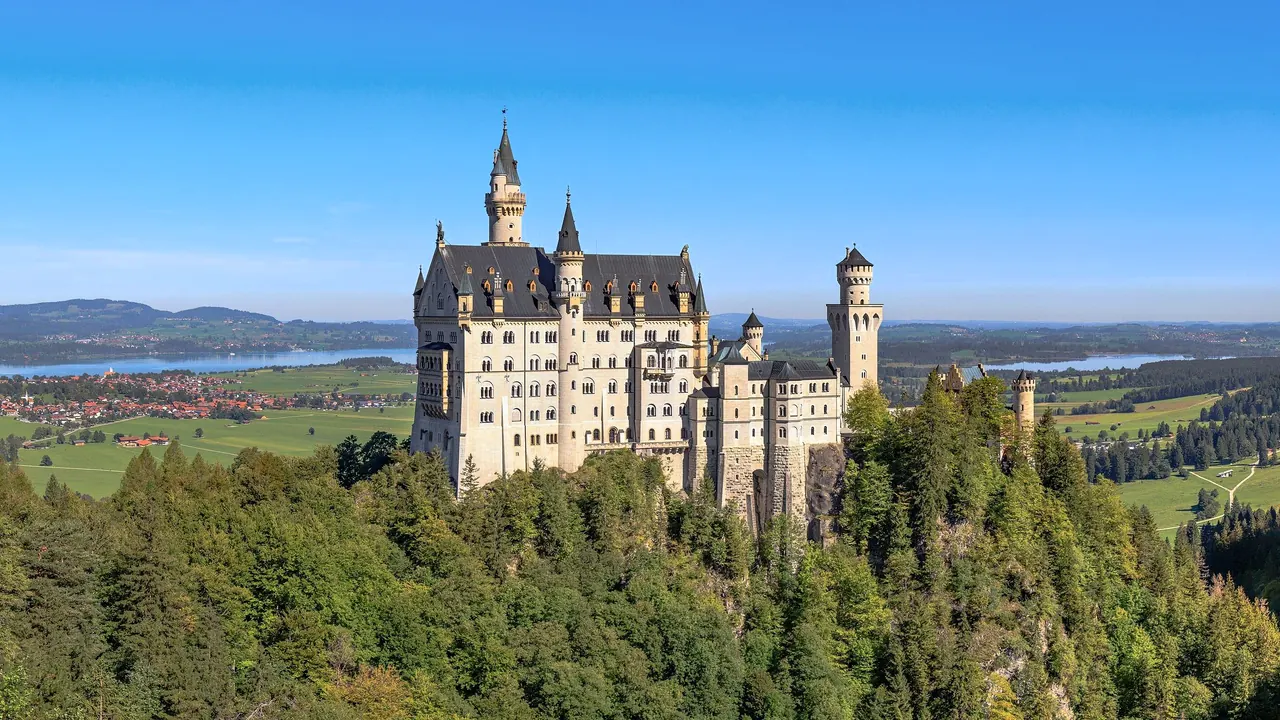
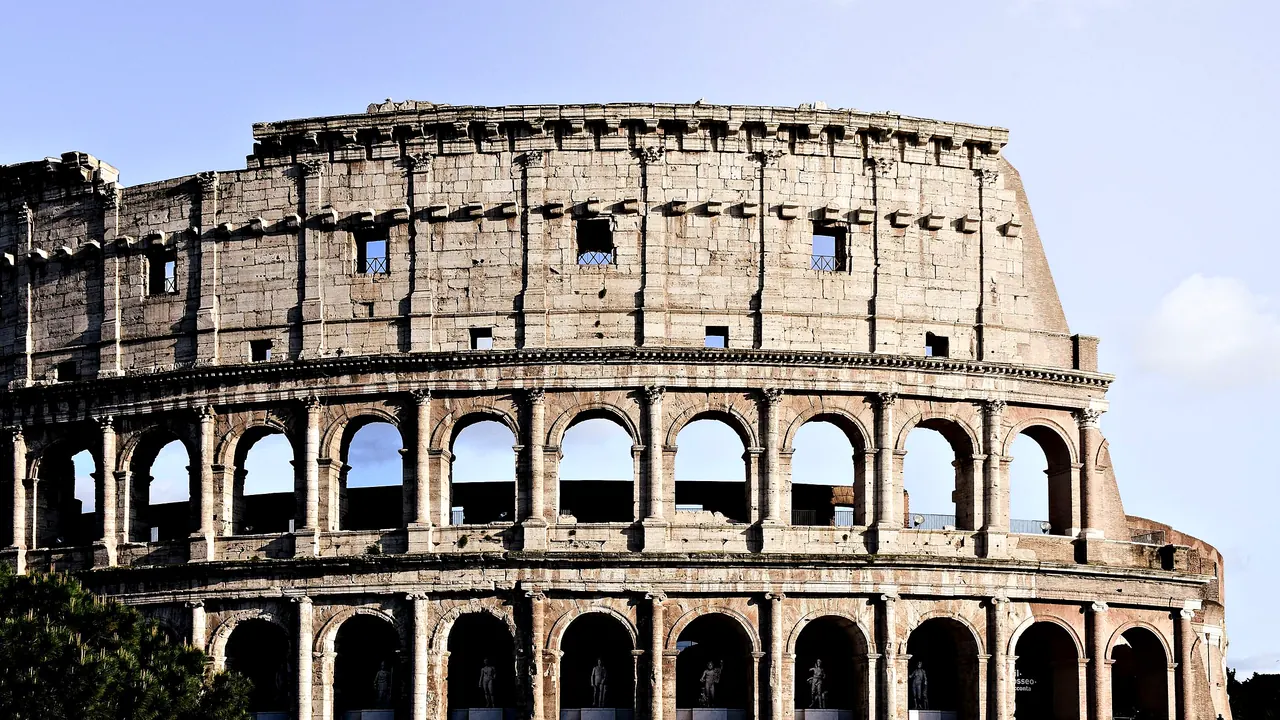
Photos: Germany by Llez, CC BY-SA 3.0, cropped; Italy by AXP Photography, Pexels License.
Germany or Italy?
Our verdict in twelve categories, each scored against the same fixed benchmark cities, and the climate month by month, so you can choose for your trip.
Choose Germany for
- nightlife
- live music and the arts
- families
Germany suits travellers who want an easy, well-organised trip with plenty to do after dark. Its evenings are its strength: Berlin's clubs and Hamburg's late bars, and an opera house, orchestra or theatre in almost every town. It is also the calmer choice with children, with big zoos, hands-on museums and trains that make moving between cities simple. Come in the warm months for city life, lakes and riverside cycling, or in winter for the Christmas markets and the spas.
Choose Italy for
- beaches
- food and drink
- shopping
Italy is the stronger pick for the classic summer escape that mixes sea, food and sightseeing. Warm, clear water in Sardinia and Sicily, everyday meals cooked well in every region, and heritage from Pompeii to the Renaissance give it a depth that Germany cannot match. The Dolomites and the lakes add mountain scenery, and Milan and Florence are better places to shop. It asks for more planning off the fast rail line, but the rewards are greater for anyone who travels to look, eat and swim.
Scoreboard
Twelve categories on one fixed scale from 0 to 100. The shaded stretch is the gap between the two.
Your match
Pick a travel style or drag the sliders, and both match scores follow your weighting.
Wins on nightlife and live music and the arts with your weighting.
Wins on beaches and food and drink with your weighting.
What matters to you?
Category by category
What the scores mean for a trip.
Beaches & swimming
Italy wins this easily. Sardinia has white sand and clear turquoise water around the Costa Smeralda and the Maddalena islands, Sicily has San Vito Lo Capo and its small islands, and Salento and the Tropea coast add more. The sea is warm through the summer, although much of the mainland shore is lined with paid lidos.
Germany's beaches are a northern pleasure rather than a reason to travel. Usedom and Rügen have long sandy strands with wicker beach chairs, Sylt has wild dunes, and the sea struggles to pass 20°C. The Upper Bavarian lakes often make the nicer swim.
Food & drink
Italy is one of the world's great places to eat, and it shows in ordinary meals: fresh egg pasta in Emilia-Romagna, pizza in Naples, carbonara in Rome, arancini and market stalls in Palermo, with wine from almost every region. A short walk away from the biggest sights is usually enough to eat very well.
Germany rewards a visitor who follows the drink. Munich's beer gardens, Franconia's village breweries and smoked beer, and the Riesling taverns of the Moselle are the high points, and Berlin has the widest range of food, from Turkish and Vietnamese to fine dining. Away from these places, the cooking can feel heavy.
Culture & sights
Germany's heritage covers many periods and is spread along its rail lines. In Berlin, the Reichstag, the Brandenburg Gate and the traces of the Wall tell the story of the twentieth century, while Museum Island, Cologne Cathedral, Dresden's Zwinger and the medieval streets of Regensburg and Rothenburg go back much further. The Bauhaus in Dessau and Weimar adds modern design. War damage means some city centres were rebuilt.
Italy goes deeper still, with more of the very first rank. The Colosseum and the Vatican in Rome, the Uffizi and David in Florence, St Mark's and the Doge's Palace in Venice, and Pompeii under Vesuvius are each worth a trip on their own. Sicily's Greek temples and Arab-Norman churches would fill another.
Nightlife
Germany has the bigger night out. Berlin's club culture runs from Saturday into Monday, with bars across Kreuzberg and Friedrichshain, Hamburg has the Reeperbahn and the Schanze, and Cologne's Kölsch pubs and Leipzig's student clubs add more choice.
Italian evenings are about company more than dancing: aperitivo, a long dinner and drinks in a piazza in Trastevere or Brera. Milan's Navigli and its clubs are the main exception. Big clubbing happens in summer on the coast, around Rimini, in Gallipoli and on the Costa Smeralda, and most towns are quiet after midnight.
Where in Germany: Berlin, Hamburg, Cologne, Leipzig
Where in Italy: Milan, Rome, Adriatic Riviera, Costa Smeralda
Nature & outdoors
Italy has the more dramatic and varied landscapes. The pale towers of the Dolomites, Mont Blanc and Gran Paradiso in the west, the deep lakes of Como and Garda, the cliff paths of the Amalfi Coast and the climbable volcanoes of Etna and the Aeolians cover mountains, water and fire.
Germany is mostly gentle country with one high edge. The Bavarian Alps around the Zugspitze and Königssee give real mountain hiking, while the Black Forest, the sandstone towers of Saxon Switzerland and the Rhine and Moselle valleys suit hiking and some of Europe's best riverside cycling.
Where in Germany: Bavarian Alps, Black Forest, Saxon Switzerland, Rhine and Moselle valleys
Where in Italy: Dolomites, Aosta Valley, Italian Lakes, Amalfi Coast
Day trips
Germany's day trips are dependable and close together, most of them a train ride of an hour or two. From Munich you can reach Neuschwanstein, Augsburg and Salzburg across the border, Frankfurt has Heidelberg and the castle villages of the Rhine Gorge, Dresden has Meissen and the Saxon palaces, and Nuremberg is close to Bamberg and Rothenburg.
Italy gives you more famous places from each base. From Florence you can reach Siena, Lucca and the Chianti hills, and from Naples Pompeii, Capri, Sorrento and the Amalfi Coast, each a comfortable day out. Bologna is the tightest cluster, with Parma, Ferrara and the mosaics of Ravenna all under about an hour by train.
Good for families
Germany is the easier country with children. The zoos in Berlin and Leipzig, Europa-Park and Legoland, Munich's Deutsches Museum and Hamburg's giant model railway fill days without strain, and clean, safe cities and calm trains help.
Italy wins on warmth towards children, who are welcome at late dinners everywhere. Its best family trips are by the water: the shallow sandy beaches of the Adriatic Riviera, Gardaland on Lake Garda and Genoa's aquarium. Rome, Florence and Venice in summer heat are harder on small children.
Where in Germany: Black Forest and Europa-Park, Munich, Berlin, Hamburg
Where in Italy: Adriatic Riviera, Lake Garda, Dolomites, Genoa
Getting around
Germany is easier to travel without a car. ICE trains link the big cities, regional lines reach almost every town of interest, and the Rhine Valley has railways on both banks and river boats between the villages. Delays and missed connections are the main weak point, so leave slack in the plan.
Italy's fast line from Turin and Milan through Bologna, Florence and Rome to Naples is excellent, and the old centres are best walked. Away from that line, the Tuscan hill towns, the Dolomites, Puglia and the islands really call for a car, a ferry or a domestic flight.
Shopping & style
Italy is the place for fashion and craft. Milan's Quadrilatero della Moda and the Galleria hold the big Italian houses, Florence sells leather from San Lorenzo to the Oltrarno workshops, and each region has its own speciality, from Murano glass to Vietri ceramics.
Germany's best buys are crafts too, from Meissen porcelain to Erzgebirge nutcrackers and Black Forest cuckoo clocks, alongside KaDeWe and the Königsallee. Its Christmas markets make winter the best shopping season, and Sunday closing everywhere means planning around the weekend.
Where in Germany: Berlin, Munich, Düsseldorf, Nuremberg
Affordability
The two cost about the same overall, and in both the bill depends on where you stay. In Germany the eastern cities of Leipzig and Dresden are the cheapest, Berlin is moderate, and Munich, Sylt and the Alpine resorts are pricey. Regional rail passes keep travel costs down.
Italy's cheaper side is the south and the interior, with Sicily, Puglia, Calabria and Umbria, while Venice, Capri, Lake Como and the Amalfi Coast are expensive in summer. Coffee at the bar and simple trattoria meals are fair everywhere, though loungers and major sites add up.
Live music & performing arts
Germany offers more live performance, and in more places. Berlin alone has three opera houses and the Philharmonic, Dresden has the Semperoper, Leipzig the Gewandhaus, and Hamburg the Elbphilharmonie. Even medium-sized towns run full seasons of opera, ballet and plays from September to June, and there is good jazz and club music too.
Italy's strength is opera itself, at La Scala, the San Carlo in Naples and La Fenice. In summer the music moves outdoors to the Arena in Verona and the Baths of Caracalla. Beyond opera there is less, since spoken theatre is in Italian.
Wellness & relaxation
Both have a thermal tradition dating back to Roman times, but the experience differs. Germany is about ritual indoors: the Friedrichsbad in Baden-Baden, quiet spa towns called Bad, and a serious, textile-free sauna culture with scheduled infusions, at its best in autumn and winter.
Italy puts its springs in the landscape. Ischia has thermal gardens on terraces above the sea, Saturnia has open-air cascades, the Euganean Hills specialise in mud treatments, and Merano has baths beneath the mountains.
Where in Germany: Baden-Baden, Wiesbaden, Bad Reichenhall, Lower Bavarian spa triangle
When should you go?
Pick your month, and for a country the place in it. The climate figures are measured averages, not a forecast.
Where in Germany
Where in Italy
Berlin (Germany) in July
Rome (Italy) in July
Daytime high, °C
Rainfall in the month, mm
Where the figures come from
Rome (Italy)'s sunshine is measured 31 km from the centre, at Vigna Di Valle.
Temperature and rainfall are climate normals, averaged over the years shown. Berlin (Germany): 1991-2020 normals, Berlin / Alexanderplatz (0.9 km from centre). Rome (Italy): 1991-2020 normals, Roma / Ciampino (15.1 km from centre).
Germany is at its best from May to September, when Berlin, Munich, Hamburg and Cologne all have long, bright days and highs reach about 25°C in July and August, warm enough for beer gardens, lake swimming and the Baltic resorts. Munich gets much of its rain in early summer, around 120mm a month from May to August, so an umbrella belongs in the bag even then. From November to February the days are short, grey and close to freezing, which suits indoor sights, concerts and saunas more than walking.
Italy runs warmer all year and its best seasons are split. Spring and autumn are the times for walking Rome, Florence and Venice, because July and August get very hot inland, with Florence reaching about 33°C. Those same summer months are the beach season, as the sea off Sicily reaches 27°C in August and stays pleasant for swimming into September and October. Late autumn turns wet in the south, with Naples taking around 163mm in November, while Sicily keeps mild days through the winter.
Which traveller are you?
More comparisons
Each shares a side with Germany or Italy.
 Austria vs Germany
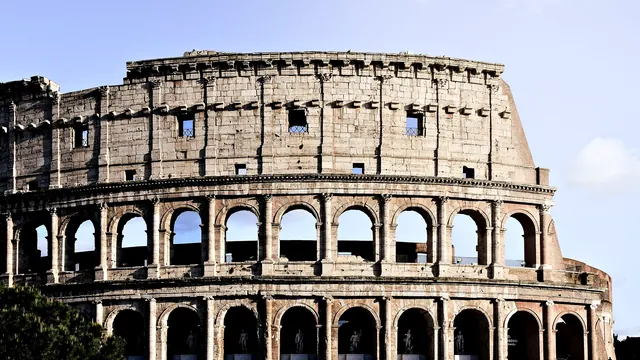 Austria vs Italy
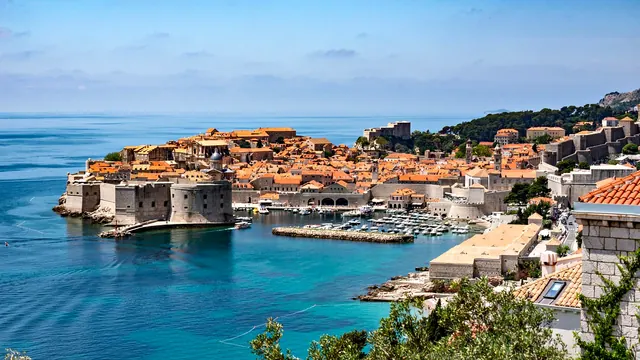 Croatia vs Italy
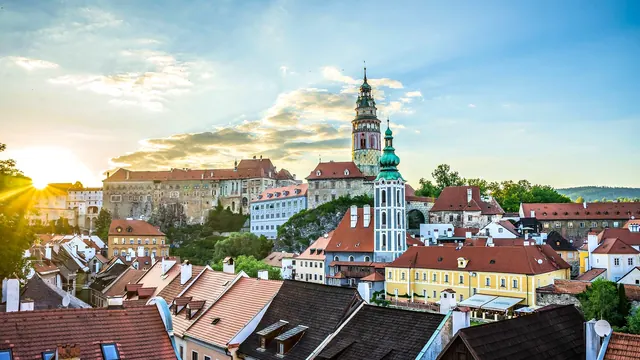 Czechia vs Germany
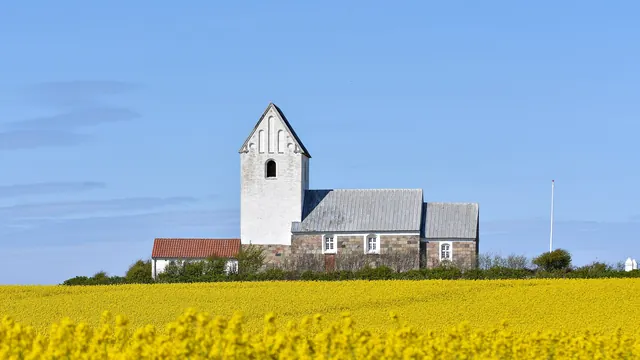 Denmark vs Germany
 France vs Germany
- France vs Italy
 Germany vs Belgium
 Germany vs Switzerland
 Greece vs Italy
 Italy vs Malta
 Italy vs Portugal
 Italy vs Slovenia
 Italy vs Spain
- Italy vs Switzerland
 Netherlands vs Germany
 Norway vs Germany
 Poland vs Germany
Where else could you go?
Set Germany or Italy against any other country.