Italy
Lake Como
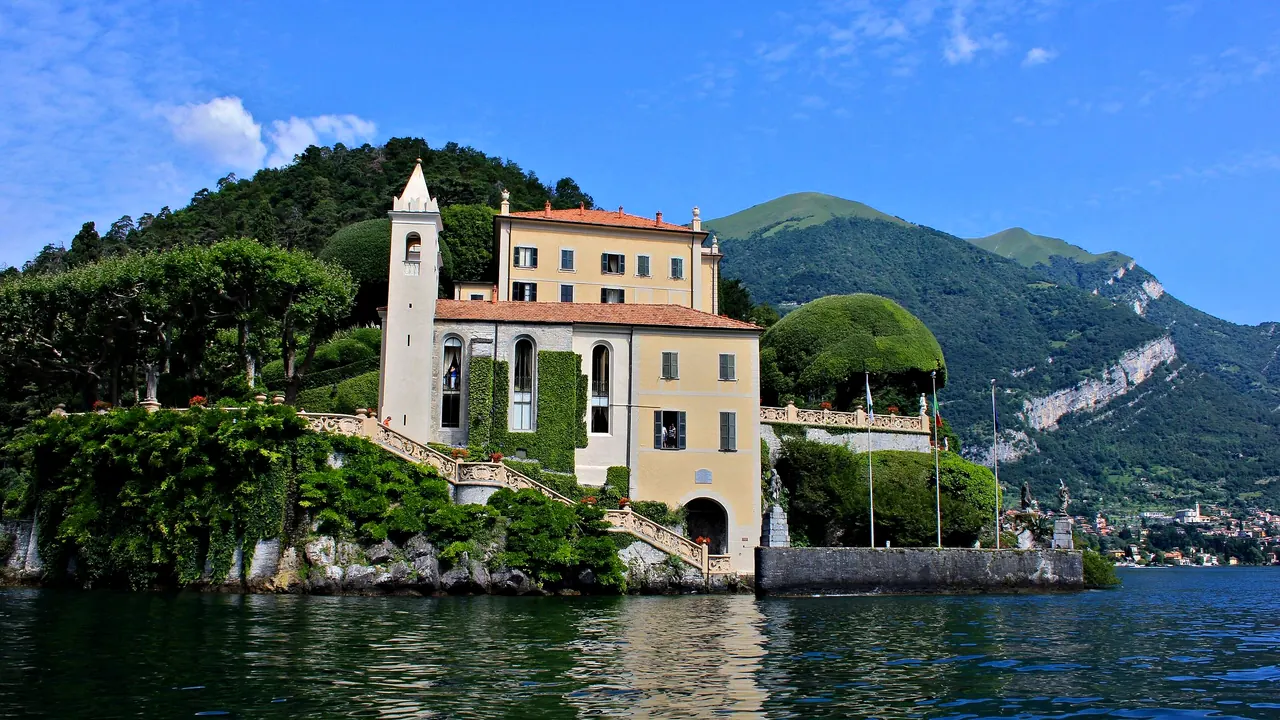
Villa del Balbianello on its point on Lake Como
- Nature & outdoors82
- Day trips80
- Culture & sights62
Photo: Navin75, CC BY-SA 2.0, cropped
Match
50
Every category weighted equally
- Beach & sun50
- Culture & arts50
- Food & nightlife45
- Family trip52
- Outdoors58
- Relax & unwind53
- Shopping & style48
- On a budget47
Lake Como in twelve categories
Our verdict on each, scored 0 to 100 against the same fixed benchmark cities, so a score means the same thing on every page.
Beaches & swimming. Scores 45 out of 100.
Food & drink. Scores 55 out of 100.
Culture & sights. Scores 62 out of 100.
Nightlife. Scores 22 out of 100.
Nature & outdoors. Scores 82 out of 100.
Day trips. Scores 80 out of 100.
Good for families. Scores 42 out of 100.
Getting around. Scores 52 out of 100.
Shopping & style. Scores 42 out of 100.
Affordability. Scores 28 out of 100.
Live music & performing arts. Scores 32 out of 100.
Wellness & relaxation. Scores 55 out of 100.
Lake Como category by category
Beaches & swimming
45There are no sandy beaches here in any real sense. Swimming on Lake Como means a lido, a pebble strip or a stone jetty: the lidos at Bellagio, Lenno and Menaggio on the central lake, and longer, more open shores on the upper lake around Gravedona, Domaso and Colico. In July and August the surface water reaches about 23°C to 24°C, and a swim off a jetty between ferry rides is one of the real pleasures of a summer stay.
The swimming season runs roughly from late June to early September. The lake drops off steeply, the water is cooler a metre down, and the southern basin around Como town is better avoided. Bathing is a pleasant part of a lake vacation here, but it is not the reason anyone comes.
Food & drink
55The local cooking is lake and mountain food. Perch fillets fried in butter with sage, served on risotto, are the classic plate. Missoltini, sun-dried and salted shad, are the old local speciality, and polenta, game and Valtellina cheeses come down from the valleys to the north. The best meals tend to be in family trattorias in the hill villages above the shore, and in crotti, rustic places set against the cool rock where wine was once stored.
The lakefront towns lean towards the expensive and the generic, with terraces aimed at day-trippers, though the grand villa hotels run serious dining rooms. Wine comes from the Valtellina's terraced Nebbiolo slopes. Range is narrow: there is little street food and not much beyond Italian cooking.
Culture & sights
62The great sights are the lakeside villas and their gardens, built by Milanese aristocrats and later industrialists over four centuries. Villa Carlotta, with its neoclassical sculpture and spring azaleas, Villa del Balbianello on its wooded point at Lenno, and Villa Melzi at Bellagio are the best known, and Villa Monastero at Varenna and Villa Olmo at Como round out the set. Most are reached by boat.
Como town has a fine marble cathedral, the Romanesque churches of Sant'Abbondio and San Fedele, and medieval walls. It also has an unusual group of 1930s rationalist buildings, led by Terragni's Casa del Fascio. The Abbey of Piona and the Tempio Voltiano add to the list. There are no major museums. The appeal lies in the villas and the old villages themselves, Bellagio, Varenna and Tremezzo above all.
Nightlife
22Evenings are about dinner and a drink on a terrace by the water. Como town has a handful of wine bars and cocktail bars in the old centre and along the lakefront, and summer brings some lakeside lounge bars and the odd party night. In Bellagio, Varenna and Menaggio the waterfront empties once the last ferry has gone. Anyone wanting a real night out takes the train to Milan.
Nature & outdoors
82This is a long, deep glacial lake shaped like an inverted Y, with mountains climbing straight out of the water to over 2,000m. The scenery of wooded slopes, terraced villages and snow on the northern peaks into spring is the reason most people come. Walkers have the Greenway del Lago along the western shore, the old Sentiero del Viandante mule track above the eastern shore, and summit routes on the Grigna massif above Lecco and Monte San Primo above Bellagio. A funicular climbs from Como to Brunate for views across to the Alps.
On the water, the steady afternoon breva wind makes the upper lake around Domaso and Colico a serious windsurfing and kitesurfing spot. Kayaking, sailing and paragliding are well established. Spring and early autumn are best for hiking.
Day trips
80Milan is about an hour by train from Como or Varenna, close enough for the Duomo, Leonardo's Last Supper and an evening at La Scala before heading back. Bergamo's walled upper town is a similar distance from Lecco. Across the Swiss border, Lugano and its lake are under an hour from Como. The Borromean Islands on Lake Maggiore make a longer but feasible day.
The lake itself makes for easy outings. A ferry hop between Bellagio, Varenna, Menaggio and Tremezzo fills a day with no planning. To the north, the Valtellina's terraced vineyards and Sondrio are within reach. Further on, the Bernina line towards Tirano and St Moritz is possible, but it makes a very long day.
Good for families
42Lake Como is safe and calm and children are welcome, but very little here is made for them. Boat rides between villages, the funicular up to Brunate, a lido in summer and gelato on the waterfront make good days with younger children. Families with older children can add easy hikes and kayaking. Villa gardens work better than villa interiors.
The drawbacks are practical. Villages such as Bellagio and Varenna are built on steep stepped lanes, the shore roads are narrow with few pavements, and many lake hotels cater to couples. The upper lake, with its campsites and flatter shores near Domaso and Colico, is the easiest base for families.
Getting around
52The lake's ferries are the natural way to travel. Passenger boats and car ferries cross the central basin between Bellagio, Varenna, Menaggio and Cadenabbia in minutes. Slower boats and hydrofoils run the full length from Como to the upper lake. Trains run from Milan to Como and up the eastern shore through Lecco and Varenna, and buses work the western shore.
Driving is the hard part. The shore roads are narrow and winding, with tunnels and blind corners, they clog in summer, and parking in the villages is scarce. Staying in the central triangle without a car works well. Covering the whole lake by boat takes most of a day.
Shopping & style
42Como has been a silk town for centuries, and silk is the one thing worth shopping for here: scarves, ties and fabrics from local mills, sold in town and at factory outlets on the outskirts. The Silk Museum explains the trade. Como's old centre has a good mix of Italian fashion and independent shops, and there are weekly markets in the lake towns.
Bellagio's stepped lanes offer silk, leather and pretty but pricey boutiques, plus plenty of souvenirs. For serious fashion shopping, visitors go to Milan.
Affordability
28In the summer season this is an expensive part of Italy. The central lake around Bellagio, Tremezzo and Cernobbio is lined with grand villa hotels, and rooms fill early, even in modest places. Lakefront restaurants charge for the view, and boat taxis and private tours add up quickly.
There are ways to spend less. Como town and Lecco have more ordinary hotels and are cheaper to eat in. The upper lake around Domaso and Gravedona has campsites and simple guesthouses. Ferries and trains are reasonably priced. Spring and autumn are noticeably cheaper.
Live music & performing arts
32Como's Teatro Sociale is a handsome early nineteenth-century opera house with a real season of opera, concerts and theatre. In summer, classical concerts move into villas, gardens and churches around the lake. Beyond that the programme is thin: there is little live music in the villages, and anyone after a serious night at the opera goes to Milan.
Wellness & relaxation
55The pace is the main attraction for rest. Days drift between a terrace, a garden and a ferry, and once the day-trippers leave the villages are very quiet. The grand villa hotels on the central lake and the resorts near Cernobbio and Tremezzo have serious spas, often with pools floating on or above the water.
There is no public bathing culture and no thermal baths on the lake. Those are a long drive north in the Valtellina mountains. The calmest bases are the smaller villages away from Bellagio and Como, and the quieter months of May, June and September.
Where to stay in Lake Como
For a first visit, base yourself on the central lake. Bellagio, Varenna, Menaggio and Tremezzo face each other across the water, linked by short ferry crossings, so the villas, gardens and village walks are all close at hand without a car. Bellagio is the most picturesque and the busiest by day, and its steep stepped lanes are hard going with a pushchair. Varenna has a railway station on the line from Milan and the Sentiero del Viandante above it. Menaggio and Tremezzo suit walkers on the western shore. All four go very quiet once the last ferry leaves, which suits couples and anyone after rest.
Como, at the southern tip, is the practical choice. It has more ordinary hotels, cheaper meals, the cathedral, the opera house and the lake's only real choice of bars, with direct trains to Milan. The catch is a long boat ride to the central villages. Lecco, on the eastern arm, works in a similar way for hikers heading up the Grigna.
The upper lake around Domaso, Gravedona and Colico is flatter and more open, with campsites, simple guesthouses and the best swimming shores. It suits families, people watching their budget, and windsurfers and kitesurfers who come for the afternoon breva. One base is enough for most trips. A longer stay can split between the central lake and the north, but in summer the move is easier by boat than by road.
When should you go?
Pick a month to see what it is like. The climate figures are measured averages, not a forecast.
Lake Como in July
Daytime high, °C
Rainfall in the month, mm
The whole year
Shaded against this city’s own year: the deepest cell is its best month for that figure and the palest its weakest.
Temperature and rainfall are climate normals, averaged over the years shown. Lake Como: 1991-2020 normals, Lugano (22.8 km from centre).
Before you go
| Measure | Lake Como |
|---|---|
| Official language | Italian |
| Currency | Euro (EUR) |
| Sockets | CFL230 V, 50 Hz |
| Driving side | Right |
| Time zone | UTC+1, UTC+2 in summer |
| Emergency number | 112 |
| Main airport | Milan Malpensa International Airport (MXP)208 non-stop destinations |
| Public holidays this year | 13 days |
Compare Lake Como with
Every comparison with a written verdict behind it.