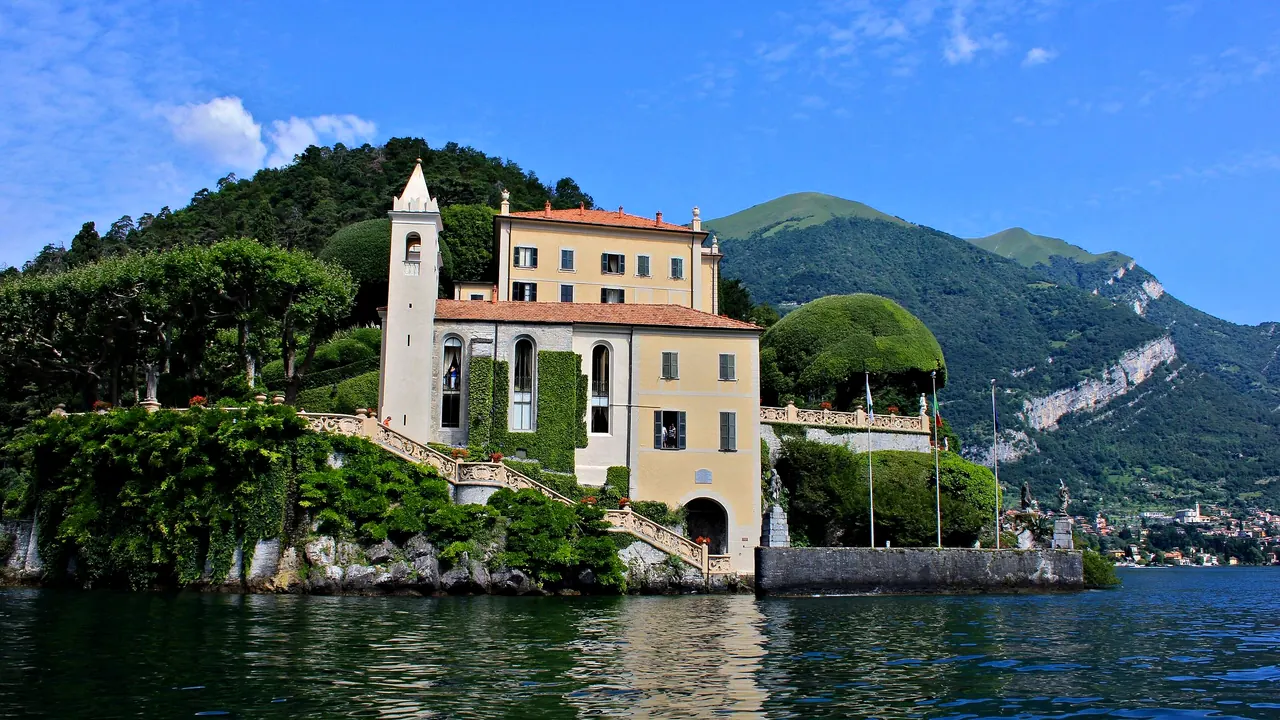
Photos: Lake Como by Navin75, CC BY-SA 2.0, cropped.
Lake Como or Puglia?
Our verdict in twelve categories, each scored against the same fixed benchmark cities, and the climate month by month, so you can choose for your trip.
Choose Lake Como for
- nature and the outdoors
- getting around
- wellness
Lake Como suits travellers who come for the setting. It rewards anyone happy to spend days on ferries between villa gardens and stone villages, walking old mule tracks above the water and looking up at mountains. Couples and walkers who don't need a beach, a party or a bargain will feel most at home here, and Milan is close enough to add a city day without a car.
Choose Puglia for
- beaches
- nightlife
- families
Puglia is the better choice for a summer by the sea. It has proper sandy beaches, cheaper and more generous food, livelier summer nights and a wider spread of sights, from Lecce's baroque to the trulli of Alberobello. Families and anyone travelling on a budget will find it easier. You will need a car, though, and inland the scenery is quiet farmland rather than mountain drama.
Scoreboard
Twelve categories on one fixed scale from 0 to 100. The shaded stretch is the gap between the two.
Your match
Pick a travel style or drag the sliders, and both match scores follow your weighting.
Wins on nature and the outdoors and getting around with your weighting.
Wins on beaches and nightlife with your weighting.
What matters to you?
Category by category
What the scores mean for a trip.
Beaches & swimming
Swimming on Lake Como means a lido, a pebble strip or a stone jetty at Bellagio, Lenno or Menaggio, or the more open shores of the upper lake near Domaso. The water deepens quickly, the season is short, and nobody plans a trip around it.
Puglia is a true beach destination. The Ionian side of the Salento has long pale sands and shallow turquoise water that suit children and lazy days. The Adriatic offers limestone platforms around Polignano a Mare, sea stacks at Torre dell'Orso, and the Gargano's cliffs and coves for those who prefer rock to sand.
Food & drink
Lake Como's cooking is narrow but distinctive: perch in butter and sage on risotto, salted missoltini, and polenta and cheeses from the Valtellina. The best meals are found up the hillsides in family trattorias and rock-cellar crotti, while the lakefront terraces mostly charge for the view.
Puglia eats better and more widely. Burrata from around Andria, orecchiette with turnip tops, focaccia and panzerotti, sea urchins on the Bari waterfront and meat grilled to order in the Valle d'Itria make everyday eating a pleasure. There is street food, which Como largely lacks, and the local wine is good value.
Culture & sights
Lake Como's culture is concentrated and best seen from a boat: the villa gardens of Carlotta, Balbianello and Melzi, the old villages of Varenna and Bellagio, and in Como town a marble cathedral alongside Terragni's rationalist buildings.
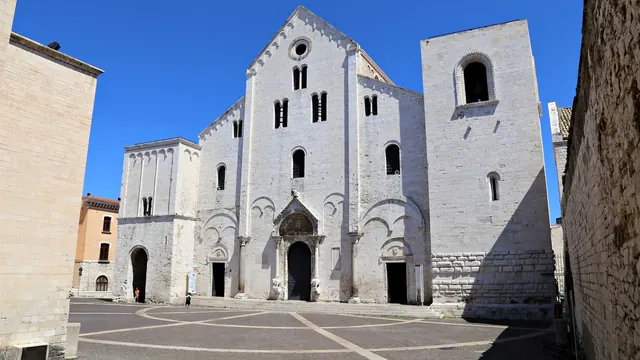
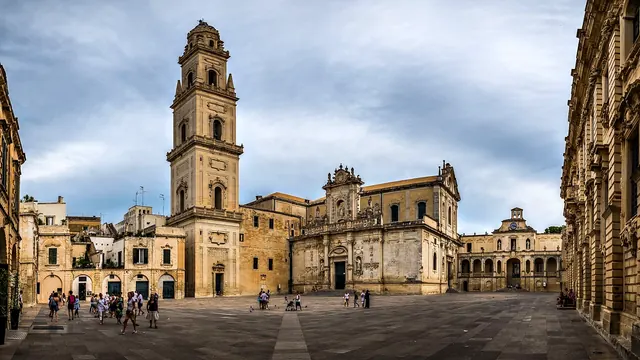
Puglia covers more ground and more variety. Lecce is a whole town of carved baroque, Alberobello's trulli are unique in Europe, and Castel del Monte stands alone on the Murge. A chain of Romanesque cathedrals runs from Trani to Otranto's great floor mosaic. Neither destination has major museums, and in Puglia seeing the sights means driving between towns.
Nightlife
On Lake Como the evening is dinner and a glass on a terrace, with a few wine and cocktail bars in Como town. Bellagio and Varenna fall silent after the last ferry, and anyone wanting a real night out takes the train to Milan.
Puglia has a real summer scene. Gallipoli's beach clubs run from sunset into the small hours, beach bars along the Salento hold DJ nights, and crowds drink late in Lecce's baroque squares. Bari keeps its old-town bars going all year, though the coast goes quiet once summer ends.
Nature & outdoors
Scenery is Lake Como's great strength: a deep glacial lake with wooded mountains rising straight out of the water to over 2,000m. Walkers have the Sentiero del Viandante and the Grigna summits, and the reliable afternoon wind makes the upper lake around Domaso and Colico a windsurfing and kitesurfing spot.
Most of Puglia is gentle olive country, lovely by bicycle through the Valle d'Itria but never dramatic. Its wilder side is in the Gargano, with the beech woods of the Foresta Umbra and sea caves, and in the Tremiti islands, which offer snorkelling and diving that the lake cannot.
Day trips
Both make excellent bases, but the outings differ in kind. From Lake Como the days lead outwards to cities: Milan for the Last Supper and La Scala, Bergamo's walled upper town, and Lugano across the Swiss border. Closer to hand, a ferry hop between the central villages fills a day with no planning at all.
Puglia's outings are a round of small towns reached by car. Whitewashed Ostuni, Locorotondo and Martina Franca are each a short drive apart, with Polignano a Mare and Monopoli on the coast below. Matera's cave dwellings, just over the border in Basilicata, is the outing most visitors put first.
Good for families
Lake Como is safe and calm, and children enjoy the ferries, the funicular to Brunate and gelato on the waterfront. Even so, steep stepped lanes, roads without pavements and hotels geared to couples make it hard work with small children, and the flatter upper lake is the easiest place to stay.
Puglia is much easier. Shallow sandy beaches suit toddlers, masserie with pools make comfortable bases, and Italian piazza life keeps children welcome late into the evening. Add the trulli and the safari park at Fasano and the days fill themselves, though August heat and the need for a car take some planning.
Getting around
Neither is effortless, and the two call for opposite approaches. On Lake Como the ferries do the work: stay in the central triangle of Bellagio, Varenna and Menaggio and you can manage without a car, with trains to Milan. Driving the narrow, tunnelled shore roads in summer is the part to avoid.
Puglia is car country, with good, uncrowded roads, but it is long. The Gargano is four to five hours from the southern tip, so seeing both ends means two bases. Without a car, the main line through Polignano a Mare and Monopoli is the practical choice.
Shopping & style
Silk is the thing to buy on Lake Como. Como has woven it for centuries, and scarves, ties and fabrics come straight from local mills, sold in the old town and at outlets on the outskirts, with the Silk Museum to explain the trade. Bellagio's stepped lanes add leather and pricey boutiques, but serious fashion means the train to Milan.
In Puglia you shop for crafts and food, not cloth: ceramics from Grottaglie's quarter of workshops, papier-mache figures from Lecce's studios, embroidered linen from the Valle d'Itria, and olive oil and Primitivo to take home. For the familiar Italian chains, go to the streets around Via Sparano in Bari.
Affordability
Lake Como is costly in summer. Grand villa hotels line the central lake, even modest rooms fill early, and boat taxis and lakefront meals add up quickly. Como town, Lecco and the campsites of the upper lake are the ways to spend less.
Puglia goes considerably further. Trattoria meals, street snacks and local wine cost less than in the north, and the main costs are high-season rooms near the best beaches, paid sun-loungers and the hire car. In both places, June and September bring prices down.
Live music & performing arts
Lake Como has one real stage, Como's Teatro Sociale, plus summer concerts in villas and churches. For a serious night at the opera, people go to La Scala in Milan.
Puglia offers more, and more of its own. Bari's Teatro Petruzzelli is one of Italy's largest opera houses, and Martina Franca's summer festival stages rare works in a ducal courtyard. Its living folk tradition, the pizzica, fills village festivals and culminates in the huge August Notte della Taranta at Melpignano.
Wellness & relaxation
Both are places to slow down rather than to take the waters, but the setting differs. On Lake Como rest means a terrace, a garden and a ferry, and the grand villa hotels near Cernobbio and Tremezzo run serious spas with pools above the water. The lake has no thermal baths.
Puglia's calm comes from the countryside: restored masserie among the olive groves, many with their own spas, and long, empty afternoons. It also has a few springs that Como lacks, such as the sulphur caves of Santa Cesarea Terme and the spa at Torre Canne, though none is reason enough to plan a trip.
When should you go?
Pick your month. The climate figures are measured averages, not a forecast.
Lake Como in July
Puglia in July
Daytime high, °C
Rainfall in the month, mm
Where the figures come from
Puglia's temperatures are measured 64 km from the centre, at Brindisi.
Puglia has no rain gauge within 25 km of the centre, so its rainfall comes from a gridded climate dataset read at the destination rather than from a gauge further away.
Temperature and rainfall are climate normals, averaged over the years shown. Lake Como: 1991-2020 normals, Lugano (22.8 km from centre). Puglia: 1991-2020 (sunshine 1981-2010) normals, Brindisi (64.4 km from centre).
The two run on different calendars. Around Lake Como the summer is warm rather than hot, at about 27°C in July and August, which suits walking and lido days alike. It is also a wet lake. Heavy rain arrives in April and keeps coming through November, peaking at about 178mm in May, so even summer has stormy days. May, June and September are the best balance of warmth and calm, and winter is cold, grey and quiet.
Puglia is hotter, drier and sunnier. Midsummer highs reach about 30°C, and August brings only around 18mm of rain, with long sunny days from May to September. The sea warms to about 26°C in August and is pleasant from June into early autumn. That midsummer heat makes long walks and sightseeing between towns hard work, so spring and autumn suit touring better. The rain comes in autumn and winter, but winters are mild, so Puglia stays comfortable for walking well after Lake Como has turned cold.
Which traveller are you?
For a beach and sun trip, Puglia is the clear choice. The Salento's Ionian coast has long, shallow sandy beaches and warm, clear water. Lake Como offers lidos and jetty swims, pleasant enough between ferry rides but never the main event.
On an outdoors trip, Lake Como wins. Mountains rise straight from the water, with the Sentiero del Viandante and the Grigna summits for walkers, and the afternoon wind on the upper lake draws windsurfers. Outside the Gargano, Puglia is gentler country, better suited to cycling.
For a food and nightlife trip, Puglia gives far more. You get burrata, orecchiette and Bari's raw seafood stalls, Primitivo at fair prices, and summer nights in Lecce's squares and Gallipoli's beach clubs. Como's villages go quiet once the last ferry has left.
Before you go
| Measure | Lake Como | Puglia |
|---|---|---|
| Official language | Italian | Italian |
| Currency | Euro (EUR) | Euro (EUR) |
| Sockets | CFL230 V, 50 Hz | CFL230 V, 50 Hz |
| Driving side | Right | Right |
| Time zone | UTC+1, UTC+2 in summer | UTC+1, UTC+2 in summer |
| Emergency number | 112 | 112 |
| Main airport | Milan Malpensa International Airport (MXP)208 non-stop destinations | Bari Karol Wojtyła International Airport (BRI)104 non-stop destinations |
| Public holidays this year | 13 days | 13 days |
By the numbers
| Measure | Lake Como | Puglia |
|---|---|---|
| Population | - | 3,866,174 |
| People per km² | - | 198 |
| Swim season, months above 21 °C | - | 4 months |
Where else could you go?
Every comparison below shares a destination with this one, so you can follow Lake Como or Puglia somewhere new.
- Lake Gardavs Lake Como
- Cinque Terrevs Lake Como
- Amalfi Coastvs Puglia
- Hvarvs Puglia
- Caprivs Puglia
- Corfuvs Puglia