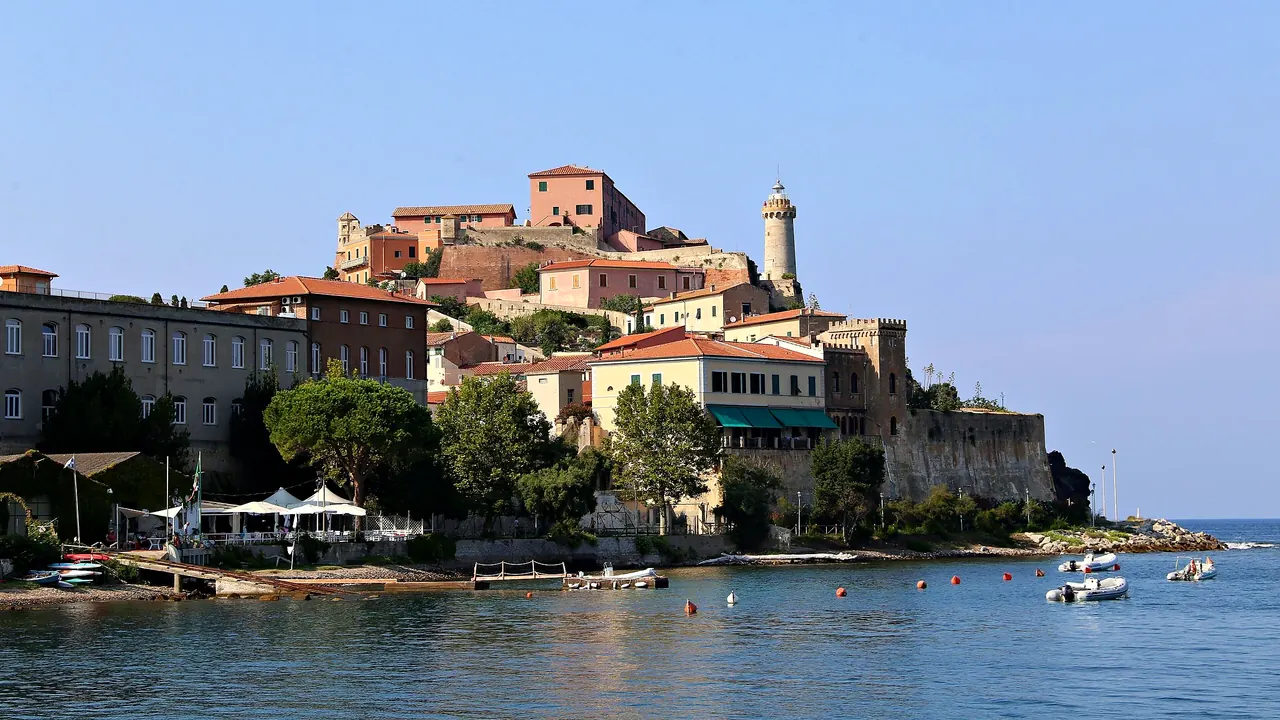
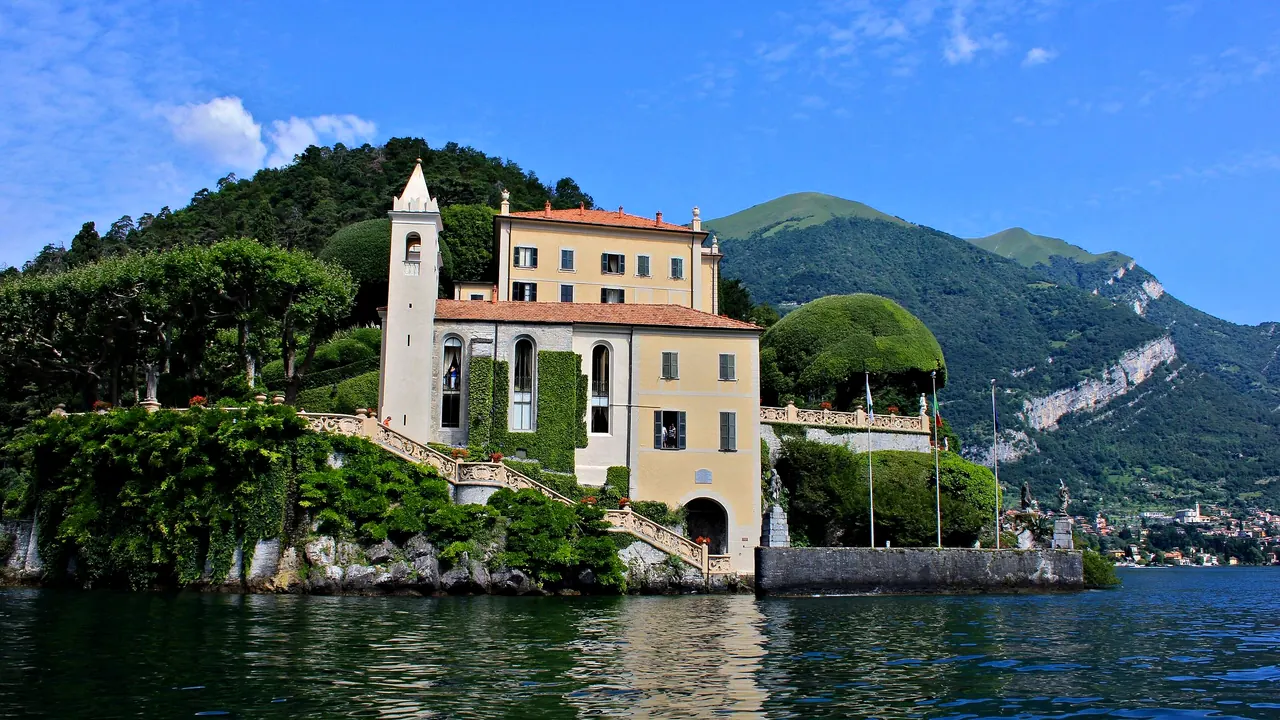
Photos: Elba by Sailko, CC BY 3.0, cropped; Lake Como by Navin75, CC BY-SA 2.0, cropped.
Elba or Lake Como?
Our verdict in twelve categories, each scored against the same fixed benchmark cities, and the climate month by month, so you can choose for your trip.
Choose Elba for
- beaches
- families
- prices
Elba is the choice for a summer beach vacation. Its south-west bays of pale sand and turquoise shallows, the long gently shelving beaches at Marina di Campo and Lacona, and a properly warm sea make it much the better place to spend days by the water. It also suits families, and it costs a little less if you stay in a campsite or apartment. The trade-off is that there is little else to do: the history fills a few half-days, day trips start with a ferry, and the arts barely exist.
Choose Lake Como for
- day trips
- culture and sights
- shopping
Lake Como suits travellers who want scenery, villas and outings more than a beach. Mountains rise straight out of the water, villa gardens are reached by boat, and ferries link Bellagio, Varenna and Menaggio, so a stay feels like moving between places rather than settling on one shore. Milan, Bergamo and Lugano are all within a day's reach. Swimming is a pleasant extra off a jetty or lido, never the point, and the lake is pricier and harder work with small children.
Scoreboard
Twelve categories on one fixed scale from 0 to 100. The shaded stretch is the gap between the two.
Your match
Pick a travel style or drag the sliders, and both match scores follow your weighting.
Wins on beaches and families with your weighting.
Wins on day trips and culture and sights with your weighting.
What matters to you?
Category by category
What the scores mean for a trip.
Beaches & swimming
This is Elba's strongest suit and the lake's weakest. Elba has about 150km of coast: sandy granite bays with clear turquoise water in the south-west, the long town beach at Marina di Campo, shallow Lacona and Biodola, and pebble coves under white cliffs near Portoferraio. Even in August you can find a quiet cove at the end of a footpath.
Lake Como has no sandy beaches. Swimming there means a lido at Bellagio or Lenno, a pebble strip on the upper lake, or a jump off a stone jetty. The water drops off steeply and turns cool a metre down, and the season is shorter.
Food & drink
The two are close in standard. Both have good local cooking at their best and predictable menus along the busiest waterfronts, so the difference is mostly in what you eat. Elba eats from the sea: cacciucco, stuffed squid and sea bream, with crisp Ansonica alongside and the island's sweet Aleatico and schiaccia briaca to finish. Its best meals are in the trattorias of Capoliveri and Marciana, but there is little beyond that, and no fine dining to speak of.
Lake Como cooks lake and mountain food: perch in butter and sage on risotto, salted missoltini, polenta, and cheeses from the Valtellina, which also supplies Nebbiolo wines. Its crotti, rustic places built against the cool rock, have no equivalent on Elba, and the grand villa hotels run serious dining rooms for a special dinner that the island cannot offer.
Culture & sights
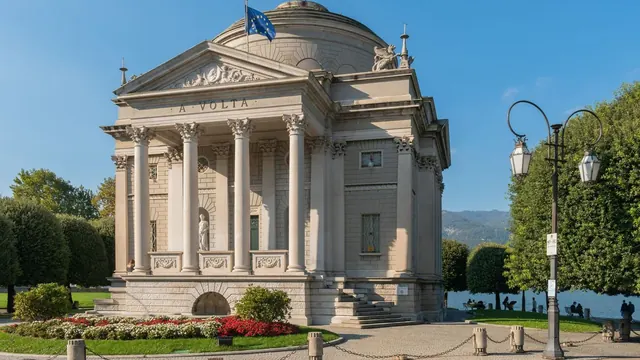
Lake Como has more to see. Its villas and gardens, built over four centuries and mostly reached by boat, form the backbone of a trip. Como town adds a marble cathedral, Romanesque churches and an unusual set of 1930s rationalist buildings.
Elba's history is narrower but has character. There are Napoleon's two residences from his exile, the Medici bastions of Portoferraio, Porto Azzurro's star-shaped fortress, a Roman villa and Etruscan mining museums. These are good for a morning between beach days, not for a whole trip.
Nightlife
Neither place is for a big night out, and both are mostly about dinner and a drink by the water. Elba is livelier in high summer: Capoliveri's piazza and the harbourfronts of Porto Azzurro and Marina di Campo stay busy past midnight, and a few open-air discos run on weekends. Lake Como's villages empty once the last ferry has gone, leaving a few wine and cocktail bars in Como town. Its real advantage is the train to Milan.
Nature & outdoors
Both are good for the outdoors, but Lake Como's scenery is the more dramatic. Mountains climb from the water to over 2,000m, with walking on the Sentiero del Viandante and the Grigna summits. The breva wind on the upper lake makes Domaso and Colico a serious windsurfing and kitesurfing spot.
Elba is more mountainous than most islands and lies largely within a national park. You can ride the open basket lift up Monte Capanne, walk the ridge trail across the island or mountain-bike the iron-red east. Its edge is underwater: the clear sea suits snorkelling and diving among granite reefs, which a lake cannot match.
Day trips
Lake Como is far better placed. Milan is an hour away by train, and Bergamo's upper town and Lugano are close too. Even without leaving the lake, a ferry hop between Bellagio, Varenna and Menaggio fills a day with no planning.
From Elba, every outing starts with the hour-long ferry to Piombino. Beyond it lie the Etruscan tombs at Populonia, the hill towns of Campiglia Marittima and Suvereto, and the Bolgheri wine estates, while excursion boats go to Pianosa and Capraia. Most visitors make one or two of these trips and spend the rest of their time on the island.
Good for families
Elba is the easier family base. Its sandy bays shelve gently enough for toddlers to paddle, and the campsites and apartment complexes behind Marina di Campo, Lacona and Procchio are designed for families. Expect early starts in August to get ahead of the heat and crowds.
Lake Como is safe and welcoming, but the practical side is harder. Bellagio and Varenna are built on stepped lanes, the shore roads have few pavements, and many hotels are aimed at couples. Boat rides and the Brunate funicular appeal to children, and the flatter upper lake near Domaso is the best place to stay with them.
Getting around
Lake Como is easier without a car. Ferries cross the central basin in minutes and trains run up the eastern shore, so a base in the Bellagio, Varenna and Menaggio triangle works well on foot and by boat. Driving the narrow shore roads is the frustrating part.
On Elba you really need wheels: a car, a scooter or an e-bike. The buses are too sparse to rely on, the hill roads twist, and in August traffic queues into Portoferraio while beach car parks fill by mid-morning. Reaching the island also depends on booking the ferry ahead.
Shopping & style
Lake Como gives you one real reason to shop: Como silk, sold as scarves, ties and fabrics in town and at mill outlets, with a museum on the trade. Como's old centre also has a decent mix of Italian fashion, and Milan is close for anything bigger. Elba's shopping is mostly an evening walk past linen and jewellery shops in Capoliveri and Porto Azzurro. The things to bring home are edible, or mineral crystals from the old mines.
Affordability
Both are expensive in summer, but Elba is easier to do on a budget. Campsites and self-catering apartments are common, inland trattorias are reasonable, and June and September cost noticeably less for the same sea. The car ferry, car hire and sunbeds are what push the bill up.
Lake Como's central shore around Bellagio, Tremezzo and Cernobbio is grand villa hotel territory, and lakefront tables charge for the view. Staying in Como town, Lecco or the upper lake brings costs down, and the ferries and trains are reasonably priced.
Live music & performing arts
Lake Como has more here, mainly because Como's Teatro Sociale runs a proper season of opera, concerts and theatre, and La Scala is a train ride away. Summer concerts move into villas and gardens. Elba has no theatre season at all, only summer shows in squares and fortresses and a classical chamber festival in late summer.
Wellness & relaxation
For pure rest, Lake Como has the edge. Days drift between garden, terrace and ferry, and the villa hotels near Cernobbio and Tremezzo have serious spas, some with pools floating on the water. There are no thermal baths on the lake itself.
Elba has the one bathing tradition of the two: the thermal establishment at San Giovanni, which uses mud and seawater from the old salt pans. Otherwise its calm comes from a hill village or vineyard farmhouse in June or September, since August is too busy to be restful.
When should you go?
Pick your month. The climate figures are measured averages, not a forecast.
Elba in July
Lake Como in July
Daytime high, °C
Rainfall in the month, mm
Where the figures come from
Elba's temperatures are measured 62 km from the centre, at Grosseto.
Elba has no rain gauge within 25 km of the centre, so its rainfall comes from a gridded climate dataset read at the destination rather than from a gauge further away.
Temperature and rainfall are climate normals, averaged over the years shown. Elba: 1991-2020 (sunshine 1961-1990) normals, Grosseto (61.7 km from centre). Lake Como: 1991-2020 normals, Lugano (22.8 km from centre).
Elba has a classic dry Mediterranean summer. Around the main resorts the sea is warm enough for swimming from June to late September and reaches about 25°C in August. July and August are very sunny and almost rainless, and they are also hot, with daytime highs near 32°C, which makes the open hillsides hard going for walkers. May, June and September are the most comfortable months for combining beach and walking. The rain comes in autumn, peaking at around 92mm in November, and winter is mild but too cool for the beach.
Lake Como is cooler and much wetter for most of the year. Summer highs stay around 27°C, pleasant for walking the villages and good for a lake swim from late June to early September. The rain is spread across the warm half of the year rather than kept for winter: May is the wettest month at about 178mm, and summer often brings showers. Winters are cold, with January highs near 7°C. Spring and early autumn are the best seasons for hiking, while Elba's dry, reliable months are clearly July and August.
Which traveller are you?
On a beach and sun trip, Elba wins easily. It has sandy granite bays at Fetovaia and Cavoli, white pebble coves near Portoferraio, a sea warm enough to swim in for four months, and dry, sunny summers. Lake Como offers jetty swims and lidos, but nothing like a real beach day.
For a culture and arts trip, Lake Como is the better pick. Villa Carlotta, Balbianello and Melzi, Como's cathedral and rationalist buildings, and an opera house all lie close at hand, with Milan's Last Supper and La Scala an hour away. Elba's Napoleon sites and forts fill only a few half-days.
On a family trip with young children, Elba is easier. Its shallow sandy bays, family campsites and apartments, and boat trips suit small children well. Lake Como's steep stepped villages, narrow roads without pavements and hotels aimed at couples make life harder with a pushchair.
Before you go
| Measure | Elba | Lake Como |
|---|---|---|
| Official language | Italian | Italian |
| Currency | Euro (EUR) | Euro (EUR) |
| Sockets | CFL230 V, 50 Hz | CFL230 V, 50 Hz |
| Driving side | Right | Right |
| Time zone | UTC+1, UTC+2 in summer | UTC+1, UTC+2 in summer |
| Emergency number | 112 | 112 |
| Main airport | Pisa International Airport (PSA)82 non-stop destinations | Milan Malpensa International Airport (MXP)208 non-stop destinations |
| Public holidays this year | 13 days | 13 days |
By the numbers
| Measure | Elba | Lake Como |
|---|---|---|
| Population | 32,000 | - |
| People per km² | 143 | - |
| Swim season, months above 21 °C | 4 months | - |
Where else could you go?
Every comparison below shares a destination with this one, so you can follow Elba or Lake Como somewhere new.
- Lake Maggiorevs Lake Como
- Lake Gardavs Lake Como
- Tuscanyvs Elba
- Swiss Alpsvs Lake Como
- Cinque Terrevs Elba
- Corsicavs Elba