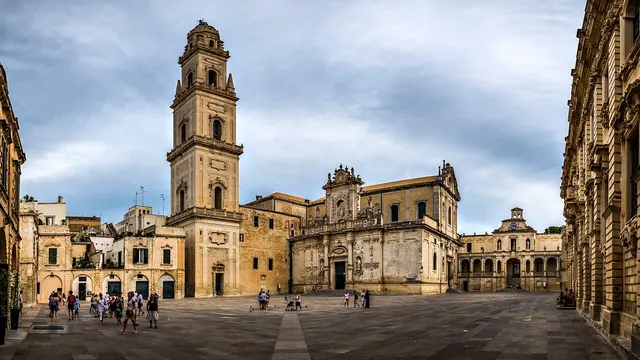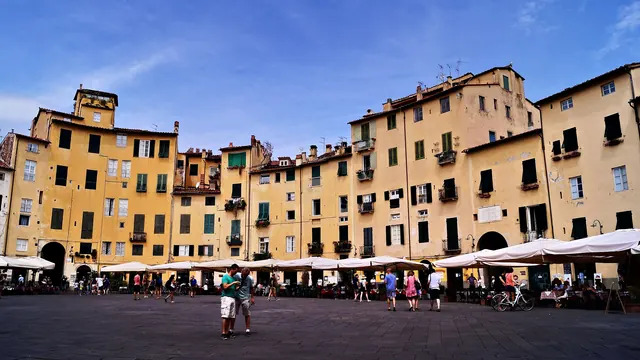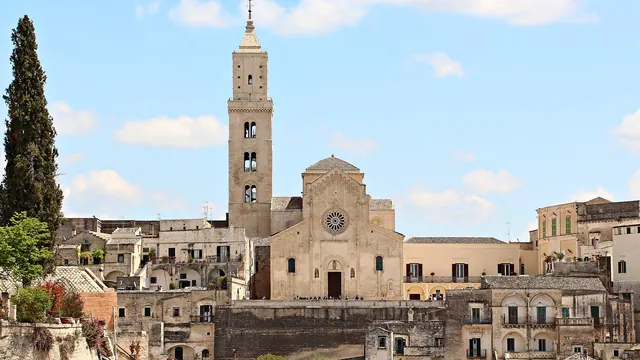
Italy
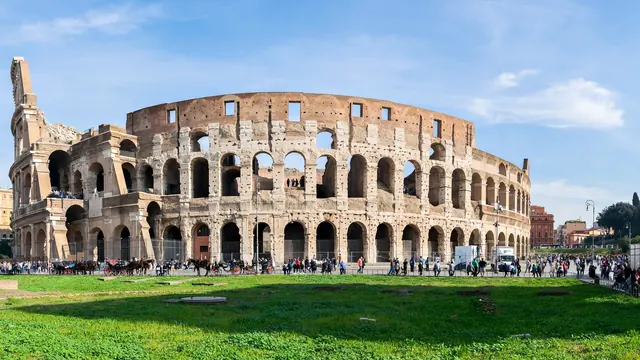
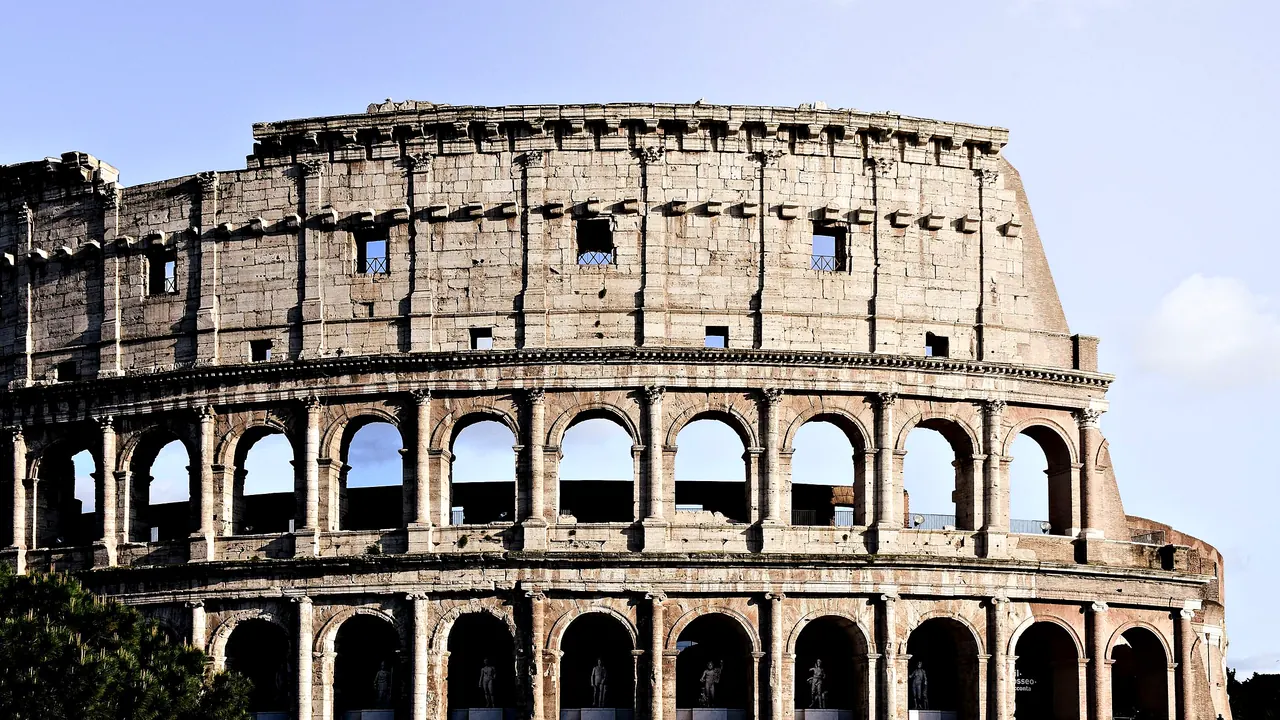
The Colosseum in Rome
- Culture & sights99
- Day trips97
- Food & drink95
Photo: AXP Photography, Pexels License
Match
82
Every category weighted equally
- Beach & sun81
- Culture & arts83
- Food & nightlife81
- Family trip80
- Outdoors84
- Relax & unwind84
- Shopping & style83
- On a budget78
Italy in twelve categories
Our verdict on the country as a whole, scored 0 to 100 against the same fixed benchmark cities as every destination, so a score means the same thing on every page.
Beaches & swimming. Scores 85 out of 100.
Food & drink. Scores 95 out of 100.
Culture & sights. Scores 99 out of 100.
Nightlife. Scores 66 out of 100.
Nature & outdoors. Scores 92 out of 100.
Day trips. Scores 97 out of 100.
Good for families. Scores 72 out of 100.
Getting around. Scores 72 out of 100.
Shopping & style. Scores 89 out of 100.
Affordability. Scores 48 out of 100.
Live music & performing arts. Scores 78 out of 100.
Wellness & relaxation. Scores 88 out of 100.
Italy category by category
Under each: where in Italy it is best, and our destinations in Italy that score highest on it.
Beaches & swimming
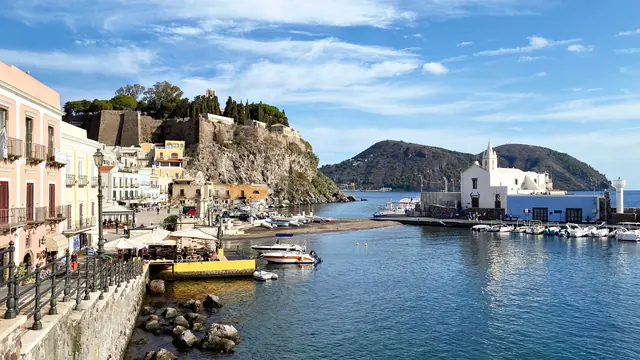
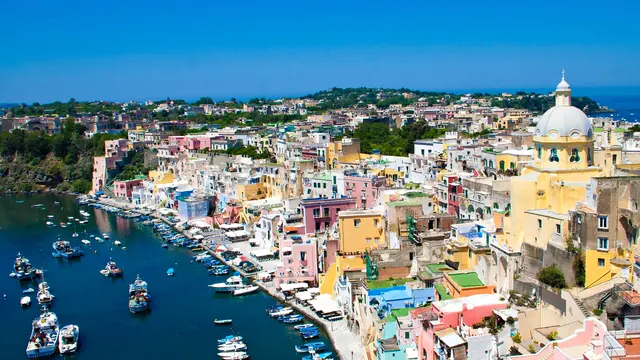
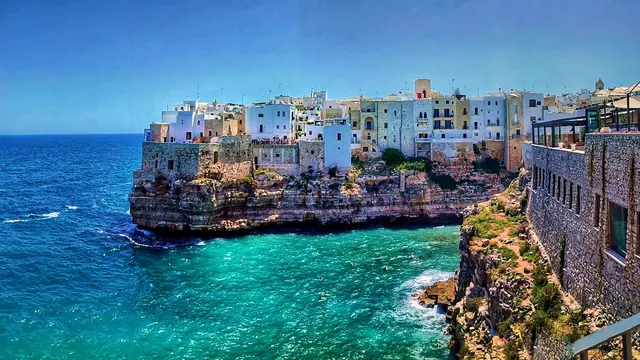
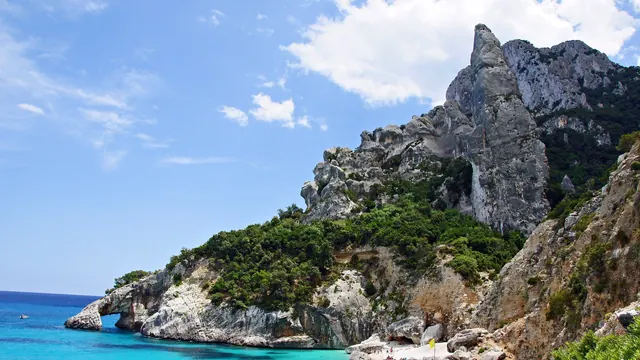
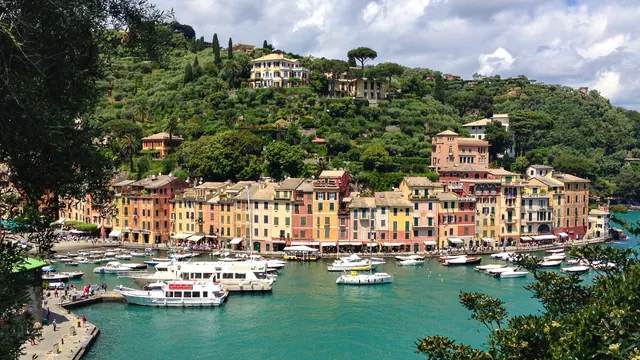
85Italy has a long, warm Mediterranean coastline and beach life is central to the Italian summer. The finest water is in Sardinia, where the Costa Smeralda, the Maddalena islands and the coves of the south and east have white sand and clear turquoise sea. Sicily adds the beaches around San Vito Lo Capo and the Aeolian and Egadi islands, and Puglia's Salento peninsula has sandy Ionian bays and rocky Adriatic inlets. Calabria's Tropea coast is less known and very clear.
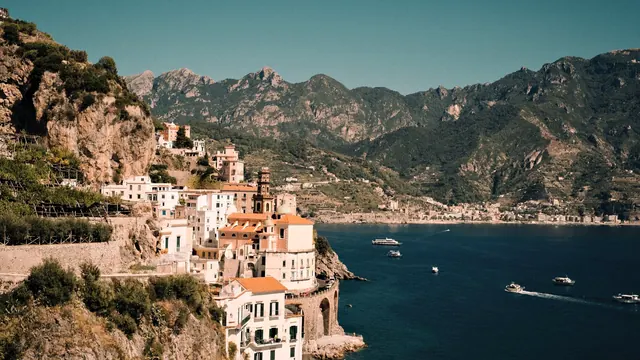
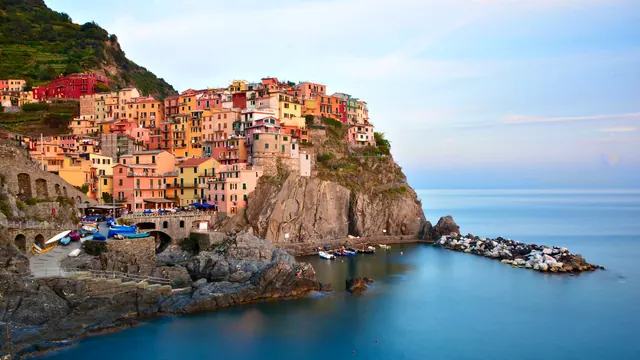
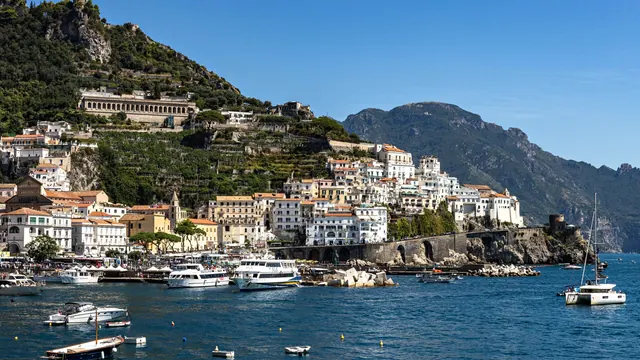
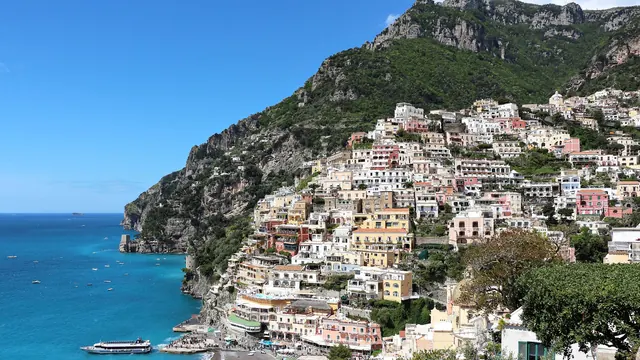
The sea is warm from June to September, reaching about 25°C in August. Much of the mainland shore, from the Adriatic Riviera to Liguria, is organised into rows of paid lidos with umbrellas and loungers, which suits families but makes free sand harder to find. The Amalfi Coast and Cinque Terre are beautiful but their beaches are small and pebbly. August is crowded everywhere, as Italians take their own vacations then.
Where: Sardinia, Sicily, Salento, Tropea coast
Our top destinations in Italy
Food & drink
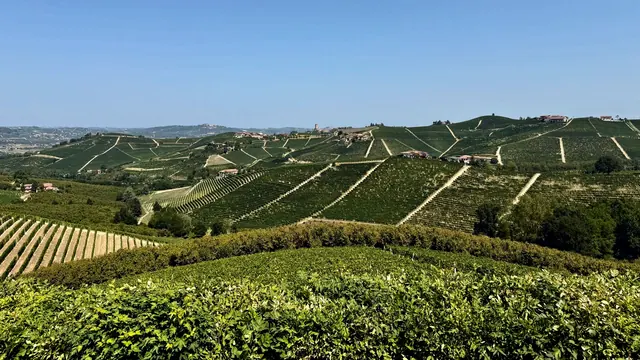
95Food is one of the main reasons to visit Italy, and the country is really a set of regional cuisines rather than one. Emilia-Romagna, around Bologna, Modena and Parma, is the home of fresh egg pasta, Parmigiano and prosciutto. Naples has its own pizza and fried street food, Rome has carbonara, cacio e pepe and Jewish-Roman artichokes, and Sicily has arancini, swordfish, cannoli and the street markets of Palermo. Piedmont adds truffles, Barolo and slow, rich cooking.
Everyday eating is good almost everywhere: the standing espresso bar, the trattoria, the gelateria and the morning market. Wine is made in every region, from Chianti and Montalcino to the Langhe, the Veneto and Etna. Fine dining exists, but the strength is how well ordinary meals are cooked. Tourist traps cluster around the biggest sights in Rome, Venice and Florence, so a short walk away usually pays off.
Where: Emilia-Romagna, Naples, Rome, Sicily
Our top destinations in Italy
Culture & sights
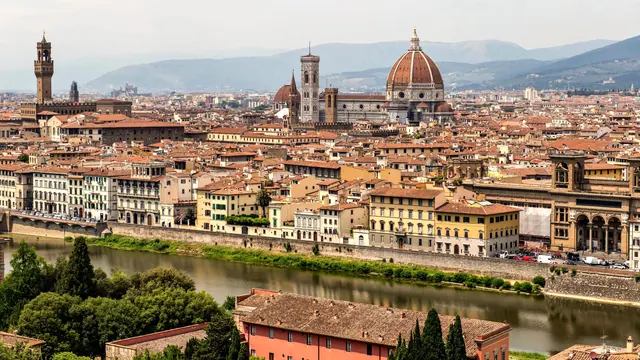
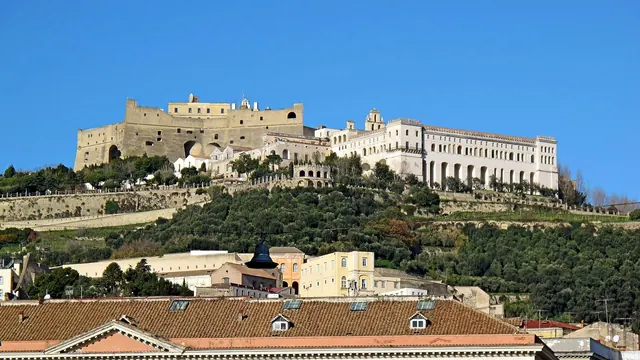
99Italy holds more first-rank heritage than almost anywhere, and it is spread across the whole country. Rome has the Colosseum, the Forum, the Pantheon and the Vatican Museums with the Sistine Chapel. Florence is the city of the Renaissance, with the Uffizi, the Duomo and Michelangelo's David. Venice is a city built on water, with St Mark's Basilica and the Doge's Palace. Near Naples, Pompeii and Herculaneum preserve Roman towns buried by Vesuvius.
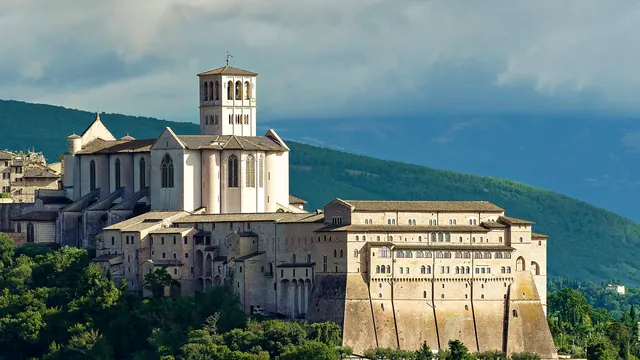
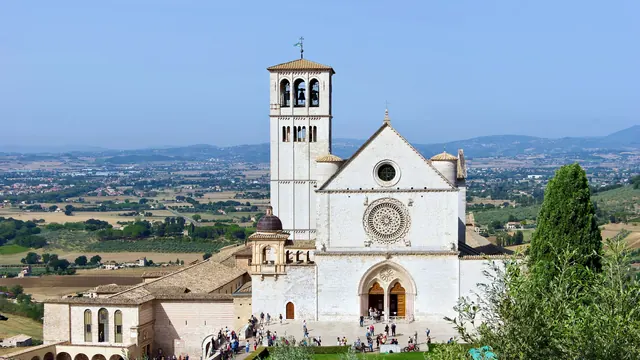
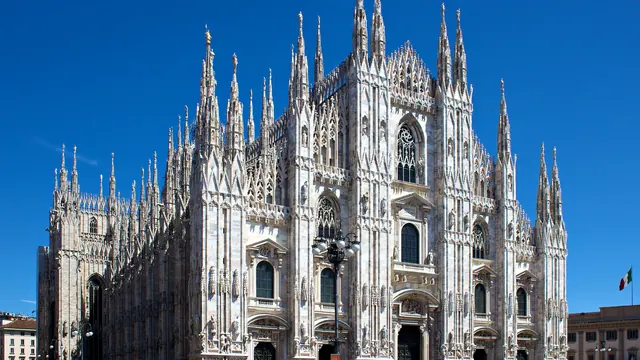
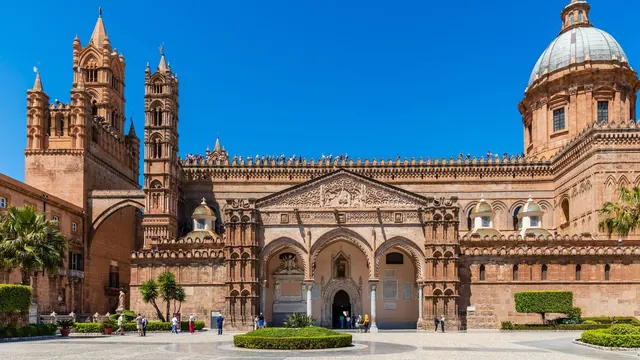
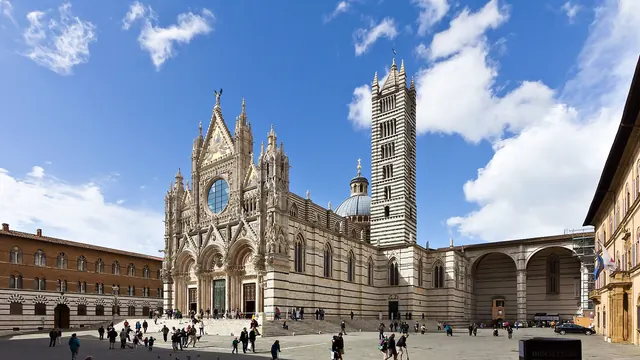
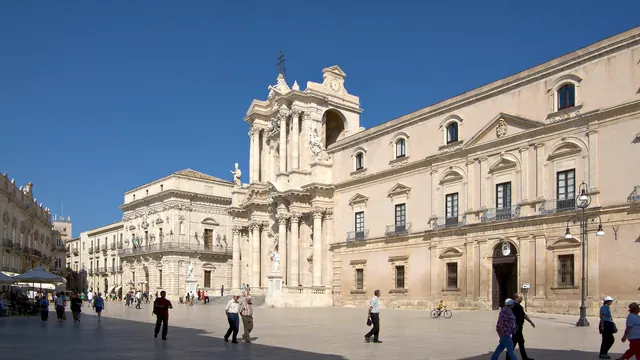
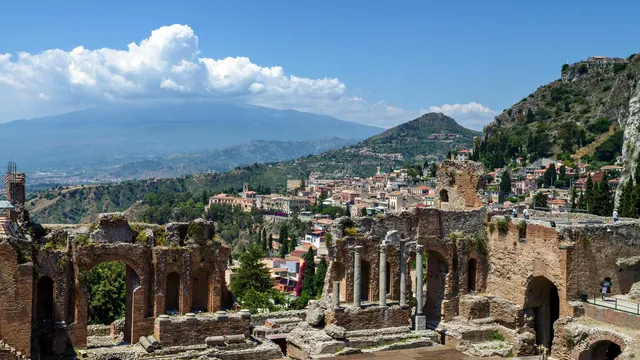
Sicily is a heritage trip of its own: the Greek temples of Agrigento, the Arab-Norman churches of Palermo and Monreale, and the honey-coloured Baroque of Noto. On the mainland there are the Byzantine mosaics of Ravenna, the temples of Paestum, the Baroque of Lecce, the hill towns of Siena, Assisi and Orvieto, and Milan's cathedral and Last Supper. A visitor could build many separate trips around heritage alone and never repeat a region.
Where: Rome, Florence, Venice, Sicily
Our top destinations in Italy
Nightlife
66Going out in Italy is mostly social rather than wild: the early evening aperitivo, a long dinner, then a stroll and drinks in a piazza. Milan has the deepest scene, with the canal bars of the Navigli, cocktail bars in Brera and Isola and the country's best clubs. Rome's nights gather in Trastevere, Monti and Pigneto, and Naples, Bologna and Florence have lively student quarters.
Clubbing is strongest in summer by the sea. The Adriatic Riviera around Rimini and Riccione has a long tradition of big open-air clubs, Gallipoli in Salento fills with young Italians in August, and the Costa Smeralda in Sardinia has glamorous, expensive beach clubs. Outside these places and seasons, most towns grow quiet after midnight.
Nature & outdoors
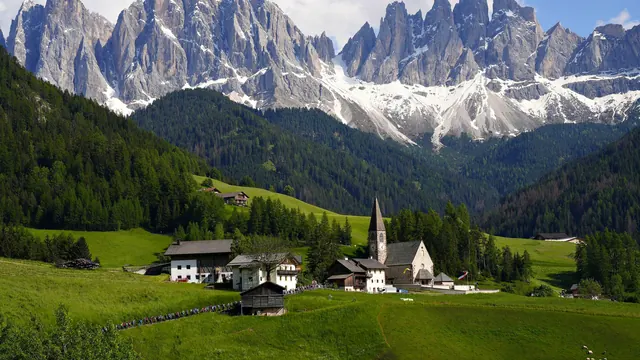
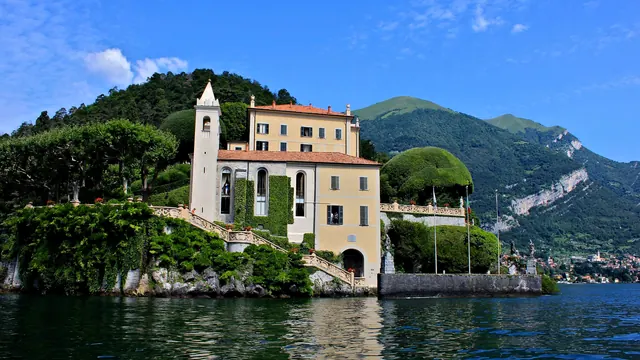
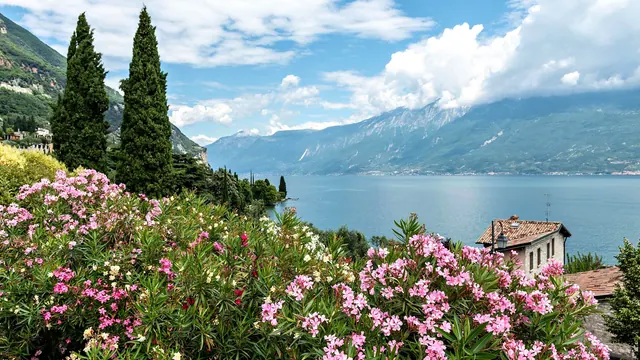
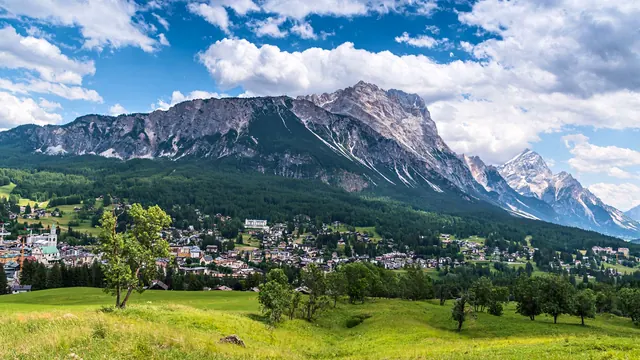
92Italy's landscapes are as varied as any in Europe. The Dolomites are the highlight, pale limestone towers above green meadows with hut-to-hut trails, via ferrata and cycling passes in summer and large ski areas in winter. The western Alps around Mont Blanc and the Aosta Valley and the Gran Paradiso national park add high mountains and ibex. The northern lakes, Como, Garda and Maggiore, sit under steep slopes with walking and sailing, and Garda is a centre for windsurfing.
Further south, the cliff paths of the Cinque Terre and the Path of the Gods above the Amalfi Coast are classic coastal walks. Tuscany and Umbria suit cycling through rolling hills, Etna and the Aeolian volcanoes can be climbed, and Sardinia has wild coastal hiking and sea kayaking. Spring and autumn suit the south; high summer suits the mountains.
Where: Dolomites, Aosta Valley, Italian Lakes, Amalfi Coast
Our top destinations in Italy
Day trips
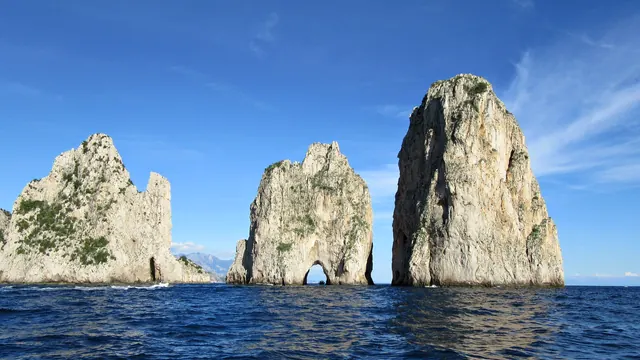
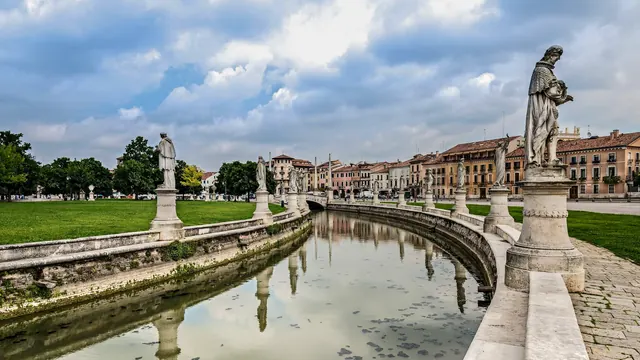
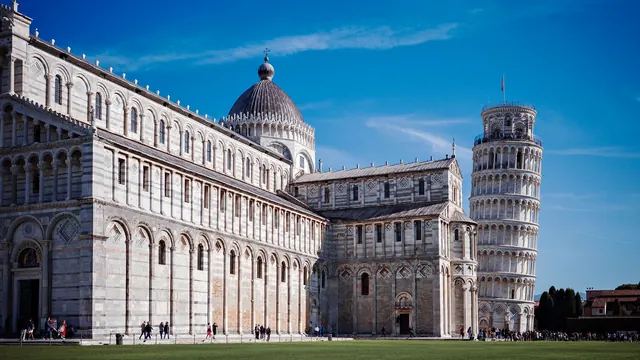
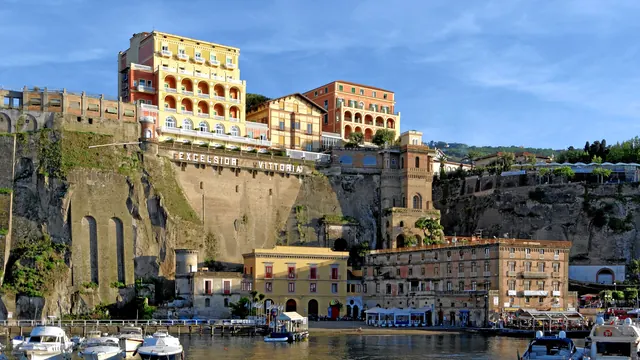
97Almost every Italian base comes with a ring of first-rank day trips. From Florence, Siena, Pisa, Lucca, San Gimignano and the Chianti wine country are all within easy reach. From Naples, Pompeii, Herculaneum, Capri, Sorrento, the Amalfi Coast and the Caserta palace fill a week. Bologna sits between Modena, Parma, Ferrara and the mosaics of Ravenna, all under about an hour by train.
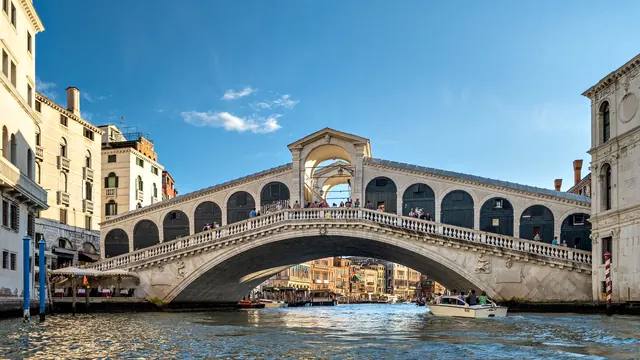
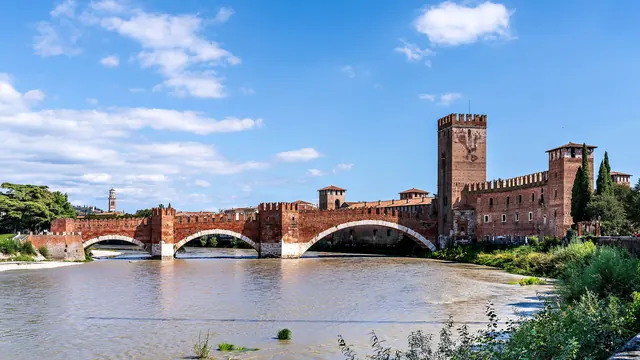
From Venice, Padua, Vicenza and Verona are short train rides away, and the Prosecco hills are close. Rome has Tivoli's villas, Ostia Antica and the hill town of Orvieto, while Milan reaches Bergamo, Lake Como and Turin. Fast, frequent trains between these cities make most of these trips easy without a car.
Where: Florence, Naples, Bologna, Venice
Our top destinations in Italy
Good for families
72Italian culture is warmly child-friendly: children eat late with their parents, are fussed over in restaurants and are welcome almost everywhere. The best family trips are by the sea or the lakes. The Adriatic Riviera around Rimini and Riccione is built for families, with shallow sandy water, organised beaches with playgrounds and the Mirabilandia theme park nearby. Lake Garda has Gardaland, Italy's largest theme park, along with calm lakeside towns.
Genoa's aquarium is among the largest in Europe, and the Dolomites suit active families in summer with easy trails and cable cars. The great art cities are harder going: long queues, cobbles and summer heat in Rome, Florence and Venice test young children, so short visits balanced with time by the water work best.
Where: Adriatic Riviera, Lake Garda, Dolomites, Genoa
Our top destinations in Italy
Getting around
72The main tourist route is easy. High-speed trains link Turin, Milan, Venice, Bologna, Florence, Rome and Naples, with Florence to Rome taking about an hour and a half, and the historic centres themselves are best walked. Rome, Milan and Naples have metros, and Venice runs on water buses.
Beyond that spine, travel takes more effort. Tuscan and Umbrian hill towns, the Dolomites, Puglia, Sicily and Sardinia are far easier with a car, as regional trains and buses are slow and sparse. Sardinia and Sicily are reached by domestic flight or ferry. Driving into historic centres is restricted by limited-traffic zones, and occasional transport strikes can disrupt a day's plans.
Where: Milan, Florence, Rome, Venice
Our top destinations in Italy
Shopping & style
89Italy is one of the homes of fashion and fine craft. Milan's Quadrilatero della Moda, around Via Montenapoleone, holds the flagships of the great Italian houses, and the Galleria Vittorio Emanuele II is a historic arcade of luxury shops. Rome has Via Condotti beneath the Spanish Steps and good independent shops in Monti. Florence is known for leather, from the stalls near San Lorenzo to old workshops in the Oltrarno, and for gold on the Ponte Vecchio.
Crafts change by region: Murano glass and Burano lace in Venice, ceramics in Deruta and Vietri sul Mare, handmade sandals on Capri, nativity figures in Naples' Via San Gregorio Armeno. Food shopping is a pleasure everywhere, from cheese and balsamic vinegar in Emilia to wine bought at the estates.
Where: Milan, Florence, Rome, Venice
Our top destinations in Italy
Affordability
48Italy is mid-priced for Western Europe, with wide differences between places. Venice, the Amalfi Coast, Capri, Lake Como, the Costa Smeralda and the centres of Rome and Florence are expensive in summer, especially for rooms. The south and inland areas, Sicily, Puglia away from its most famous towns, Calabria, and the small towns of Umbria and the Marche, cost noticeably less.
Everyday things are fair almost everywhere: espresso at the bar counter, pizza, simple trattoria meals and regional trains. Seaside lidos charge for loungers, and major museums and sites charge entry. Spring and autumn are cheaper than July and August.
Live music & performing arts
78Italy is the birthplace of opera, and that is where its strength lies. Milan's Teatro alla Scala is one of the world's great opera houses, with a winter season that opens each December and a symphonic programme beside it. Naples' Teatro San Carlo is the oldest working opera house in Europe, Venice has La Fenice, and Rome adds the Accademia di Santa Cecilia's orchestral season at the Parco della Musica. Many smaller towns keep jewel-box theatres with seasons of opera and concerts.
Summer moves the music outdoors. Verona stages large opera productions in its Roman Arena, Rome uses the Baths of Caracalla, and festivals honour Rossini in Pesaro and Puccini at Torre del Lago, while Umbria Jazz fills Perugia each July. Outside opera the offer thins: spoken theatre is almost all in Italian, and jazz and live-music clubs are modest, so a visitor plans around the opera calendar.
Wellness & relaxation
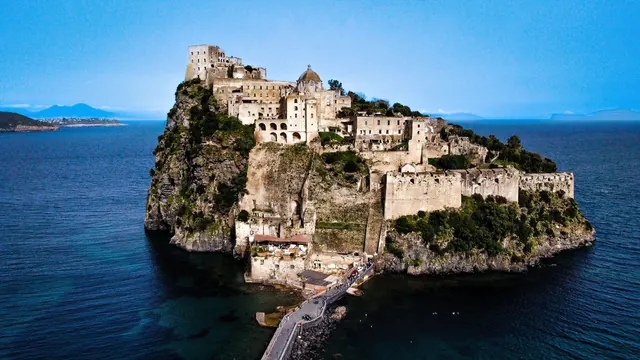
88Italy has bathed in hot springs since Roman times, and thermal towns run the length of the country. Ischia, off Naples, is the finest single base: an island of thermal gardens with pools set on terraces above the sea, and hot springs that bubble up on some of its beaches. In the Euganean Hills south of Padua, Abano and Montegrotto Terme form one of Europe's largest thermal districts, where hotels draw their own mineral water and mud treatments are a tradition.
Tuscany has the open-air cascades of Saturnia, the medieval spa square of Bagno Vignoni and the grand old spa town of Montecatini, and a stay on a country estate there adds a slow, restorative pace. In the north, Merano has a large thermal complex beneath the mountains, Bormio has baths used since antiquity high in the Alps, and Sirmione on Lake Garda has sulphur springs.
Where: Ischia, Euganean Hills, Tuscany, Merano
Our top destinations in Italy
When should you go?
Italy has no single climate. Its months are measured at Rome, Venice, Florence, Naples and Sicily; pick one to see it. The figures are measured averages, not a forecast.
Where in Italy
Rome in July
Daytime high, °C
Rainfall in the month, mm
Where the figures come from
Rome's sunshine is measured 31 km from the centre, at Vigna Di Valle.
Temperature and rainfall are climate normals, averaged over the years shown. Rome: 1991-2020 normals, Roma / Ciampino (15.1 km from centre).
Compare Italy with
Every comparison with a written verdict behind it.
Our destinations in Italy
Every place in Italy with its own page: its twelve scores, its texts and its months.
Regions and islands