Italy
Lake Maggiore
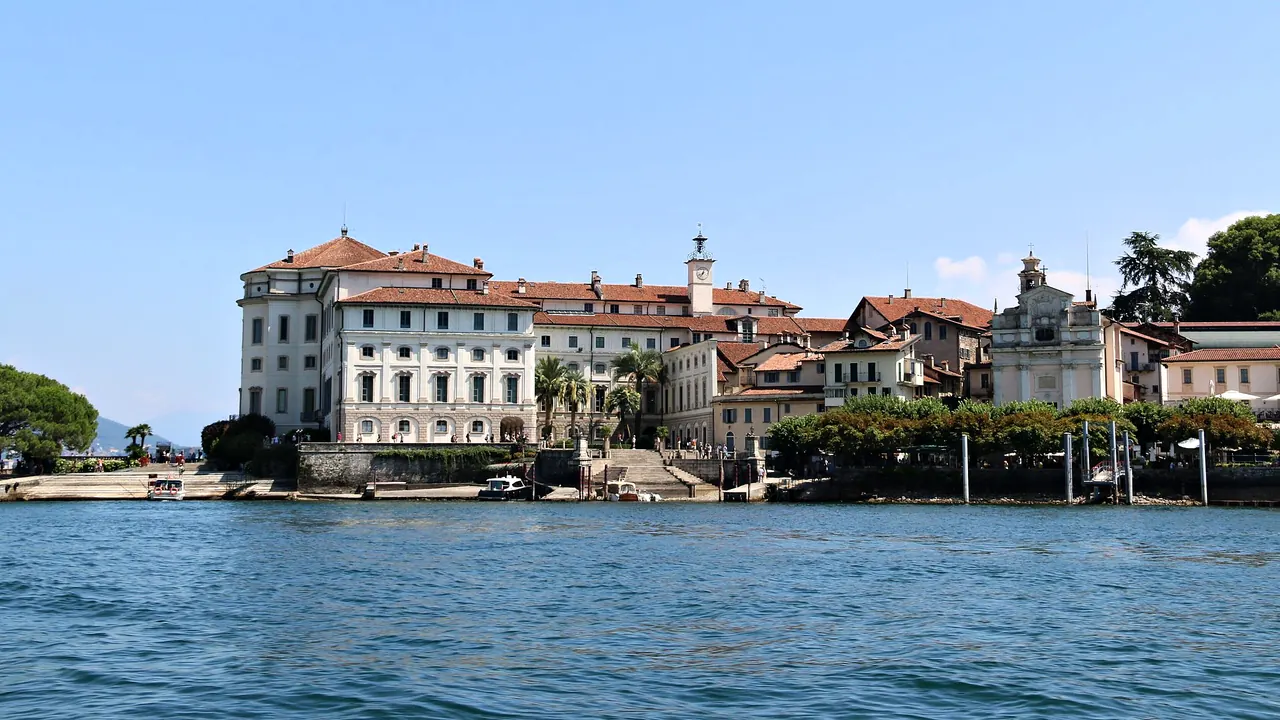
The Palazzo Borromeo on Isola Bella from the water
- Nature & outdoors80
- Day trips79
- Culture & sights63
Photo: FrDr, CC BY-SA 4.0, cropped
Match
51
Every category weighted equally
- Beach & sun52
- Culture & arts52
- Food & nightlife45
- Family trip57
- Outdoors60
- Relax & unwind55
- Shopping & style48
- On a budget51
Lake Maggiore in twelve categories
Our verdict on each, scored 0 to 100 against the same fixed benchmark cities, so a score means the same thing on every page.
Beaches & swimming. Scores 47 out of 100.
Food & drink. Scores 54 out of 100.
Culture & sights. Scores 63 out of 100.
Nightlife. Scores 13 out of 100.
Nature & outdoors. Scores 80 out of 100.
Day trips. Scores 79 out of 100.
Good for families. Scores 62 out of 100.
Getting around. Scores 57 out of 100.
Shopping & style. Scores 34 out of 100.
Affordability. Scores 44 out of 100.
Live music & performing arts. Scores 32 out of 100.
Wellness & relaxation. Scores 52 out of 100.
Lake Maggiore category by category
Beaches & swimming
47Swimming here means lake bathing from small pebble beaches, grassy lidos and stone jetties. From July to early September the surface water reaches about 23°C, so a swim feels fresh rather than warm. It starts later in June and drops off quickly in September. The best stretches are on the upper Piedmont shore around Cannobio and Cannero Riviera, where the water is clear and the beaches face the mountains. The flatter southern end near Arona and the Lombard shore has longer, gentler entries and some sand.
Beach life is part of the day rather than the reason for the trip. Most visitors take a swim between a garden visit and a boat ride. Steep drop-offs, boat traffic and cold water after rain in the Alps are worth knowing about. Anyone who wants a whole vacation built around the water will find the offer pleasant but limited.
Food & drink
54The cooking is quiet northern Italian lake food: perch fillets in butter and sage, risotto, polenta with braised meats, salami and cheeses from the Ossola valleys, and chestnuts in autumn. Waterfront trattorias in Stresa, Verbania, Cannobio and Ghiffa do this well. The Swiss shore around Locarno and Ascona adds grotti, rustic stone-cellar taverns in the woods where you eat at granite tables. A few highly regarded restaurants on the Verbania shore and the southern lake give it a fine-dining tier.
The red wines of the nearby Novara hills, Ghemme and Gattinara, and Ticino Merlot fill the lists. What the lake lacks is range and street food. The promenade cafés in the busiest towns trade on the view, and the evening choice in a single town is soon used up.
Culture & sights
63The heritage comes from the Borromeo family and the lake's era as a retreat for the rich. On Isola Bella, a Baroque palace with grotto rooms rises above terraced gardens. Isola Madre holds a botanical garden and a more intimate villa. Villa Taranto's gardens in Verbania, the medieval Rocca di Angera with its frescoed halls, and the giant copper statue of San Carlo above Arona round out the Piedmont and Lombard shores. The hermitage of Santa Caterina del Sasso clings to a cliff above the water.
Further north are the chapels of the Sacro Monte of Ghiffa, a UNESCO site, the sanctuary of Madonna del Sasso above Locarno and the old lanes of Ascona and Cannobio. Each site is a fine half-day, but they are spread along the lake and linked by boat. The density of a historic city is missing, and so is any museum of major rank.
Nightlife
13Evenings are about a long dinner by the water and a drink on the promenade afterwards. Locarno and Ascona on the Swiss shore and Stresa and Verbania on the Italian side have a few wine and cocktail bars that stay lively on summer weekends. By midnight most lakefronts are quiet. There are no clubs worth travelling for, and for a real night out you would have to go to Milan.
Nature & outdoors
80This is a long, narrow lake whose northern half pushes into the Alps. Wooded slopes run down to the water, and snow sits on the peaks behind into spring. Above Stresa rises Mottarone, reached by a winding road or on foot through beech and chestnut woods, and from its summit the view takes in seven lakes and the wall of Monte Rosa. Above the Verbania shore lies the Val Grande, a large, steep and genuinely empty wilderness. From Locarno, the Verzasca valley's green river and stone bridges and the wilder Maggia and Centovalli valleys are close by, with Monte Tamaro and Cardada for ridge walks.
On the water there is sailing and windsurfing on the afternoon breezes of the upper lake, plus kayaking along the quieter shores. Cycling paths run along the flatter southern end. Spring and autumn are best for hiking, when the camellias and azaleas flower or the chestnut woods turn. High summer is hazy and hot on the shore.
Day trips
79The lake sits where Piedmont, Lombardy and Ticino meet, so outings cross borders easily. Milan is about an hour by train from Stresa or Arona, and its cathedral, galleries and Last Supper make it the obvious big day out. Lake Orta, with the island of San Giulio and its medieval village, is under an hour from the western shore. From Locarno, Bellinzona's three castles are a short train ride away, and Lugano is under an hour.
The Centovalli railway runs from Locarno over viaducts to Domodossola, an old market town in the Ossola valley. Como and its lake, the Sacro Monte above Varese and the rice-growing country and wineries of the Novara hills give a long, varied list. Most of it is reached by train or a short drive rather than by boat.
Good for families
62For families the lake is gentle and easy: small towns, safe promenades, shallow lidos and boats that feel like an outing in themselves. The park at Villa Pallavicino in Stresa has animals that roam among the trees. On Mottarone there is a summer bobsleigh-style ride and adventure trails. The Swiss shore adds a falconry park and easy valley walks around Locarno, and the southern end has campsites with lake access.
What it lacks is anything big made for children. Palace interiors and formal gardens hold young attention only so long. The best bases for families are the flatter southern towns or a campsite on the upper shore, rather than the steep villages.
Getting around
57Public ferries are the lake's main thread. Short hops connect Stresa with the Borromean Islands and Verbania, while slower boats run the length of the lake and across between shores. Stresa and Arona are on the railway from Milan, and Locarno has good Swiss rail connections, so a car-free stay works well if you base yourself in one of them.
Getting further afield is harder. The lake is about 65km long, the coast roads are narrow and twisting and they clog in summer, and parking in the small towns is tight. Valley walks, hill villages and the quieter eastern shore are much easier with a car. Each town's centre is small and easy to walk, with steep lanes in the villages.
Shopping & style
34The best shopping is the weekly street markets. Luino's long-established Wednesday market fills the lakefront and draws people from both sides of the border. Cannobio's Sunday market and the Saturday market in Intra are smaller versions. They sell cheeses, cured meats, leather and household goods alongside clothing. Ascona and Locarno have a few boutiques and galleries, and the Italian towns sell local honey, chestnut products and wine.
Beyond that it is mostly souvenir and resort shops. Serious fashion and design shopping means a trip to Milan.
Affordability
44Prices depend heavily on which shore you choose. The Italian side is moderate for a European lake resort, with family-run hotels, agriturismi and campsites, and trattorias at ordinary Italian prices once you step back from the promenade. Stresa's grand lakefront hotels and the island excursions cost more in high summer. The Swiss shore around Locarno and Ascona runs at Swiss prices for rooms and meals alike. Ferry fares add up over a week of island-hopping, but visitors who base themselves in a smaller Piedmont town can keep costs reasonable.
Live music & performing arts
32Live music here comes in summer festivals rather than as a year-round scene. The long-running Stresa Festival puts on classical concerts in churches, palaces and on the Borromean Islands from midsummer into early autumn. Locarno's Piazza Grande hosts big open-air concerts in July, and Ascona has a well-known summer jazz festival along its lakefront. Outside these weeks there is little beyond church concerts and the odd local band. Opera and theatre mean a trip to Milan.
Wellness & relaxation
52The lake's restorative quality is its pace: slow boats, quiet gardens, long lunches and shore villages that fall silent in the evening. Spring and early autumn are the calmest seasons. The grand lakefront hotels in Stresa and on the Swiss shore have spas with lake views. In the Ossola valleys behind Verbania there are thermal baths, and the old spa village of Bognanco has springs known for generations. Both make a good half-day out.
There is no public bathing tradition on the lake itself, so this is a place to unwind rather than to take the waters.
Where to stay in Lake Maggiore
Stresa is the natural first base. It sits on the railway from Milan, the short ferries to the Borromean Islands and Verbania leave from its front, and Mottarone rises behind it, so a car-free stay works easily. It suits a first visit and garden lovers, though its grand lakefront costs more in high summer. Verbania, just up the shore, is a larger, more everyday town with Villa Taranto, good waterfront food and the Val Grande behind it for serious walking.
For swimming and a quiet stay, head north to Cannobio and Cannero Riviera, where the water is clearest and the lanes climb steeply from the shore. Families do better at the flatter southern end around Arona, with gentler beach entries, cycling paths and a direct train to Milan, or at a campsite on the upper shore.
The Swiss shore around Locarno and Ascona runs at Swiss prices but suits walkers best. The Verzasca, Maggia and Centovalli valleys are close by, rail links are good, and summer evenings bring wine bars and grotti in the woods. The lake is about 65km long and its roads are slow, so one base is enough for a week, or two if you want both the islands and the valleys. A car helps for the eastern shore and the hill villages.
When should you go?
Pick a month to see what it is like. The climate figures are measured averages, not a forecast.
Lake Maggiore in July
Daytime high, °C
Rainfall in the month, mm
The whole year
Shaded against this destination’s own year: the deepest cell is its best month for that figure and the palest its weakest.
Where the figures come from
Lake Maggiore's temperatures are measured 36 km from the centre, at Lugano.
Lake Maggiore has no rain gauge within 25 km of the centre, so its rainfall comes from a gridded climate dataset read at the destination rather than from a gauge further away.
Temperature and rainfall are climate normals, averaged over the years shown. Lake Maggiore: 1991-2020 normals, Lugano (35.9 km from centre).
Before you go
| Measure | Lake Maggiore |
|---|---|
| Official language | Italian |
| Currency | Euro (EUR) |
| Sockets | CFL230 V, 50 Hz |
| Driving side | Right |
| Time zone | UTC+1, UTC+2 in summer |
| Emergency number | 112 |
| Main airport | Milan Malpensa International Airport (MXP)208 non-stop destinations |
| Public holidays this year | 13 days |
Compare Lake Maggiore with
Every comparison with a written verdict behind it.
- Aeolian Islands
- Amalfi Coast
- Austrian Alps
- Bavaria
- Black Forest
- Capri
- Cinque Terre
- Corsica
- Dolomites
- Elba
- French Alps
- French Riviera
- Ischia
- Lake Como
- Lake Garda
- Procida
- Provence
- Puglia
- Sardinia
- Sicily
- Swiss Alps
- Tuscany
- Umbria