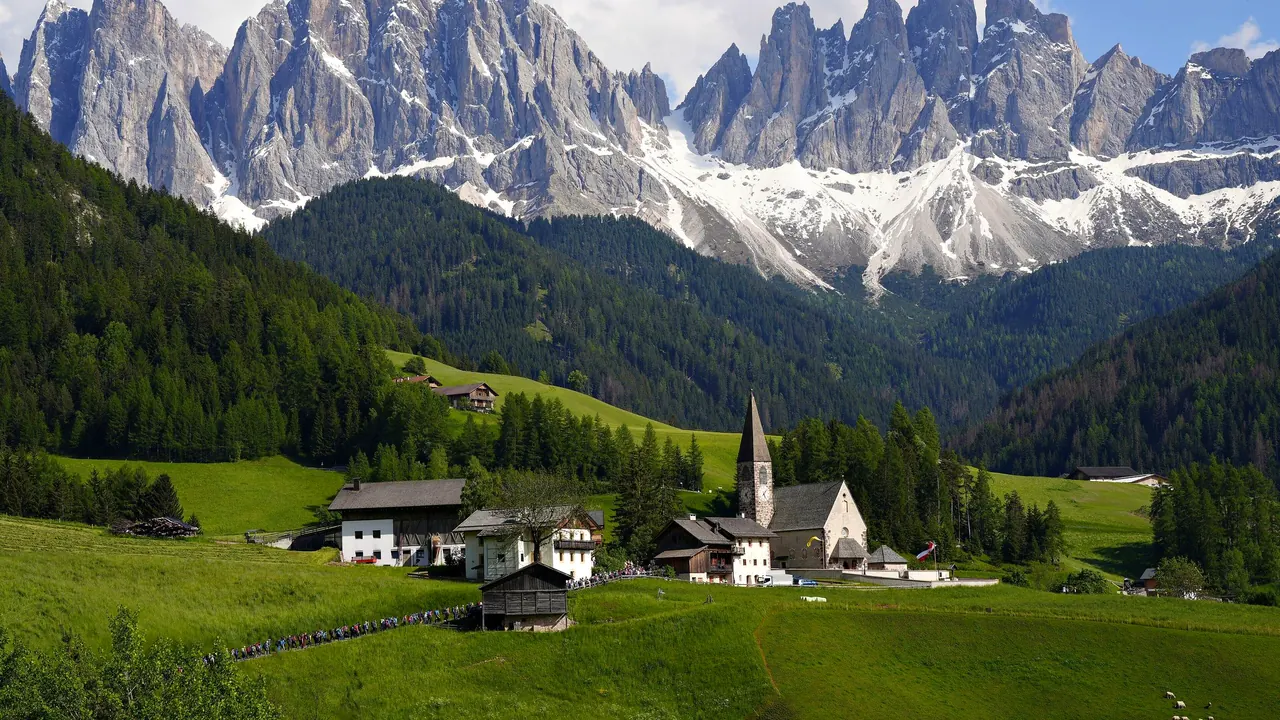
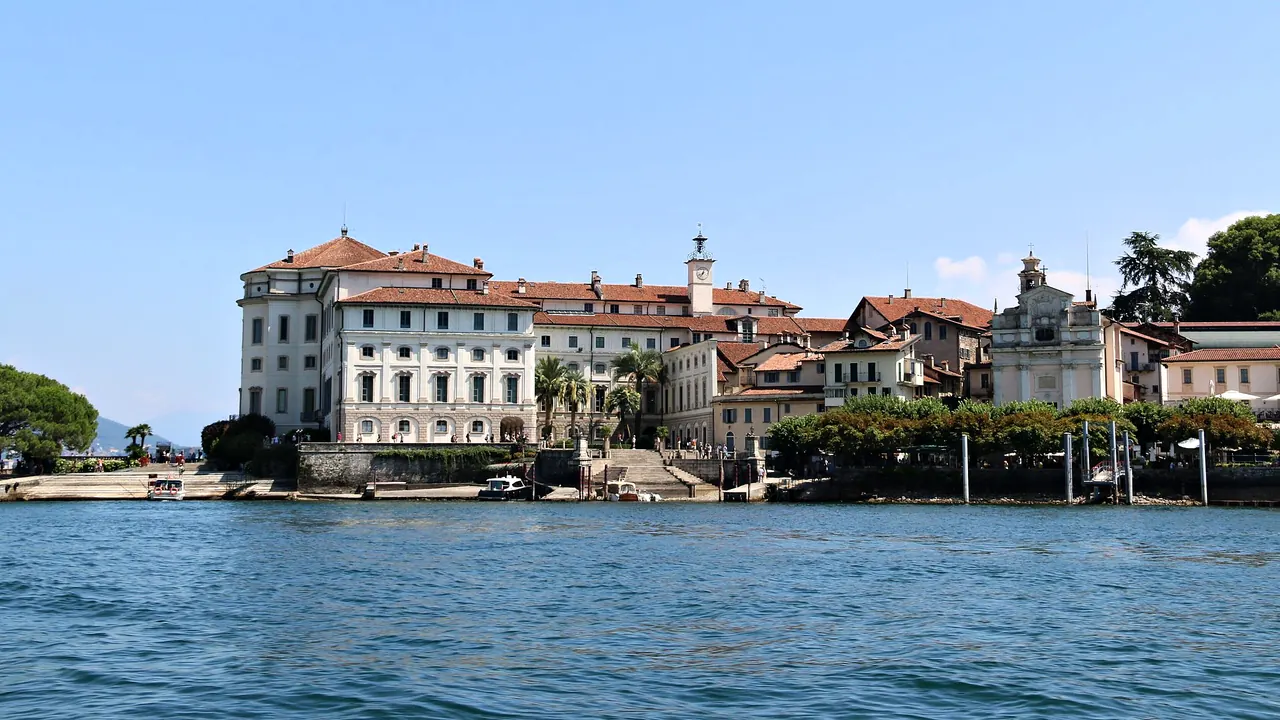
Photos: Dolomites by Chensiyuan, CC BY-SA 4.0, cropped; Lake Maggiore by FrDr, CC BY-SA 4.0, cropped.
Dolomites or Lake Maggiore?
Our verdict in twelve categories, each scored against the same fixed benchmark cities, and the climate month by month, so you can choose for your trip.
Choose Dolomites for
- nature and the outdoors
- food and drink
- wellness
Choose the Dolomites if the mountains themselves are the point. Lifts carry walkers onto high pasture and below limestone towers from almost every village, and winter brings a dozen linked ski valleys. Hut lunches, South Tyrolean wines and careful hotel spas fill the rest of the day. It suits hikers, cyclists, skiers and families in summer, as long as they accept higher prices and very quiet nights.
Choose Lake Maggiore for
- beaches
- prices
- culture and sights
Lake Maggiore is the better fit for a slower, warmer trip built around gardens, palaces and boats. The Borromean Islands, Villa Taranto and the cliffside hermitage of Santa Caterina give it more to visit than the mountain valleys. A swim off the Cannobio shore is a real daily pleasure in summer, and Milan, Lake Orta and the Ticino towns are easy outings. The Italian shore also costs less. The mountains behind are good for walking, but they are gentler than the Dolomites and come second to the lake.
Scoreboard
Twelve categories on one fixed scale from 0 to 100. The shaded stretch is the gap between the two.
Your match
Pick a travel style or drag the sliders, and both match scores follow your weighting.
Too close to call, 2 points apart
Wins on nature and the outdoors and food and drink with your weighting.
Wins on beaches and prices with your weighting.
What matters to you?
Category by category
What the scores mean for a trip.
Beaches & swimming
Neither is a beach destination, but at Lake Maggiore you can swim where you stay. In the Dolomites, high lakes such as Braies and Misurina are for rowing and photographs. Real swimming means going down to the lawns and lidos of Lake Caldaro or to the valley pools, and that works best from a base near Bolzano or Trento.
On Lake Maggiore the water is right by your door from July to early September. The upper Piedmont shore around Cannobio has clear water and pebble beaches facing the mountains. The southern end near Arona has gentler, partly sandy entries for those who prefer to wade in.
Food & drink
The Dolomites have the more memorable table, mostly thanks to where and how you eat. South Tyrolean speck, canederli and strudel, Ladin dishes in Gardena and Badia, and Trentino polenta and trout taste best on a hut terrace at 2,000 metres after a morning on the trail. Alta Badia and the Puster Valley have a surprising number of serious kitchens for such small villages. Lagrein and Gewürztraminer from the slopes below Bolzano, and the autumn Törggelen evenings of new wine and chestnuts, make it a wine region worth planning around.
Lake Maggiore cooks in a quieter register: perch in butter and sage, risotto and Ossola cheeses at waterfront trattorias in Cannobio or Ghiffa, and the stone-cellar grotti around Locarno for a rustic evening at granite tables. Both kitchens stay firmly local. The difference is that the lake has no hut lunches or wine country to match, and the promenade cafés often charge for the view rather than the cooking.
Culture & sights
Lake Maggiore has the stronger set of sights, and they are built around the water. The Borromean palaces and gardens on Isola Bella and Isola Madre, Villa Taranto, the frescoed Rocca di Angera and the cliff hermitage of Santa Caterina del Sasso each fill a half-day, and ferries link them.
In the Dolomites the landscape is the monument, and the built heritage sits in the valley towns. There is Ötzi in Bolzano's archaeology museum, the Castello del Buonconsiglio in Trento, the bishop's town of Bressanone and Novacella Abbey. The First World War trenches and tunnels on the high passes are the one thing the lake cannot match.
Nightlife
Both are places for early nights, though the Dolomites have a little more going on, mostly in winter. Après-ski at the foot of the slopes in Selva, Canazei and Cortina makes late afternoons sociable, and Bolzano and Trento have student and wine bars around their old centres.
Lake Maggiore's evenings are a long dinner and a drink on the promenade in Stresa, Verbania or Ascona, with a few bars busy on summer weekends. The lakefronts go quiet by midnight, and a real night out means going to Milan.
Nature & outdoors
The Dolomites are among the great mountain landscapes of the world, and they are made for using. The Tre Cime, the Sassolungo and the Marmolada rise above meadows you can reach by lift, and the Alta Via 1 crosses the range over a week. Winter adds the Sella Ronda and a dozen linked ski valleys.
Lake Maggiore is gentler but far from tame. The view over seven lakes from Mottarone, the empty Val Grande above Verbania and the green river of the Verzasca valley give good walking. The upper lake adds sailing and windsurfing, which the mountains cannot offer. The lake is best in spring and autumn, while the Dolomites are best from June to October and again in winter.
Day trips
Lake Maggiore sits where Piedmont, Lombardy and Ticino meet, which gives it the wider choice. Milan is an hour away by train, and Lake Orta with the island of San Giulio is close to the western shore. From Locarno, Bellinzona's castles, Lugano and the Centovalli railway to Domodossola are all easy, mostly without a car.
The Dolomites have good outings too, but they start from the Adige valley: Merano, Bressanone, Trento, the wine route and Verona by train from Bolzano. From a high village every trip begins with a slow pass road, which is why splitting the stay between a village and a valley town works best.
Good for families
In summer the Dolomites suit children better. Nearly flat paths cross the Alpe di Siusi and the Armentara meadows, and lifts do the climbing. Huts with playgrounds and farm animals, summer toboggan runs and hotels built around family stays make long days easy, and in winter the ski schools are well run. Rainy days are the weak spot.
Lake Maggiore is gentle rather than exciting for children. There are ferry rides, shallow lidos, the animals in the park at Villa Pallavicino and the summer ride on Mottarone. Palace interiors tire young visitors quickly, so the flatter southern towns or a lakeside campsite make the best base.
Getting around
The two are about as easy as each other without a car, but in very different ways. In the Dolomites, trains run up the Adige and Puster valleys, buses on one regional pass climb to the resorts, and once you arrive the lifts and linked ski areas carry you. The hard part is crossing between valleys on slow, busy hairpin passes, so most visitors who want to see several areas hire a car.
Lake Maggiore runs on its ferries, with short hops from Stresa to the islands and slower boats the length of the lake. Trains run from Milan to Stresa and Arona, and Locarno has Swiss rail. The narrow shore roads clog in summer, and the hill villages and eastern shore are easier by car.
Shopping & style
The Dolomites have more worth bringing home. There are Val Gardena's woodcarving workshops in Ortisei, the old loden and food shops under Bolzano's arcades and Cortina's short line of boutiques. The Advent markets of Bolzano, Merano and Bressanone are among the best known in the Alps, and speck, grappa and wine fill the suitcase.
On Lake Maggiore the best shopping is at the weekly street markets. Luino's long-established market draws people from both sides of the border, and Cannobio and Intra hold smaller versions. Beyond a few galleries in Ascona it is resort shops, and for serious fashion you go to Milan.
Affordability
Lake Maggiore makes it easier to keep costs down, as long as you stay on the Italian side. Family-run hotels, agriturismi and campsites in the smaller Piedmont towns, and trattorias a street back from the promenade, keep it moderate. The Swiss shore around Locarno and Ascona and the grand hotels of Stresa cost more.
The Dolomites are expensive in the ski season and in July and August. Cortina and Alta Badia are among the costliest resorts in Italy, and lift passes add up. Val di Fassa, Val di Fiemme and the valley towns are kinder on the budget, and June or September brings lower room rates.
Live music & performing arts
Neither has much of a year-round stage, and both come alive in summer. The Dolomites rely on their settings: Trentino's mountain festival puts musicians on meadows and hut terraces, and a jazz festival plays castles and wineries. Bolzano also has a resident orchestra, a theatre and its long-established piano competition.
Lake Maggiore's summer is more concentrated. The Stresa Festival holds classical concerts in churches and on the Borromean Islands, Locarno's Piazza Grande hosts open-air concerts, and jazz plays along the Ascona lakefront. Outside those weeks, opera and theatre mean a trip to Milan, while Bolzano and Trento keep a modest season of their own.
Wellness & relaxation
The Dolomites take wellness more seriously. Many South Tyrolean mountain hotels are built around their spas, with saunas facing rock walls and heated outdoor pools in the snow. The hay baths around Völs am Schlern keep a farming tradition going, and Merano's thermal baths stand in the town centre.
Lake Maggiore relaxes you through its pace rather than through treatments: slow boats, quiet gardens and long lunches. The spa hotels in Stresa and on the Swiss shore and the springs at Bognanco make a pleasant half-day, but the lake itself has no bathing tradition.
When should you go?
Pick your month. The climate figures are measured averages, not a forecast.
Dolomites in July
Lake Maggiore in July
Daytime high, °C
Rainfall in the month, mm
Where the figures come from
Lake Maggiore's temperatures are measured 36 km from the centre, at Lugano.
Lake Maggiore has no rain gauge within 25 km of the centre, so its rainfall comes from a gridded climate dataset read at the destination rather than from a gauge further away.
Temperature and rainfall are climate normals, averaged over the years shown. Dolomites: 1991-2020 normals, Dobbiaco (22.3 km from centre). Lake Maggiore: 1991-2020 normals, Lugano (35.9 km from centre).
In the Dolomites the summer months are both the warmest and the wettest. Highs of about 22°C in July and August are ideal for walking, but July brings around 130mm of rain, so plan for wet days and keep high routes flexible. June is warm enough for hiking too, though nearly as wet. September is cooler and noticeably drier, which makes it the steadiest month for long days on the trails. From December to March daytime highs stay close to freezing, and that is the ski season. Those winter months are also the driest of the year. If you want a swim in a valley lake, go in July or August.
Lake Maggiore is several degrees warmer than the Dolomites all year. July and August reach about 27°C and get the most sunshine, so they are the months for swimming, though they are too hot for long walks. April to June and September to October suit the gardens and the hills better, but rain is frequent in those seasons, heavy in May and peaking at about 146mm in November. Winter by the lake is mild but short of sun, and it has none of the snow that gives the Dolomites a second season.
Which traveller are you?
On an outdoors trip, the Dolomites are the clear choice. Lifts from almost every village reach the Alpe di Siusi, Seceda and the Sella massif. Via ferrate let non-climbers onto the high rock, and nothing by the lake matches the hut-to-hut routes or the winter ski circuits.
For a culture and arts trip, Lake Maggiore gives more. The Borromeo palace and gardens on Isola Bella, the frescoed Rocca di Angera and the Sacro Monte of Ghiffa are an easy boat ride apart. Milan's cathedral and Last Supper are an hour away by train.
On a beach and sun trip, Lake Maggiore is warmer and sunnier, and from July the clear water off Cannobio and Cannero is good for a daily swim from pebble beaches and lidos. The famous Dolomite lakes stay cold, so bathing there means valley pools or Lake Caldaro.
Before you go
| Measure | Dolomites | Lake Maggiore |
|---|---|---|
| Official language | Italian | Italian |
| Currency | Euro (EUR) | Euro (EUR) |
| Sockets | CFL230 V, 50 Hz | CFL230 V, 50 Hz |
| Driving side | Right | Right |
| Time zone | UTC+1, UTC+2 in summer | UTC+1, UTC+2 in summer |
| Emergency number | 112 | 112 |
| Main airport | Venice Marco Polo Airport (VCE)103 non-stop destinations | Milan Malpensa International Airport (MXP)208 non-stop destinations |
| Public holidays this year | 13 days | 13 days |
Where else could you go?
Every comparison below shares a destination with this one, so you can follow Dolomites or Lake Maggiore somewhere new.
- Lake Comovs Lake Maggiore
- Austrian Alpsvs Dolomites
- Swiss Alpsvs Lake Maggiore
- French Alpsvs Lake Maggiore
- Lake Gardavs Lake Maggiore
- Lake Gardavs Dolomites