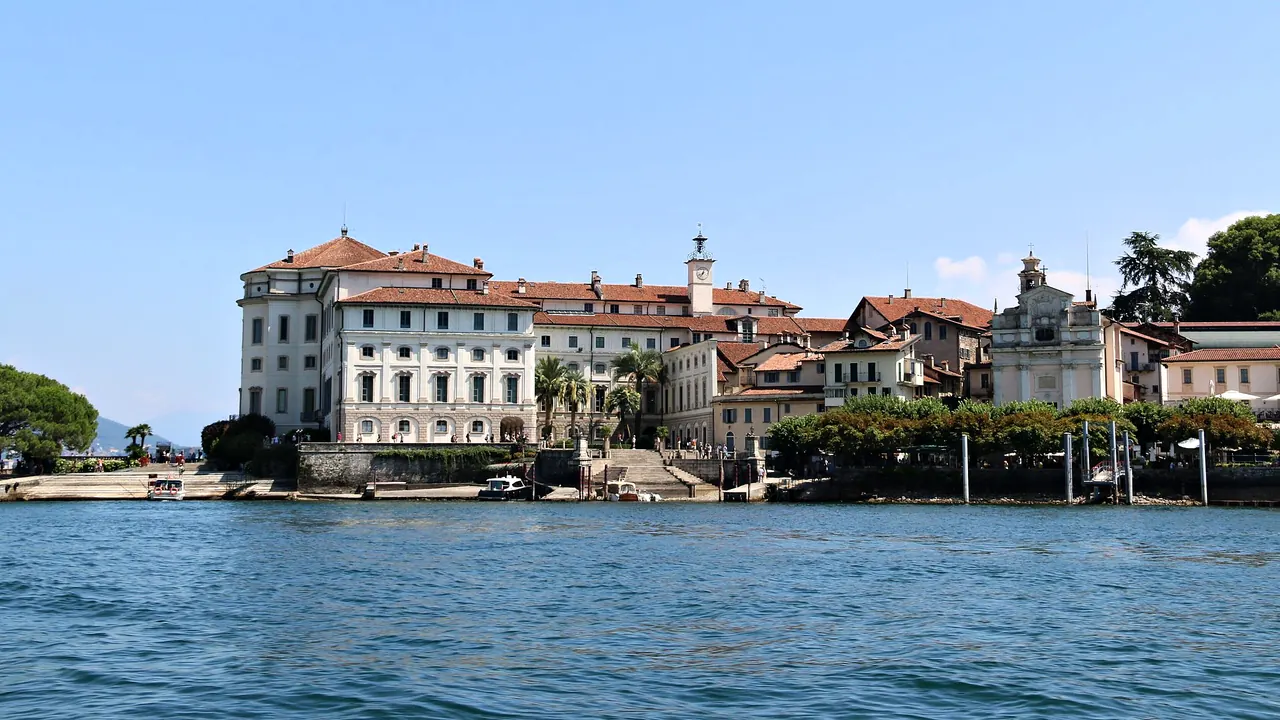
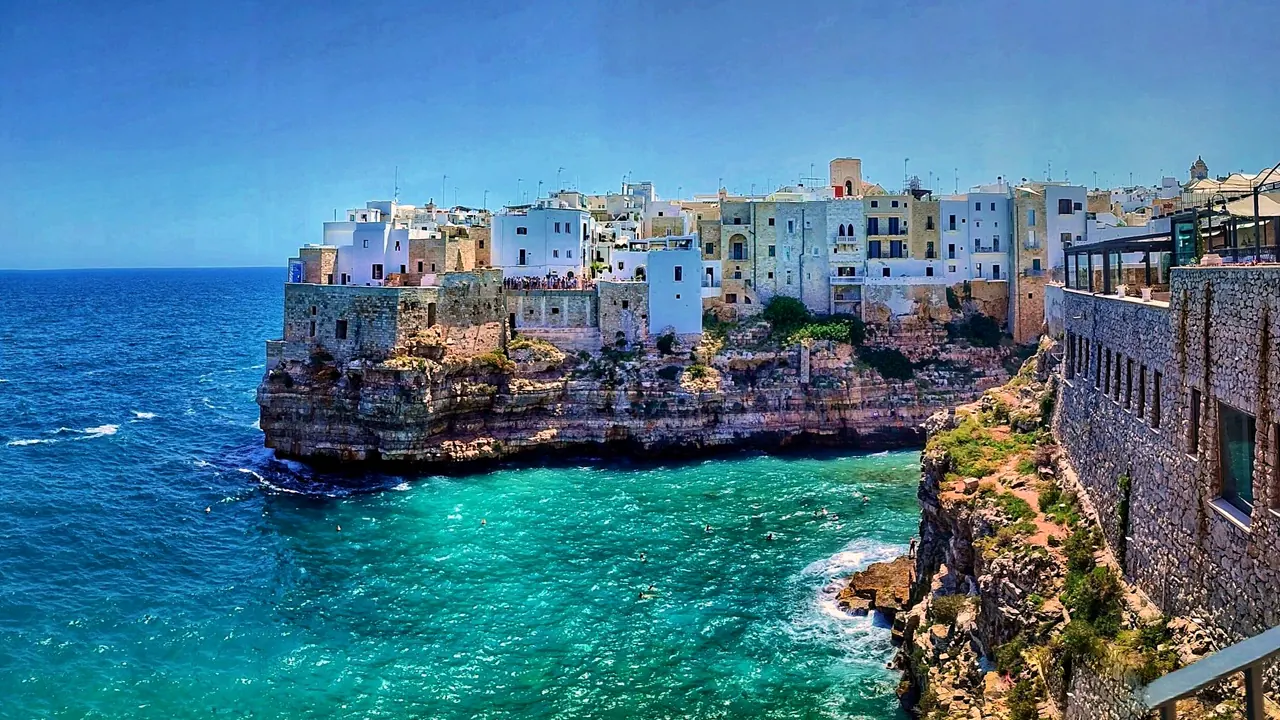
Photos: Lake Maggiore by FrDr, CC BY-SA 4.0, cropped; Puglia by Acquario51, CC BY-SA 4.0, cropped.
Lake Maggiore or Puglia?
Our verdict in twelve categories, each scored against the same fixed benchmark cities, and the climate month by month, so you can choose for your trip.
Choose Lake Maggiore for
- nature and the outdoors
- getting around
Lake Maggiore is the better choice for a slower, greener trip, where the day is a ferry to the Borromean Islands, a walk in the chestnut woods above Stresa or the Verzasca valley, and a long dinner by the water. It rewards walkers, garden lovers and anyone happy to go car-free from a rail town like Stresa or Locarno, with Milan an easy train ride away. It gives up warm sea, lively evenings and much variety at the table.
Choose Puglia for
- nightlife
- beaches
- food and drink
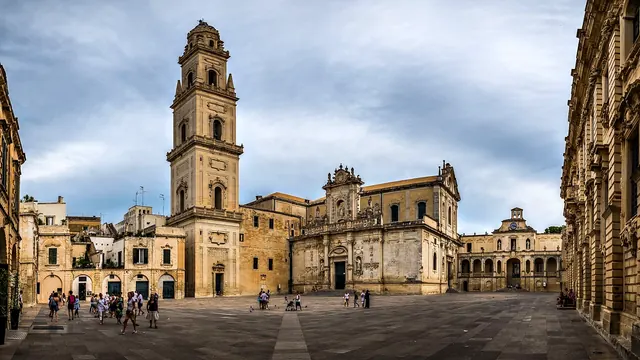
Puglia suits travellers who want summer built around the sea, with sandy Ionian beaches and rocky Adriatic coves, along with some of Italy's most rooted, generous cooking and baroque towns like Lecce to wander at night. It costs less to eat out and has far more going on after dark in July and August. The trade-off is that you need a car, and the region is long enough that seeing both ends means two bases.
Scoreboard
Twelve categories on one fixed scale from 0 to 100. The shaded stretch is the gap between the two.
Your match
Pick a travel style or drag the sliders, and both match scores follow your weighting.
Wins on nature and the outdoors and getting around with your weighting.
Wins on nightlife and beaches with your weighting.
What matters to you?
Category by category
What the scores mean for a trip.
Beaches & swimming
Puglia is a genuine beach destination. Lake Maggiore offers swimming as a pleasant extra. The lake gives you pebble beaches, grassy lidos and jetties, clearest around Cannobio and Cannero Riviera, in water that stays fresh even in high summer and cools quickly after Alpine rain.
Puglia has two coasts to choose from: long sandy shallows on the Ionian side of the Salento and limestone platforms, sea stacks and coves on the Adriatic around Polignano, Torre dell'Orso and Otranto, plus the cliffs of the Gargano. The sea stays warm enough for swimming well into September, and a Salento base reaches both shores.
Food & drink
Puglia eats far better and more variously. Lake Maggiore's table is restrained northern cooking, perch in butter and sage, risotto and polenta, with stone-cellar grotti on the Swiss shore and a few fine restaurants, but the choice in any one town runs out after a few evenings.
Puglia has a whole street-food culture, from focaccia barese and panzerotti to raw sea urchins on the Bari waterfront, along with burrata from the Murge, butcher-grill houses in the Valle d'Itria and rich, inexpensive Primitivo and Negroamaro. What it lacks is the lake's handful of refined dining rooms.
Culture & sights
Both spread their sights across a region rather than one city, but Puglia's are more varied and more striking. Lake Maggiore's heritage is aristocratic and garden-led: the Borromeo palace and terraces on Isola Bella, Villa Taranto, the Rocca di Angera and the cliffside hermitage of Santa Caterina, each a fine half-day by boat.
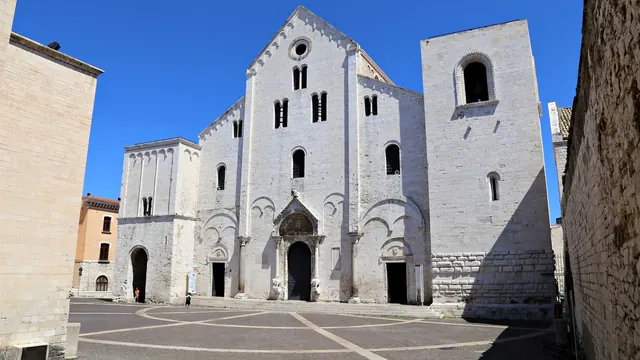
Puglia offers whole townscapes found nowhere else. You can see the baroque streets of Lecce, the trulli of Alberobello and Frederick II's octagonal Castel del Monte, with a line of Romanesque cathedrals from Trani to Otranto. Neither region has a major museum, and Puglia's sights take more driving to link up.
Nightlife
Lake Maggiore is for early nights. A long dinner and a drink on the promenade in Stresa, Verbania or Ascona is about the extent of it, and by midnight the waterfronts are silent.
Puglia has real summer nights out. Gallipoli's beach clubs run until the small hours, Salento beach bars host DJs, and Lecce's lanes fill with drinkers, while Bari keeps its bars going outside summer. The coast does go quiet out of season.
Nature & outdoors
Lake Maggiore has the stronger landscape by some distance. Its northern half pushes into the Alps, with snow on the peaks into spring, the empty Val Grande above Verbania, the seven-lake view from Mottarone and the green river of the Verzasca valley near Locarno. Sailing and windsurfing on the upper lake add something to do on the water.
Puglia is mostly gentle olive and dry-stone country, lovely by bicycle in the Valle d'Itria. Its drama is concentrated in the Gargano's beech forest and sea caves, the snorkelling round the Tremiti islands and the Salento cliff paths. Summer heat limits hiking there more than on the lake.
Day trips
From Lake Maggiore you go by train and cross borders, while in Puglia you drive between small towns. The lake's outings run to Milan in about an hour, Lake Orta and San Giulio, Bellinzona's castles, Lugano and the Centovalli railway over its viaducts.
Puglia's day trips are a chain of small towns a short drive apart: whitewashed Ostuni, Locorotondo, the harbour towns north of Bari and the Grecia Salentina villages near Lecce. Matera's cave dwellings, just over the border in Basilicata, are the outing most visitors put first.
Good for families
Puglia edges it for most families because it offers a real beach vacation. Its shallow sandy Salento bays suit small children, there is a large safari and amusement park at Fasano, and Italian piazza life welcomes children late into the evening, though August heat and the need for a car are drawbacks.
Lake Maggiore is gentler and cooler, with safe promenades, boat rides as outings, the animal park at Villa Pallavicino and the summer ride on Mottarone. Its formal gardens and palace rooms wear thin with young children.
Getting around
Lake Maggiore is easier without a car. Ferries link Stresa, the islands and Verbania, and Stresa, Arona and Locarno sit on good rail lines, so one well-chosen base works well. A car still helps for the valleys and the eastern shore, where narrow coast roads clog in summer.
Puglia is driving country. Its roads are good, but the region is long and the Gargano and the far south are hours apart. Trains serve the Bari to Lecce coast line, while inland towns are slow to reach by bus or local rail.
Shopping & style
Neither is a shopping destination, and both send fashion hunters elsewhere, Milan for the lake and Bari's Via Sparano for Puglia. Puglia has a little more to bring home, with Grottaglie's ceramic quarter, Lecce's papier-mache studios, Valle d'Itria linen and plenty of olive oil and wine.
On Lake Maggiore the best of it is the big weekly market at Luino and the smaller ones in Cannobio and Intra.
Affordability
Puglia goes further for the money, especially at the table, where trattorias, street snacks and local wine cost less than in the north. Its summer rooms near the Salento beaches and masserie are priced for high season, sun-loungers add up and car hire is close to essential.
Lake Maggiore's Italian shore is moderate if you stay in a smaller Piedmont town, but Stresa's grand hotels, a week of ferry fares and Swiss prices around Locarno and Ascona push a trip upwards.
Live music & performing arts
Puglia has more, and some of it runs all year. Bari's Teatro Petruzzelli gives it a proper opera and ballet season, Martina Franca stages rare operas in its ducal courtyard in summer, and the pizzica folk tradition peaks at the Notte della Taranta at Melpignano.
Lake Maggiore's music is almost all summer festivals: classical concerts of the Stresa Festival in palaces and on the islands, open-air shows in Locarno's Piazza Grande and jazz in Ascona. Opera means a trip to Milan.
Wellness & relaxation
The two are equally restful, but they slow you down in different ways. Lake Maggiore relaxes through slow boats, quiet gardens and cool green shores, with spas in the grand hotels and thermal baths up in the Ossola valleys at Bognanco.
Puglia's calm comes from masserie among the olive groves, many with pools and spas, and long hot afternoons, with sulphur springs in sea caves at Santa Cesarea Terme as its most unusual bathing spot.
When should you go?
Pick your month. The climate figures are measured averages, not a forecast.
Lake Maggiore in July
Puglia in July
Daytime high, °C
Rainfall in the month, mm
Where the figures come from
Lake Maggiore's temperatures are measured 36 km from the centre, at Lugano.
Lake Maggiore has no rain gauge within 25 km of the centre, so its rainfall comes from a gridded climate dataset read at the destination rather than from a gauge further away.
Puglia's temperatures are measured 64 km from the centre, at Brindisi.
Puglia has no rain gauge within 25 km of the centre, so its rainfall comes from a gridded climate dataset read at the destination rather than from a gauge further away.
Temperature and rainfall are climate normals, averaged over the years shown. Lake Maggiore: 1991-2020 normals, Lugano (35.9 km from centre). Puglia: 1991-2020 (sunshine 1981-2010) normals, Brindisi (64.4 km from centre).
Lake Maggiore is mild rather than hot. Summer highs reach about 27°C in July and August, warm enough for a lake swim but never too hot for walking the towns, and these are also the sunniest months. Rain comes in every season, heaviest in May and through the autumn, with November the wettest month at about 146mm. Winters are cold and grey. April, May and early autumn bring the flowering gardens and the turning chestnut woods, so pack for showers.
Puglia is warmer in every month, and from spring to early September it is far drier and sunnier than the lake. Winter rain is much the same in both places. July and August reach about 30°C, which makes long walks in the middle of the day hard going, and August is almost rainless at around 18mm. The sea is warm enough for swimming from June to September and is warmest in August, at 26°C, so the beach season is longer and more reliable than anything the lake offers. Rain returns from late September and builds into November. May, June and late September are the most comfortable months for combining towns and coast.
Which traveller are you?
For a beach and sun trip, Puglia is the clear pick. The Salento's pale sands and turquoise shallows and the coves of Polignano and Otranto offer a real seaside vacation in a warm sea, while Lake Maggiore's cool lake swims are a pleasant break between other things.
On an outdoors trip, Lake Maggiore wins. Alpine slopes come down to the water, with the Val Grande wilderness, the Mottarone summit view, the Ticino valleys around Locarno and afternoon winds for sailing, where Puglia is mostly gentle olive country apart from the Gargano.
For a food and nightlife trip, choose Puglia. Burrata, orecchiette, street focaccia and Primitivo give it far more range than the lake's perch and risotto, and summer nights in Gallipoli, Lecce and Bari go on long after the lakefronts have gone quiet.
Before you go
| Measure | Lake Maggiore | Puglia |
|---|---|---|
| Official language | Italian | Italian |
| Currency | Euro (EUR) | Euro (EUR) |
| Sockets | CFL230 V, 50 Hz | CFL230 V, 50 Hz |
| Driving side | Right | Right |
| Time zone | UTC+1, UTC+2 in summer | UTC+1, UTC+2 in summer |
| Emergency number | 112 | 112 |
| Main airport | Milan Malpensa International Airport (MXP)208 non-stop destinations | Bari Karol Wojtyła International Airport (BRI)104 non-stop destinations |
| Public holidays this year | 13 days | 13 days |
By the numbers
| Measure | Lake Maggiore | Puglia |
|---|---|---|
| Population | - | 3,866,174 |
| People per km² | - | 198 |
| Swim season, months above 21 °C | - | 4 months |
Where else could you go?
Every comparison below shares a destination with this one, so you can follow Lake Maggiore or Puglia somewhere new.
- Lake Comovs Lake Maggiore
- Swiss Alpsvs Lake Maggiore
- French Alpsvs Lake Maggiore
- Lake Gardavs Lake Maggiore
- Cinque Terrevs Lake Maggiore
- Korčulavs Puglia