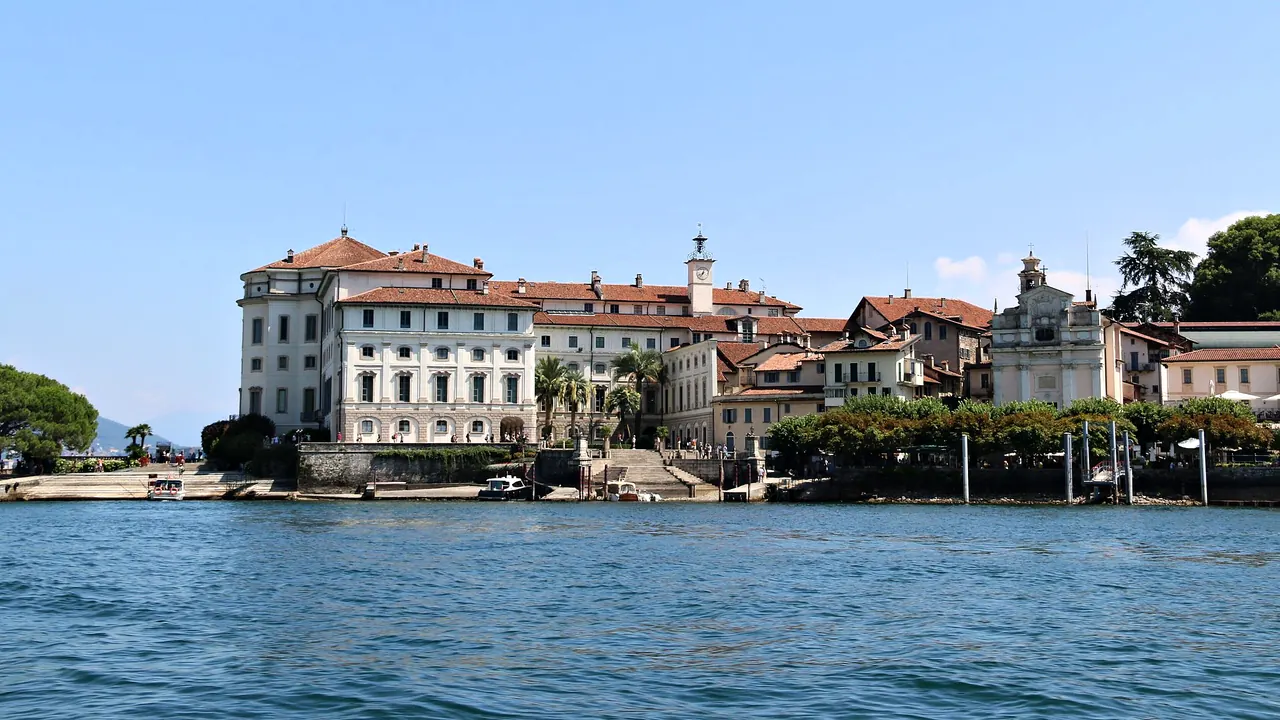
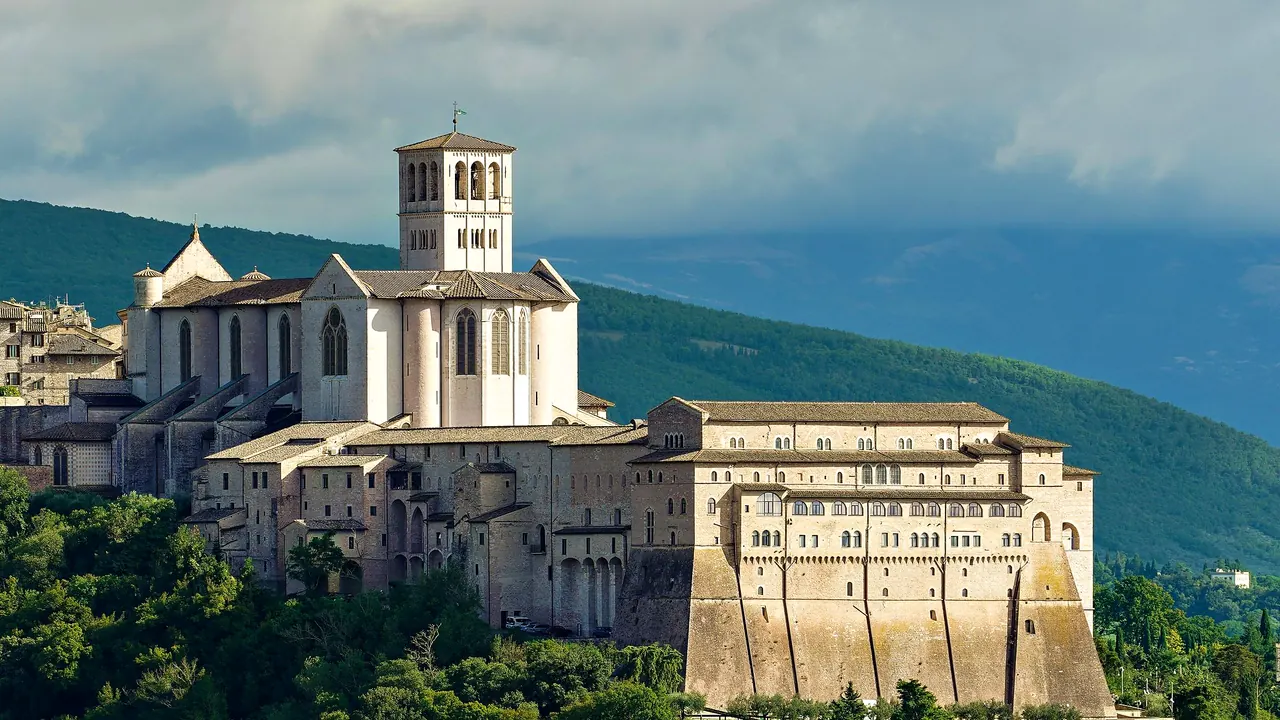
Photos: Lake Maggiore by FrDr, CC BY-SA 4.0, cropped; Umbria by Tagooty, CC BY-SA 4.0, cropped.
Lake Maggiore or Umbria?
Our verdict in twelve categories, each scored against the same fixed benchmark cities, and the climate month by month, so you can choose for your trip.
Choose Lake Maggiore for
- beaches
- families
- nature and the outdoors
Lake Maggiore suits travellers who want water and mountains at the centre of their days. Ferries to the Borromean Islands, gardens at Villa Taranto, a swim off a pebble beach at Cannobio and a walk up Mottarone make an easy rhythm. It is the better pick for families and for anyone who likes alpine scenery, though the Swiss shore makes it the dearer of the two and evenings end early.
Choose Umbria for
- culture and sights
- food and drink
- nightlife
Umbria is the stronger choice for art, food and wine. Giotto's frescoes in Assisi, the cathedral at Orvieto and a different hill town every day are reason enough, and truffles, Norcia pork and Sagrantino tastings fill the lunches. Since it has no coast, swimming means a farmhouse pool. It also costs less, and with a hire car it suits travellers who would rather drive between medieval towns than cruise between lakeside villages.
Scoreboard
Twelve categories on one fixed scale from 0 to 100. The shaded stretch is the gap between the two.
Your match
Pick a travel style or drag the sliders, and both match scores follow your weighting.
Wins on beaches and families with your weighting.
Wins on culture and sights and food and drink with your weighting.
What matters to you?
Category by category
What the scores mean for a trip.
Beaches & swimming
Lake Maggiore gives you real swimming days. The upper Piedmont shore around Cannobio and Cannero Riviera has clear water and pebble beaches facing the mountains, and the southern end near Arona has gentler entries with some sand. The water stays fresh even in midsummer, and you should watch for steep drop-offs and boat traffic.
Umbria has no coast at all. Lake Trasimeno warms up more, but it is shallow, often cloudy and muddy underfoot in places, so it suits paddling rather than proper swimming. Most visitors end up in their farmhouse pool.
Food & drink
Umbria is the place to travel for the food. Black truffle over strangozzi, pork from Norcia, porchetta from market vans and Castelluccio lentils make a cuisine with strong local products. On top of that, the Sagrantino estates around Montefalco and the whites of Orvieto turn wine tasting into a reason for the trip.
Lake Maggiore eats more quietly: perch in butter and sage, risotto and polenta in waterfront trattorias, plus the rustic grotti in the woods above Locarno. It is pleasant food, but a single town's choice soon runs out, and the promenade cafés charge for the view.
Culture & sights
Umbria is well ahead here. Its hill towns hold art of the first rank: Giotto and Cimabue in Assisi's basilica, Signorelli's Last Judgement in Orvieto, and Perugino and Piero della Francesca in Perugia's Galleria Nazionale. Gubbio, Spello and Montefalco add frescoes and squares that fill slower days.
Lake Maggiore's heritage is aristocratic and scenic rather than artistic. It includes the Baroque palace and terraced gardens of Isola Bella, the Rocca di Angera and the cliffside hermitage of Santa Caterina del Sasso. Each makes a good half-day, but the sites are strung out along the shores and reached by boat.
Nightlife
Neither is a place for clubbing, but Umbria has the livelier evenings thanks to Perugia. Its students fill the Corso and the cathedral steps on warm nights, and the old centre has wine bars and a few late spots. On Lake Maggiore the evening is dinner by the water and a drink in Stresa or Ascona, and the lakefronts are quiet by midnight.
Nature & outdoors
Lake Maggiore has the grander setting. Its northern half runs into the Alps, with snow on the peaks behind into spring. Above Verbania, the Val Grande offers serious wilderness walking, the Verzasca and Maggia valleys are close to Locarno, and the afternoon breezes on the upper lake suit sailing and windsurfing.
Umbria is softer country of olive groves and oak woods until you reach the Monti Sibillini in the east, where the Castelluccio plain flowers in June and paragliders launch from its rim. Its water adventures happen on rivers rather than open water: rafting and canyoning in the Valnerina, and the Marmore Falls with their drop of about 165m.
Day trips
Both are excellent bases, and Umbria comes out a little ahead because its outings are so close together. From Perugia or Spoleto a different hill town fills each day, from Gubbio and Todi to Bevagna and Norcia. Cortona, Montepulciano and Siena are close over the Tuscan border, and Rome is a little over an hour by train from Orvieto.
Lake Maggiore's list is more varied, crossing three regions and a border. Milan is about an hour by train, and nearby are Lake Orta and San Giulio, the castles of Bellinzona, and the Centovalli railway over its viaducts to Domodossola.
Good for families
Lake Maggiore is easier with children. Flat promenades, shallow lidos and ferries that count as an outing in themselves fill the days without effort. Add the animals among the trees at Villa Pallavicino, the summer ride and adventure trails on Mottarone and the falconry park near Locarno.
Umbria works for a slow family stay at a farmhouse with a pool, and the warm shallows of Trasimeno and the Marmore Falls help. The main sights, though, are frescoed churches and steep cobbled towns that are hard going with a pushchair.
Getting around
They are about as easy as each other, but in very different ways. On Lake Maggiore the ferries are the main thread, and Stresa, Arona and Locarno all have good rail links, so you can stay car-free if you base yourself in one of them. The narrow coast roads clog in summer.
Umbria really calls for a hire car. In return the roads are quiet and distances short, and you park below each hill town and ride up by escalator or funicular. Trains link Perugia, Assisi and Spoleto, but buses to Gubbio or Todi are infrequent.
Shopping & style
Neither is a shopping destination, but Umbria has a slight edge in things worth bringing home. There is painted majolica from the Deruta workshops, hand-loomed linen from Montefalco and Bevagna, and cashmere outlets near Perugia. Lake Maggiore's best shopping is its weekly markets, above all the big Wednesday market on Luino's lakefront, with boutiques in Ascona. Otherwise it is mostly souvenirs, and fashion means Milan.
Affordability
Umbria is the cheaper trip. Farmhouse stays and small hotels cost less than across the Tuscan border, set lunches in village trattorie are good value, and most sights are free churches. The main extra costs are a hire car and truffle dishes.
On Lake Maggiore, much depends on which shore you choose. A base in a smaller Piedmont town keeps costs moderate. Stresa's grand hotels, the Swiss prices around Locarno and Ascona, and a week of ferry fares soon push the bill up.
Live music & performing arts
Umbria has the bigger stage, though both are at their best in summer. Umbria Jazz takes over Perugia in July with headline concerts and free bands in the squares. Spoleto's Festival dei Due Mondi brings opera, theatre and dance to its Roman theatre, and the Teatro Morlacchi keeps a season through the year.
Lake Maggiore offers the Stresa Festival's classical concerts in churches and on the islands, open-air concerts in Locarno's Piazza Grande and jazz on Ascona's lakefront. For opera you have to go to Milan.
Wellness & relaxation
Both restore you through their pace rather than their bathing, but the calm feels different. On Lake Maggiore it comes from slow boats, quiet gardens and lake-view spas in the grand hotels of Stresa and the Swiss shore. The thermal baths of Bognanco and the Ossola valleys are a half-day away.
Umbria's calm is rural and contemplative: olive-grove views, yoga and massage at country houses, and the silence of Assisi and the hermitages on Monte Subasio once the day visitors leave.
When should you go?
Pick your month. The climate figures are measured averages, not a forecast.
Lake Maggiore in July
Umbria in July
Daytime high, °C
Rainfall in the month, mm
Where the figures come from
Lake Maggiore's temperatures are measured 36 km from the centre, at Lugano.
Lake Maggiore has no rain gauge within 25 km of the centre, so its rainfall comes from a gridded climate dataset read at the destination rather than from a gauge further away.
Umbria's temperatures are measured 53 km from the centre, at Frontone.
Umbria has no rain gauge within 25 km of the centre, so its rainfall comes from a gridded climate dataset read at the destination rather than from a gauge further away.
Temperature and rainfall are climate normals, averaged over the years shown. Lake Maggiore: 1991-2020 normals, Lugano (35.9 km from centre). Umbria: 1991-2020 normals, Frontone (52.9 km from centre).
Both have cold, grey winters and come into their own from late spring. Lake Maggiore is the cooler and wetter of the two. Summer highs reach about 27°C, and July and August are its sunniest months and the only real time for a lake swim. Rain is heavy in May, at about 124mm, and wettest of all in November, at around 146mm. That makes late spring and early autumn the walking seasons, provided you carry a jacket.
Umbria gets hotter and drier in summer. July averages around 30°C and only about 32mm of rain, which is fine for a pool at a farmhouse but tiring on steep town streets at midday. May, June and September are the best months for touring the hill towns. Rain picks up from late September and peaks in November, though Umbria's autumn is drier than the lake's.
Which traveller are you?
For a beach and sun trip, neither is a natural choice, but Lake Maggiore comes closer. Its swimming is a cool dip fitted between boat rides and gardens rather than the point of the day. That still beats a region with no coast and few places to swim.
On a culture and arts trip, Umbria is the better base. Its great art sits inside the hill towns, so each day means exploring one town on foot. On the lake, sightseeing means a palace or garden here and there, reached by boat.
On a family trip with children, Lake Maggiore makes the days easier. Life revolves around the water and the boats, and the flat towns are easy to wander. Umbria's sightseeing is churches and steep streets, which tire children quickly and leave the swimming pool doing most of the work.
Before you go
| Measure | Lake Maggiore | Umbria |
|---|---|---|
| Official language | Italian | Italian |
| Currency | Euro (EUR) | Euro (EUR) |
| Sockets | CFL230 V, 50 Hz | CFL230 V, 50 Hz |
| Driving side | Right | Right |
| Time zone | UTC+1, UTC+2 in summer | UTC+1, UTC+2 in summer |
| Emergency number | 112 | 112 |
| Main airport | Milan Malpensa International Airport (MXP)208 non-stop destinations | Perugia San Francesco d'Assisi – Umbria International Airport (PEG)17 non-stop destinations |
| Public holidays this year | 13 days | 13 days |
By the numbers
| Measure | Lake Maggiore | Umbria |
|---|---|---|
| Population | - | 852,085 |
| People per km² | - | 101 |
Where else could you go?
Every comparison below shares a destination with this one, so you can follow Lake Maggiore or Umbria somewhere new.
- Lake Comovs Lake Maggiore
- Swiss Alpsvs Lake Maggiore
- Tuscanyvs Umbria
- French Alpsvs Lake Maggiore
- Lake Gardavs Lake Maggiore
- Elbavs Umbria