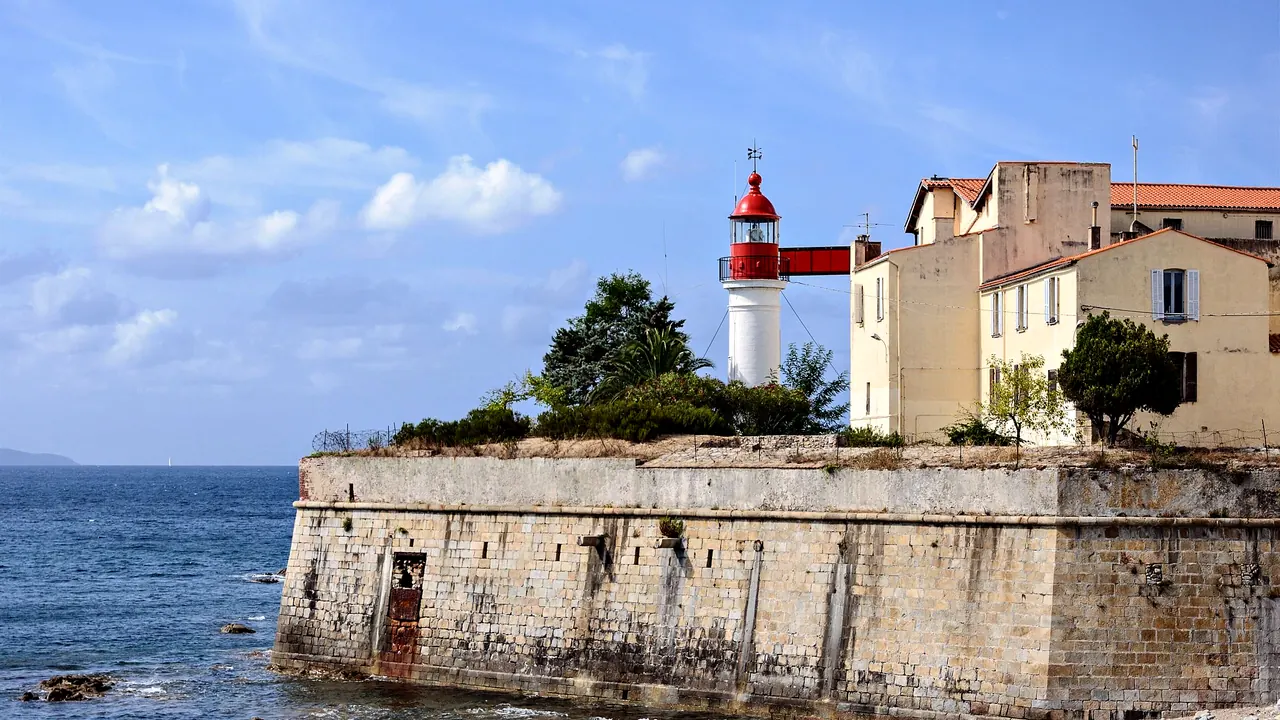
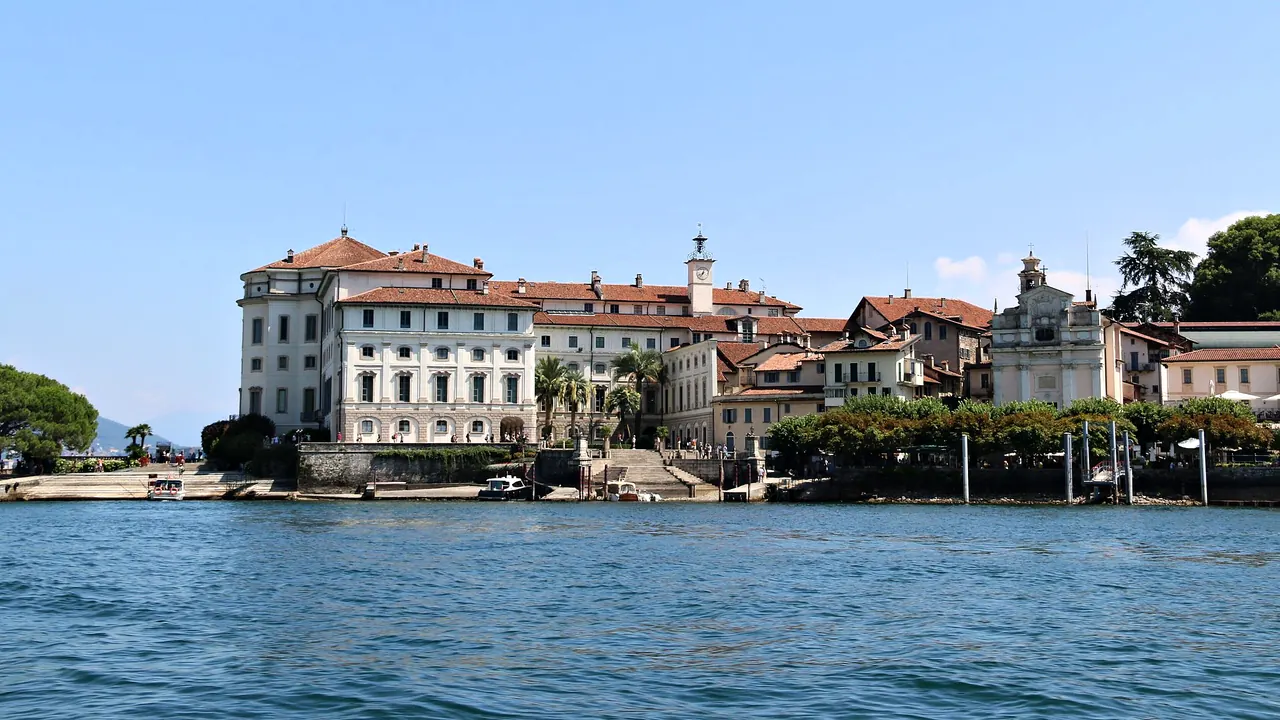
Photos: Corsica by Myrabella, CC BY-SA 3.0, cropped; Lake Maggiore by FrDr, CC BY-SA 4.0, cropped.
Corsica or Lake Maggiore?
Our verdict in twelve categories, each scored against the same fixed benchmark cities, and the climate month by month, so you can choose for your trip.
Choose Corsica for
- beaches
- nightlife
- nature and the outdoors
Corsica is the pick for travellers who want the sea and the mountains to be the whole point of the trip. Its southern beaches around Porto-Vecchio and Bonifacio are among the finest in the Mediterranean, and the granite spine behind them offers serious trekking, canyoning and diving. You will need a car, a bigger budget and some patience on slow mountain roads, and in return you get a wilder, sunnier island with more going on after dark in high summer.
Choose Lake Maggiore for
- getting around
- day trips
- prices
Lake Maggiore suits a gentler, more varied trip: gardens, palace islands, ferry rides and easy outings by train to Milan, Lake Orta or the castles of Bellinzona. It is simpler to do without a car, it costs less on the Italian shore, and its slow pace makes for proper rest. Swimming is a pleasant extra here rather than the reason to come, and evenings end early.
Scoreboard
Twelve categories on one fixed scale from 0 to 100. The shaded stretch is the gap between the two.
Your match
Pick a travel style or drag the sliders, and both match scores follow your weighting.
Too close to call, 1 point apart
Wins on beaches and nightlife with your weighting.
Wins on getting around and day trips with your weighting.
What matters to you?
Category by category
What the scores mean for a trip.
Beaches & swimming
This is where the two are furthest apart. Corsica's beaches are a reason to cross the sea in themselves: the pine-backed sand of Palombaggia, the sheltered bay of Santa Giulia, Saleccia in the Agriates, reached by boat or a long track, and granite coves down the west coast, all in water that reaches about 25°C in August.
Lake Maggiore offers lake bathing from lidos, jetties and small pebble beaches, best around Cannobio and Cannero Riviera, with gentler sandy entries near Arona. The water stays fresh even in midsummer, and a swim is something you fit in between a garden and a boat ride rather than the day itself.
Food & drink
Corsica has a little more character on the plate, though it is mountain cooking first: free-range cured pork such as lonzu and figatellu, brocciu in everything from omelettes to fiadone, wild boar and chestnut flour, with serious wine from Patrimonio and Sartène. Village inns and the markets of Ajaccio and Bastia beat the resort menus.
Maggiore's cooking is quieter northern Italian lake food, perch in butter and sage, risotto and polenta, with Ticino's stone-cellar grotti as the most memorable setting and a small fine-dining tier on the Verbania shore. Neither place offers much range beyond its own regional kitchen.
Culture & sights
The sightseeing is roughly level, but different in kind. Corsica's heritage is military and rugged: Genoese citadels and watchtowers, Bonifacio's old town on its white cliffs, Corte's upper town and the standing stones of Filitosa, best taken in on a road trip.
Maggiore's is aristocratic and garden-based: the Borromeo palace and terraces on Isola Bella, the botanical garden of Isola Madre, Villa Taranto and the cliff-hung hermitage of Santa Caterina del Sasso. These are joined by boat rather than by car, and neither destination has a museum of major rank, though Ajaccio's Palais Fesch comes closest.
Nightlife
Neither is a destination for nightlife, but Corsica at least has a summer scene. In July and August the open-air clubs in the hills behind Porto-Vecchio and the late beach and harbour bars of Calvi keep going well after dinner.
At Lake Maggiore a drink on the promenade in Stresa, Verbania or Ascona is about as far as it goes, and most lakefronts are quiet by midnight. A real night out means the train to Milan.
Nature & outdoors
Both are superb for the outdoors, but Corsica is the bigger, wilder proposition. Peaks above 2,700m rise straight from the coast, the GR20 is one of Europe's great treks, and the red granite of Piana, the sea caves of Scandola and the needles of Bavella add sea kayaking, diving and canyoning to the hiking.
Maggiore's landscape is softer and alpine in feel: the seven-lake view from Mottarone, the empty Val Grande wilderness and the green river of the Verzasca valley near Locarno. Sailing and windsurfing on the upper lake replace Corsica's sea sports.
Day trips
Lake Maggiore wins clearly here because it sits where three regions and two countries meet. Milan's cathedral and Last Supper are about an hour away by train, and Lake Orta, Bellinzona's castles, Lugano, Como and the Centovalli railway to Domodossola all make easy days out without a car.
On Corsica, outings mean other towns and villages, such as Sartène, the Balagne hill villages or Cap Corse, and slow mountain roads keep each base to its own few. The ferry from Bonifacio to Sardinia is the one real change of scene.
Good for families
Lake Maggiore is slightly easier with children: safe promenades, shallow lidos, ferries that count as an outing, the roaming animals of Villa Pallavicino's park and the summer bobsleigh run on Mottarone. Short distances between towns help too.
Corsica works for families who want a beach-and-campsite vacation, with calm, shallow water at Santa Giulia and resort villages with pools, but long twisting drives are hard on young passengers. Neither has a major zoo or theme park.
Getting around
Maggiore is far easier to manage without a car. Ferries link Stresa, the Borromean Islands and Verbania, and Stresa, Arona and Locarno all sit on main railway lines, so one well-chosen base can carry a whole stay, even if the valleys still call for wheels.
In Corsica a car is close to essential. The scenic narrow-gauge railway between Ajaccio, Corte, Bastia and Calvi is a pleasure but misses the south, buses are infrequent, and summer traffic on the resort roads is slow.
Shopping & style
Neither is a shopping trip, and both are best for food and craft to take home. Maggiore has the livelier markets, above all Luino's long-established Wednesday market that fills the lakefront, plus a few boutiques in Ascona, and Milan is close for fashion. Corsica's strengths are charcuterie, wine and hand-forged knives from the morning markets and Balagne craft villages.
Affordability
Lake Maggiore is the easier place to keep costs down, as long as you stay on the Italian shore. A small Piedmont town with a family-run hotel or agriturismo and ordinary trattorias keeps a week reasonable, while Stresa's grand hotels and the Swiss shore cost much more.
Corsica in July and August is expensive almost everywhere people want to be, and the ferry crossing and car hire you will need come on top. June, September, campsites and inland villages soften the bill.
Live music & performing arts
Both are summer-festival places with little live culture the rest of the year. Corsica's distinctive offer is its own polyphonic singing, heard in village churches, alongside Calvi's jazz and guitar evenings in the Patrimonio vineyards. Maggiore leans classical, with the Stresa Festival's concerts in palaces and on the islands, plus open-air concerts in Locarno's Piazza Grande and jazz in Ascona.
Wellness & relaxation
Lake Maggiore is the steadier place to unwind, because calm is its normal state rather than something you have to look for. The shore villages fall silent in the evening for most of the year, spring and early autumn are especially peaceful, and the thermal baths in the Ossola valleys behind Verbania are close enough for a half-day out.
Corsica's quiet depends more on where and when you go. Inland, the heat sets the pace with long lunches and siestas, and mountain villages have little going on after dark. In July and August, though, the famous southern beaches and resort roads are busy, so June, September or a village base suit a restful stay better. Neither destination has a bathing tradition to build a trip around.
When should you go?
Pick your month. The climate figures are measured averages, not a forecast.
Corsica in July
Lake Maggiore in July
Daytime high, °C
Rainfall in the month, mm
Where the figures come from
Lake Maggiore's temperatures are measured 36 km from the centre, at Lugano.
Lake Maggiore has no rain gauge within 25 km of the centre, so its rainfall comes from a gridded climate dataset read at the destination rather than from a gauge further away.
Temperature and rainfall are climate normals, averaged over the years shown. Corsica: 1991-2020 normals, Ajaccio (5.1 km from centre). Lake Maggiore: 1991-2020 normals, Lugano (35.9 km from centre).
Corsica has a proper Mediterranean summer. June to August is hot and dry, with barely 9mm of rain in July and highs near 29°C, and the sea is warm enough to swim from June into October, reaching about 25°C in August. September stays warm and is still good beach weather, but the first real showers arrive, and the rain builds through October to its peak in November. Midsummer is too hot for long walks at low altitude, so May, June and September suit a trip that mixes beach and hiking. Winters stay mild on the coast.
Lake Maggiore is a little cooler in summer and gets less sun than Corsica in every month. It has no dry season. Rain falls all through the year, heaviest in May and November, when it reaches 146mm, and July and August are warm enough for lake swims but bring regular wet days. Spring and early autumn are the best times for walking and gardens if you can live with some rain. Winter is cold, with January highs around 7°C, so it is not a season for a lake trip.
Which traveller are you?
For a beach and sun trip, Corsica is the clear choice. Pale sand and turquoise water at Palombaggia, Santa Giulia and Rondinara, a warm sea from June to October and long, dry summers beat Maggiore's fresh lake water and small pebble beaches.
On a trip with a tight budget, Lake Maggiore goes further. Family-run hotels, agriturismi and trattorias on the Italian shore stay at ordinary prices, and trains and ferries replace car hire, while Corsica's coast charges resort rates in summer.
For a relaxing and wellness trip, Lake Maggiore has the edge. Slow boats, quiet gardens and silent evenings set the pace, and lake-view hotel spas plus the old thermal springs at Bognanco give more to work with than Corsica's few simple inland springs.
Before you go
| Measure | Corsica | Lake Maggiore |
|---|---|---|
| Official language | French | Italian |
| Currency | Euro (EUR) | Euro (EUR) |
| Sockets | CE230 V, 50 Hz | CFL230 V, 50 Hz |
| Driving side | Right | Right |
| Time zone | UTC+1, UTC+2 in summer | UTC+1, UTC+2 in summer |
| Emergency number | 112 | 112 |
| Main airport | Ajaccio Napoléon Bonaparte airport (AJA)29 non-stop destinations | Milan Malpensa International Airport (MXP)208 non-stop destinations |
| Public holidays this year | 11 days | 13 days |
By the numbers
| Measure | Corsica | Lake Maggiore |
|---|---|---|
| Population | 355,486 | - |
| People per km² | 41 | - |
| Swim season, months above 21 °C | 4 months | - |
Where else could you go?
Every comparison below shares a destination with this one, so you can follow Corsica or Lake Maggiore somewhere new.
- Lake Comovs Lake Maggiore
- Swiss Alpsvs Lake Maggiore
- Sardiniavs Corsica
- French Alpsvs Lake Maggiore
- Lake Gardavs Lake Maggiore
- Elbavs Corsica