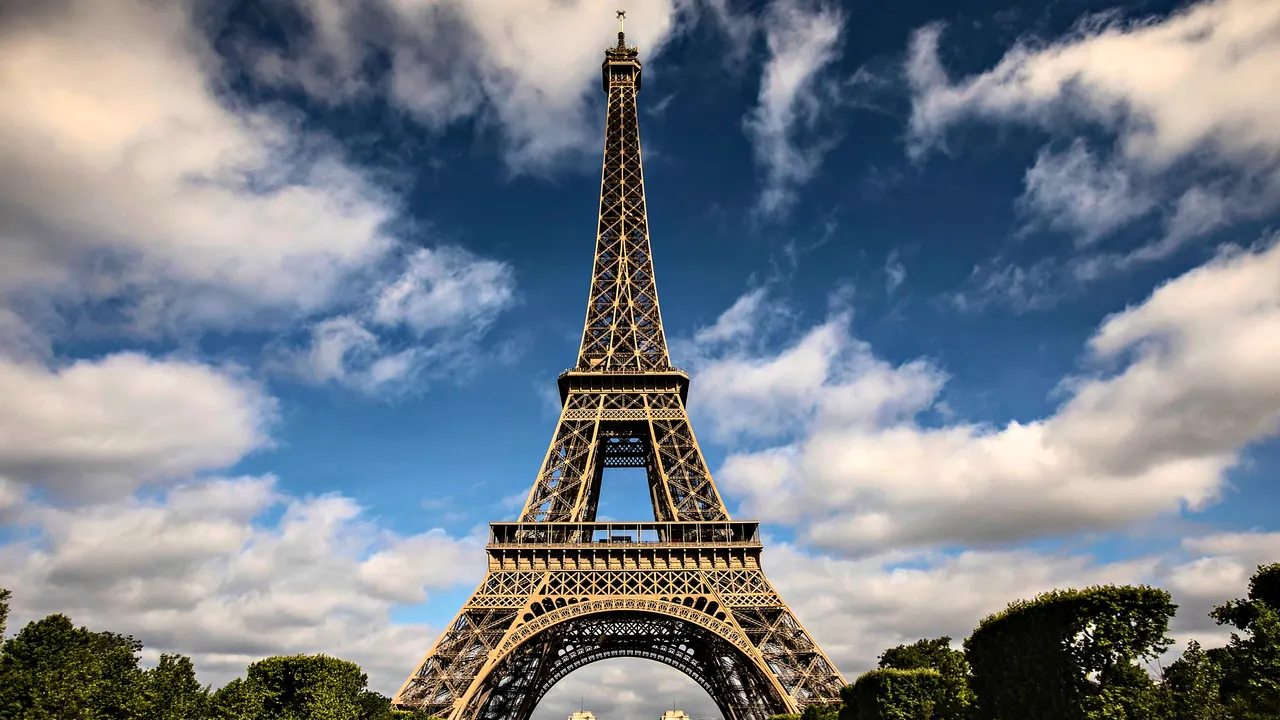
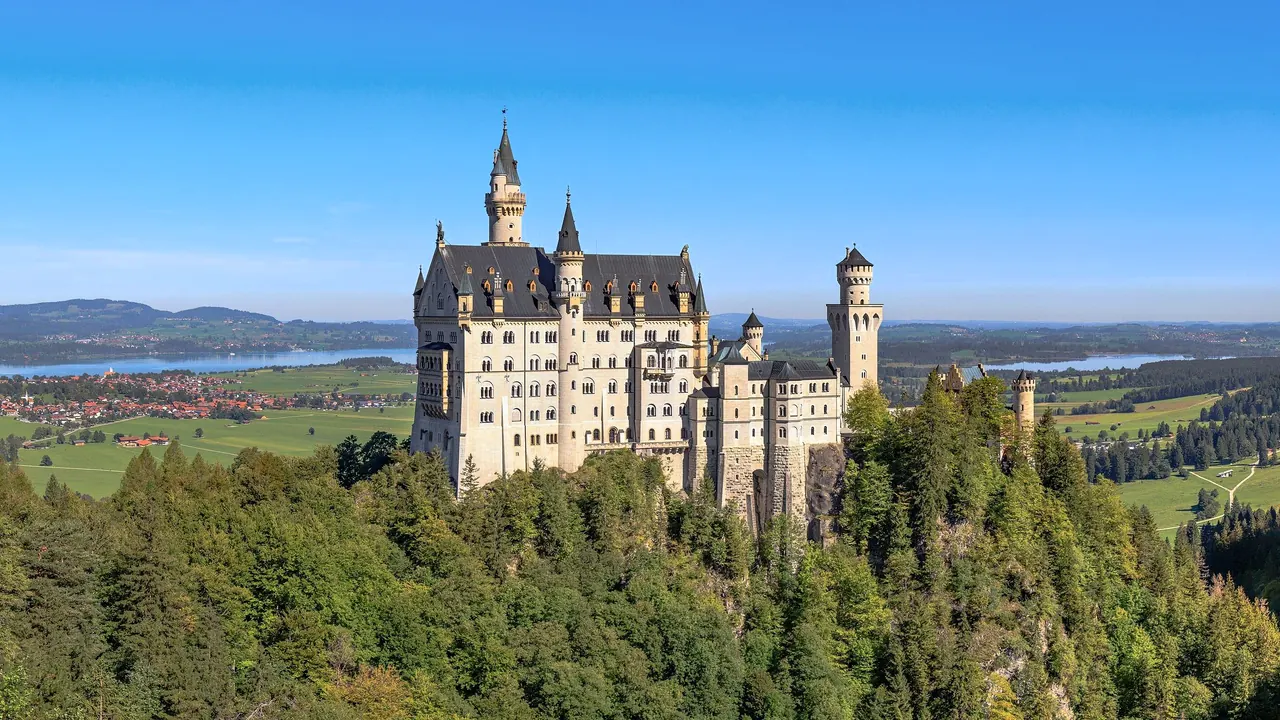
Photos: France by Stephen Leonardi, Pexels License; Germany by Llez, CC BY-SA 3.0, cropped.
France or Germany?
Our verdict in twelve categories, each scored against the same fixed benchmark cities, and the climate month by month, so you can choose for your trip.
Choose France for
- beaches
- food and drink
- shopping
France is the better choice for a trip built around the table, the landscape and the sea. Regional cooking and wine follow you everywhere, from Lyon's bouchons to Basque seafood. It has Mediterranean bays in Corsica and on the Côte d'Azur, high mountains under Mont Blanc and in the Pyrenees, and heritage that runs from the Louvre to the Loire châteaux. It suits travellers who want a summer in the south, or several regions joined by fast trains and a hire car.
Choose Germany for
- wellness
- nightlife
- prices
Germany pays back a different kind of traveller: someone who wants their evenings at the opera, in a concert hall or in a Berlin club, and their days in thermal baths and on a train between old cities. Spa culture runs deep, from Baden-Baden to the sauna complexes in every city. Prices are a little gentler, especially in Leipzig and Dresden, and the music season keeps the country rewarding well beyond summer.
Scoreboard
Twelve categories on one fixed scale from 0 to 100. The shaded stretch is the gap between the two.
Your match
Pick a travel style or drag the sliders, and both match scores follow your weighting.
Wins on beaches and food and drink with your weighting.
Wins on wellness and nightlife with your weighting.
What matters to you?
Category by category
What the scores mean for a trip.
Beaches & swimming
France wins this clearly. Corsica's pale-sand bays around Porto-Vecchio and Bonifacio rival the Mediterranean's best. The Languedoc offers an easy family run of flat sand, and the Basque coast and the Landes add big Atlantic surf beaches and dunes.
Germany's beaches are a northern pleasure rather than a destination. Usedom and Rügen have fine white sand, old piers and wicker beach chairs, but the Baltic stays cool and the season lasts only a few summer weeks. For a swim inland, the Upper Bavarian lakes are often the warmer choice.
Where in France: Corsica, Côte d'Azur, Languedoc coast, Basque coast
Food & drink
For eating, France is in a different league. Every region brings its own cooking, cheese and wine, from Lyon's bouchons and Burgundy's wine-led kitchens to Basque pintxos and Breton oysters. The covered market and the corner bakery make even an ordinary day eat well.
Germany rewards those who follow the beer and the wine: Munich's beer gardens, Franconia's village breweries and smoked beer, and Moselle Riesling in riverside taverns. Berlin adds Turkish and Vietnamese street food. Away from these, the cooking in tourist centres can feel heavy and repetitive.
Culture & sights
Both countries have a great deal to see, but France goes deeper. Paris alone has the Louvre, the Orsay and the Sainte-Chapelle. Beyond it lie the Loire châteaux, the Roman arenas and the Pont du Gard in Provence, Mont-Saint-Michel and the D-Day beaches in Normandy, and the prehistoric caves of the Dordogne.
Germany's strength is the twentieth century and its many fine cities. Berlin's Museum Island, the Reichstag and the line of the Wall tell a recent story that France cannot match. Dresden, Cologne Cathedral, Bamberg, Regensburg and the Bauhaus sites sit conveniently along one rail route, although war damage left some old centres rebuilt.
Where in France: Paris, Loire Valley, Provence, Normandy
Nightlife
Germany is the stronger night out, and Berlin is the reason. Its clubs keep going from Saturday night to Monday, and the bars run from Kreuzberg to Friedrichshain. Hamburg's Reeperbahn, Cologne's Kölsch pubs and carnival, and Leipzig's student scene give several other cities a real late life.
France goes out differently. Paris has plenty of bars and clubs around Oberkampf, Pigalle and the canal, and Lyon, Bordeaux and Montpellier stay up late in summer. Elsewhere the evening is mostly a long dinner and a terrace drink, and Riviera clubs are glamorous but seasonal.
Where in France: Paris, Lyon, Bordeaux, Montpellier
Nature & outdoors
France has the wider and wilder range of landscapes. Chamonix lies under Mont Blanc, and the remote Pyrenees offer the cirque of Gavarnie. Provence has the Verdon gorge for canyoning and the Calanques for cliff walks, and Corsica is a mountain island in its own right. Mont Ventoux and the Loire routes add serious and easy cycling.
Germany's outdoors is mostly gentler. The Bavarian Alps around the Zugspitze and the Königssee are the dramatic exception. The Black Forest's trails, the sandstone towers of Saxon Switzerland and the long riverside cycle paths of the Rhine and Moselle suit steady walkers and riders more than mountaineers.
Where in France: French Alps, Pyrenees, Corsica, Provence
Where in Germany: Bavarian Alps, Black Forest, Saxon Switzerland, Rhine and Moselle valleys
Day trips
Both countries are excellent for days out, and the difference is in how they are laid out. In France the best excursions belong to a regional base: from Paris to Versailles, Giverny and Reims, from Nice along the coast to Èze and Monaco, from Avignon to Arles and the Pont du Gard. The Luberon villages are easier with a car.
Germany spreads its options more evenly, and most are an hour or two away by train. Munich reaches Neuschwanstein and Salzburg, Frankfurt reaches Heidelberg and the Rhine Gorge, and Dresden reaches Meissen.
Good for families
Both countries work very well with children, but the shape of the trip differs. France's classic family vacation is a summer by the sea or in the countryside, with campsites and pools behind the Vendée and Languedoc beaches. Disneyland Paris and the historical shows of Puy du Fou are the big outings.
Germany works best as a city-and-theme-park trip that suits any season. It has first-rate zoos in Berlin and Leipzig, several days' worth of Europa-Park, the hands-on Deutsches Museum, and Christmas markets in winter. Calm trains make moving between them simple.
Where in France: Paris, Vendée, Loire Valley, Languedoc
Where in Germany: Black Forest and Europa-Park, Munich, Berlin, Hamburg
Getting around
Neither country has a clear advantage here, and both make city-to-city travel easy without a car, but the networks are shaped differently. France's high-speed lines fan out from Paris, so Lyon, Bordeaux and Strasbourg are about two hours from the capital, while journeys across the country often need a change. The hill villages of Provence, the Dordogne and most of Corsica are hard to reach without a car, and on the mainland the motorways are quick but tolled.
Germany's fast ICE trains link several big cities rather than radiating from one hub, and regional trains reach almost every town of interest. In the Rhine Valley, river boats link the castle villages. Its long-distance trains are often late, though, so connections need slack built in.
Where in France: Paris, Lyon, Strasbourg, Bordeaux
Shopping & style
France is the stronger shopping destination. Paris is the home of luxury fashion, from Avenue Montaigne to the Haussmann department stores, and the Saint-Ouen flea market is the largest of its kind. Away from Paris, Provence's markets and the antiques town of L'Isle-sur-la-Sorgue sell fabrics, soaps, olive oil and wine straight from the producer.
Germany's shopping is spread across several good streets, such as the Kurfürstendamm, Munich's Maximilianstrasse and Düsseldorf's Königsallee. Its best buys are crafts like Meissen porcelain and Erzgebirge nutcrackers, ideally from a winter Christmas market. Shops close on Sundays across the country.
Where in France: Paris, Provence, Lyon, Brittany
Where in Germany: Berlin, Munich, Düsseldorf, Nuremberg
Affordability
Germany is the somewhat cheaper country to travel in. Leipzig, Dresden and the eastern towns are easy on the pocket, Berlin is moderate for a capital, and regional rail passes keep transport costs down. Munich, Sylt and the trade-fair weeks are the exceptions.
In France the cost depends heavily on where you go. Paris, the summer Riviera and the ski resorts are among Europe's dearest, while the Dordogne gîtes, the Languedoc and Brittany are far easier. Set lunches are good value everywhere, but tolls and long train journeys add up.
Live music & performing arts
Germany is the place for a trip built around opera and orchestras. Berlin has three opera houses and the Philharmonic, and Dresden's Semperoper, Leipzig's Gewandhaus and Hamburg's Elbphilharmonie are all world-class. Even medium-sized towns run full seasons of opera, ballet and plays from September to June.
France is strongest in Paris and in summer. Paris has its opera houses, the Comédie-Française and its cellar jazz clubs. Summer brings Avignon's huge theatre festival, Aix-en-Provence's opera festival and open-air opera in Orange's Roman theatre, so the French high season falls just when the German season pauses.
Where in France: Paris, Avignon, Aix-en-Provence, Lyon
Wellness & relaxation
Germany has the deeper bathing culture by a wide margin. Baden-Baden's Friedrichsbad and Caracalla baths, Wiesbaden's historic bath and the many towns called Bad are built for slow days taking the waters. Every city has large thermal and sauna complexes with textile-free saunas and quiet rest rooms.
France's spa towns, such as Vichy, Évian and the Pyrenean resorts, have belle-époque charm, but much of their work is medical treatment. Its real relaxation lies elsewhere, in seawater therapy in Brittany and Biarritz, or in a slow week in a Provençal farmhouse.
Where in France: Auvergne, French Alps, Pyrenees, Brittany
Where in Germany: Baden-Baden, Wiesbaden, Bad Reichenhall, Lower Bavarian spa triangle
When should you go?
Pick your month, and for a country the place in it. The climate figures are measured averages, not a forecast.
Where in France
Where in Germany
Paris (France) in July
Berlin (Germany) in July
Daytime high, °C
Rainfall in the month, mm
Temperature and rainfall are climate normals, averaged over the years shown. Paris (France): 1991-2020 (sunshine 1961-1990) normals, Paris-Montsouris (4.6 km from centre). Berlin (Germany): 1991-2020 normals, Berlin / Alexanderplatz (0.9 km from centre).
France's calendar depends on the region. On the Côte d'Azur the sea is warm enough to swim from June to September and reaches about 25°C at Nice in August. July and August are almost dry there, but autumn brings heavy rain, with Nice's wettest month in November at around 138mm. Paris and Lyon are best for walking from May to September. Lyon's midsummer afternoons climb to about 28°C, so spring and early autumn are more comfortable for sightseeing. Brittany stays mild, and its sea remains cool even in August.
Germany has a shorter warm season. Berlin, Hamburg and Cologne are pleasant from May to September, and winter days in Berlin barely reach 4°C, though that is when the Christmas markets and spas come into their own. Munich is wettest in high summer, with around 120mm a month from June to August, often in short showers. The southern French coast has far more sun than any German city through the year, and it stays usable for walking in winter, when Germany is grey and cold.
Which traveller are you?
For a beach and sun trip, France is the clear pick. Corsica's turquoise bays, the long sandy Languedoc coast and the Atlantic surf of the Basque country offer warm water and a long season, while Germany's Baltic beaches are short-season and cool.
On a relaxing and wellness trip, Germany has the edge. Baden-Baden's historic baths, the spa towns called Bad and the serious sauna culture in every city make bathing the core of the trip. France's spas lean medical, though its slow farmhouse weeks have their own calm.
More comparisons
Each shares a side with France or Germany.
 Austria vs Germany
 Belgium vs France
 Czechia vs Germany
 Denmark vs Germany
 England vs France
 France vs Greece
 France vs Italy
 France vs Morocco
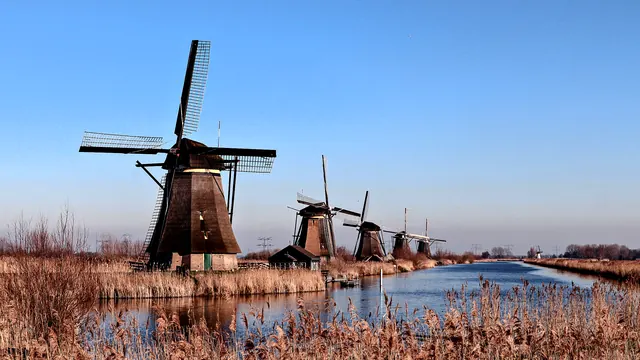 France vs Netherlands
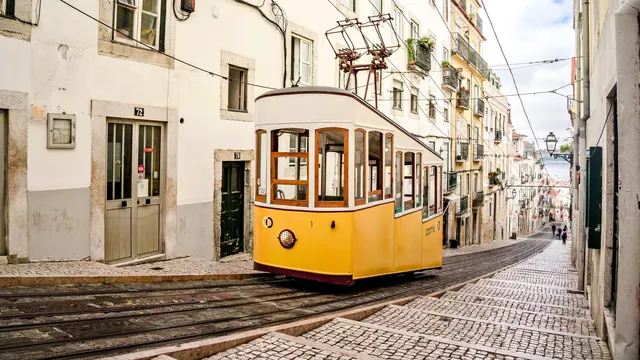 France vs Portugal
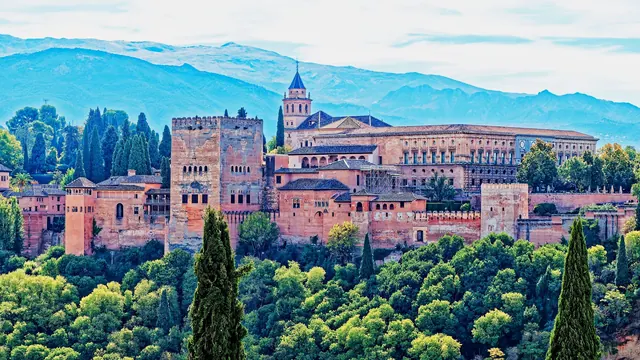 France vs Spain
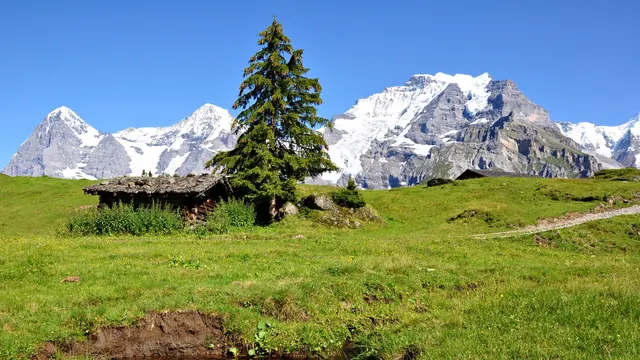 France vs Switzerland
- Germany vs Belgium
- Germany vs Italy
- Germany vs Switzerland
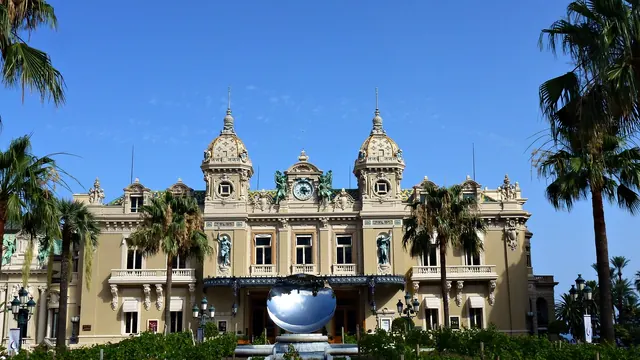 Monaco vs France
- Netherlands vs Germany
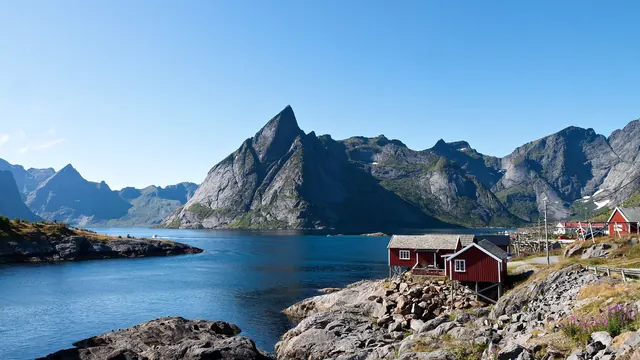 Norway vs Germany
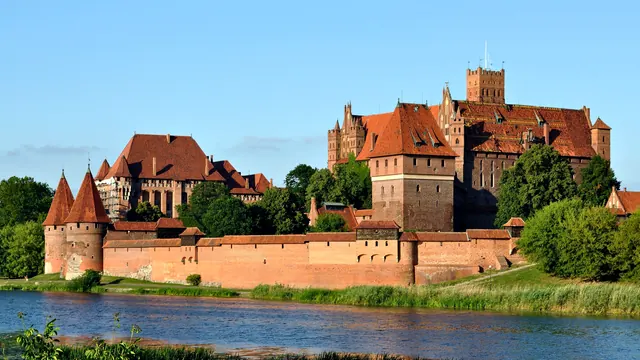 Poland vs Germany
Where else could you go?
Set France or Germany against any other country.