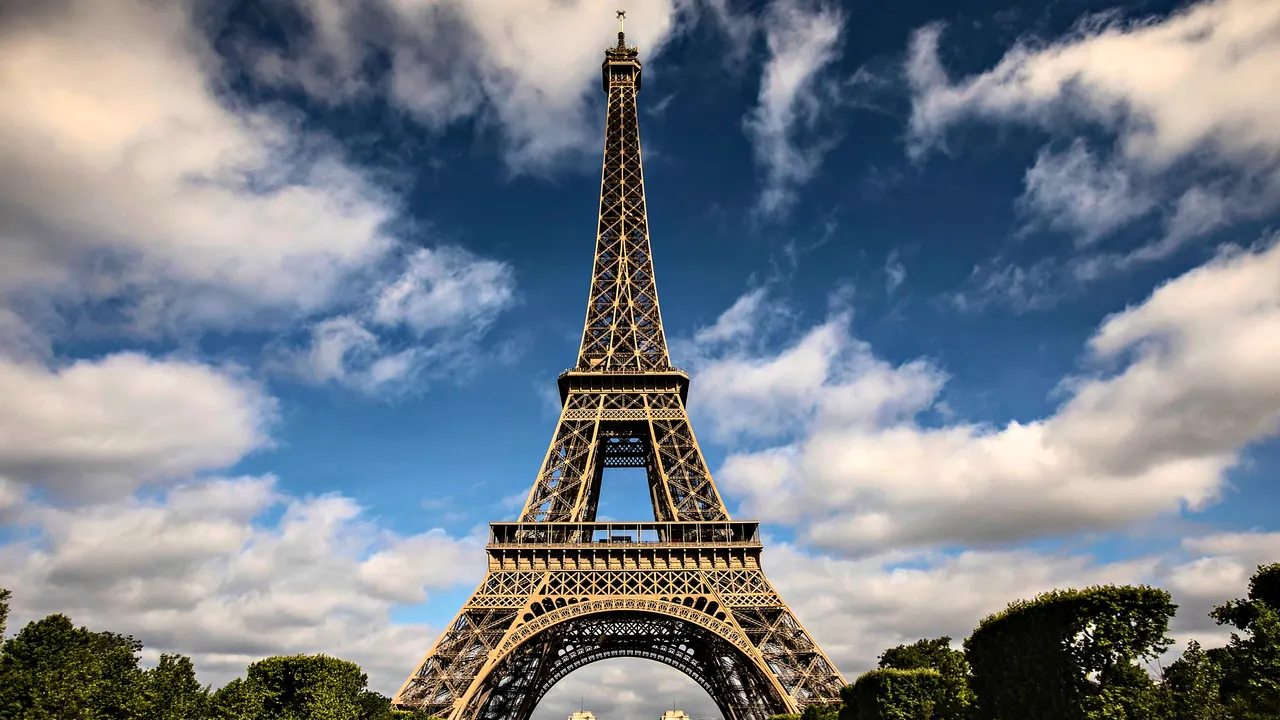
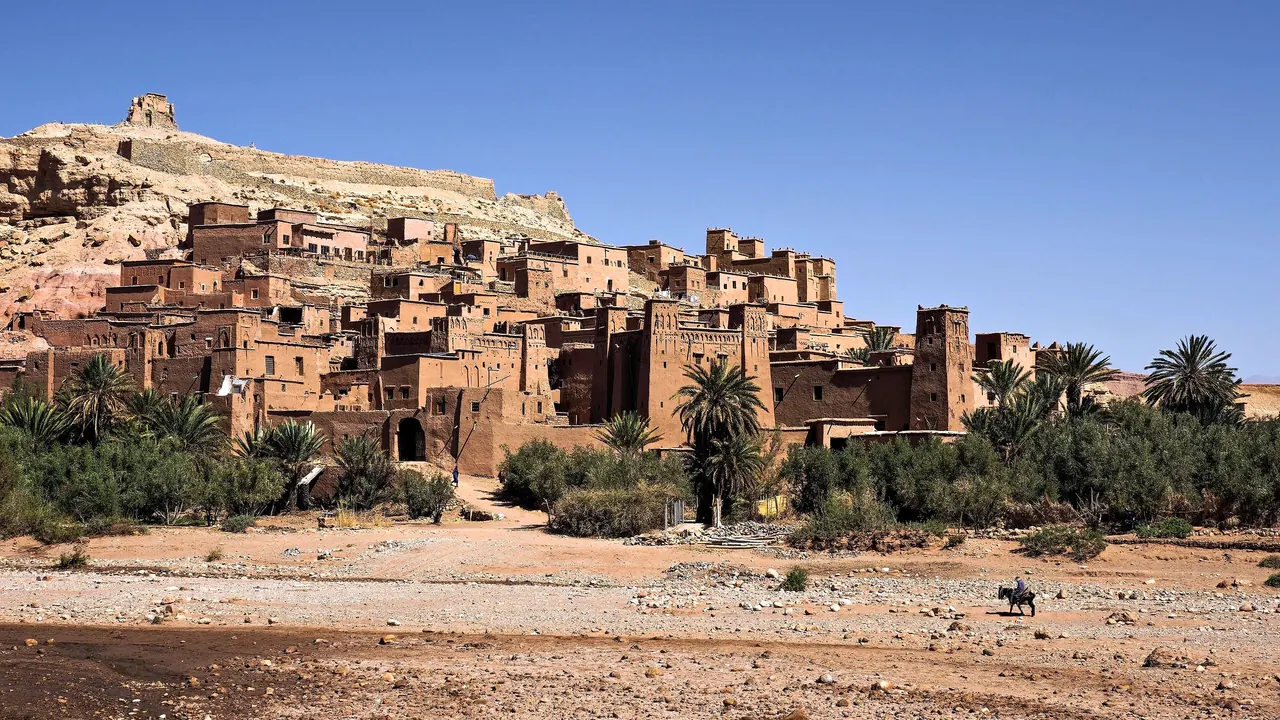
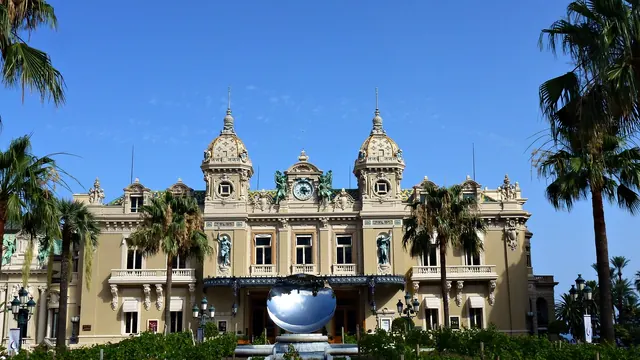
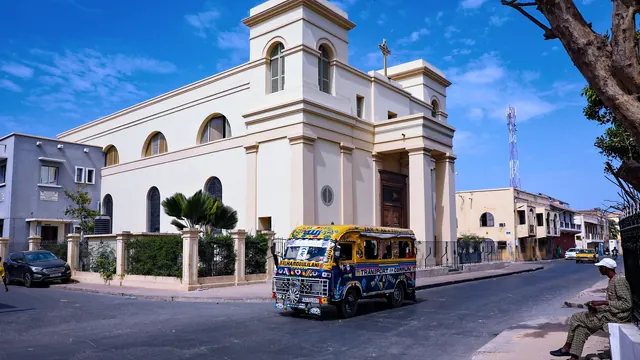
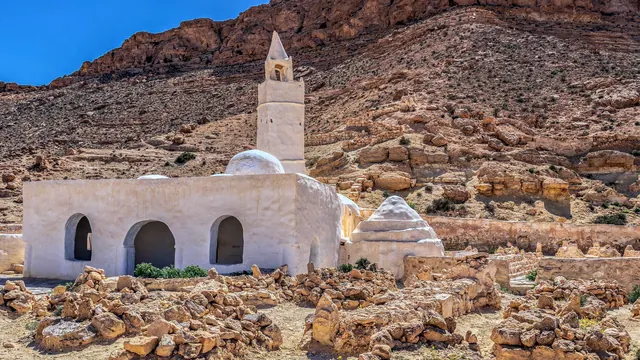
Photos: France by Stephen Leonardi, Pexels License; Morocco by Petar Milošević, CC BY-SA 4.0, cropped.
France or Morocco?
Our verdict in twelve categories, each scored against the same fixed benchmark cities, and the climate month by month, so you can choose for your trip.
Choose France for
- live music and the arts
- families
- nightlife
France suits the traveller who wants a lot from one trip and plenty of easy choice. It has the stronger cooking and wine, the deeper museums and monuments, real evening entertainment from opera to late bars, and family attractions that Morocco can't match. A fast train links the big cities, so a week can take in Paris and Provence, or the Alps and Lyon, without much effort.
Choose Morocco for
- prices
- wellness
Morocco is the better pick for a traveller who wants somewhere that feels unlike home and goes further for the money. The medinas of Fes and Marrakech, a night in the dunes at Erg Chebbi and the villages of the High Atlas make a journey that France can't offer. It is also far cheaper day to day, as long as you accept fewer late nights, simpler beaches and long drives between highlights.
Scoreboard
Twelve categories on one fixed scale from 0 to 100. The shaded stretch is the gap between the two.
Your match
Pick a travel style or drag the sliders, and both match scores follow your weighting.
Wins on live music and the arts and families with your weighting.
Wins on prices and wellness with your weighting.
What matters to you?
Category by category
What the scores mean for a trip.
Beaches & swimming
France has much the better coast for a beach vacation. Corsica's pale-sand bays around Porto-Vecchio and Bonifacio have warm, clear water. The Languedoc offers mile after mile of flat sand for families, and the Atlantic side adds the big surf beaches of the Basque coast and the Landes.
In Morocco a beach is usually an extra at the end of a trip. Agadir's sheltered crescent is the place for a resort stay, but the Atlantic stays cool and Essaouira is too windy for lounging. The calmer, warmer Mediterranean coves around Al Hoceima and Saidia are mostly used by Moroccan families in high summer.
Where in France: Corsica, Côte d'Azur, Languedoc coast, Basque coast
Where in Morocco: Agadir, Al Hoceima, Saidia, Taghazout
Food & drink
Both countries are worth travelling to for food, but France offers more range and depth. Every region cooks differently, from Lyon's bouchons to Basque seafood and Breton oysters, and the market hall, the village bakery and wine with every meal make good food part of the daily routine.
Morocco's strength is home cooking: tagines, pastilla, harira and endless mint tea, eaten best in riads and at stalls such as the evening grills on Jemaa el-Fna. Beyond Moroccan food the choice is narrow, and wine with dinner means a licensed hotel or restaurant.
Culture & sights
France has more to see, and more variety. Paris alone holds the Louvre, the Musée d'Orsay and the Sainte-Chapelle. Beyond it are the Loire châteaux, the cathedrals of Chartres and Reims, Roman Provence and the D-Day beaches of Normandy, so a trip can follow art, architecture or history.
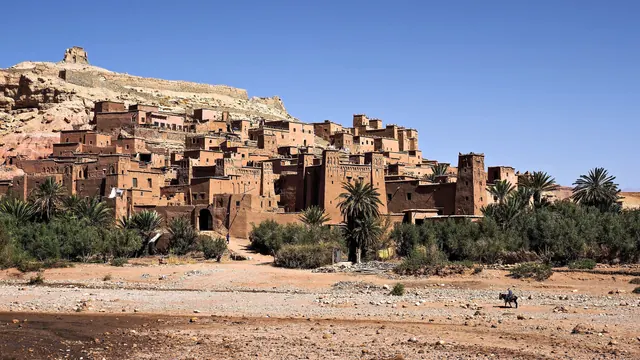
Morocco's heritage works differently: the streets are the sights. The car-free medina of Fes el-Bali, the palaces and madrasas of Marrakech, Volubilis and the earthen ksar of Ait Benhaddou feel more like moving through history than viewing it. The museums are modest.
Where in France: Paris, Loire Valley, Provence, Normandy
Where in Morocco: Fes, Marrakech, Meknes and Volubilis, Rabat
Nightlife
France is clearly the place for going out. Paris has the bars around Oberkampf, Pigalle and the canal, plus the clubs of the eastern districts, and student cities such as Lyon, Bordeaux and Montpellier stay lively late.
In Morocco, nightlife is limited to a few places: hotel clubs and rooftop lounges in Marrakech's Hivernage and Gueliz, the Corniche in Casablanca and Agadir's seafront. Elsewhere an evening means dinner and tea on a terrace.
Where in France: Paris, Lyon, Bordeaux, Montpellier
Where in Morocco: Marrakech, Casablanca, Agadir
Nature & outdoors
For walkers, climbers, cyclists and skiers, France offers more to choose from. Chamonix sits under Mont Blanc, the Pyrenees have quieter, wilder trails around the cirque of Gavarnie, the Verdon gorge suits kayaking and canyoning, and the Calanques near Marseille have cliff walks above the sea. Cycling ranges from flat routes along the Loire to the climb up Mont Ventoux, and in winter the Alps turn into some of the world's largest ski areas.
Morocco has fewer kinds of outdoor trip, but the landscapes are more dramatic. You can climb Toubkal from Imlil, drive through the red Dades and Todra gorges and sleep in a camp among the Erg Chebbi dunes, and France has nothing like that desert. The Rif around Chefchaouen offers gentler walking to waterfalls, and Taghazout and Essaouira have long been known for surfing and kitesurfing.
Where in France: French Alps, Pyrenees, Corsica, Provence
Where in Morocco: High Atlas, Erg Chebbi, Dades and Todra gorges, Rif mountains
Day trips
France makes day trips easy from a single base. From Paris, Versailles, Giverny and the champagne houses of Reims are all close by fast train or a short drive. Avignon, Nice and Strasbourg each have their own ring of towns and villages nearby.
In Morocco, Fes is the one strong base, with Meknes, Volubilis and Moulay Idriss an easy day away. From Marrakech, Essaouira and Ait Benhaddou are too far for comfortable day trips. Most visitors move round the country in a loop rather than returning to the same hotel each night.
Good for families
France is far easier with children. Disneyland Paris, Parc Astérix, Puy du Fou and the Futuroscope cover the big days out, and the beach campsites of the Vendée, the Landes and the Languedoc, with their pools and kids' clubs, are made for long summer stays.
Morocco welcomes children warmly but has few attractions for them. Agadir's beach hotels and Essaouira's small, flat medina are the easy options, and a camel ride at Merzouga is a lasting memory. Crowded big-city medinas, summer heat and long transfers make it hard work.
Where in France: Paris, Vendée, Loire Valley, Languedoc
Where in Morocco: Agadir, Essaouira, Merzouga and Erg Chebbi
Getting around
France's high-speed trains put Lyon, Bordeaux and Strasbourg about two hours from Paris, and the compact cities have good trams or metros, so a city-to-city trip needs no car. You will want one for the Dordogne, the Luberon villages or Corsica.
Morocco has a good rail spine from Tangier through Rabat and Casablanca to Fes and Marrakech. Beyond the railway, the desert, the gorges and the Atlas mean long road journeys, so most visitors hire a driver or join a tour.
Where in France: Paris, Lyon, Strasbourg, Bordeaux
Where in Morocco: Tangier, Rabat, Casablanca, Fes
Shopping & style
France offers both luxury and craft. The couture houses of Avenue Montaigne, the department stores on Boulevard Haussmann and the flea market at Saint-Ouen sit alongside Provençal markets, the antiques dealers of L'Isle-sur-la-Sorgue and wine bought at the cellar door.
Morocco is almost entirely about crafts, and very good at them. Marrakech's souks are arranged by trade, Fes has the workshops and tanneries where much of it is made, and Berber carpets are the big purchase. Haggling is expected, and designer fashion is hard to find.
Where in France: Paris, Provence, Lyon, Brittany
Where in Morocco: Marrakech, Fes, Essaouira, Chefchaouen
Affordability
Morocco is much cheaper. Street food, trains, coaches and guesthouse rooms cost little everywhere, and the surf houses around Taghazout bundle room, meals and board hire together. Marrakech's design riads, desert tours and private drivers are where costs rise.
France is expensive in the places most people visit first: Paris, the Riviera and the ski resorts. Gîtes in the Dordogne, Languedoc hotels and set lunches bring costs down, but tolls and long train journeys add up.
Where in France: Languedoc, Dordogne, Brittany, Auvergne
Where in Morocco: Fes, Chefchaouen, Essaouira, Taghazout
Live music & performing arts
France has a full year-round programme. In Paris there are two opera houses, the Philharmonie, the Comédie-Française and jazz in small cellar clubs, and Lyon, Bordeaux and Toulouse run their own opera and ballet seasons. In summer, Avignon's theatre festival, opera at Aix and Orange, and the Fête de la Musique add more.
Morocco's music is deep but mostly informal. You hear gnawa drummers on Jemaa el-Fna at dusk or in Essaouira's small squares, and the big moments are festivals such as Fes's sacred music concerts in palace courtyards. There is little regular theatre or opera to plan around.
Where in France: Paris, Avignon, Aix-en-Provence, Lyon
Wellness & relaxation
The two countries are about level here, but the experience is quite different. In France, wellness means taking the waters in belle-époque spa towns such as Vichy and Évian, hot springs at Pyrenean resorts like Cauterets, and seawater thalassotherapy in Brittany or Biarritz. Much of the spa tradition is medical.
In Morocco it means the hammam, from neighbourhood bathhouses with black soap and a kessa scrub to the palatial spas of Marrakech, plus the old hot springs at Moulay Yacoub near Fes.
Where in France: Auvergne, French Alps, Pyrenees, Brittany
When should you go?
Pick your month, and for a country the place in it. The climate figures are measured averages, not a forecast.
Where in France
Where in Morocco
Paris (France) in July
Marrakech (Morocco) in July
Daytime high, °C
Rainfall in the month, mm
Temperature and rainfall are climate normals, averaged over the years shown. Paris (France): 1991-2020 (sunshine 1961-1990) normals, Paris-Montsouris (4.6 km from centre). Marrakech (Morocco): 1991-2020 normals, Marrakech (5.1 km from centre).
The two countries are at their best at opposite ends of the year. France is a late spring and summer country. Paris and Lyon are pleasant for walking from May to September, and Nice has the most sun, with the sea reaching 25°C in August and swimming from June into September. Heavy rain arrives on the Riviera in October and November. Winter in the north is grey and cold, around 8°C in Paris in January, and it mostly suits the Alpine ski resorts.
Morocco's inland summer is too hot for sightseeing. Marrakech reaches 38°C in July, Fes is close behind and the Sahara is hotter still. Spring and autumn are the times for the cities, the Atlas and the desert. Winter is mild on the coast, with Agadir still around 21°C in January, although the Atlantic there never gets much above 20°C. That makes Morocco a good escape from November to April, when France is at its dullest.
Which traveller are you?
For a trip on a tight budget, Morocco goes much further. Street food, trains, coaches and simple riads in Fes, Essaouira or Chefchaouen all cost little. France can be done cheaply in the Dordogne or Languedoc, but its best-known places are some of Europe's most expensive.
For a culture and arts trip, France is far ahead. The Louvre, the Loire châteaux and Gothic cathedrals come with a full evening programme of opera, theatre and the Avignon and Aix summer festivals. Morocco's medinas are remarkable, but its stages are mostly empty outside festival season.
More comparisons
Each shares a side with France or Morocco.
Where else could you go?
Set France or Morocco against any other country.