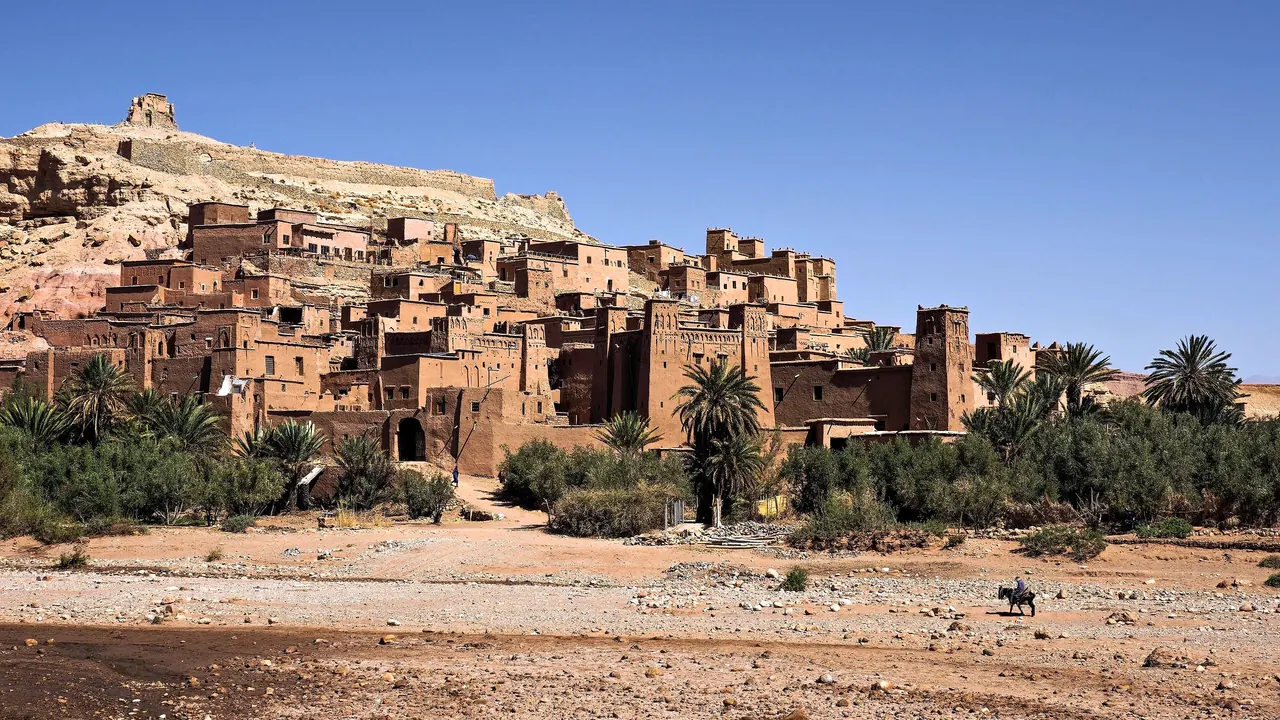
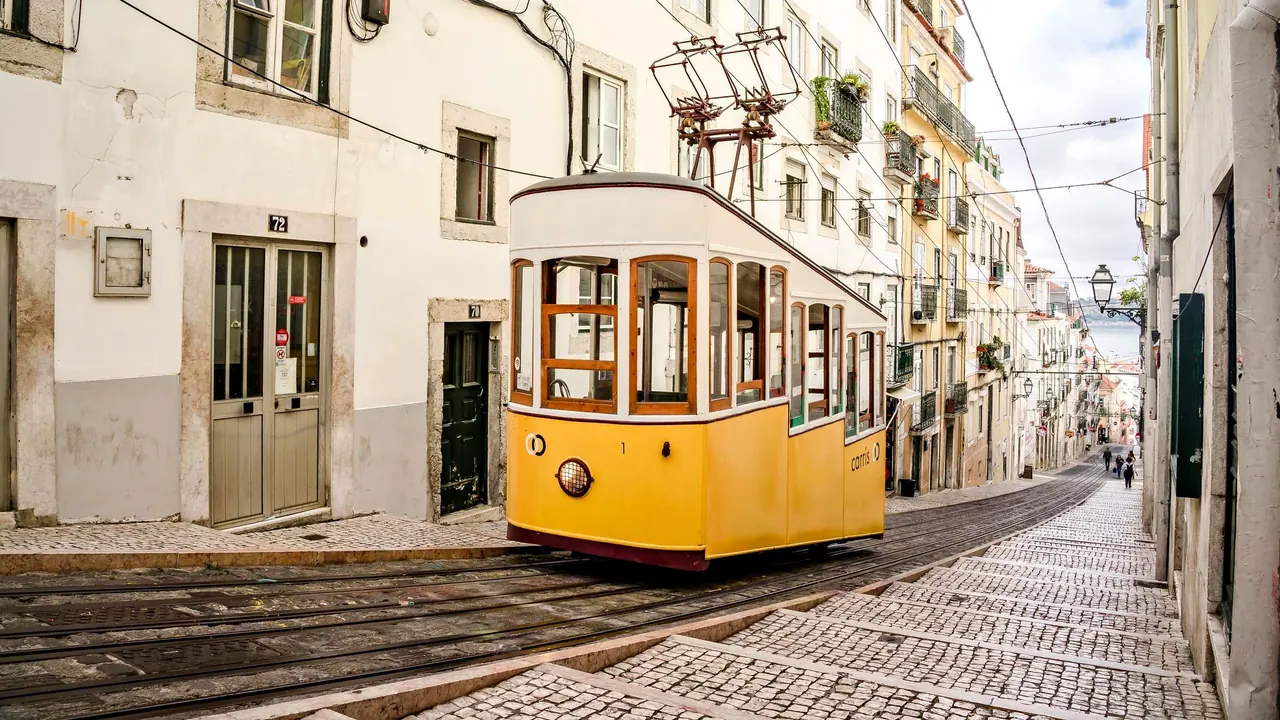
Photos: Morocco by Petar Milošević, CC BY-SA 4.0, cropped; Portugal by Leonhard Niederwimmer, Pexels License.
Morocco or Portugal?
Our verdict in twelve categories, each scored against the same fixed benchmark cities, and the climate month by month, so you can choose for your trip.
Choose Morocco for
- shopping
- wellness
- prices
Morocco suits travellers who want a trip that feels foreign from the first hour. It has the medinas of Fes and Marrakech, souks where you bargain for carpets and lanterns, a hammam at the end of the day and a night under the stars in the dunes of Erg Chebbi. Money goes further, and craft shopping and bathhouse rituals are part of everyday life. In return, the country is a touring loop of long road journeys, with quiet evenings and little laid on for children.
Choose Portugal for
- nightlife
- families
- beaches
Portugal is the easier and more varied choice for a mixed vacation. You can spend beach days in the Algarve coves and then take a city break in Lisbon or Porto, where nights out run late and fado fills the small rooms of Alfama. Day trips to Sintra or the Douro are easy, and families are well looked after. It costs more and feels less exotic, but the trains, the short distances and the wine make it simple to plan.
Scoreboard
Twelve categories on one fixed scale from 0 to 100. The shaded stretch is the gap between the two.
Your match
Pick a travel style or drag the sliders, and both match scores follow your weighting.
Wins on shopping and wellness with your weighting.
Wins on nightlife and families with your weighting.
What matters to you?
Category by category
What the scores mean for a trip.
Beaches & swimming
Portugal is the stronger beach country, and most of that comes down to the Algarve. The west of it has ochre cliffs and sea stacks with sandy coves between them, and the Ria Formosa islands off Tavira have long, quiet sand reached by small ferry. A fortnight of sea and pool is a normal Portuguese summer, and the Alentejo dunes and Porto Santo add more choice.
Morocco's sand is good but plays a supporting role. Agadir's sheltered crescent suits a resort stay, Taghazout is for surfers, and the warmer Mediterranean coves at Al Hoceima and Saidia are mainly a summer scene for Moroccan families. Most visitors fit a few beach days in after the cities and the desert.
Where in Morocco: Agadir, Al Hoceima, Saidia, Taghazout
Where in Portugal: Algarve, Ria Formosa islands, Alentejo coast, Porto Santo
Food & drink
The food is equally good in both, but the two kitchens work in different ways. Morocco's best cooking is home cooking: tagines, pastilla and harira from family places, riads and the grill stalls of Jemaa el-Fna, with Fes known for its refined medina cooking. Alcohol stays on the margins.
Portugal is built on the sea and the vineyard: salt cod, clams, octopus, cataplana in Olhão and the custard tart, washed down with port from Gaia, Alentejo reds or vinho verde. If wine matters to you, that decides it.
Where in Morocco: Marrakech, Fes, Essaouira, Tangier
Where in Portugal: Lisbon, Porto, Douro Valley, Alentejo
Culture & sights
Morocco has the edge for heritage, and what you see there is lived-in cities more than museums. Fes el-Bali is a car-free medieval medina of tanneries and madrasas. Marrakech, Meknes and Rabat show off the sultans' building, and Volubilis and Ait Benhaddou lie beyond them. Museums are modest.
Portugal has more to see indoors. In Lisbon there are the Jerónimos Monastery, the Gulbenkian and the Tile Museum, and outside it the palaces of Sintra and the monasteries at Batalha, Alcobaça and Tomar, with Coimbra's baroque library further north. Few of these sights are as overwhelming as Fes, but there are enough to fill two weeks.
Where in Morocco: Fes, Marrakech, Meknes and Volubilis, Rabat
Nightlife
Portugal is the place for late nights. Lisbon's crowds drink in the street in Bairro Alto and move on to the riverside clubs until morning, Porto's bar streets behind the Clérigos fill at weekends, and in summer Albufeira and Lagos run their own resort scenes.
Morocco keeps its nightlife in a few pockets: hotel clubs and rooftop lounges in Marrakech's Gueliz and Hivernage, the Corniche in Casablanca and Agadir's seafront. Elsewhere, an evening means a long dinner and mint tea.
Where in Morocco: Marrakech, Casablanca, Agadir
Nature & outdoors
Both countries have superb scenery, but it is very different. Morocco has mountain and desert within a few days' drive: Berber villages and Toubkal in the High Atlas, the red Dades and Todra gorges, and a camp night in the dunes of Erg Chebbi.
Portugal's most dramatic landscapes are on the islands. Madeira has its levada walks and the ridge between Pico do Arieiro and Pico Ruivo, and the Azores have crater lakes and whale watching. On the mainland there are Peneda-Gerês and the cliff paths of the Rota Vicentina, and surfers will find serious coasts in both countries.
Where in Morocco: High Atlas, Erg Chebbi, Dades and Todra gorges, Rif mountains
Where in Portugal: Madeira, Azores, Peneda-Gerês National Park, Rota Vicentina
Day trips
Portugal makes day trips far easier. From Lisbon, Sintra, Cascais and Évora are all simple outings, and Porto puts Guimarães, Braga, Aveiro, Coimbra and the Douro train within about an hour or so. Two bases cover most of the country.
Morocco works for day trips from Fes, with Meknes, Volubilis and Moulay Idriss nearby, and from Tangier for Asilah and Tetouan. From Marrakech, though, Essaouira and Ait Benhaddou are really overnight stops, so most visitors tour Morocco in a loop.
Good for families
Portugal is much the easier country with children. The eastern Algarve has warm, calm water and resorts built around pools, with water parks inland. Lisbon has the Oceanário and the flat riverside around it, Coimbra has Portugal dos Pequenitos, and children eat late in restaurants with their parents.
Moroccans are just as fond of children, but there is little made for them. Agadir and small, flat Essaouira are the comfortable bases, and the camel ride at Merzouga is the highlight, at the end of a long drive through summer heat.
Where in Morocco: Agadir, Essaouira, Merzouga and Erg Chebbi
Getting around
Both countries have a good rail spine, Tangier to Casablanca and on to Marrakech in Morocco, and Lisbon to Porto in Portugal. Portugal does more with it: Lisbon and Porto both have a metro, distances are short and the motorways are good, so a hire car fills the gaps easily. Madeira and the Azores are a flight away.
In Morocco, the desert, the gorges, the Atlas and Chefchaouen mean long road journeys, so most visitors hire a driver or join a tour. Inside the medinas you go everywhere on foot, and it is easy to get lost.
Where in Morocco: Tangier, Rabat, Casablanca, Fes
Shopping & style
Morocco is the far better shopping trip. The Marrakech souks are laid out by trade, and in the Fes medina you can watch the dyeing, brasswork and tiling being done. Essaouira has its thuya wood, Chefchaouen its blankets and Safi its pottery, and Berber carpets are the prize. Bargaining is half the fun.
Portugal is better for tasteful gifts: tiles, tinned fish, soaps and linen in Lisbon's Chiado, Caldas da Rainha ceramics and the Barcelos cockerel. Avenida da Liberdade is there if you want luxury labels.
Where in Morocco: Marrakech, Fes, Essaouira, Chefchaouen
Where in Portugal: Lisbon, Porto, Caldas da Rainha, Barcelos
Affordability
Morocco stretches a budget further. Street food, trains, coaches and simple riads in Fes, Chefchaouen and Essaouira cost little, and the Taghazout surf houses bundle a room, meals and board hire together. Marrakech's design riads, desert tours, private drivers and alcohol are where costs climb.
Portugal is cheap for Western Europe, especially in Porto, Coimbra, the Alentejo and the Minho, and wine and set lunches stay inexpensive everywhere. Lisbon and the Algarve in high summer, though, are priced like any popular southern destination.
Where in Morocco: Fes, Chefchaouen, Essaouira, Taghazout
Live music & performing arts
Portugal gives you more to plan an evening around. Fado is sung most nights in the small houses of Alfama and Mouraria, Coimbra has its own cloaked student version, and there are formal seasons at Lisbon's São Carlos opera, at the Gulbenkian and at Porto's Casa da Música.
Morocco's music is deep but rarely on a stage. You find it in the gnawa and drum circles of Jemaa el-Fna at dusk and in the small houses of Essaouira, or by timing your trip for a festival such as the Fes Festival of World Sacred Music.
Wellness & relaxation
Morocco is the better choice for pampering, because the hammam is part of daily life. You can take steam and a black-soap scrub in a medina bathhouse, or an argan oil massage in a palatial Marrakech spa. Fes adds quieter riad spas and the old hot springs of Moulay Yacoub nearby.
Portugal's wellness is gentler and more scattered. The old-fashioned termas such as São Pedro do Sul and Caldas de Monchique are more therapeutic than glamorous. You can bathe in Furnas' iron-red pools if you fly to the Azores, or slow down for a while in the villages of the Alentejo.
Where in Morocco: Marrakech, Fes, Moulay Yacoub, Essaouira
Where in Portugal: Azores, São Pedro do Sul, Alentejo, Monchique
When should you go?
Pick your month, and for a country the place in it. The climate figures are measured averages, not a forecast.
Where in Morocco
Where in Portugal
Marrakech (Morocco) in July
Lisbon (Portugal) in July
Daytime high, °C
Rainfall in the month, mm
Temperature and rainfall are climate normals, averaged over the years shown. Marrakech (Morocco): 1991-2020 normals, Marrakech (5.1 km from centre). Lisbon (Portugal): 1991-2020 normals, Lisboa / Geof (1.1 km from centre).
Morocco is a spring and autumn country. From March to May and again in October and November, Marrakech and Fes are warm enough for long days in the medinas. In July Marrakech reaches about 38°C and the Sahara around 42°C, too hot for walking the streets or crossing the dunes in comfort. Winter is mild in Marrakech and sunny, but Fes takes its heaviest rain from October to December. Agadir is the summer refuge, pleasantly warm all year, but its sea peaks at about 20°C in late summer.
In Portugal the peak comes later. The Algarve is the beach coast from June to September, with highs around 29°C and sea about as warm as Agadir's, and the long sunny months suit Lisbon too. Rain sets in from October, heaviest in Porto at around 181mm in November, so the north is a spring-to-autumn destination. In winter, Madeira stays mild when the mainland turns damp and cool. Put simply, Morocco's interior is best in the shoulder seasons, and Portugal is at its best in high summer.
Which traveller are you?
More comparisons
Each shares a side with Morocco or Portugal.
Where else could you go?
Set Morocco or Portugal against any other country.