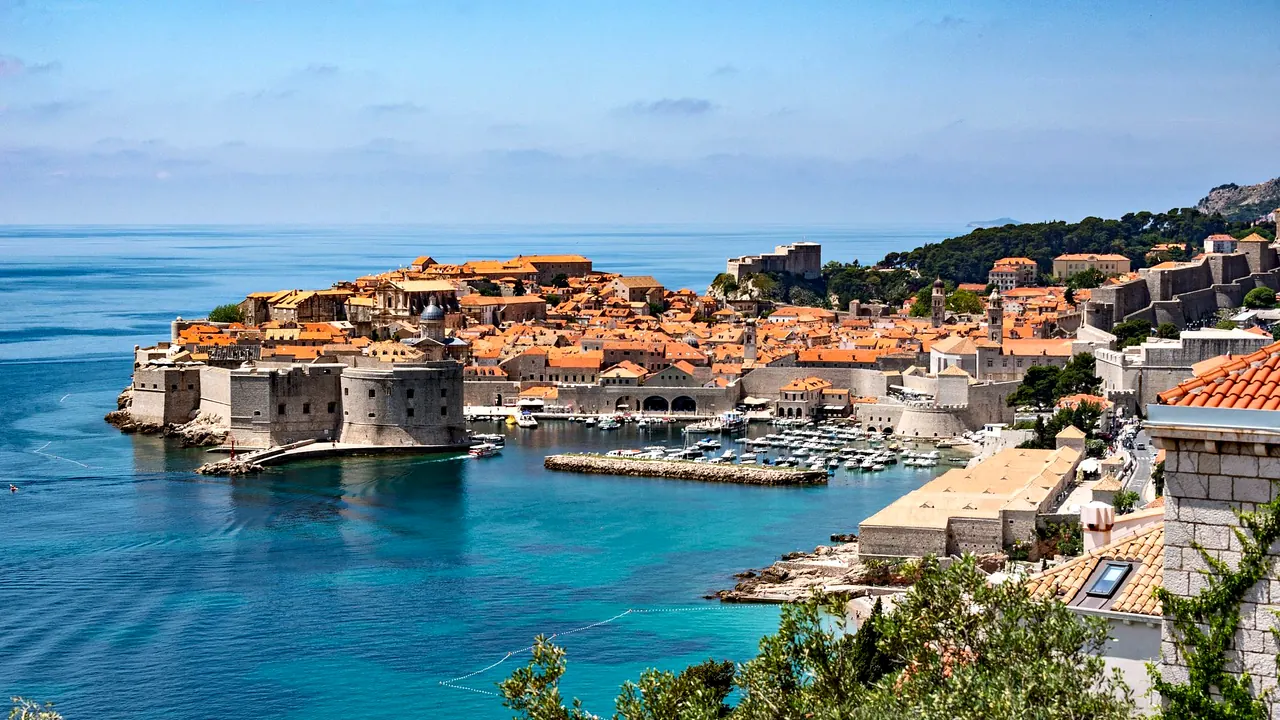
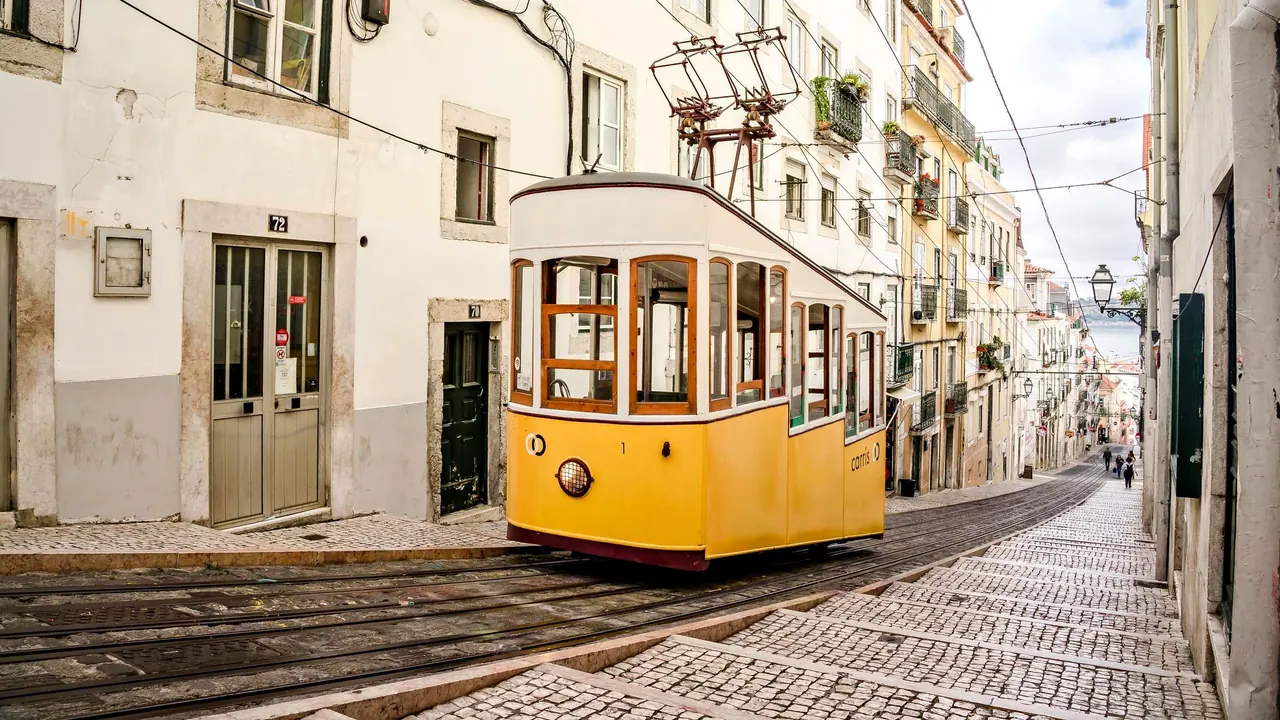
Photos: Croatia by Diego F. Parra, Pexels License; Portugal by Leonhard Niederwimmer, Pexels License.
Croatia or Portugal?
Our verdict in twelve categories, each scored against the same fixed benchmark cities, and the climate month by month, so you can choose for your trip.
Choose Croatia for
- beaches
- nature and the outdoors
Croatia suits travellers who want the sea to be the centre of the vacation. Its clear, warm Adriatic, the thousand-odd islands to sail or ferry between and the walled stone towns of Dubrovnik, Split and Trogir make a trip that moves along one coast. Expect pebbles rather than sand, a summer that does most of the work, and higher coastal prices in high season.
Choose Portugal for
- prices
- shopping
- food and drink
Portugal is the better pick if you want two cities as your bases, food and wine at the heart of the trip, and money that lasts longer. Lisbon and Porto have fado, monasteries and lively evenings all year, and fast trains link them. The Algarve adds sandy coves for the beach days, though its Atlantic water is cooler than the Adriatic.
Scoreboard
Twelve categories on one fixed scale from 0 to 100. The shaded stretch is the gap between the two.
Your match
Pick a travel style or drag the sliders, and both match scores follow your weighting.
Wins on beaches and nature and the outdoors with your weighting.
Wins on prices and shopping with your weighting.
What matters to you?
Category by category
What the scores mean for a trip.
Beaches & swimming
Croatia and Portugal are close for a beach trip, and the choice comes down to warm water or sand. Croatia's Adriatic is calm, unusually clear and noticeably warmer in summer, but most of the shore is pebble, flat rock or concrete bathing platforms: Zlatni Rat on Brač, the coves of Hvar and the Pakleni islands, and the long pebble beaches under the Biokovo cliffs on the Makarska Riviera. Sandy beaches are few, and Lopud's Šunj bay is one of them.
Portugal's beaches are sand. In the Algarve there are cliff-backed coves between Lagos and Albufeira, and long, quiet barrier islands off Tavira and Olhão. The Atlantic is cooler, and away from the Algarve it gets rougher, so the empty dune beaches of the Alentejo coast are better for walking and surfing than for a lazy swim.
Where in Croatia: Central Dalmatian islands, Makarska Riviera, Elaphiti Islands, Istria
Where in Portugal: Algarve, Ria Formosa islands, Alentejo coast, Porto Santo
Food & drink
Portugal is the stronger place to eat, and it stays strong across the whole country. Lisbon's tascas and market halls, Porto's hearty pork dishes and its port lodges, and the wines of the Douro, Alentejo and Minho are enough to plan a trip around.
Croatia's best food is mainly in Istria, with truffles, olive oil and Malvazija in the hill-town taverns, plus the oysters at Ston. The Dalmatian konoba cooking of grilled fish and peka is good but simple, and the busiest old towns rely on repetitive tourist menus.
Where in Croatia: Istria, Pelješac and Ston, Zagreb, Central Dalmatian islands
Where in Portugal: Lisbon, Porto, Douro Valley, Alentejo
Culture & sights
Both reward a visitor who loves old stone, but in different ways. Croatia's heritage is a chain of walled coastal towns: Dubrovnik's full circuit of walls, Split's lived-in Roman palace, and Trogir and Šibenik, with Pula's amphitheatre and Poreč's mosaics in Istria. Its museums are small, so the pleasure lies in wandering the townscapes.
Portugal has more to see indoors: the Jerónimos Monastery, the Gulbenkian and the tile museum in Lisbon, Sintra's palaces, Porto's gilded churches, and a run of monasteries and old university towns from Alcobaça to Coimbra.
Where in Croatia: Dubrovnik, Split, Istria, Šibenik and Trogir
Nightlife
The two are close on nightlife, but the timing differs. Croatia's big nights belong to summer: the open-air clubs at Zrće on Pag that run until dawn, Hvar's yacht-crowd bars and the crowded lanes of Split's palace. Outside July and August the coast goes to bed early, and only Zagreb keeps going.
Portugal's nightlife is rooted in its cities, so it runs all year: street drinking in Bairro Alto, the bars of Cais do Sodré, clubs by the river and Porto's packed streets behind the Clérigos tower. Albufeira and Lagos add a summer resort scene.
Nature & outdoors
These are two equally fine but very different kinds of outdoors. Croatia's is the sea and its islands: sailing through the bare Kornati, Mljet's saltwater lakes, and kayaking off Dubrovnik. Plitvice's waterfalls and the climbing in the Paklenica gorges can join the same mainland road trip.
Portugal's most dramatic landscapes are on islands a flight away: levada walks on Madeira, and crater lakes and whale watching in the Azores. On the mainland it offers the granite hills of Peneda-Gerês, the cliff paths of the Rota Vicentina, and real surf at Ericeira, Peniche and Nazaré, which Croatia's sheltered sea cannot match.
Where in Croatia: Plitvice Lakes, Kornati and the Dalmatian islands, Velebit and Paklenica, Krka
Where in Portugal: Madeira, Azores, Peneda-Gerês National Park, Rota Vicentina
Day trips
In Croatia a day out often starts at the ferry quay. From Split, boats run to Hvar and the villages of Brač, and from Dubrovnik to the Elaphiti Islands and Korčula. Kotor and Mostar are popular trips across the border, and Istria's hill towns, such as Motovun and Grožnjan, are a short drive from the coast.
In Portugal it usually starts at the railway station. Sintra and Cascais are easy rides from Lisbon, and Guimarães, Braga, Aveiro and the Douro valley line are all within reach of Porto. The Algarve has fewer outings than the Dalmatian coast, though Tavira and Silves make good breaks between beach days.
Good for families
Portugal has a little more to fill the days with children. The Algarve has water parks and a marine park, Lisbon has the Oceanário, and Coimbra has Portugal dos Pequenitos. The eastern beaches around Tavira shelve gently into calm water, and children eating late with their parents is normal.
Croatia suits a simple beach week with young swimmers, thanks to its tideless sea. Istria and Kvarner have campsites and resorts with pools, and on the Makarska Riviera the apartments sit close to gently shelving beaches. There are few attractions beyond that, and the midsummer heat takes managing.
Where in Croatia: Istria, Kvarner, Makarska Riviera, Plitvice Lakes
Getting around
Portugal is easier to cross without a car. Fast trains link Lisbon, Coimbra and Porto, and both big cities have a metro. You still want a car for the Alentejo, the Douro estates and the islands.
In Croatia, trains barely reach the coast, so travel means coaches, the motorway from Zagreb to Split, and ferries that run less often in winter. Many visitors fly into Zagreb or Split and out of Dubrovnik so they do not cover the coast twice.
Shopping & style
Neither is a fashion destination, but Portugal has more to browse. Lisbon has the old streets of Chiado and Baixa and the luxury shops of Avenida da Liberdade. Across the country you find hand-painted tiles, beautifully packaged tinned fish, Caldas da Rainha ceramics and the weekly market at Barcelos.
Croatia's best buys are things to eat or handmade crafts: Istrian oil and truffles, Pag lace and cheese, and Hvar lavender. Apart from Zagreb and Split's Pazar market, the coastal shops mostly sell souvenirs.
Where in Croatia: Zagreb, Istria, Split, Pag
Where in Portugal: Lisbon, Porto, Caldas da Rainha, Barcelos
Affordability
What you pay in Croatia depends a great deal on where and when you go. If you move the trip to June or September, the whole coast becomes cheaper. Zagreb, Zadar and the Makarska Riviera, with its private apartments and simple grill taverns, are the easier places on the purse. In Istria, the inland farm stays and hill-town taverns are fair for the quality of the food, while Rovinj is not.
Portugal goes further for your money through the whole year. The real saving comes at the table, because everyday eating and drinking stay inexpensive all over the country, even where rooms cost more. Lisbon and the summer Algarve are the dearest places to stay, while Porto, Coimbra, the Alentejo towns and the Minho are noticeably cheaper.
Live music & performing arts
Portugal offers more evenings to remember. Fado is sung most nights, all year round, in the small houses of Alfama and Mouraria. Lisbon also has the São Carlos opera house and the Gulbenkian concert season, and Porto has Casa da Música.
Croatia's stage is mostly outdoors and in summer: the Dubrovnik Summer Festival, opera inside Split's palace and concerts in Pula's arena. Unaccompanied klapa singing is its own distinctive tradition, and the Croatian National Theatre in Zagreb carries the rest of the year.
Wellness & relaxation
The real difference between the two is where you go to slow down. In Croatia it is Opatija's Habsburg villas and seafront promenade, or the quiet islands of Vis, Lošinj and Mljet outside high season. In Portugal it is the unhurried Alentejo countryside, or the warm iron-red pools at Furnas in the Azores, a flight away.
The spas themselves are much alike. The thermal towns of Croatia's Zagorje hills and Portuguese termas such as São Pedro do Sul and Luso are practical and old-fashioned rather than grand.
Where in Croatia: Opatija, Lošinj, Zagorje, Vis
Where in Portugal: Azores, São Pedro do Sul, Alentejo, Monchique
When should you go?
Pick your month, and for a country the place in it. The climate figures are measured averages, not a forecast.
Where in Croatia
Where in Portugal
Split (Croatia) in July
Lisbon (Portugal) in July
Daytime high, °C
Rainfall in the month, mm
Temperature and rainfall are climate normals, averaged over the years shown. Split (Croatia): 1991-2020 (sunshine 1971-2000, rainfall 1981-2010) normals, Split / Marjan (0.9 km from centre). Lisbon (Portugal): 1991-2020 normals, Lisboa / Geof (1.1 km from centre).
Croatia is a summer country. From June to September the sea at Split and in Istria is warm enough for long swims, reaching 25°C in August. July and August are hot and very dry on the coast, so spring and early autumn are better for walking the old towns and hiking. From October the Dalmatian rain sets in, and Zagreb is cold in winter, around 5°C in January.
Portugal's warmth lasts longer but its water stays cooler. The Algarve is sunny and almost rainless from June to September, with the sea only reaching about 20°C, and its mild winters are fine for walking. Lisbon and Porto are pleasant in spring and autumn. Porto is the wettest point, with 181mm in November. Madeira stays around 20°C even in January, which makes it the best winter choice in either country.
Which traveller are you?
On a tight budget, Portugal is easier on the wallet. Set lunches, coffee at the counter, good local wine and cheap trains keep daily costs down. In high summer, Croatia's coast is priced like the western Mediterranean, and the island ferries add up.
More comparisons
Each shares a side with Croatia or Portugal.
 Albania vs Croatia
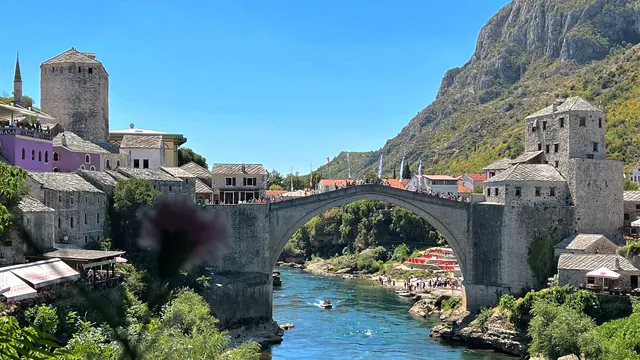 Bosnia and Herzegovina vs Croatia
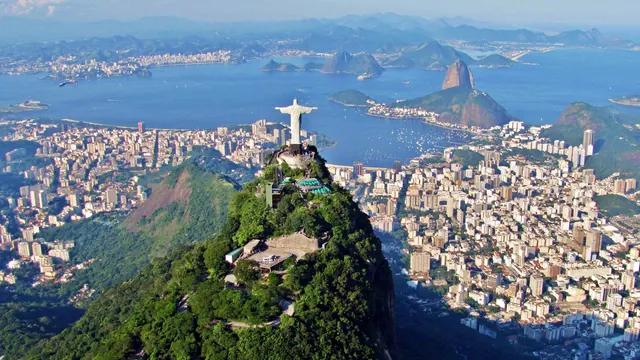
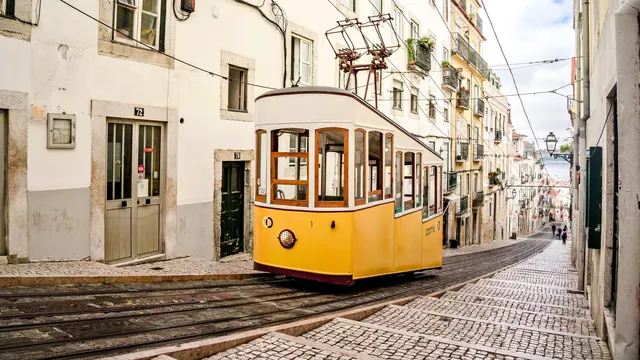 Brazil vs Portugal
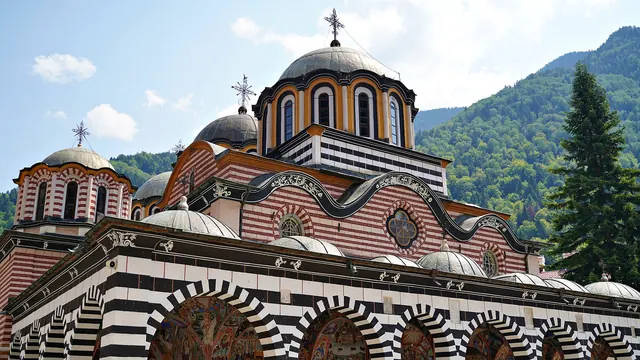 Bulgaria vs Croatia
 Croatia vs Budapest
 Croatia vs Czechia
 Croatia vs Greece
 Croatia vs Hungary
 Croatia vs Italy
 Croatia vs Prague
 Croatia vs Slovakia
 Croatia vs Slovenia
 Croatia vs Türkiye
 France vs Portugal
- Greece vs Portugal
- Italy vs Portugal
 Malta vs Croatia
- Malta vs Portugal
 Montenegro vs Croatia
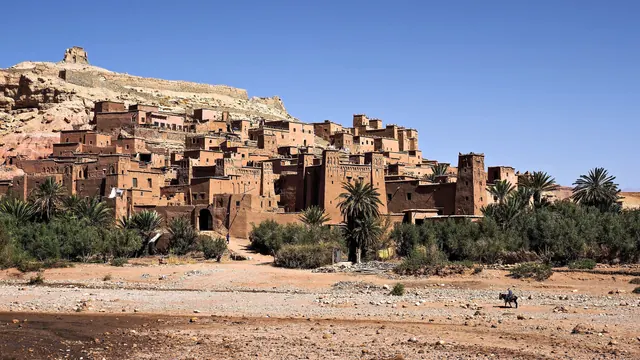 Morocco vs Portugal
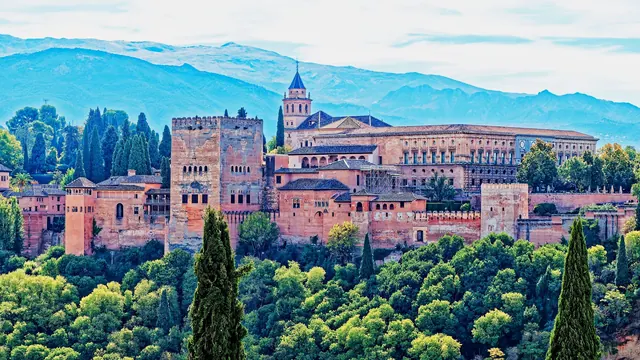 Portugal vs Spain
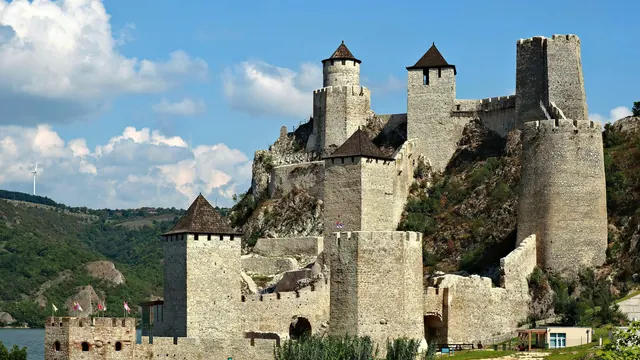 Serbia vs Croatia
Where else could you go?
Set Croatia or Portugal against any other country.